
Gabay sa RFQ para sa Tire Shredder Knife: Ano ang Dapat Ipadala ng mga Mamimili Bago Mag-order ng mga Pamalit na Cutter
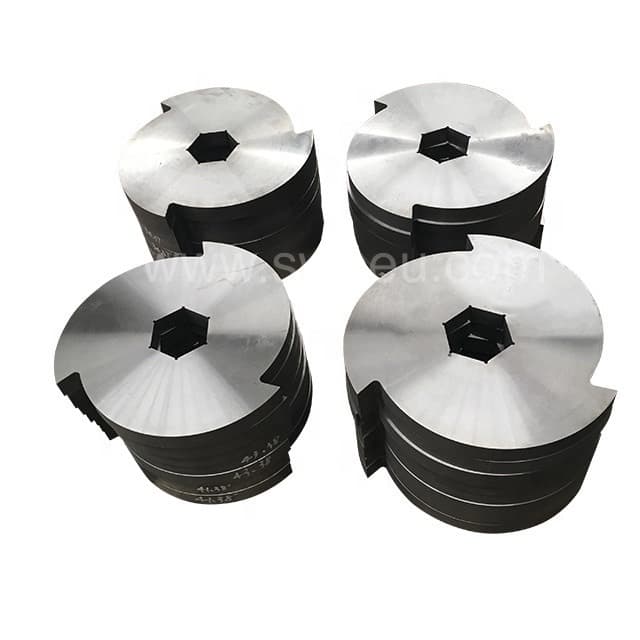
Kung ang iyongmga kutsilyo para sa tire shredderay hindi na napapanatili ang laki ng chip, may natitira pang bakal sa chip, o ang kasunod nagranulator stageay biglang uminit at naging maalikabok, ang unang tanong sa RFQ ay hindi "Aling bakal ang pinakamatigas?" Ang unang tanong sa RFQ ay kung aling yugto ng makina ang aktwal na pumapalya, anong merkado ng output ang sinusubukang maabot ng linya, at kung ang bumibili ba ay nagtatanong para sa direktang kapalit o para sa problema sa pag-aangkop ng yugto.
Mahalaga ang pagkakaibang iyon dahil ang mga opisyal na sanggunian sa pagproseso ng gulong ay paulit-ulit na naglalarawan sa pag-recycle ng gulong bilang isang pagkakasunod-sunod ng mga operasyon, hindi isang generic na knife chamber lamang. AngUSTMA Scrap Tire Handbookay nagbibigay-kahulugan sa mga naprosesong scrap na gulong sa pamamagitan ng laki ng shred, nominal na laki ng chip, at ruta ng end-use.CM Shreddersay nagpapaliwanag sa TDF at mga aggregate system sa pamamagitan ng pinag-ugnay na pag-shred, pag-screen, at pag-chip.ELDANay nagpapakita sa rasper bilang isang dedikadong yugto para sa pagbabawas ng gulong at steel cord, atELDAN's HDG240ay tumutugon sa downstream granulation. Para sa mga mamimili, nangangahulugan ito na dapat tukuyin ng RFQ ang yugto bago nito ligtas na matukoy ang kutsilyo.
Kung ikaw ay bumibili para sa isang planta na nagbebenta ng TDF, TDA, mas malinis na tire chip, o feed para sa crumb-rubber processing, sabihin iyon sa unang mensahe. Binabago nito agad ang usapan tungkol sa pinakaligtas na kutsilyo. Iyan ang dahilan kung bakit inilalagay ng artikulong ito ang konklusyon ng mamimili, angkop na yugto ng makina, at pamantayan ng RFQ sa mga pambungad na talata sa halip na itago ang mga ito sa huli.

Konklusyon ng mamimili: ang mga kutsilyo para sa gulong ay dapat i-quote ayon sa yugto at ayon sa merkado ng output
Ang mga mamimili ay madalas magsimula sa isang makitid na kahilingan: "Kailangan namin ng mga kutsilyo para sa tire shredder," "Kailangan namin ng mga kapalit na cutter para sa dual-shaft machine," o "Kailangan namin ulit ng parehong mga kutsilyo para sa rasper." Ang mga kahilingang iyon ay normal sa komersyo, ngunit itinatago nito ang mas malaking tanong. Ang linya ba ay gumagawa ng coarse whole-tire downsizing, chip control para sa TDF o TDA, steel liberation bago ang mas pinong yugto, o granulation para sa crumb rubber? Ang bawat isa sa mga trabahong iyon ay nagpapabago sa kung ano ang dapat itanong ng supplier sa susunod.
AngUSTMA handbookay ginagawang nakikita ito mula sa panig ng merkado: ang naprosesong materyal ay inuuri ayon sa laki at paggamit sa downstream. Nangangahulugan ito na ang pagbili ng kutsilyo ay kabilang sa estratehiya ng output, hindi lamang sa geometry ng piyesa. Ang isang linya na nangangailangan lamang ng rough reduction bago ang isang downstream stage ay bumibili nang iba kaysa sa isang linya na nagbebenta na ng chip spec o sinusubukang pagbutihin ang steel liberation.
Ang pinakaligtas na workflow ng mamimili ay ang ikonekta ang RFQ sa yugto at sa merkado nang sabay. Sa praktikal na mga termino, ihambing ang amingpahina ng solusyon para sa kalidad ng tire chip, ang aming bagonggabay sa aplikasyon ng pag-recycle ng gulong, at angpahina ng pakikipag-ugnayanbago ipadala ang inquiry. Ang mga internal na rutang ito ay nakakatulong upang mapanatiling nakatali ang quote ng kutsilyo sa tunay na target ng negosyo.
Pagkakaangkop sa yugto ng makina: ang primary shredding, rasper duty, at granulation ay lumilikha ng magkakaibang checklist para sa RFQ
Ang opisyal na dokumentasyon ng makina ay pare-parehong itinuturing ang pag-recycle ng gulong bilang isang kadena ng mga natatanging duty point.Pangkalahatang-ideya ng kumpanya ng CMay nagbibigay-diin sa patented na teknolohiya ng kutsilyo at mahigpit na tolerance ng kutsilyo-sa-kutsilyo na binuo para sa pagproseso ng gulong.Super Chopper ng ELDANay nagbibigay-diin sa adjustable na clearance ng kutsilyo para sa na-optimize na pre-chopping.Dokumentasyon ng rasper ng ELDANnaglalagay sa pagbabawas ng gulong at steel-cord bilang isang hiwalay na heavy-duty stage.Pahina ng VFG granulator ng CMnag-uugnay sa downstream granulation sa disenyo ng kutsilyo, lohika ng screen, at access sa pagsasaayos.
Para sa mga mamimili, nangangahulugan ito na dapat sabihin sa isang RFQ kung saan sa linya nakalagay ang kutsilyo. Ang mga unang yugto ng pagbabawas ay tungkol sa kagat (bite), torque, kondisyon ng stack, at disiplina sa tolerance. Ang mga yugto ng rasper o chip-control ay tungkol sa pagpapalaya ng wire, pagkakapare-pareho ng chip, at downstream handoff. Ang yugto ng granulator ay tungkol sa kontroladong pagbabawas, mga pino (fines), init, at matatag na operasyon. Kung ang supplier ay nakakakita lamang ng talahanayan ng dimensyon, ang quote ay maaari pa ring magawa, ngunit ang pagkakataon ng paulit-ulit na pagkabigo ay nananatiling mas mataas.
Ito ay lalong mahalaga kapag ang planta ay kamakailang nagbago ng feed mix, target na output, o mga setting ng downstream stage. Ang nakainstall na part number ay maaaring pareho pa rin, ngunit ang tungkulin ay hindi. Kapag nangyari iyon, ang "parehong geometry ulit" ay hindi awtomatikong ang pinakaligtas na pagbili.
Ang karaniwang nakakaligtaan ng mga mamimili kapag nag-quote sila ng mga kutsilyo para sa gulong base lamang sa mga dimensyon
Ang pinakakaraniwang pagkakamali sa panig ng mamimili ay ang ipagpalagay na ang problema sa linya ay nasa metal lamang ng kutsilyo. Minsan ay totoo ito. Kadalasan ay hindi.Pagbibigay-diin sa tolerance ng CMatGabay sa clearance ng ELDANparehong tumutukoy sa iisang aral: ang resulta ng pagputol ay nakadepende sa kondisyon ng stack, suporta, at setting ng makina gaya ng pagdepende nito sa nominal na grado ng bakal.
Ang isa pang karaniwang pagkakamali ay ang pag-quote sa shredder stage habang binabalewala ang susunod na makina. Kung ang reklamo sa downstream ay hot granulation, maalikabok na crumb, o mas maraming pino, ang RFQ ay hindi dapat huminto sa shredder. Dapat nitong sabihin kung ang laki ng chip ay nagbabago, kung may natitira pang alambre, at kung ang feed na dumarating sa huling stage ay nagbago. Pinapanatili nito ang quote na nakatali sa totoong reklamo ng planta sa halip na sa isang generic na order ng spare part.
Minamaliit din ng mga mamimili ang output market. Ang isang planta na nagbebenta ng tire-derived fuel ay maaaring tumanggap ng ibang kondisyon ng chip kumpara sa isang planta na sumusubok na pagbutihin ang steel liberation bago ang mas pinong pagproseso. Hindi ito mahihinuha ng supplier mula sa mga dimensyon ng kutsilyo lamang. Kailangang sabihin ito ng mamimili.
RFQ checklist: ano ang dapat ipadala bago humingi ng presyo lamang
Ang pinakamabilis na low-risk na RFQ para sa tire-knife ay pinagsasama ang impormasyon ng fit at ang operating context. Ipadala ang mga item na ito sa unang mensahe hangga't maaari:
- Brand at modelo ng makina, kasama ang eksaktong pangalan ng stage kung alam.
- Ang target ng negosyo sa isang linya: coarse downsizing, TDF o TDA sizing, mas malinis na chip, steel liberation, o paghahanda ng crumb-rubber.
- Ang kasalukuyang sintomas: malalaking chips, mahinang kagat, hindi pantay na pagkapudpod, mas maraming nakalantad na alambre, hot granulation, mas maraming pino, o mabilis na pagbaba ng buhay ng gamit.
- Ang kondisyon ng feed: buong gulong, pinaghalong gulong, halo ng pampasahero at trak, kondisyon ng bead-wire, o hindi karaniwang maduming feed.
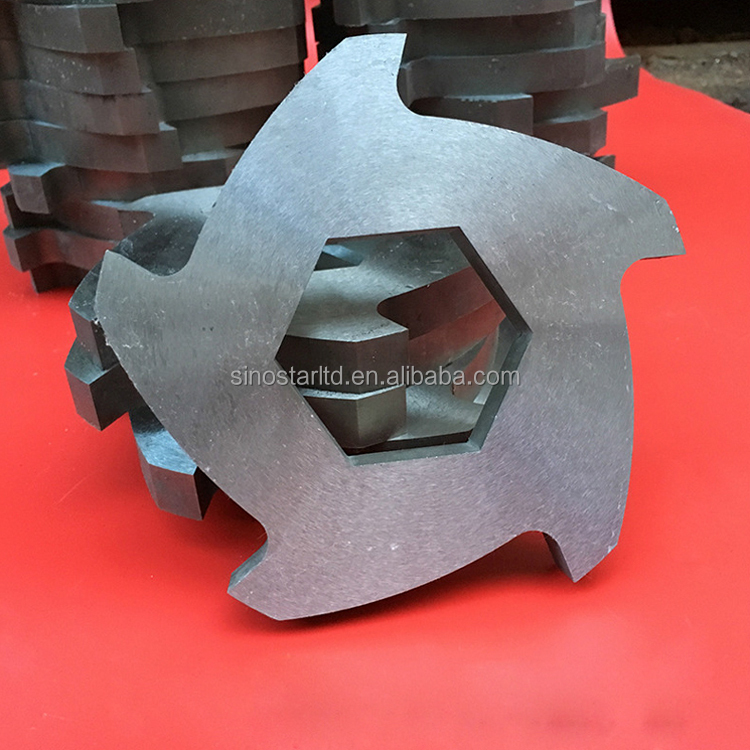
- Isang litrato ng mukha ng kutsilyo, isang litrato ng side-profile, isang litrato habang nakakabit, at isang litrato ng katabing stage kapag ang kalidad ng downstream ay bahagi ng reklamo.
- Laki ng screen kung naaangkop, pati na rin kung ang order ay isang direktang kapalit, isang trial batch, o isang pagsusuri ng geometry at stage fit nang magkasama.
Ang checklist na iyon ay sapat na maikli para sa mga purchasing team, dealer, at maintenance supervisor upang mabilis na makabuo. Ngunit ito ay sapat na komprehensibo upang maiwasan ang pinakakaraniwang pagkakamali sa RFQ: ang pagtrato sa isang problema sa stage-fit na parang ito ay isang ordinaryong order ng kutsilyo.
Kung mayroon ka lamang na gamit na sample, sabihin ito nang direkta. Normal iyon sa aftermarket na trabaho sa gulong. Ang isang supplier ay maaari pa ring magsimula ng teknikal na pagsusuri mula sa isang sample, ngunit dapat malaman kung ang sample ay nagmula sa isang linya na gumagawa pa ng katanggap-tanggap na output o mula sa isang linya na nakaranas na ng mahinang kalidad ng chip.
Paano binabago ng reklamo ang RFQ ayon sa stage
Kung ang reklamo ay mahinang pagkapit (poor bite), mas mataas na amp draw, o isang linya na nahihirapan nang magbukas ng buong gulong, ang RFQ ay dapat magpokus sa unang stage: kondisyon ng stack, suporta ng kutsilyo, tolerance, at kung ang kasalukuyang order ay para sa emergency na kapalit o isang mas malawak na pagsusuri ng stage. Sa sitwasyong iyon, magsimula sa pamamagitan ng paghahambing satire-recycling double-shaft shredder knifeat angrubber double-shaft shredder cutter.
Kung ang reklamo ay masyadong maraming bakal pa ang nakakabit, mas maraming hindi regular na oversize, o hindi matatag na paglipat (handoff) sa susunod na stage, dapat direktang tukuyin ng RFQ ang wire liberation at chip control. Dito na hindi na lamang bumibili ang linya ng shredder spare; bumibili na ito ng mas malinis na transisyon patungo sa susunod na makina. Gamitin ang bagongapplication guideat angsolusyon para sa kalidad ng chipnang magkasama para sa yugtong iyon.
Kung ang reklamo ay mainit na pagtakbo, maalikabok na mumo, o mas maraming pino sa huling yugto, dapat isama sa RFQ ang konteksto ng downstream granulator. Doon dapat ikumpara ng mamimili angmga insert knife para sa rubber granulator,mga SKD11 granulator knife para sa goma, at ang amingartikulo tungkol sa maintenancebago ipagpalagay na ang mas matigas na kutsilyo ang buong sagot.
Gabay sa larawan, sample, at dimensyon: ano ang tunay na nakakatulong sa supplier
Ang pinakakapaki-pakinabang na set ng larawan ay hindi kumplikado. Magpadala ng isang larawan ng tuwid na mukha na may ruler, isang side profile na nagpapakita ng talim at kapal, isang view kung paano ito nakakabit sa stack o holder, at isang larawan ng katabing yugto kapag ang reklamo ay umaabot sa downstream. Ang set ng larawang iyon ay nagbibigay sa supplier ng higit na impormasyon kaysa sa isang nakahiwalay na larawan ng kutsilyo na walang sukat.
Ang mga tala sa dimensyon ay dapat nakatuon sa mga dimensyong hindi madaling mapudpod: kabuuang haba, lapad, kapal, distansya ng sentro, diyametro ng butas, at anumang malinaw na relief o stack feature na nananatili pa sa lumang piyesa. Kung ang isang gilid ay lubhang pudpod na, markahan ito sa email upang malaman ng supplier kung aling mga dimensyon ang maaaring hindi na kumakatawan sa orihinal na drawing.
Para sa mga mamimili na nakikipag-ugnayan sa pamamagitan ng mga dealer o service team, maglakip ng isang linyang tala tungkol sa komersyal na layunin: "direktang kapalit para sa shutdown," "trial batch para i-validate ang geometry," o "repaso dahil nagbago ang kalidad ng chip at wire liberation." Ang talang iyon ay nakakatipid ng oras at nagdidirekta sa quote sa tamang antas ng teknikal na pagsusuri.
Mga ekspertong praktikal na tala sa pagpili para sa mga mamimili at dealer
Ang pinakaligtas na paraan ng pag-quote sa kategoryang ito ay may tatlong antas. Ang unang antas aydirektang kapalitdahil maayos ang stage at kailangan lang ng linya ng mga paulit-ulit na spare. Ang ikalawang antas ayrepaso ng stagedahil nagbago ang hugis ng output, exposure ng bakal, amp draw, o dalas ng maintenance at maaaring hindi na tumutugma ang kasalukuyang knife package sa trabaho. Ang ikatlong antas ayrepaso ng linyadahil binago ng planta ang merkado ng output nito, ang feed mix nito, o ang downstream target nito at ngayon ay nangangailangan ng mas malawak na usapan tungkol sa stage fit.
Dapat ding sabihin ng mga dealer at service team kung ang trabaho ay kagyat na downtime coverage, nakaplano na shutdown stock, o isang trial lot para i-validate ang geometry. Iba-iba ang mga komersyal na kasong ito, at dapat malaman ng supplier kung alin ang naaangkop bago magrekomenda ng pamilya ng kutsilyo. Ang isang quotation na malinaw tungkol sa business case ay karaniwang mas mabilis at mas ligtas kaysa sa isa na teknikal na tumpak ngunit malabo sa komersyal na aspeto.
Kapag hindi ka sigurado kung saan magsisimula, ilista ang mga pinakamalapit na produkto sa amingmga kutsilyo ng double-shaft shredderatmga kutsilyo para sa general shreddermga kategorya, ihambing ang mga ito sagabay sa aplikasyon ng pag-recycle ng gulong, at ipadala ang mga detalye sa pamamagitan ngRFQ form. Pinapanatili nito ang pokus ng supplier sa angkop na yugto sa halip na manghula mula sa isang listahan ng mga sukat lamang.
FAQ
Dapat bang tukuyin ng RFQ ang eksaktong yugto ng makina?
Oo. Ang primary shredding, chip sizing, rasper duty, at granulation ay lumilikha ng magkakaibang load ng cutter, magkakaibang panganib sa maintenance, at magkakaibang resulta sa negosyo.
Kailangan ko bang banggitin ang target na laki ng chip o ang merkado para sa end-use?
Oo. Ang mga opisyal na sanggunian sa pagproseso ng gulong ay nag-uugnay sa halaga ng naprosesong materyal sa pag-size at huling paggamit, kaya ang target na output ay dapat kasama sa unang inquiry.
Maaari ba akong magsimula sa mga gamit na piyesa at mga larawan mula sa telepono lamang?
Oo. Karaniwan iyan sa aftermarket na trabaho sa gulong. Ang malilinaw na larawan, mahahalagang dimensyon, modelo ng makina, target na output, at ang kasalukuyang sintomas ay sapat na upang simulan ang pagsusuri.
Bakit bumababa ang itinatagal ng kutsilyo kahit na mukhang hindi nagbabago ang nominal na grado ng bakal?
Dahil ang feed mix, bead-wire loading, stack tolerance, clearance setting, at mga pagbabago sa stage-duty ay maaaring makabawas sa itinatagal nito bago pa man may magbago sa nominal na grado.
Aling mga panloob na pahina ang dapat kong ikumpara sa susunod?
Ihambing ang amingsolusyon sa kalidad ng tire chip,gabay sa aplikasyon ng pag-recycle ng gulong,mga kutsilyo ng double-shaft shredder,mga kutsilyo para sa general shredder, atpahina ng pakikipag-ugnayan.
Mga pangunahing sanggunian
Ang artikulong ito ay isang orihinal na sintesis mula sa panig ng mamimili na binuo mula sa opisyal na dokumentasyon ng pagproseso ng gulong. Ang mga label sa ibaba ay nananatiling neutral at pinapanatili ang attribution sa URL.
- Opisyal na handbook sa pagproseso ng scrap-tire
- Opisyal na pangkalahatang-ideya ng teknolohiya ng kutsilyo at tolerance
- Opisyal na pahina ng TDF at proseso ng aggregate
- Opisyal na pahina ng downstream granulator
- Opisyal na sheet ng makina para sa pre-chopping
- Opisyal na sheet ng rasper stage
- Opisyal na sheet ng granulator