
Problemas típicos en líneas de film de PE detrás de la RFQ
- •El film se enrolla, se embadurna o se sobrecalienta en la primera etapa de reducción de tamaño o densificado
- •Las cuchillas del granulador pierden el filo rápidamente y el material molido se vuelve esponjoso, polvoriento o inconsistente
- •La línea aún puede funcionar, pero la calidad del pellet disminuye porque el conjunto de cortador, cuchilla de bancada o compactador ya no está equilibrado
- •El comprador solo tiene una muestra desgastada o una referencia OEM y necesita una vía de reemplazo práctica y rápida
Por qué las líneas de reciclaje de film de PE necesitan cuchillas adaptadas a cada etapa
El reciclaje de film de PE es diferente al molido de plástico rígido porque el material se mueve, se estira, se calienta y se enrolla. Una línea de film no falla solo porque una cuchilla esté desafilada. A menudo falla porque la geometría de la cuchilla, el estado del filo y la etapa de la máquina ya no están adaptados a la alimentación real: recortes postindustriales, film lavado, film post-consumo sucio o residuos impresos mezclados.
Es por eso que los compradores serios buscancuchillas para trituradoras de película de PE,cuchillas para compactadores de corte, ocuchillas para granuladoras de películaen lugar de solo términos genéricos de cuchillas industriales. No están comprando una cuchilla universal. Están tratando de estabilizar una secuencia de etapas de maquinaria que reaccionan de manera diferente al calor, la contaminación y la holgura de la cuchilla.
En las líneas de película, una cuchilla que "encaja" pero genera más resistencia, más calor o más residuos puede reducir silenciosamente el rendimiento y la consistencia de los pellets mucho antes de que la línea se detenga por completo. Esa es la verdadera razón comercial para crear una página de solicitud de cotización (RFQ) específica para la aplicación de cuchillas de reciclaje de película.
Dónde aparecen las cuchillas en las líneas de lavado y reciclaje de película de PE
Una línea típica de reciclaje de película de PE puede incluir varias etapas de corte. No todas las plantas tienen la misma disposición, pero la mayoría de los compradores se enfrentan al menos a una de las siguientes posiciones:
- Cuchillas para trituradoras de un solo ejepara el pre-corte de balas, rollos o alimentación de film voluminoso antes del lavado o la compactación.
- Cuchillas para compactadores o aglomeradorespara la densificación de film ligero y el control de la estabilidad térmica y de alimentación antes de la extrusión.
- Cuchillas para granuladoraspara el corte secundario, la reducción de tamaño de film lavado o la recuperación de recortes.
- Cuchillas de bancada o cuchillas estatorascomo referencia estacionaria que controla realmente la holgura de corte.
- Cuchillas para peletizadoraspara la etapa final de corte cuando la línea ya está operando en la producción de granza o compuestos.
El plan de sustitución adecuado depende de dónde aparezca el fallo actual. Un comprador que solicita "cuchillas para reciclaje de film" puede necesitar ayuda en una sola etapa, pero los síntomas a menudo se propagan aguas abajo si el juego de cuchillas aguas arriba ya es incorrecto.
Cómo cambia el trabajo de la cuchilla según el tipo de alimentación de film
El recorte de borde limpio se comporta de forma muy diferente al film post-consumo sucio. El film de LDPE y LLDPE lavado aún puede generar calor y problemas de enrollamiento, pero el film impreso, el film agrícola o la contaminación mixta ejercen más presión sobre la tenacidad, la estabilidad del filo y los intervalos de mantenimiento.
En la práctica, los compradores deben separar la solicitud de presupuesto (RFQ) según la condición de alimentación:
- Film post-industriala menudo valora una calidad de borde estable, poco polvo y un reafilado repetible.
- Film post-consumo lavadoaún necesita un desgaste equilibrado porque la humedad, las etiquetas y los restos de contaminación pueden cambiar el comportamiento de la línea.
- Film sucio o mixtopuede requerir una dureza más conservadora y un plan de sustitución que considere el impacto, el arrastre y los hábitos de afilado del operario.
Para las familias de productos más similares, compare nuestrascuchillas para trituradoras de un solo eje,cuchillas para compactadores de corte,cuchillas para granuladores, ycuchillas de granizadora.
Patrones comunes de desgaste y fallo en líneas de film
Las líneas de film a menudo muestran síntomas más sutiles pero más costosos que las líneas de plástico rígido. En lugar de solo astillamientos drásticos, la planta puede observar marcas de calor, corte pegajoso, alimentación inestable, material molido más esponjoso o cambios en los pellets después de varios turnos. Estos síntomas son señales de advertencia comerciales, ya que la línea puede seguir funcionando mientras la calidad del producto y el rendimiento disminuyen.
- Envoltura y arrastrea menudo sugieren que la cuchilla está rozando o tirando en lugar de cortar limpiamente.
- Manchado o sobrecalentamientopuede indicar el estado del filo, una falta de coincidencia en las etapas o una geometría de la cuchilla del compactador que ya no se adapta a la alimentación.
- Desafilado rápidopuede ser causado por contaminación, calor, prácticas de afilado deficientes o un equilibrio incorrecto entre resistencia al desgaste y tenacidad.
- Material molido polvoriento o esponjosogeneralmente significa que el corte se está volviendo menos controlado, especialmente cuando las cuchillas de bancada están desgastadas.
- Inconsistencia en los pelletspuede comenzar aguas arriba, incluso cuando los compradores solo lo notan en la peletizadora.
Cómo pensar sobre el acero, la estrategia de filo y el reemplazo por pares
No existe un único acero óptimo para todas las líneas de película de PE. Los compradores suelen comparar opciones de D2, SKD11, HSS, con punta de carburo o reemplazos tipo OEM. La pregunta más adecuada es qué patrón de desgaste está afectando realmente a la línea hoy: exceso de calor, redondeo excesivo, astillamiento prematuro o corte inestable después del reafilado.
En las líneas de película, la estrategia de filo es tan importante como el grado del material. Un grado de mayor resistencia al desgaste puede no ser útil si la planta realmente tiene un problema de holgura, alineación o de juego emparejado. Esto es especialmente cierto cuando se reemplaza la cuchilla del rotor pero la contracuchilla, la cuchilla del estator o la pieza de acoplamiento del compactador aún están desgastadas.
Para comparaciones de acero, comience con nuestraguía de selección de cuchillas. Para la planificación del mantenimiento, combínela con nuestroartículo de mantenimientoe incluya los síntomas reales en la solicitud de cotización (RFQ) en lugar de solicitar únicamente el grado más duro disponible.
Qué enviar para una cotización rápida de cuchillas para reciclaje de película de PE
Las solicitudes de presupuesto (RFQ) más rápidas para cuchillas de film de PE combinan los datos de ajuste con el contexto del proceso. Incluso sin un plano original (OEM) perfecto, unas buenas fotografías y una descripción clara de la línea suelen agilizar la revisión.
- Marca y modelo de la máquina, si se conocen
- Etapa de la máquina: trituradora, compactadora de corte, granulador, cuchilla de bancada, estator o peletizadora
- Tipo de alimentación: recortes limpios, film lavado, film post-consumo, film impreso, sacos tejidos o plástico blando mezclado
- Síntoma actual: enrollamiento, emborronamiento, calor, vida útil corta, polvo, regranulado inestable o inconsistencia en el pellet
- Dimensiones de la cuchilla, patrón de orificios y fotografías del contacto con el asiento
- Fotografías de la cuchilla usada desde el frente, el lateral y las posiciones de contacto con el soporte
- Cantidad requerida, expectativas del ciclo de afilado y país de destino
Si su equipo está realizando compras para el Sudeste Asiático, las RFQ de exportación son más sencillas si indica también si el trabajo es para un reciclador, distribuidor de maquinaria, contratista de servicios o comerciante de piezas. Utilice lapágina de contactoo el formulario de consulta a continuación y mencione que el trabajo es para una línea de reciclaje de película de PE.
Piezas representativas para esta línea
Use la geometría más cercana como referencia de RFQ y luego envíe medidas o fotos de la cuchilla usada.
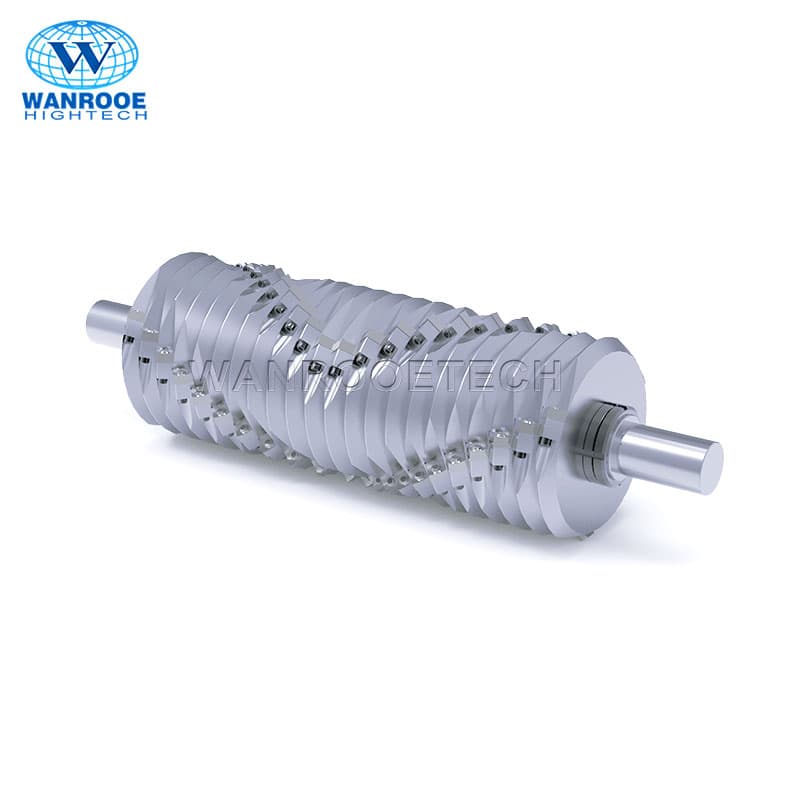
SSK-002
Cuchilla mono eje
Cuchilla de shredder mono eje para tareas habituales de cuchillas de shredder mono eje. Materiales comunes: D2 / SKD11 / carbide-tipped alloy steel. Usos frecuentes: Shredders mono eje / Trituración de film y saco tejido / Pretriturado de caucho y neumáticos.
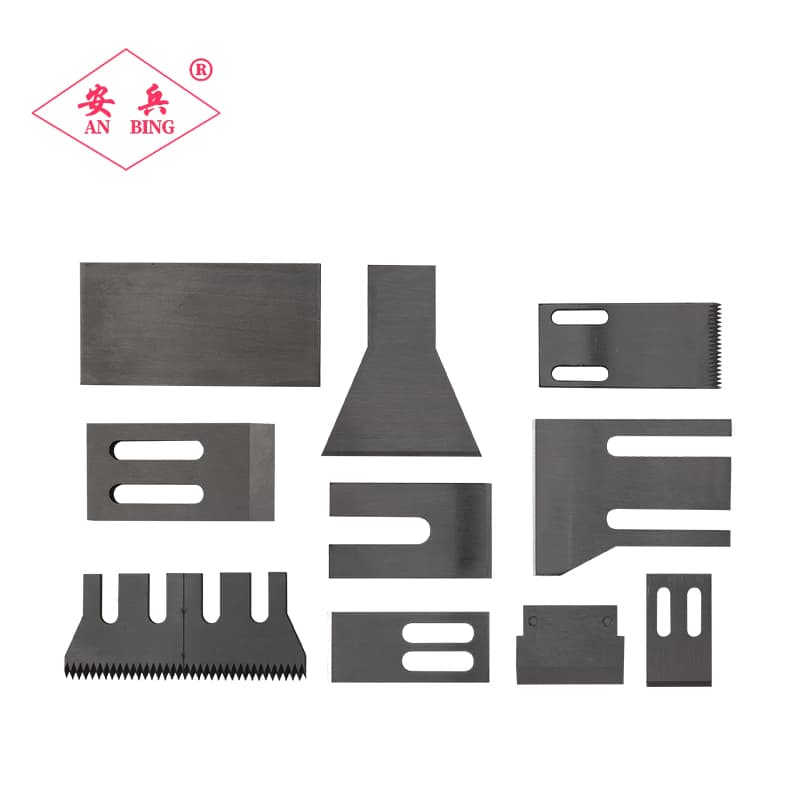
PGK-004
Cuchilla de corte para granulador
Cuchilla de granulador de plástico para tareas habituales de cuchillas de granulador de plástico. Materiales comunes: SKD11. Usos frecuentes: Líneas de granulación de plástico / Recorte de film y saco tejido / Recuperación de rebaba.
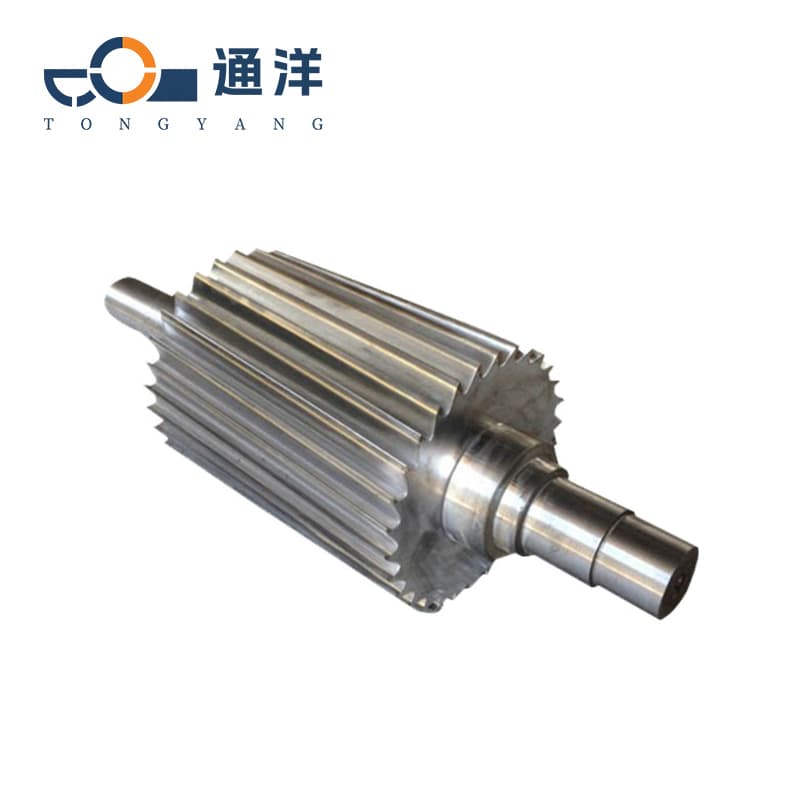
GBK-001
Cuchilla fija de granulador
Cuchilla de cama de granulador para tareas habituales de cuchillas fijas de granulador. Materiales comunes: SKD11 / D2 / HSS / tungsten carbide. Usos frecuentes: Reemplazo de cuchillas de cama / Molienda de PET y plástico rígido / Granulación de film y saco tejido.
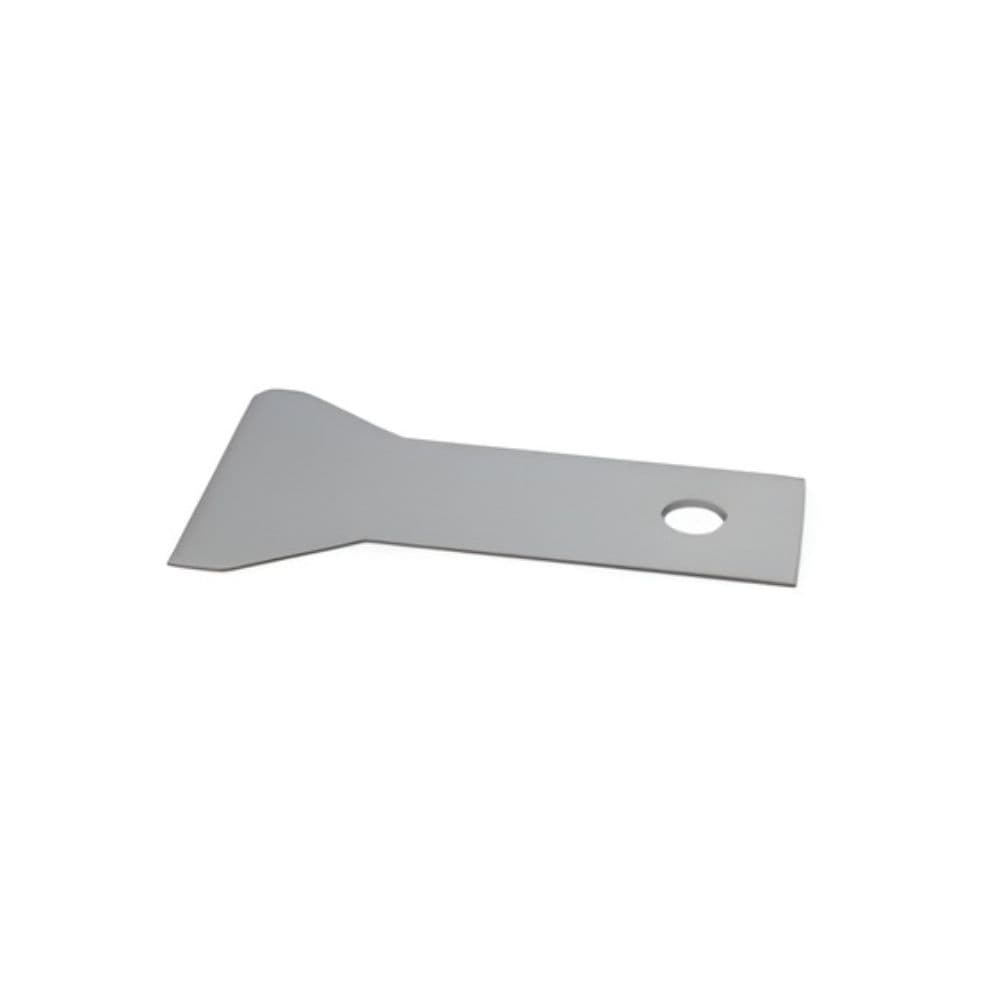
CCK-006
Cuchilla de cutter compactor (EREMA)
Cuchilla de cutter compactor para tareas habituales de cuchillas de cutter compactor / aglomerador. Materiales comunes: D2 / SKD11 / HSS / alloy steel. Usos frecuentes: Líneas de cutter compactor para film / Densificado y aglomeración de plástico / Compactación previa al peletizado.
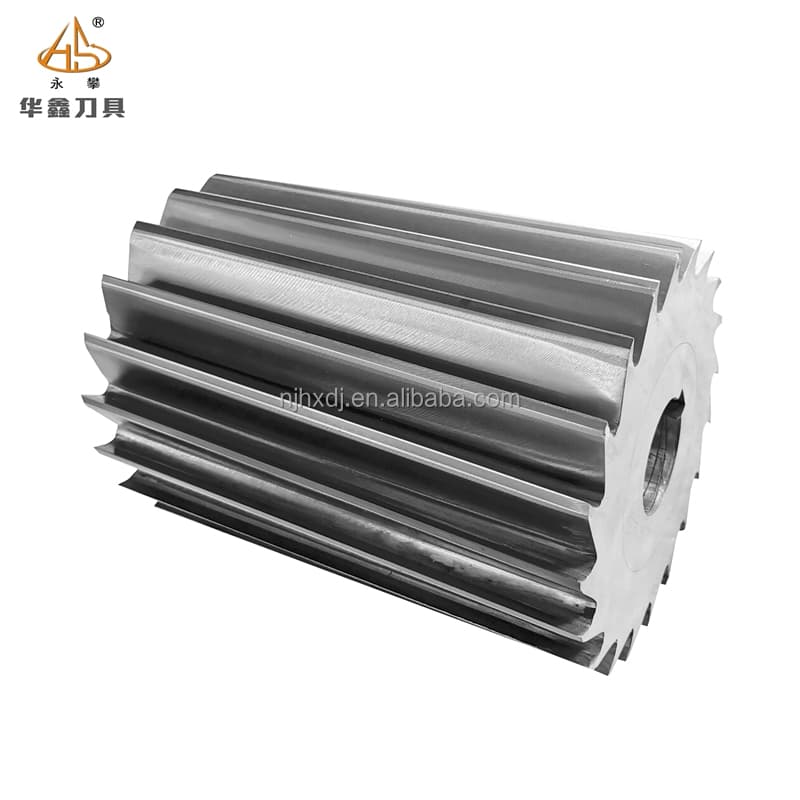
PPB-008
Cuchilla para peletizado por hebra o cara de matriz
Cuchilla de peletizadora para tareas habituales de cuchillas de peletizadora. Materiales comunes: D2 / SKD11 / M2 / HSS. Usos frecuentes: Peletizado por hebra / Peletizado de cara de matriz / Producción de pellets reciclados.
Categorías relacionadas
Artículos relacionados
Preguntas frecuentes sobre cuchillas para reciclaje de película de PE
¿Qué cuchillas se utilizan normalmente en una línea de reciclaje de película de PE?+
¿Por qué las cuchillas para película de PE fallan de manera diferente a las cuchillas para plástico rígido?+
¿Necesitamos reemplazar las cuchillas de bancada o las piezas de acoplamiento junto con las cuchillas del rotor?+
¿Pueden cotizar cuchillas para reciclaje de película a partir de muestras antiguas o fotografías?+
¿Están disponibles las cuchillas para compactador de corte y las cuchillas para peletizadora compatibles con EREMA?+
¿Gestionan pedidos de exportación para recicladores de film en el Sudeste Asiático?+
¿Necesita cuchillas para reciclaje de film de PE adaptadas a la etapa real de su línea?
Envíe la foto de la cuchilla actual, la etapa de la máquina, la condición de alimentación y el síntoma principal que observa. Podemos revisar las posiciones de la trituradora, compactador, granulador, contracuchilla o peletizadora y sugerir la ruta de reemplazo más adecuada.