
ปัญหาทั่วไปในสายการผลิตยางที่อยู่เบื้องหลังการขอใบเสนอราคา (RFQ)
- •ใบมีดขั้นต้นสึกหรอเร็วขึ้นหลังจากโรงงานเปลี่ยนส่วนผสมของยางหรือเป้าหมายผลผลิต แต่ใบเสนอราคา (RFQ) ยังคงระบุเพียงรูปทรงเดิม
- •ชิปที่ผ่านการย่อยขั้นที่สองในปัจจุบันมีลวดปนเปื้อนมากขึ้นหรือป้อนเข้าเครื่องบดเม็ดได้สม่ำเสมอน้อยลง แม้ว่าโรงงานจะเปลี่ยนใบมีดเพียงกลุ่มเดียวก็ตาม
- •อุณหภูมิของเครื่องบดละเอียด (Granulator) ปริมาณฝุ่นผง หรือความสม่ำเสมอของเศษวัสดุเกิดการเปลี่ยนแปลง แต่ผู้ซื้อไม่แน่ใจว่าปัญหาการจัดซื้อที่แท้จริงนั้นเริ่มต้นจากกระบวนการต้นน้ำหรือไม่
- •ทีมซ่อมบำรุงมีตัวอย่างที่สึกหรอและภาพถ่ายห้องบด แต่ไม่มีแบบวาดที่สมบูรณ์สำหรับขั้นตอนการย่อย (Shredder) การฉีก (Rasper) หรือการบดละเอียด (Granulator)
ข้อสรุปของผู้ซื้อ: มีดสำหรับรีไซเคิลยางควรได้รับการเสนอราคาตามขั้นตอนของเครื่องจักรและเป้าหมายของผลิตภัณฑ์ปลายทาง
USTMAแสดงให้เห็นว่ายางรีไซเคิลถูกนำไปใช้ในตลาดปลายทางที่แตกต่างกัน ตั้งแต่เชื้อเพลิงจากยางใช้แล้ว (Tire-derived fuel) และงานวิศวกรรมโยธา ไปจนถึงผลิตภัณฑ์ขึ้นรูปและพื้นสนามกีฬาสนามเด็กเล่น ตลาดเหล่านั้นให้ผลตอบแทนที่แตกต่างกันในด้านปริมาณงาน คุณภาพของชิ้นงาน การแยกลวดเหล็ก และความสะอาดของเม็ดพลาสติก/ยาง นั่นหมายความว่าการขอใบเสนอราคา (RFQ) ที่จริงจังควรระบุว่าสายการผลิตต้องการจำหน่ายผลิตภัณฑ์อะไร ไม่ใช่เพียงแค่ระบุว่ามีดรุ่นใดที่ใส่กับเครื่องจักรได้
หน้าการใช้งานยางรถยนต์ของ UNTHAและหน้าการใช้งานระบบรีไซเคิลยางรถยนต์ของ Genoxต่างนำเสนอการแปรรูปยางว่าเป็นระบบที่แบ่งเป็นขั้นตอนมากกว่าการซื้อมีดเพียงอย่างเดียว สำหรับผู้ซื้อ ข้อสรุปในทางปฏิบัติคือเรื่องง่าย: มีดสำหรับเครื่องย่อยขั้นต้น (Primary shredder) มีดสำหรับขั้นตอนการแยกวัสดุ (Secondary liberation) และมีดสำหรับเครื่องบดละเอียด (Granulator) ควรได้รับการเสนอราคาตามหน้าที่ของแต่ละขั้นตอนและเป้าหมายของผลผลิต ไม่ใช่เสนอราคาเป็นกลุ่มอะไหล่ที่ไม่มีความแตกต่างกัน
ความเหมาะสมตามขั้นตอนของเครื่องจักร: การย่อยขั้นต้น การแยกวัสดุขั้นที่สอง และการบดละเอียด เป็นบริบทการใช้งานที่แตกต่างกัน
การย่อยขั้นต้นมักเป็นงานลดขนาดที่ต้องใช้แรงบิดสูง คำถามเชิงพาณิชย์ในขั้นตอนนี้ไม่ได้มีเพียงแค่ว่าใบมีดมีอายุการใช้งานนานเท่าใด แต่ยังรวมถึงขั้นตอนนี้สามารถส่งต่อวัสดุไปยังเครื่องจักรลำดับถัดไปได้อย่างเหมาะสมหรือไม่กรณีศึกษาการย่อยยาง OTR รุ่น T160 ของ SSIมีประโยชน์เนื่องจากเป็นการกำหนดกรอบการลดขนาดยางขนาดใหญ่โดยเน้นที่การลดขนาดเป็นขั้นตอน แทนที่จะอ้างถึงใบมีดแบบครอบจักรวาลเพียงชุดเดียว
การย่อยขั้นที่สองและการบดละเอียด (Rasping) จะเน้นไปที่ประสิทธิภาพในการแยกวัสดุออกจากกันมากขึ้นหน้า SR900 ของ SSIอธิบายถึงตะแกรงที่เปลี่ยนได้ ทั่งที่นำกลับมาใช้ใหม่ได้ และการเปลี่ยนใบมีดที่รวดเร็วในขั้นตอนการลดขนาดยางขั้นที่สอง สำหรับผู้ซื้อ นั่นหมายความว่าในใบคำขอเสนอราคา (RFQ) ควรระบุว่าปัญหาที่พบคือการสึกหรอของห้องย่อย เศษวัสดุไม่สะอาด มีลวดปนเปื้อนมากเกินไป หรือการป้อนวัสดุเข้าสู่กระบวนการแยกเหล็กและกระบวนการทำเม็ดไม่เสถียร
การทำเม็ด (Granulation) นั้นแตกต่างออกไป เมื่อโรงงานต้องการเม็ดพลาสติกหรือผงยางที่สะอาดขึ้น สภาพของใบมีดแบบตายตัว ความร้อน ปริมาณฝุ่นผง และความสม่ำเสมอในการป้อนวัสดุจะมีความสำคัญมากขึ้น นั่นคือเหตุผลที่ควรพิจารณาหน้านี้ควบคู่ไปกับหน้าโซลูชันการรีไซเคิลยางรถยนต์และของเราคู่มือการขอใบเสนอราคา (RFQ) สำหรับการรีไซเคิลยาง.
ตำแหน่งของกลุ่มใบมีดเหล่านี้ในสายการรีไซเคิลยางรถยนต์และยางพารา
สายการรีไซเคิลเศษยางรถยนต์โดยทั่วไปจะใช้กลุ่มใบมีดตัดหลายประเภทในโรงงาน ผู้ซื้อควรระบุให้แน่ชัดว่าใบมีดดังกล่าวอยู่ในกลุ่มใดก่อนที่จะเปรียบเทียบราคา
- ใบมีดสำหรับเครื่องย่อยแบบเพลาคู่มักเกี่ยวข้องกับการย่อยลดขนาดเศษยางหยาบ การป้อนวัสดุขนาดใหญ่ และการใช้งานในขั้นตอนแรกที่ต้องการความทนทานสูง
- ใบมีดสำหรับเครื่องย่อยอุตสาหกรรมทั่วไปมักพบในขั้นตอนการลดขนาดหรือการแยกวัสดุในขั้นตอนที่สอง ซึ่งความสะอาดของผลผลิตและสภาพของชิ้นส่วนรองรับมีความสำคัญมากขึ้น
- ใบมีดสำหรับเครื่องบดยาง (Granulator)มีความสำคัญเมื่อโรงงานต้องการผลผลิตที่เป็นเม็ดสะอาด ขนาดเศษที่ควบคุมได้ หรือวัตถุดิบยางผงสำหรับการแยกและตกแต่งในขั้นตอนถัดไป
สำหรับแนวทางการเลือกผลิตภัณฑ์ที่ใกล้เคียงที่สุด โปรดเปรียบเทียบกับใบมีดเครื่องย่อยแบบเพลาคู่,ใบมีดเครื่องย่อยทั่วไป, และมีดสำหรับเครื่องแกรนูลเลเตอร์หมวดหมู่ จากนั้นเปิดดูชิ้นส่วนตัวอย่าง เช่นใบมีดเครื่องย่อยแบบเพลาคู่สำหรับรีไซเคิลยาง,ใบมีดเครื่องย่อยยาง, และใบมีดอินเสิร์ทสำหรับเครื่องบดยาง.
เป้าหมายเชิงพาณิชย์ต้องมาก่อน: TDF/TDA, ชิป, วัสดุคลุมดิน, เม็ดพลาสติก/ยาง และผงยาง ไม่ได้ใช้กลยุทธ์การเลือกมีดแบบเดียวกัน
สายการผลิตที่จำหน่าย TDF/TDA อาจเน้นการเพิ่มปริมาณงาน (throughput) การทำงานที่ทนทานของห้องย่อย และต้นทุนการบำรุงรักษาที่คาดการณ์ได้ ส่วนสายการผลิตที่จำหน่ายชิปที่สะอาดกว่าเพื่อนำไปสู่กระบวนการแยกโลหะ วัสดุคลุมดิน หรือยางผง อาจให้ความสำคัญกับรูปร่างของผลผลิตที่ได้ ปริมาณลวดที่ติดไปกับยาง และภาระงานที่เสถียรของเครื่องจักรในขั้นตอนถัดไป ความแตกต่างเชิงพาณิชย์เหล่านี้ควรระบุไว้ในใบเสนอราคา (RFQ)
UNTHAเชื่อมโยงการรีไซเคิลยางเข้ากับ TDF/TDA, ชิป, วัสดุคลุมดิน, เม็ดพลาสติก/ยาง และผงยางอย่างชัดเจนGenoxเชื่อมโยงการลดขนาดแบบเป็นขั้นตอนเข้ากับการแยกเหล็กและผลผลิตยางที่สะอาดกว่า มุมมองอย่างเป็นทางการทั้งสองนี้ช่วยให้ผู้ซื้อตัดสินใจได้ว่าเป้าหมายการจัดซื้อที่ถูกต้องคือต้นทุนใบมีดต่อตันที่ต่ำลง การแยกวัสดุที่ดีขึ้น เม็ดวัสดุที่สะอาดขึ้น หรือการส่งต่องานไปยังเครื่องจักรตัวถัดไปที่มีประสิทธิภาพมากขึ้น
หากปัญหาทางธุรกิจในปัจจุบันคือเรื่องปริมาณลวดที่ติดไปกับยาง ความร้อนของยางผง หรือความเสถียรของเครื่องย่อย ใบเสนอราคา (RFQ) ควรระบุสิ่งเหล่านี้โดยตรงแทนที่จะนำเสนองานในฐานะการเปลี่ยนใบมีดทั่วไป การเสนอราคาตามขั้นตอนของเครื่องจักรโดยไม่มีเป้าหมายของผลิตภัณฑ์ปลายทางมักจะแคบเกินกว่าที่จะเป็นประโยชน์ในเชิงพาณิชย์
บันทึกการเลือกใช้งานจริงสำหรับผู้ซื้อ ทีมบริการ และตัวแทนจำหน่ายอะไหล่ระดับภูมิภาค
โครงสร้างการเสนอราคาที่ปลอดภัยที่สุดคือการแบ่งงานออกเป็น การเปลี่ยนทดแทนโดยตรง, การตรวจสอบใบมีดพร้อมส่วนรองรับ, หรือการตรวจสอบในระดับขั้นตอนที่กว้างขึ้น การเปลี่ยนทดแทนโดยตรงจะเหมาะสมเมื่อห้องบดอยู่ในสภาพสมบูรณ์และโรงงานต้องการเพียงอะไหล่สำหรับช่วงหยุดซ่อมบำรุง การตรวจสอบใบมีดพร้อมส่วนรองรับจะเหมาะสมในกรณีที่ตัวยึด ทั่ง หรือตำแหน่งติดตั้งตายตัวอาจส่งผลต่อผลผลิตในขณะนี้ ส่วนการตรวจสอบในระดับขั้นตอนจะเหมาะสมเมื่อปัญหาที่พบรวมถึงเศษวัสดุที่ไม่สะอาด การแยกวัสดุที่ไม่เสถียร หรือการทำงานของเครื่องจักรในขั้นตอนถัดไปที่มีความร้อนสูงขึ้น
สำหรับตัวแทนจำหน่ายและทีมซ่อมบำรุง การระบุว่าคำขอนั้นเป็นความต้องการเร่งด่วนสำหรับช่วงหยุดซ่อมบำรุง, การทดสอบการผลิตเป็นชุด, หรือโปรแกรมการสั่งซื้ออะไหล่ซ้ำ จะช่วยให้ซัพพลายเออร์ตัดสินใจได้ว่าลูกค้าต้องการรูปทรงใบมีดที่มีอยู่เดิมที่ใกล้เคียงที่สุด, การตรวจสอบจากตัวอย่างที่สึกหรอ, หรือการหารือเรื่องความเหมาะสมของห้องบดที่ชัดเจนยิ่งขึ้นก่อนที่จะเริ่มดำเนินการตัดเหล็ก
หากสายการผลิตของคุณมีการแปรรูปยางอุตสาหกรรมผสมนอกเหนือจากยางรถยนต์หมดอายุเพียงอย่างเดียว โปรดแจ้งให้ทราบตั้งแต่ต้น การผสมยาง, การเปลี่ยนแปลงส่วนผสมของยาง, หรือการเปลี่ยนไปสู่การผลิตเม็ดพลาสติกที่สะอาดขึ้น ล้วนสามารถเปลี่ยนกลยุทธ์การยืดอายุการใช้งานใบมีดที่ปลอดภัยที่สุดได้ แม้ว่ารุ่นของเครื่องจักรจะยังคงเดิมก็ตาม
สิ่งที่ควรส่งเพื่อขอใบเสนอราคาใบมีดสำหรับยางรถยนต์และยางอุตสาหกรรมอย่างรวดเร็ว
การขอใบเสนอราคา (RFQ) ที่รวดเร็วที่สุดคือการรวมข้อมูลความเหมาะสมเข้ากับบริบทของสายการผลิต โปรดส่งรายการเหล่านี้ในอีเมลฉบับแรกหากเป็นไปได้:
- ยี่ห้อ รุ่น และหมายเลขซีเรียลของเครื่องจักร (หากทราบ)
- ขั้นตอนการทำงานที่แน่นอน: เครื่องย่อยขั้นต้น (primary shredder), เครื่องย่อยขั้นที่สอง (secondary shredder), เครื่องบดละเอียด (rasper), หรือเครื่องทำเม็ด (granulator)
- ส่วนผสมของวัสดุที่ป้อนเข้า: ยางรถยนต์นั่งส่วนบุคคล, ยางรถบรรทุก, ยางรถขุดขนาดใหญ่ (OTR), ยางผสม, หรือยางอุตสาหกรรม
- เป้าหมายเชิงพาณิชย์ในปัจจุบัน: เชื้อเพลิงจากยาง (TDF/TDA), เศษยางชิ้นใหญ่ (chips), ยางคลุมดิน (mulch), เม็ดพลาสติก (granulate), หรือผงยาง (crumb)
- รูปถ่ายของใบมีด, ตัวยึด, ทั่ง, ช่องใส่ใบมีด, หรือใบมีดแบบตายตัวที่ติดตั้งอยู่กับเครื่อง
- อาการปัจจุบัน: อายุการใช้งานสั้น, มุมบิ่น, มีเศษลวดติดค้างมากขึ้น, เครื่องร้อนขึ้น, เศษวัสดุไม่สะอาด หรือการป้อนวัสดุเข้าเครื่องบดไม่เสถียร
- ไม่ว่าคุณจะต้องการสินค้าทดแทนโดยตรง, สินค้าทดลองใช้, หรือการตรวจสอบทางเทคนิคในวงกว้าง
หากคุณมีเพียงตัวอย่างที่สึกหรอ ก็สามารถแจ้งได้โดยตรง ซึ่งเป็นเรื่องปกติในตลาดอะไหล่ทดแทนสำหรับการรีไซเคิลยางรถยนต์ ภาพถ่ายที่ดี, คำอธิบายขั้นตอนการทำงาน, และข้อร้องเรียนเกี่ยวกับกระบวนการปลายทางในปัจจุบัน มักเพียงพอสำหรับการเริ่มต้นตรวจสอบ เมื่อคุณพร้อมแล้ว โปรดส่งข้อมูลผ่านทางหน้าติดต่อเรา.
ชิ้นส่วนตัวอย่างสำหรับไลน์นี้
ใช้รูปทรงที่ใกล้ที่สุดเป็นจุดอ้างอิงในการขอราคา แล้วส่งขนาดหรือรูปมีดเก่า
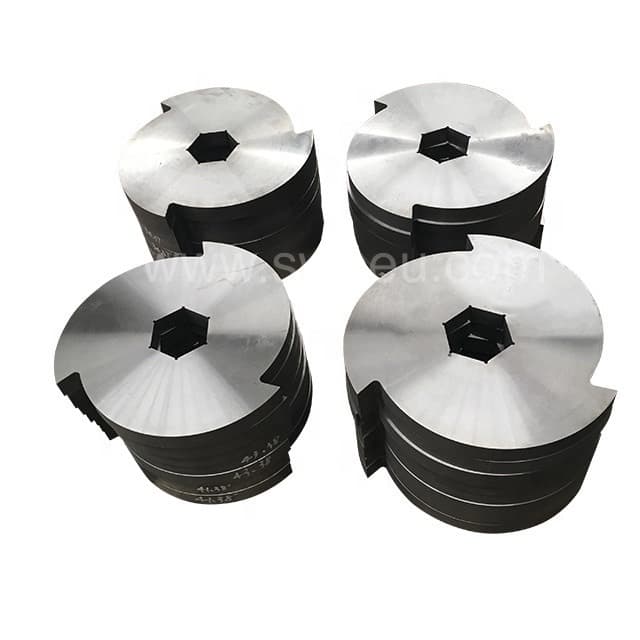
DSK-001
ใบมีดโรเตอร์สำหรับเพลาคู่
ใบมีดเครื่องย่อยเพลาคู่ สําหรับงาน ใบมีดเครื่องย่อยเพลาคู่ ทั่วไป วัสดุที่ใช้บ่อย: SKD11 / D2 / Cr12MoV. งานที่พบได้บ่อย: เครื่องย่อยเพลาคู่ / การลดขยะพลาสติกชิ้นใหญ่ / การเตรียมยางและยางล้อก่อนกระบวนการ.
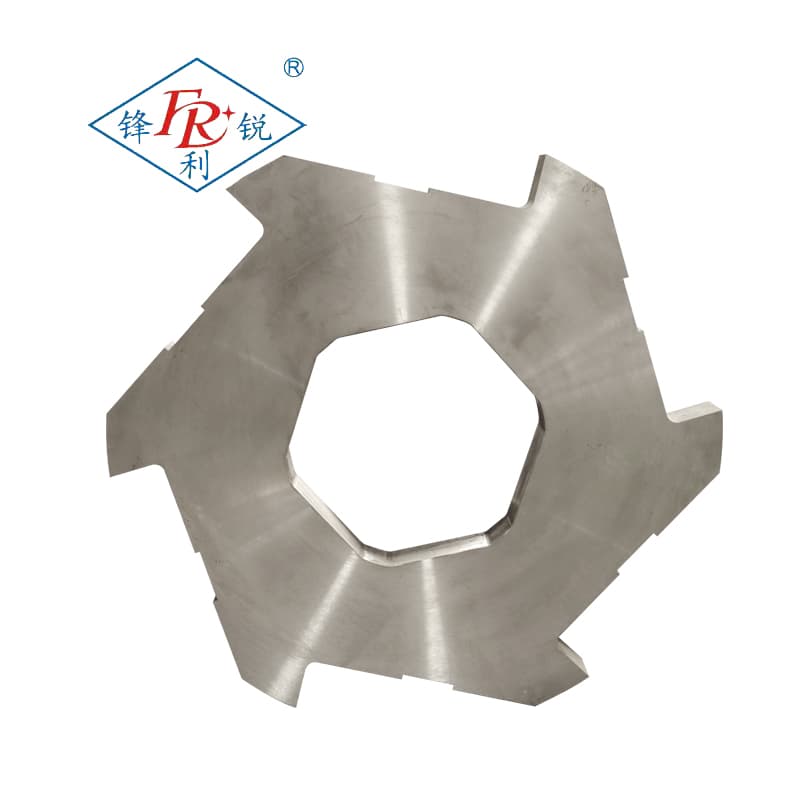
DSK-009
ใบมีดเครื่องย่อยเพลาคู่
ใบมีดเครื่องย่อยเพลาคู่ สําหรับงาน ใบมีดเครื่องย่อยเพลาคู่ ทั่วไป วัสดุที่ใช้บ่อย: D2 / alloy steel / H13 / SKD11. งานที่พบได้บ่อย: เครื่องย่อยเพลาคู่ / การลดขยะพลาสติกชิ้นใหญ่ / การเตรียมยางและยางล้อก่อนกระบวนการ.
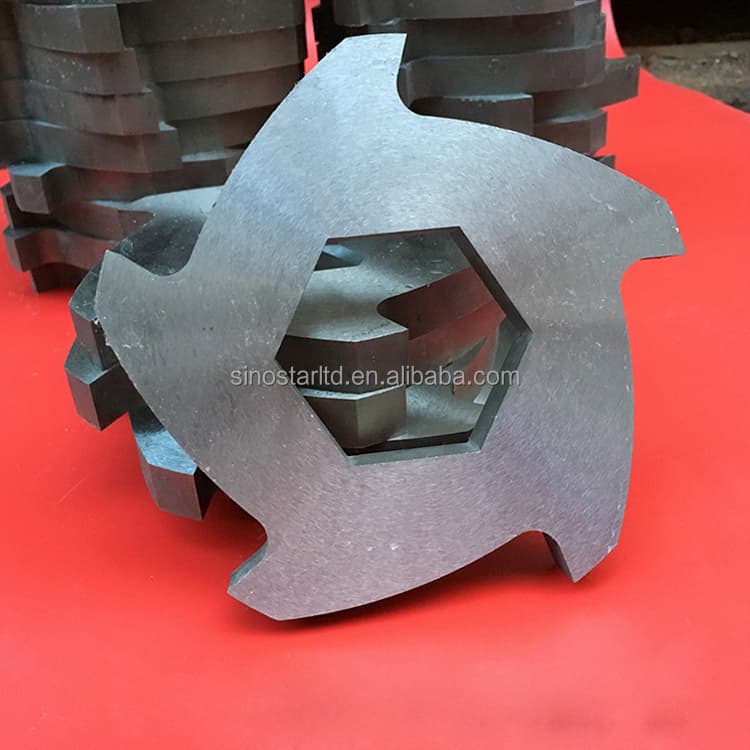
GSK-002
ใบมีดเครื่องย่อยยางและยางล้อ
ใบมีดเครื่องย่อยอเนกประสงค์ สําหรับงาน ใบมีดเครื่องย่อยอเนกประสงค์ ทั่วไป วัสดุที่ใช้บ่อย: SKD11 / Cr12MoV / 9CrSi. งานที่พบได้บ่อย: ไลน์รีไซเคิลทั่วไป / การย่อยพลาสติกและยาง / การลดเศษวัสดุผสม.
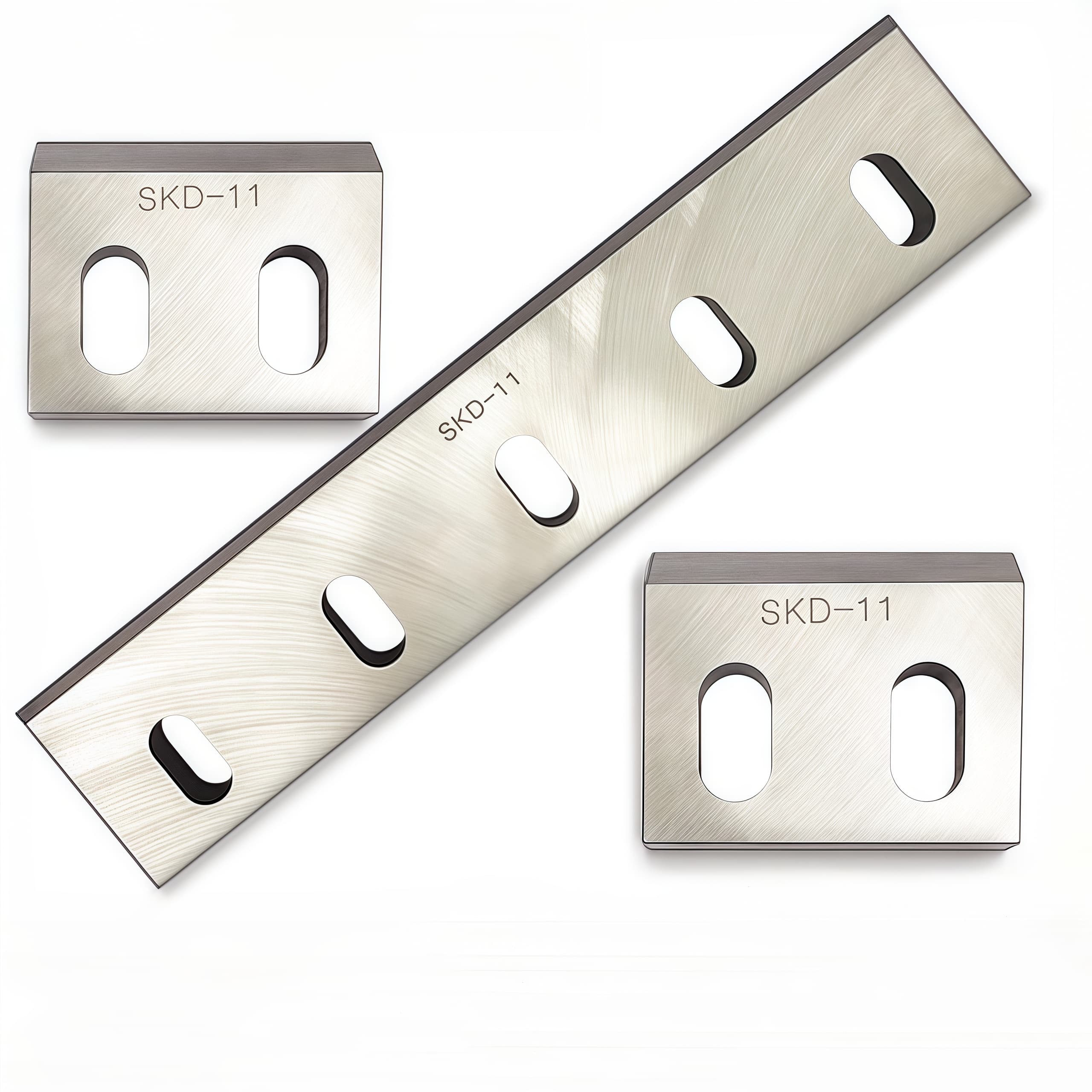
PGK-006
ใบมีดตัดกรานูเลเตอร์
ใบมีดกรานูเลเตอร์พลาสติก สําหรับงาน ใบมีดกรานูเลเตอร์พลาสติก ทั่วไป วัสดุที่ใช้บ่อย: SKD11 / D2 / HSS / 9CrSi. งานที่พบได้บ่อย: ไลน์แกรนูลพลาสติก / การตัดฟิล์มและถุงทอ / การเก็บคืนเศษขอบ.
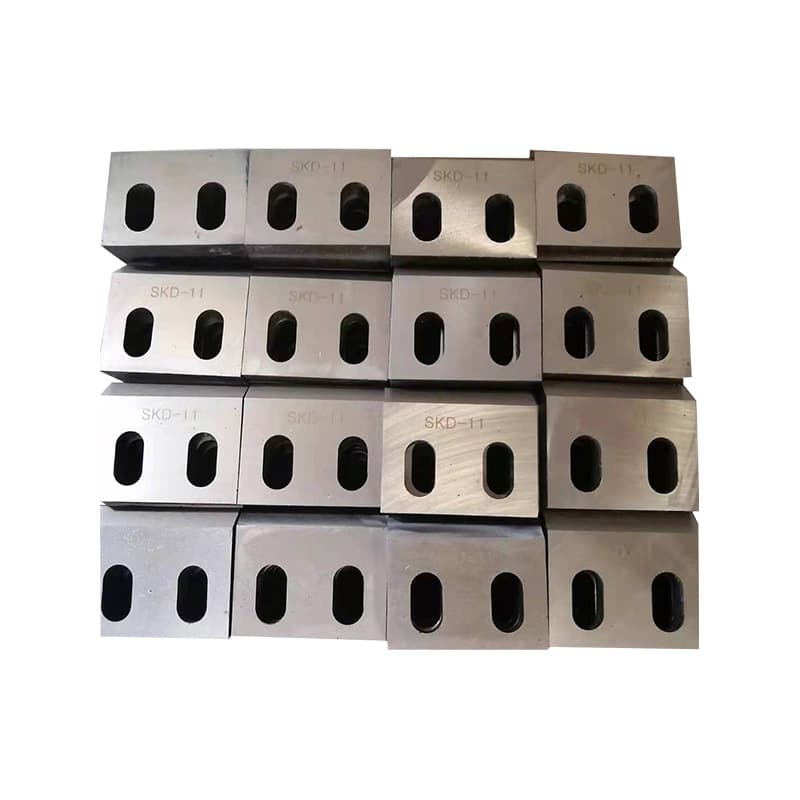
PGK-008
ใบมีดตัดกรานูเลเตอร์ (SKD11)
ใบมีดกรานูเลเตอร์พลาสติก สําหรับงาน ใบมีดกรานูเลเตอร์พลาสติก ทั่วไป วัสดุที่ใช้บ่อย: SKD11 / D2 / HSS / 9CrSi. งานที่พบได้บ่อย: ไลน์แกรนูลพลาสติก / การตัดฟิล์มและถุงทอ / การเก็บคืนเศษขอบ.
หมวดสินค้าที่เกี่ยวข้อง
บทความที่เกี่ยวข้อง
คู่มือการขอใบเสนอราคา (RFQ) สำหรับใบมีดรีไซเคิลยางรถยนต์: สิ่งที่ผู้ซื้อควรส่งก่อนสั่งซื้อใบมีดเครื่องย่อยหรือเครื่องบดละเอียด
คู่มือสำหรับผู้ซื้อที่อ้างอิงจากแหล่งข้อมูล สำหรับผู้รีไซเคิลยางรถยนต์ที่ต้องการสั่งซื้อใบมีดเครื่องย่อยขั้นต้น, ใบมีดเครื่องย่อยขั้นที่สอง, หรือใบมีดเครื่องบดละเอียดสำหรับสายการผลิต TDF, ชิป, วัสดุคลุมดิน, เม็ดยาง, หรือผงยาง
อ่านบทความการทำดัชนีใบมีด shredder เพลาเดี่ยว: คู่มือ RFQ สำหรับผู้ซื้อ
คู่มือสำหรับผู้ซื้อที่อ้างอิงเอกสารทางการ: เมื่อใด indexing ช่วยจริง เมื่อใดสภาพ chamber สำคัญกว่า และควรส่งอะไรไปก่อนขอราคา
อ่านบทความคำถามที่พบบ่อยเกี่ยวกับใบมีดสำหรับรีไซเคิลยางรถยนต์และยางใช้แล้ว
เราควรเริ่มต้นด้วยใบมีดตระกูลใดสำหรับสายการรีไซเคิลยางรถยนต์?+
เราจำเป็นต้องระบุผลิตภัณฑ์ปลายทางในใบเสนอราคา (RFQ) หรือไม่?+
คุณสามารถเสนอราคาจากชิ้นส่วนที่สึกหรอและรูปถ่ายของห้องบดได้หรือไม่?+
เหตุใดจึงต้องระบุขั้นตอนการบดละเอียด (granulator) หากปัญหาปัจจุบันดูเหมือนจะเป็นปัญหาที่เครื่องย่อย (shredder)?+
เราควรเปรียบเทียบหน้าเว็บภายในส่วนใดบ้างก่อนส่งคำขอใบเสนอราคา (RFQ)?+
ผู้ผลิตเครื่องจักรหลักและแหล่งข้อมูลอุตสาหกรรมที่อยู่เบื้องหลังคู่มือนี้
คู่มือนี้เขียนขึ้นจากเอกสารอย่างเป็นทางการด้านการรีไซเคิลยางรถยนต์ เครื่องย่อย และกระบวนการแปรรูปขั้นปลาย โดยชุดข้อมูลแหล่งที่มาด้านล่างนี้ถูกนำมาใช้เพื่อกำหนดความเหมาะสมของขั้นตอนเครื่องจักร เป้าหมายของผลิตภัณฑ์ขั้นสุดท้าย และโครงสร้างการเสนอราคา (RFQ)
USTMA
ภาพรวมการรีไซเคิลยางรถยนต์
USTMA เชื่อมโยงยางรถยนต์รีไซเคิลเข้ากับตลาดปลายทางที่หลากหลาย ซึ่งเป็นประโยชน์ต่อผู้ซื้อในการกำหนดเป้าหมายผลผลิตและการจัดทำโครงสร้างการเสนอราคา (RFQ)
View sourceUNTHA
หน้าการใช้งานยางรถยนต์
UNTHA เชื่อมโยงกระบวนการแปรรูปยางรถยนต์เป็นขั้นตอนเข้ากับผลผลิต เช่น TDF/TDA, ชิปยาง, วัสดุคลุมดิน, ยางเม็ด และยางผง ซึ่งช่วยให้ผู้ซื้อกำหนดความเหมาะสมของขั้นตอนการผลิตได้
View sourceGenox
ระบบรีไซเคิลยางรถยนต์
Genox อธิบายถึงระบบที่เป็นขั้นตอนตั้งแต่การย่อยหยาบไปจนถึงการแยกเหล็กและการบดละเอียด ซึ่งสนับสนุนการเลือกขั้นตอนการใช้งานโดยตรง
View sourceSSI
Uni-Shear SR900
SSI เน้นย้ำถึงการลดขนาดเศษยางขั้นที่สองด้วยตะแกรงแบบเปลี่ยนได้ ทั่งที่นำกลับมาใช้ใหม่ได้ และการเปลี่ยนใบมีดที่รวดเร็ว ซึ่งเป็นประโยชน์สำหรับการวางแผน RFQ
View sourceSSI
T160 Tri-Shear สำหรับยาง OTR
SSI กำหนดให้การลดขนาดเศษยางที่มีความหนาแน่นสูงเป็นการลดขนาดแบบเป็นขั้นตอน โดยเน้นย้ำถึงความจำเป็นในการระบุว่า RFQ นั้นเป็นงานในขั้นตอนแรกหรือขั้นตอนการแยกส่วนในภายหลัง
View sourceต้องการให้ตรวจสอบใบมีดสำหรับยางเสียหรือยางแปรรูปโดยเทียบกับขั้นตอนการผลิตจริงของคุณหรือไม่?
โปรดส่งข้อมูลส่วนผสมของยาง ขั้นตอนของเครื่องจักร ผลผลิตที่ต้องการ รูปถ่ายชิ้นส่วนที่ติดตั้ง และปัญหาที่พบในขั้นตอนถัดไป เราสามารถตรวจสอบเพื่อเสนอชิ้นส่วนทดแทนโดยตรงหรือวิเคราะห์ปัญหาความเหมาะสมของขั้นตอนการผลิตในภาพรวมก่อนเริ่มการผลิตได้