
คู่มือการขอใบเสนอราคา (RFQ) สำหรับใบมีดรีไซเคิลยางรถยนต์: สิ่งที่ผู้ซื้อควรส่งก่อนสั่งซื้อใบมีดเครื่องย่อยหรือเครื่องบดละเอียด
หากสายการผลิตยางรถยนต์มีการใช้กระแสไฟฟ้าเพิ่มขึ้นอย่างกะทันหัน, ผลิตชิ้นยางที่สกปรกขึ้น, มีลวดเหล็กหลุดรอดไปยังเครื่องจักรตัวถัดไปมากขึ้น, หรือทำให้เครื่องบดละเอียดทำงานร้อนกว่าปกติ คำถามแรกใน RFQ ไม่ใช่ว่าเหล็กชนิดใดแข็งที่สุด แต่คำถามแรกใน RFQ คือขั้นตอนใดของเครื่องจักรที่กำลังมีปัญหาจริง และใบเสนอราคานั้นระบุถึงปัญหาของเครื่องย่อยขั้นต้น, ปัญหาการแยกชิ้นส่วนในขั้นที่สอง, หรือปัญหาในขั้นตอนการบดละเอียด
ความแตกต่างนี้มีความสำคัญในเชิงพาณิชย์ เนื่องจากเอกสารอย่างเป็นทางการด้านการรีไซเคิลยางรถยนต์ปฏิบัติต่อสายการผลิตในฐานะระบบที่แบ่งเป็นขั้นตอนอย่างสม่ำเสมอUNTHAเชื่อมโยงกระบวนการแปรรูปยางเข้ากับผลผลิต เช่น TDF, TDA, วัสดุคลุมดิน, เม็ดยาง, และผงยางGenoxแยกการย่อยหยาบ การแยกเหล็ก การควบคุมเส้นใย และการทำเป็นเม็ดออกจากกัน ผู้ซื้อที่ไม่ได้ระบุผลลัพธ์ที่ต้องการมักจะทำให้ซัพพลายเออร์แก้ปัญหาผิดจุด
ดังนั้น บทสรุปของผู้ซื้อควรอยู่ตั้งแต่เริ่มต้น: หากปัญหาคืออายุการใช้งานของใบมีดเพียงอย่างเดียว ให้เสนอราคาเฉพาะขั้นตอนที่เกิดการสึกหรอจริง หากปัญหาคือการแยกวัสดุที่ไม่ดี เศษวัสดุไม่สะอาด หรือขนาดเม็ดไม่คงที่ ให้เสนอราคาขั้นตอนนั้นควบคู่ไปกับอาการของขั้นตอนถัดไป นี่คือเหตุผลที่คู่มือนี้ระบุความเหมาะสมของขั้นตอนเครื่องจักรและเกณฑ์การเสนอราคา (RFQ) ไว้ในย่อหน้าแรก แทนที่จะทิ้งไว้ท้ายสุด

บทสรุปของผู้ซื้อ: ใบมีดสำหรับรีไซเคิลยางควรเสนอราคาตามขั้นตอนและผลลัพธ์ที่ต้องการ
USTMAแสดงให้เห็นว่ายางรีไซเคิลถูกนำไปใช้ในตลาดปลายทางที่หลากหลาย ตั้งแต่การใช้เป็นเชื้อเพลิง TDF และงานวิศวกรรมโยธา ไปจนถึงผลิตภัณฑ์ขึ้นรูปและพื้นผิวสำหรับกีฬาหรือสนามเด็กเล่น ตลาดเหล่านั้นไม่ได้ให้ผลตอบแทนกับโปรไฟล์ผลลัพธ์แบบเดียวกัน บางแห่งยอมรับเศษวัสดุที่หยาบกว่าในราคาที่ต่ำกว่า ในขณะที่บางแห่งต้องการเม็ดวัสดุที่สะอาดกว่า การแยกเหล็กที่ดีกว่า การติดค้างของเส้นใยที่น้อยกว่า หรือช่วงขนาดอนุภาคที่แคบกว่า ดังนั้นการเสนอราคา (RFQ) ควรระบุว่าสายการผลิตนี้ผลิตเพื่อขายอะไร ไม่ใช่แค่ระบุว่าใบมีดรุ่นใดที่ใส่ได้พอดี
หน้า T160 ของ SSIจัดให้ยาง OTR เป็นงานลดขนาดที่มีภาระงานสูงหน้า SR900 ของ SSIนำผู้ซื้อเข้าสู่กระบวนการย่อยขั้นที่สองด้วยตะแกรงที่เปลี่ยนได้ ทั่งที่นำกลับมาใช้ใหม่ได้ และการเปลี่ยนใบมีดที่รวดเร็ว แหล่งข้อมูลเหล่านี้มีความสำคัญเนื่องจากแสดงให้เห็นว่าสายการผลิตยางรถยนต์ไม่ได้ใช้แนวคิดใบมีดแบบสากลเพียงแบบเดียว คำถามที่ถูกต้องสำหรับผู้ซื้อคือใบเสนอราคานั้นเป็นสำหรับการตัดขั้นต้นที่เน้นงานหนัก ผลผลิตขั้นที่สองที่ควบคุมได้ หรือการป้อนเข้าเครื่องบดละเอียดที่สะอาดกว่า
นั่นคือเหตุผลที่ขนาดของเครื่องตัดแบบเดียวกันอาจมีประสิทธิภาพแตกต่างกันเมื่อโรงงานเปลี่ยนส่วนผสมของยาง เป้าหมายผลผลิต หรือกลยุทธ์การขายในขั้นตอนถัดไป ชิ้นส่วนอาจยังคงใส่กันได้ แต่ลักษณะงานเชิงพาณิชย์ได้เปลี่ยนไปแล้ว
ความเหมาะสมตามขั้นตอนของเครื่องจักร: การย่อยขั้นต้น การแยกส่วนประกอบขั้นที่สอง และการบดละเอียด เป็นปัญหาในการจัดซื้อที่แตกต่างกัน
เครื่องย่อยยางขั้นต้นมักถูกซื้อโดยพิจารณาจากความทนทานต่อแรงบิด การกัดชิ้นงานที่เชื่อถือได้ และต้นทุนต่อตันที่จัดการได้ งานของเครื่องจักรเหล่านี้คือการลดขนาดของยางทั้งเส้น โครงยางรถบรรทุก เศษยางที่มีลวดขอบยางหนา หรือแม้แต่ชิ้นส่วนยางรถยนต์ขนาดใหญ่ (OTR) ให้เป็นขนาดที่เครื่องจักรตัวถัดไปสามารถรับได้ ในขั้นตอนนี้ ใบเสนอราคา (RFQ) ควรเน้นที่ส่วนผสมของวัตถุดิบ การบรรจุในห้องย่อย จำนวนใบมีด สภาพของอุปกรณ์รองรับ และความคาดหวังของผลผลิตที่แท้จริง หากโรงงานขายเชื้อเพลิงจากยาง (TDF/TDA) ตรรกะในการซื้ออาจแตกต่างจากสายการผลิตที่มุ่งเน้นผลผลิตเม็ดยางที่สะอาด
เครื่องย่อยขั้นที่สองและเครื่องขูด (Raspers) จะเน้นไปที่ประสิทธิภาพการแยกส่วนประกอบมากกว่า เมื่อเศษยางมีลวดโผล่ออกมามากขึ้น มีความสม่ำเสมอน้อยลง หรือทำให้การป้อนเข้าสู่กระบวนการแยกเหล็กและการบดละเอียดไม่เสถียร ผู้ซื้อควรระบุอาการเหล่านั้นโดยตรงSSIเน้นย้ำถึงบทบาทของทั่ง ตะแกรง และการเปลี่ยนใบมีดที่รวดเร็วในรุ่น SR900 ในภาษาที่ใช้สำหรับใบเสนอราคา (RFQ) ในทางปฏิบัติ หมายความว่าซัพพลายเออร์ควรทราบว่าโรงงานกำลังประสบปัญหาการสึกหรอในห้องย่อย ผลผลิตคลาดเคลื่อน หรือการสึกหรอของชิ้นส่วนรองรับ นอกเหนือไปจากการสึกหรอของใบมีด
การบดละเอียดนั้นแตกต่างออกไปอีก เมื่อสายการผลิตต้องการเม็ดยางหรือผงยางที่สะอาดขึ้น ความร้อน ปริมาณฝุ่นผง การติดค้างของลวด และสภาพของใบมีดคงที่ (Fixed-knife) จะมีความสำคัญมากขึ้น นั่นคือเหตุผลที่บทความนี้ควรอ่านควบคู่ไปกับหน้าโซลูชันการรีไซเคิลยางรถยนต์และของเราคู่มือการใช้งานสำหรับขยะยางรถยนต์และยางไม่ใช่รายการอะไหล่แบบแยกส่วน
สิ่งที่ควรส่งมาในใบคำขอเสนอราคา (RFQ) ก่อนสอบถามเฉพาะราคา
การส่งใบคำขอเสนอราคา (RFQ) สำหรับมีดตัดยางที่มีความเสี่ยงต่ำและรวดเร็วที่สุด คือการรวมข้อมูลรูปทรงเรขาคณิตเข้ากับบริบทการใช้งาน โปรดส่งข้อมูลเหล่านี้ในข้อความแรกหากเป็นไปได้:
- ยี่ห้อเครื่องจักร รุ่น และหมายเลขซีเรียล (หากทราบ)
- ขั้นตอนการทำงานที่แน่ชัด: เครื่องย่อยขั้นต้น (primary shredder), เครื่องย่อยขั้นที่สอง (secondary shredder), เครื่องบดหยาบ (rasper) หรือเครื่องบดละเอียด (granulator)
- รายละเอียดของวัสดุที่ป้อนเข้าเครื่อง: ยางรถยนต์นั่งส่วนบุคคล, ยางรถบรรทุก, ชิ้นส่วนยาง OTR, ยางผสม, แก้มยาง, เศษยางที่มีลวดขอบยางหนา หรือยางผสมอื่นๆ
- เป้าหมายผลผลิตในปัจจุบัน: TDF/TDA, ชิปยาง, ยางคลุมดิน, เม็ดยาง, ผงยาง หรือผลิตภัณฑ์ปลายทางอื่นๆ
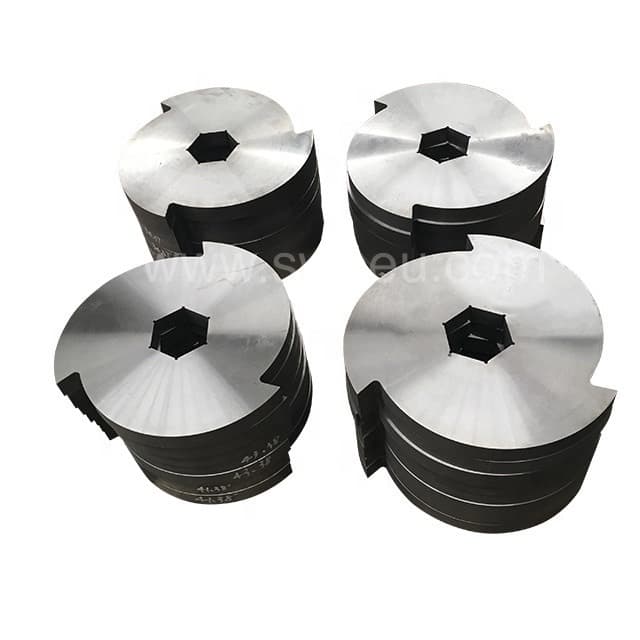
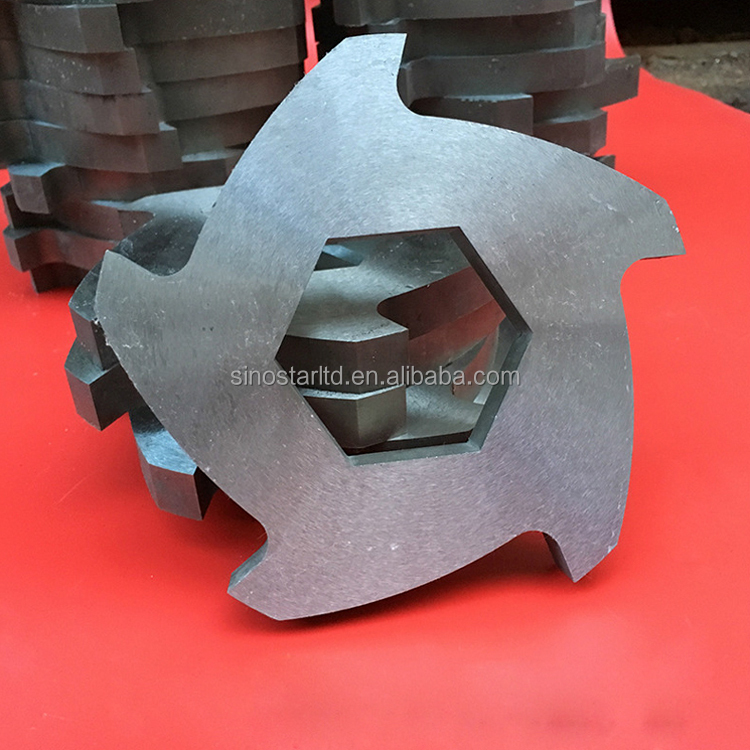
- รูปถ่ายด้านหน้า 1 รูป, รูปถ่ายด้านข้าง 1 รูป และรูปถ่ายขณะติดตั้งใบมีดหรือมีดตัด 1 รูป
- รูปถ่ายของตัวยึด (holder), เบ้ามีด (pocket), ทั่งรองมีด (anvil) หรือมีดคงที่ (fixed-knife) ในกรณีที่ชิ้นส่วนเหล่านั้นมีผลต่อการตัด
- อาการปัจจุบัน: อายุการใช้งานสั้น, มุมบิ่น, เครื่องร้อนจัด, เศษวัสดุไม่สะอาด, มีลวดติดไปกับเศษวัสดุมากขึ้น, การแยกวัสดุทำได้ไม่ดี, ชิ้นงานมีขนาดใหญ่เกินไป หรือการป้อนวัสดุเข้าเครื่องบดไม่คงที่
- ไม่ว่าคุณจะต้องการชิ้นส่วนทดแทนโดยตรง, การตรวจสอบรูปทรงจากตัวอย่างที่สึกหรอ หรือการตรวจสอบห้องบดที่กว้างขึ้น
ผู้ซื้อมักส่งเพียงความหนา, เส้นผ่านศูนย์กลางภายนอก, ความกว้าง และจำนวนสลักเกลียวหรือรูเท่านั้น ซึ่งอาจเพียงพอสำหรับตัวเลขงบประมาณเบื้องต้น แต่ไม่เพียงพอสำหรับการเสนอราคาผลิตที่มีความเสี่ยงต่ำ ในกรณีที่ห้องบดเริ่มแสดงร่องรอยการสึกหรอของฐานรองรับ, ความแปรปรวนในการป้อนวัสดุ หรือคุณภาพของผลผลิตปลายทางที่ลดลง
หากคุณไม่มีแบบวาด โปรดแจ้งให้ทราบโดยตรง ในงานรีไซเคิลยางรถยนต์หลังการขาย ชิ้นส่วนที่สึกหรอพร้อมภาพถ่ายขณะติดตั้งถือเป็นข้อมูลปกติสำหรับการเสนอราคา RFQ ที่ดีคือข้อมูลที่ให้บริบทของห้องบดเพียงพอที่จะป้องกันไม่ให้เกิดความล้มเหลวซ้ำเดิม
เหตุใดการเปลี่ยนแปลงการป้อนวัสดุจึงมีความสำคัญมากกว่าที่ผู้ซื้อมักยอมรับ
สายการผลิตที่เคยรองรับยางรถยนต์นั่งส่วนบุคคลเป็นหลัก อาจกำลังได้รับยางรถบรรทุก, วัสดุที่มีขอบลวดหนา, แก้มยางที่หนาขึ้น หรือยางอุตสาหกรรมแบบผสมมากขึ้น การเปลี่ยนแปลงเพียงอย่างเดียวนั้นสามารถเปลี่ยนภาระการกระแทก, พฤติกรรมการกัดชิ้นงาน และความคุ้มค่าของอายุการใช้งานใบมีด โดยไม่ต้องเปลี่ยนรุ่นเครื่องจักรหรือแบบวาดของห้องบด หมายเลขชิ้นส่วนอาจยังใส่กันได้ แต่เงื่อนไขทางธุรกิจไม่เหมือนเดิมอีกต่อไป
ปัญหาเดียวกันนี้เกิดขึ้นเมื่อเป้าหมายการขายเปลี่ยนไป สายการผลิตที่เคยเน้นปริมาณงานอาจถูกประเมินจากความสะอาดของเศษวัสดุหรือปริมาณลวดที่ติดไปกับเศษวัสดุน้อยลง เนื่องจากตลาดปลายทางเปลี่ยนไป ในกรณีนี้ RFQ ไม่ควรเขียนเสมือนว่าไม่มีอะไรเปลี่ยนแปลงนอกจากใบมีดที่สึกหรอ แต่ควรแจ้งให้ซัพพลายเออร์ทราบว่าโรงงานกำลังพยายามขายผลิตภัณฑ์อะไรในปัจจุบัน
นี่คือเหตุผลหนึ่งที่หน้าข้อมูลเครื่องจักรอย่างเป็นทางการยังคงมีประโยชน์สำหรับการจัดซื้อ เนื่องจากมีการเชื่อมโยงกระแสวัสดุเดียวกันเข้ากับผลผลิตในแต่ละขั้นตอนและผลลัพธ์เชิงพาณิชย์ที่แตกต่างกันอยู่เสมอ ผู้ซื้อควรทำเช่นเดียวกันใน RFQ ของตน
ขอบเขตของขั้นตอน: จุดที่ข้อร้องเรียนนั้นควรได้รับการแก้ไขอย่างแท้จริง
เมื่อฝ่ายปฏิบัติการแจ้งว่าเครื่องบด (granulator) ทำงานด้วยความร้อนสูง ฝ่ายจัดซื้ออาจสันนิษฐานว่าใบมีดของเครื่องบดจำเป็นต้องได้รับการตรวจสอบ ซึ่งบางครั้งก็เป็นเช่นนั้นจริง แต่บางครั้งเครื่องบดเพียงแค่ได้รับวัสดุป้อนเข้าที่สกปรกกว่าหรือมีความเสถียรน้อยกว่าจากเครื่องย่อย (shredder) ต้นทาง เมื่อเศษวัสดุขั้นที่สองมีลวดปนเปื้อนมากขึ้น มีความไม่สม่ำเสมอมากขึ้น หรือมีชิ้นส่วนที่มีขนาดใหญ่เกินไปมากขึ้น เครื่องบดจะมีค่าใช้จ่ายในการดำเนินงานสูงขึ้น แม้ว่ารูปทรงของใบมีดจะยังอยู่ในเกณฑ์ที่ยอมรับได้ก็ตาม
เมื่อฝ่ายซ่อมบำรุงแจ้งว่าใบมีดตัดขั้นที่หนึ่งเกิดการบิ่น ปัญหาที่แท้จริงอาจมาจากการเปลี่ยนแปลงของวัสดุป้อนเข้าหรือปัญหาการรองรับภายในห้องบด มากกว่าจะเป็นปัญหาที่เกรดของวัสดุ เมื่อทีมแยกโลหะแจ้งว่าประสิทธิภาพการแยกวัสดุลดลง วิธีแก้ไขเชิงพาณิชย์ที่แท้จริงอาจอยู่ที่ขั้นตอนก่อนการแยก ไม่ใช่ที่ตัวเครื่องแยกเอง สิ่งเหล่านี้คือการตัดสินใจในการขอใบเสนอราคา (RFQ) ไม่ใช่เพียงแค่บันทึกการแก้ไขปัญหาเท่านั้น
บทเรียนเชิงปฏิบัติคือการระบุข้อร้องเรียนของขั้นตอนถัดไปลงในคำขอใบเสนอราคา นั่นคือวิธีที่ซัพพลายเออร์จะทราบว่าควรตรวจสอบเฉพาะชิ้นส่วนที่สึกหรอที่มองเห็นได้ หรือตรวจสอบการส่งต่องานในภาพรวมที่กว้างขึ้น
บันทึกการคัดเลือกเชิงปฏิบัติสำหรับผู้ซื้อ ตัวแทนจำหน่าย และทีมบริการ
สำหรับผู้ใช้งานปลายทางโดยตรง วิธีการขอใบเสนอราคาที่ปลอดภัยที่สุดคือการแบ่งคำขอออกเป็นสามระดับ ระดับที่หนึ่งคือการเปลี่ยนทดแทนโดยตรงเนื่องจากสายการผลิตยังอยู่ในสภาพดีและความต้องการเป็นเพียงการจัดหาอะไหล่สำรองเท่านั้น ระดับที่สองคือการตรวจสอบใบมีดตัดร่วมกับตัวยึดหรือทั่ง (anvil) เนื่องจากความสึกหรอของส่วนรองรับเริ่มมองเห็นได้ชัดเจน ระดับที่สามคือการตรวจสอบขั้นตอนการทำงานเนื่องจากข้อร้องเรียนรวมถึงคุณภาพของผลผลิต ประสิทธิภาพการแยกวัสดุ หรือการเปลี่ยนแปลงของวัสดุป้อนเข้าที่ส่งผลต่อต้นทุนต่อตัน โครงสร้างนี้จะทำให้ใบเสนอมีความชัดเจนยิ่งขึ้นและลดการสั่งซื้อฉุกเฉิน
สำหรับตัวแทนจำหน่าย โปรดระบุว่าลูกค้าต้องการชุดสำหรับช่วงหยุดซ่อมบำรุง ชุดทดลอง หรือโปรแกรมอะไหล่ประจำปี ซึ่งเป็นสถานการณ์เชิงพาณิชย์ที่แตกต่างกัน ซัพพลายเออร์ควรทราบว่าคุณกำลังจับคู่กับห้องบดที่มีอยู่เดิม การตรวจสอบตัวอย่างที่สึกหรอ หรือกำลังพยายามเปลี่ยนกลยุทธ์การสึกหรอ
เมื่อคุณไม่แน่ใจว่าจะเริ่มต้นจากจุดใด ให้เลือกรายการชิ้นส่วนที่ใกล้เคียงที่สุดจากหมวดหมู่ใบมีดเครื่องย่อยแบบสองเพลา,หมวดหมู่ใบมีดเครื่องย่อยทั่วไป, และหมวดหมู่ใบมีดเครื่องบดละเอียดจากนั้นเปรียบเทียบหน้าตัวอย่าง เช่นใบมีดเครื่องย่อยแบบเพลาคู่สำหรับรีไซเคิลยาง,ใบมีดเครื่องย่อยยาง, และใบมีดอินเสิร์ทสำหรับเครื่องบดยางก่อนที่จะใช้แบบฟอร์มขอใบเสนอราคา (RFQ).
คำถามที่พบบ่อย
ฉันจำเป็นต้องระบุผลิตภัณฑ์ปลายทางหรือไม่ หากฉันต้องการเพียงใบมีดทดแทน?
จำเป็นครับ สายการผลิตอาจต้องใช้กลยุทธ์การใช้ใบมีดที่แตกต่างกันอย่างมากเมื่อผลิต TDF/TDA เทียบกับการผลิตเม็ดพลาสติกหรือเศษยางที่สะอาดกว่า เป้าหมายของผลผลิตเป็นส่วนหนึ่งของใบเสนอราคา (RFQ)
คุณสามารถเสนอราคาจากชิ้นส่วนที่สึกหรอและรูปถ่ายที่ติดตั้งอยู่ได้หรือไม่?
ได้ครับ นั่นเป็นเรื่องปกติในธุรกิจรีไซเคิลยางรถยนต์หลังการขาย โดยเฉพาะอย่างยิ่งเมื่อแบบวาดไม่สมบูรณ์หรือห้องบดมีการปรับปรุงแก้ไขเมื่อเวลาผ่านไป
จะทำอย่างไรหากสายการผลิตของเราประมวลผลทั้งยางรถยนต์นั่งส่วนบุคคลและยางรถบรรทุก?
โปรดระบุให้ชัดเจน การป้อนวัตถุดิบแบบผสมจะเปลี่ยนรูปแบบการสึกหรอและประสิทธิภาพต้นทุนต่อตัน แม้ว่ารูปทรงของห้องบดจะยังคงเดิมก็ตาม
ฉันควรเปรียบเทียบหน้าภายในหน้าใดบ้างกับบทความนี้?
เปรียบเทียบกับหน้าโซลูชันการรีไซเคิลยางรถยนต์,คู่มือการใช้งานสำหรับขยะยางรถยนต์และยาง,ใบมีดเครื่องย่อยแบบเพลาคู่หมวดหมู่,ใบมีดเครื่องย่อยทั่วไปหมวดหมู่, และหน้าติดต่อเรา.
แหล่งข้อมูลหลัก
บทความนี้เป็นการสังเคราะห์ข้อมูลจากฝั่งผู้ซื้อโดยตรง ซึ่งจัดทำขึ้นจากเอกสารอย่างเป็นทางการด้านการรีไซเคิลยางรถยนต์และเครื่องย่อยทำลาย ป้ายกำกับด้านล่างนี้มีความเป็นกลางและระบุแหล่งที่มาไว้ใน URL