
Các vấn đề về RFQ thay thế OEM mà trang này nhằm mục đích giải quyết
- •Thương hiệu máy gốc đã được biết đến, nhưng nhà máy không còn bản vẽ hoàn chỉnh hoặc mã phụ tùng cho dao
- •Lưỡi dao thay thế vừa với các lỗ, nhưng chất lượng đầu ra, khe hở dao hoặc tuổi thọ công cụ vẫn không ổn định sau khi khởi động
- •Người mua đang so sánh các vị trí máy của Rapid, Tria, EREMA, BKG, ZERMA hoặc các loại máy khác và cần một quy trình kiểm tra độ tương thích thực tế
- •Đại lý hoặc đội ngũ bảo trì cần một danh sách kiểm tra RFQ ngắn gọn để báo giá cho các máy cũ và xuất khẩu phụ tùng thay thế nhanh chóng
Tại sao các RFQ thay thế dao tái chế OEM cần nhiều thông tin hơn là chỉ tên phụ tùng
Đối với nhiều dây chuyền tái chế, vấn đề mua hàng không đơn thuần là "tìm một nhà cung cấp dao". Đó là "thay thế một con dao chuyên dụng cho máy đã bị mòn mà không làm mất đi độ khít, khe hở và độ ổn định khi cắt". Các trang dịch vụ chính thức từ EREMA, ZERMA, Rapid và MAAG đều chỉ ra cùng một thực tế: việc lựa chọn phụ tùng thay thế phụ thuộc vào bản vẽ, hình học của giá đỡ, khả năng tiếp cận dụng cụ và thiết lập bảo trì, chứ không chỉ dựa vào kích thước bên ngoài.
Đó là lý do tại sao hướng dẫn này tập trung vào quy trình thay thế OEM cho dao máy tạo hạt, dao máy băm, dao tĩnh (bed knives), dao máy nén cắt và lưỡi dao máy tạo viên. Nếu đội ngũ của bạn có lưỡi dao cũ, ảnh chụp đế dao hoặc kiểu máy nhưng không có bản vẽ CAD đầy đủ, yêu cầu báo giá (RFQ) vẫn cần đủ bối cảnh kỹ thuật để đảm bảo an toàn cho việc lắp đặt và vận hành.
Để có danh sách rút gọn ban đầu, hãy so sánh cácdao tĩnh máy tạo hạt,lưỡi dao máy tạo viên, vàdao máy nén cắtở phía trên thay vì bắt đầu từ một trang danh mục chung chung.
Vị trí thường thấy của dao thay thế OEM trong các dây chuyền tái chế
Dao thay thế thường được yêu cầu ở giai đoạn máy mà việc tiếp cận dụng cụ, căn chỉnh dao đối diện hoặc điều chỉnh lưỡi dao đã làm chậm quá trình bảo trì. Rapid làm nổi bật khả năng tiếp cận toàn bộ buồng cắt để thay thế dao trên các máy nghiền dạng mở, ZERMA liên kết dao máy nghiền sắc bén và thiết lập khe hở cắt chính xác với sản lượng tốt hơn và mức tiêu thụ điện năng thấp hơn, và MAAG mô tả việc điều chỉnh lưỡi dao tự động hoặc thủ công như một phần của sự ổn định quy trình máy tạo hạt.
- Dao rotor và dao tĩnh máy nghiềncho Rapid, Tria, ZERMA và các bố trí buồng tương tự, nơi tiếp xúc đế và kiểm soát khe hở quyết định chất lượng tái nghiền cuối cùng.
- Dao cắt máy băm trục đơnnơi dao vuông có thể xoay, giá đỡ dao hoặc cách bố trí dao đối diện phải khớp với hốc rotor.
- Dao máy nén cắt và máy tạo hạttrên các vị trí tương thích với EREMA hoặc kiểu BKG, nơi người mua phải xác nhận kiểu giá đỡ, bề mặt mài mòn và lộ trình điều chỉnh lưỡi dao.
Kiểm tra độ vừa vặn, thép và xử lý nhiệt trước khi phê duyệt lô hàng thay thế OEM
Báo giá dao tương thích với máy nên xác nhận ba điều trước khi sản xuất: hình học, hướng thép và các giả định lắp đặt. Hướng dẫn phụ tùng của ZERMA nhấn mạnh độ sắc bén của lưỡi dao và thiết lập khe hở cắt chính xác; thiết kế máy nghiền hướng dịch vụ của Rapid được xây dựng xung quanh khả năng tiếp cận dao trực tiếp; và quy trình phụ tùng BluPort của EREMA hiển thị các bản vẽ, tài liệu và lịch sử đặt hàng để giảm thiểu sai sót khi lựa chọn. Những tín hiệu đó rất quan trọng khi người mua yêu cầu "thay thế OEM" từ một bộ phận cũ.
Đánh giá hình học nên bao gồm độ dày, khoảng cách lỗ, chiều cao bậc, chiều dài lưỡi cắt, bề mặt tiếp xúc đế và liệu bộ phận đó là dao rotor, dao tĩnh, dao cắt vuông hay lưỡi dao tạo hạt. Đánh giá thép sau đó nên khớp với điều kiện cấp liệu thực tế và phương pháp mài, không chỉ là nhãn mác loại thép chung chung. Nếu nhiệm vụ là nén màng mài mòn, phế liệu cứng bẩn hoặc cắt tạo hạt với việc điều chỉnh thường xuyên, mục tiêu xử lý nhiệt có thể khác nhau ngay cả khi hình dạng bộ phận trông giống nhau.
Để có cơ sở lựa chọn thép, hãy sử dụnghướng dẫn lựa chọn lưỡi dao, sau đó xác nhận các kích thước phía máy trong quá trình báo giá.
Các lỗi thường gặp sau khi thay thế có ý nghĩa gì
Nếu một lưỡi dao thay thế mới được lắp vào nhưng dây chuyền vẫn tạo ra bụi mịn, đuôi liệu, nhiệt, tiếng ồn hoặc mòn một bên, vấn đề thường nằm ở khâu lắp đặt và thiết lập thay vì chỉ do "thép kém chất lượng". ZERMA nêu rõ rằng việc thiết lập khe hở cắt chính xác và lưỡi dao sắc bén giúp cải thiện đầu ra của máy băm và mức tiêu thụ điện năng. Mô tả hệ thống EAC của MAAG cũng cho thấy lý do tại sao việc kiểm soát vị trí lưỡi dao lại quan trọng trên máy tạo hạt: điều chỉnh cấp liệu tự động, cảnh báo thay lưỡi dao và giám sát độ rung liên quan trực tiếp đến sự ổn định của quy trình.
Đối với máy băm và dao tĩnh, đế dao bị mòn, tạp chất bị kẹt dưới dao tĩnh hoặc mục tiêu khe hở sai có thể làm hỏng lưỡi dao rotor mới. Đối với dao máy nén cắt và máy tạo hạt, kiểu giá đỡ, bề mặt kẹp và hành trình điều chỉnh có thể quan trọng không kém việc lựa chọn hợp kim. Đối với dao máy nghiền, hãy kiểm tra xem hốc rotor yêu cầu loại dao vuông có thể xoay, cấu hình lõm cụ thể hay cách bố trí dao đối ứng tương ứng trước khi sao chép kích thước một cách mù quáng.
Những thông tin cần gửi để nhận báo giá thay thế lưỡi dao tái chế OEM nhanh chóng
Một yêu cầu báo giá (RFQ) thay thế hiệu quả nên cho phép nhà cung cấp xác nhận cả hình học của bộ phận cũ và vị trí thực tế trên máy. Nếu lưỡi dao cũ đã bị mòn, ảnh chụp vẫn có thể đủ để bắt đầu, nhưng hãy bổ sung một ảnh chụp chính diện, một ảnh chụp mặt bên, một ảnh chụp vị trí tiếp xúc đế và một ảnh chụp buồng hoặc giá đỡ có thước đo trong khung hình.
- Thương hiệu và model máy, cộng với vị trí chính xác: dao rotor, dao tĩnh, dao máy nghiền vuông, dao máy nén cắt hoặc dao máy tạo hạt
- Chiều dài, chiều rộng, độ dày, đường kính lỗ, khoảng cách giữa các lỗ, chiều cao bậc và hướng vát mép
- Cho dù người mua cần thay thế OEM trực tiếp, phụ tùng tương thích hay đánh giá lại hình học từ dao cũ
- Vật liệu nạp, mức độ nhiễm bẩn, mục tiêu đầu ra và triệu chứng hiện tại sau khi lắp đặt hoặc mài
- Số lượng, quốc gia đến, kiểu đóng gói yêu cầu và bất kỳ thời hạn dừng máy nào
Nếu bạn đang yêu cầu báo giá cho phụ tùng dừng máy khẩn cấp ngay bây giờ, hãy gửi ảnh và kích thước quatrang liên hệvà ghi chú xem máy đang vận hành theo kiểu buồng Rapid, Tria, EREMA, BKG, ZERMA hay kiểu khác.
Các chi tiết tiêu biểu cho dây chuyền này
Hãy dùng hình dạng gần nhất làm tham chiếu RFQ rồi gửi kích thước hoặc ảnh dao cũ.
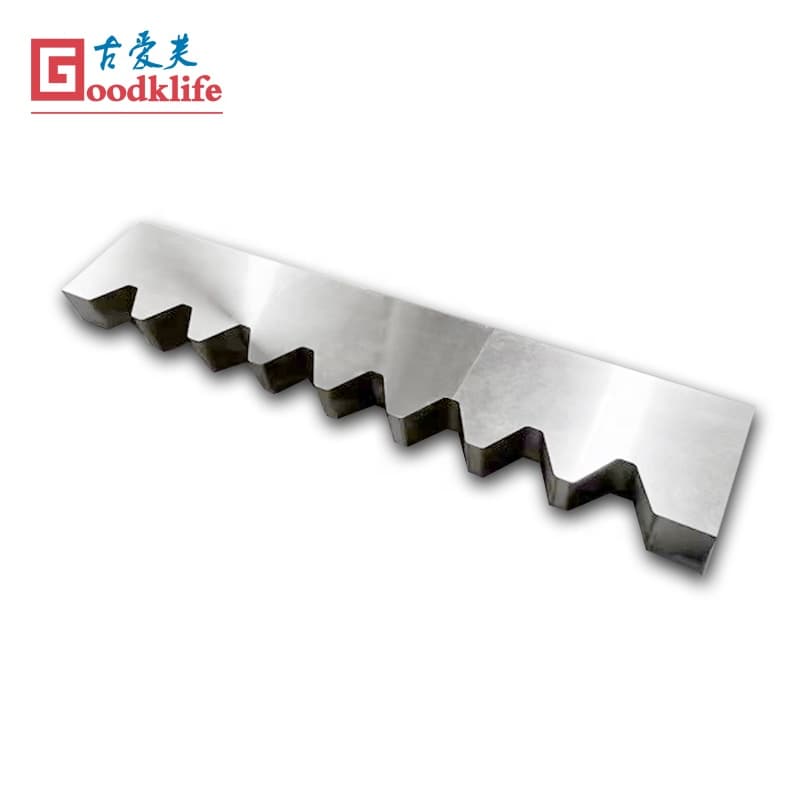
GBK-003
Dao bed và dao tĩnh granulator (Rapid / Tria)
Dao bed granulator cho nhu cầu dao bed granulator. Vật liệu thường dùng: SKD11 / D2 / HSS / tungsten carbide. Ứng dụng phổ biến: Thay dao bed / Nghiền PET và nhựa cứng / Tạo hạt màng và bao dệt.
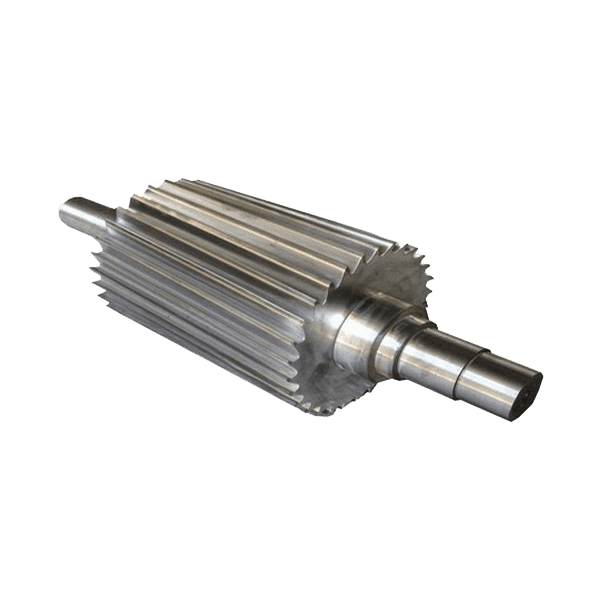
PPB-003
Dao pelletizer tương thích theo hãng (EREMA / BKG)
Dao pelletizer cho nhu cầu dao pelletizer. Vật liệu thường dùng: SKD11 / D2. Ứng dụng phổ biến: Cắt hạt dạng sợi / Cắt hạt mặt khuôn / Sản xuất hạt nhựa tái chế.
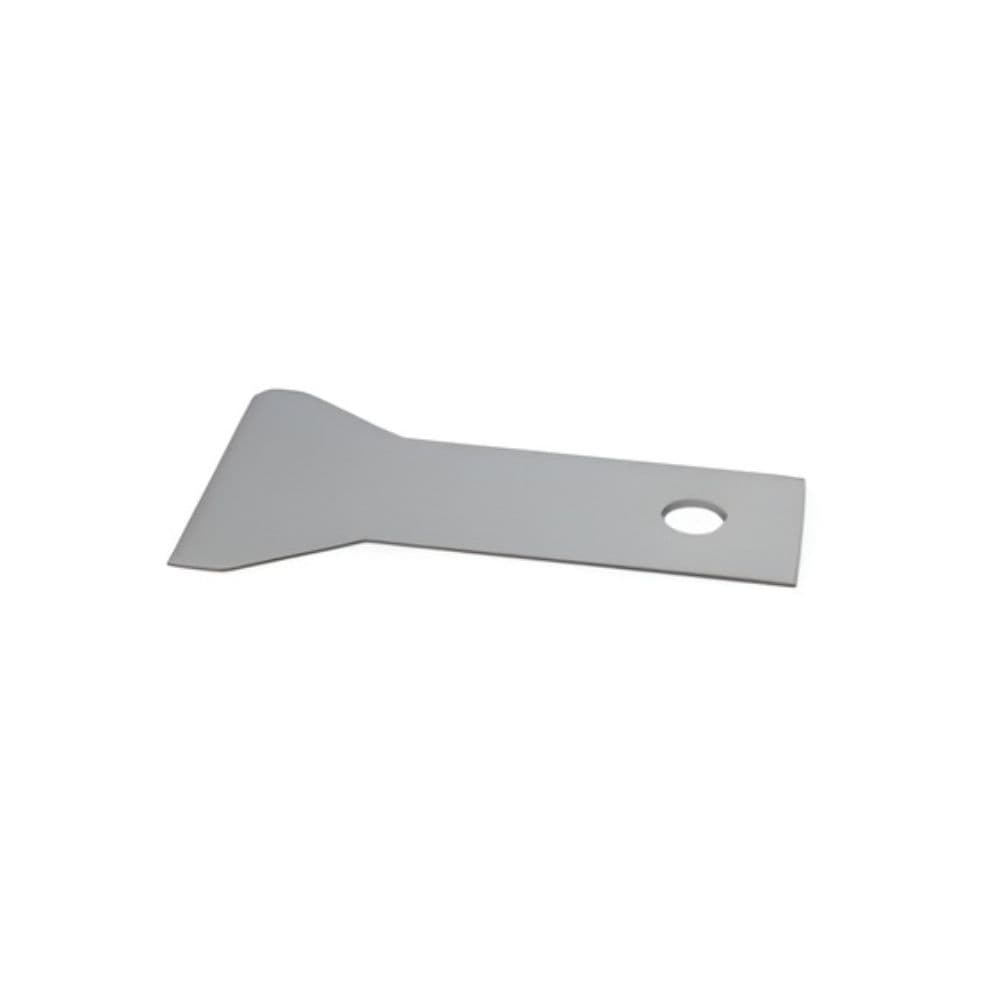
CCK-006
Dao cutter compactor (EREMA)
Dao cutter compactor cho nhu cầu dao cutter compactor / agglomerator. Vật liệu thường dùng: D2 / SKD11 / HSS / alloy steel. Ứng dụng phổ biến: Dây chuyền cutter compactor cho màng / Nén đặc và kết tụ nhựa / Nén trước khi tạo hạt.
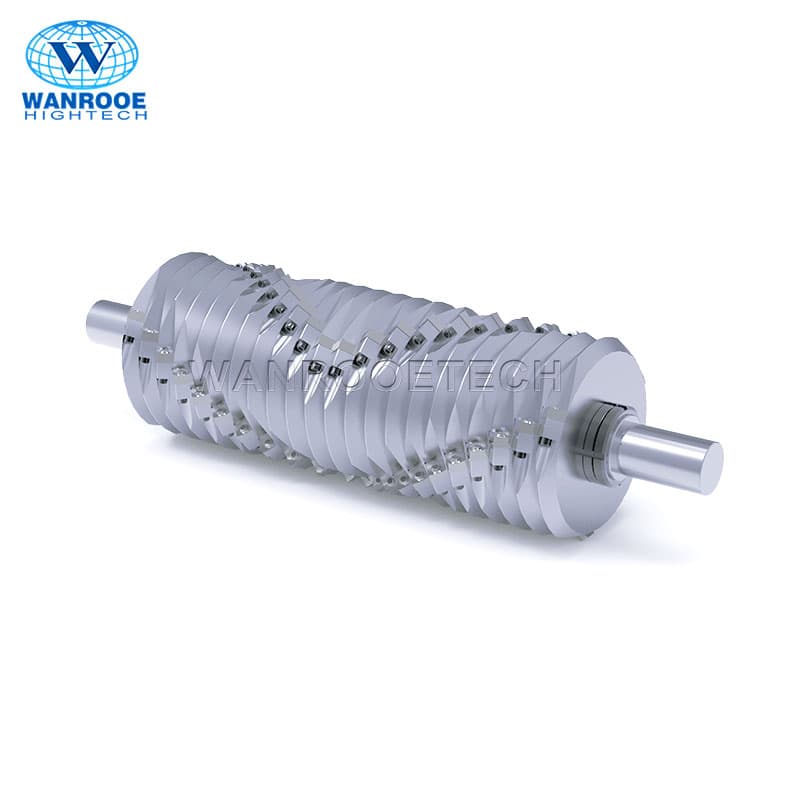
SSK-002
Dao shredder một trục
Dao shredder một trục cho nhu cầu dao shredder một trục. Vật liệu thường dùng: D2 / SKD11 / carbide-tipped alloy steel. Ứng dụng phổ biến: Máy shredder một trục / Băm màng và bao dệt / Tiền băm cao su và lốp.
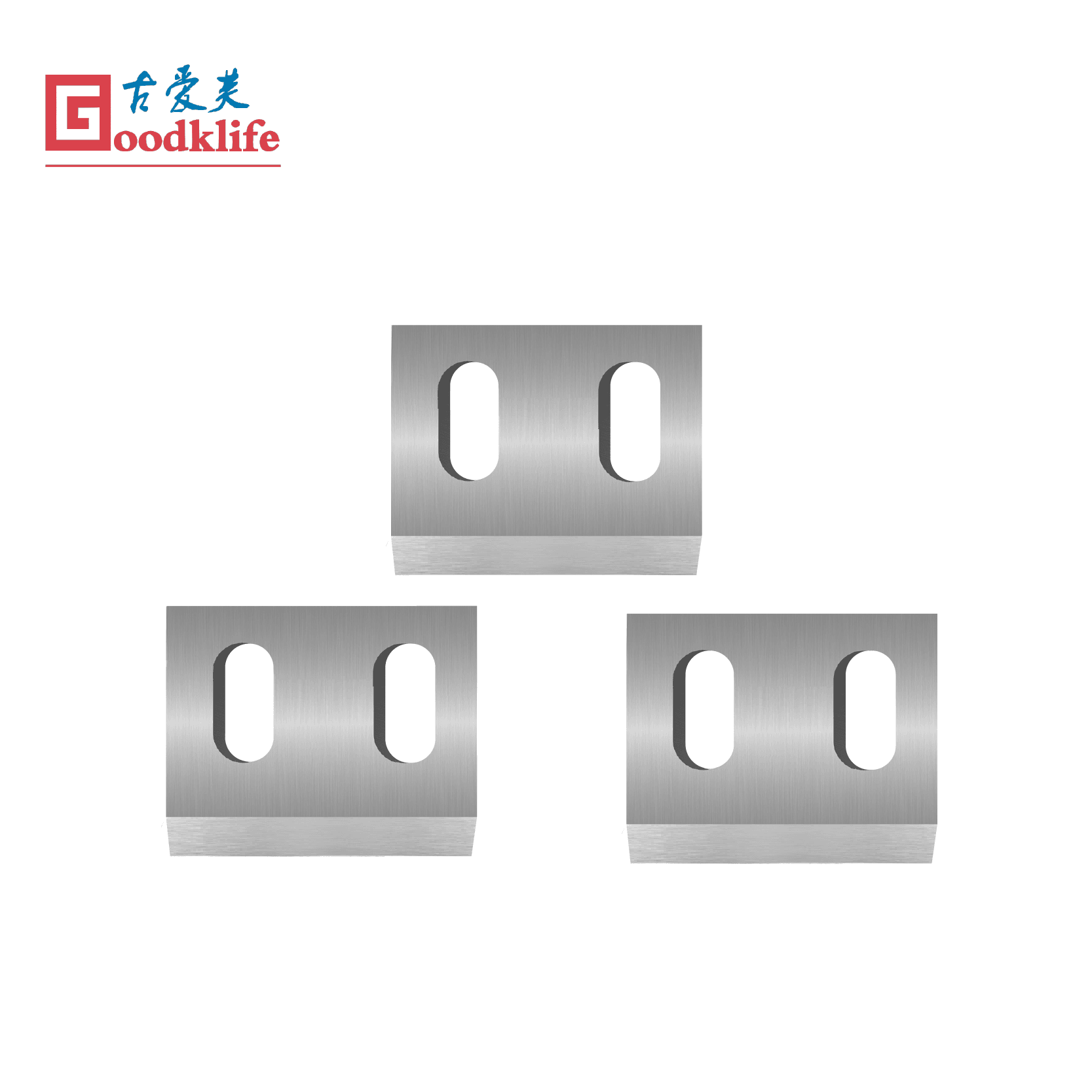
PGK-003
Dao cắt granulator
Dao granulator nhựa cho nhu cầu dao granulator nhựa. Vật liệu thường dùng: SKD11 / D2 / HSS / 9CrSi. Ứng dụng phổ biến: Dây chuyền tạo hạt nhựa / Cắt màng và bao dệt / Thu hồi mép cắt.
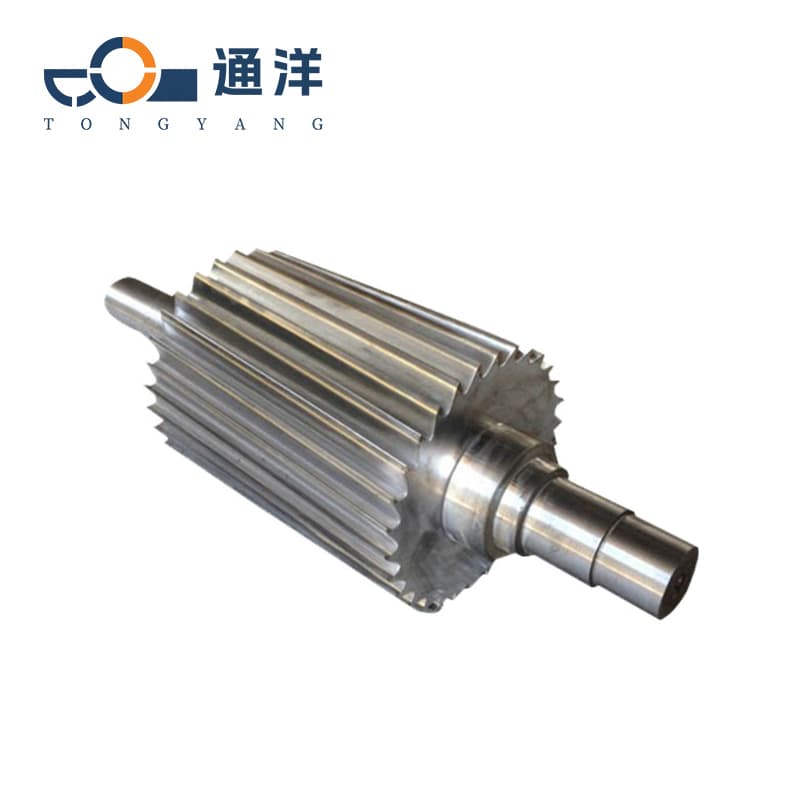
GBK-001
Dao cố định granulator
Dao bed granulator cho nhu cầu dao bed granulator. Vật liệu thường dùng: SKD11 / D2 / HSS / tungsten carbide. Ứng dụng phổ biến: Thay dao bed / Nghiền PET và nhựa cứng / Tạo hạt màng và bao dệt.
Nhóm dao liên quan
Bài viết liên quan
Câu hỏi thường gặp về dao tái chế thay thế OEM
Bạn có thể báo giá dao thay thế OEM nếu người mua chỉ có lưỡi dao cũ và ảnh máy không?+
Những vị trí máy nào thường được bao gồm trong một yêu cầu báo giá (RFQ) dao tái chế thay thế OEM?+
Tại sao một con dao thay thế có thể vừa với các lỗ nhưng vẫn hoạt động kém sau khi lắp đặt?+
Cách nhanh nhất để đại lý hoặc đội ngũ bảo trì yêu cầu báo giá là gì?+
Các tài liệu tham khảo chính thức từ OEM và dịch vụ máy móc đằng sau hướng dẫn này
Trang này sử dụng các tài liệu tham khảo chính thức về dịch vụ, phụ tùng thay thế và tạo viên/tạo hạt từ các nhà chế tạo máy để định hình cách người mua nên chỉ định dao thay thế, xác nhận độ vừa vặn của công cụ và mô tả các triệu chứng bảo trì.
EREMA
Dịch vụ
EREMA cho biết BluPort bao gồm Spare Parts Online để kiểm tra tình trạng sẵn có, giá cả và thời gian giao hàng, và các bộ phận thay thế vẫn có sẵn ngay cả đối với các máy không còn trong danh mục hiện tại như TVE hoặc COAX.
View sourceEREMA
BluPort
EREMA liệt kê các bản vẽ, tài liệu, video bảo trì và quyền truy cập phụ tùng thay thế chỉ bằng một cú nhấp chuột bên trong BluPort, hỗ trợ việc lựa chọn thay thế khi người mua cần các thông tin tham chiếu cụ thể cho máy.
View sourceZERMA
Phụ tùng hao mòn và phụ tùng thay thế
ZERMA cho biết lưỡi dao máy nghiền sắc bén và việc thiết lập khe hở cắt chính xác giúp cải thiện đầu ra cuối cùng và giảm mức tiêu thụ điện năng, đồng thời lưu ý rằng dao máy băm có thể được xoay khi một mặt bị mòn.
View sourceRapid Granulator
ThermoPRO
Rapid cho biết thiết kế mở (open-hearted) của họ giúp tiếp cận nhanh chóng, hoàn toàn vào buồng cắt và giúp việc thay thế dao trở nên dễ dàng hơn vì tất cả các dao đều có thể tiếp cận trực tiếp.
View sourceMAAG
EAC cho các hệ thống tạo hạt dưới nước
MAAG mô tả tính năng điều chỉnh cấp dao tự động, bù mòn lưỡi dao, cảnh báo thay dao và giám sát độ rung cho quá trình tạo hạt dưới nước, điều này liên quan trực tiếp đến việc thiết lập lưỡi dao thay thế và thời gian bảo trì.
View sourceMAAG
PEARLO
MAAG cho biết PEARLO hỗ trợ các ứng dụng tái chế, sử dụng tính năng điều chỉnh lưỡi dao thủ công hoặc tự động để đảm bảo tính ổn định của quy trình, và được thiết kế để kéo dài tuổi thọ dụng cụ cắt cũng như mở buồng nhanh chóng trong quá trình bảo dưỡng.
View sourceBạn cần kiểm tra một loại dao tái chế thay thế OEM so với mẫu cũ hoặc kiểu máy của bạn?
Vui lòng gửi ảnh lưỡi dao, khoảng cách lỗ, độ dày, model máy, vật liệu nạp và vị trí làm việc chính xác. Chúng tôi có thể kiểm tra các loại dao tĩnh máy băm, dao máy nghiền, dao máy nén ép và dao máy tạo hạt để thay thế trực tiếp hoặc sản xuất tương thích.