
Hướng dẫn RFQ cho dao PET thermoform: skeletal waste, startup sheet và dữ liệu buyer sẵn sàng cho quote
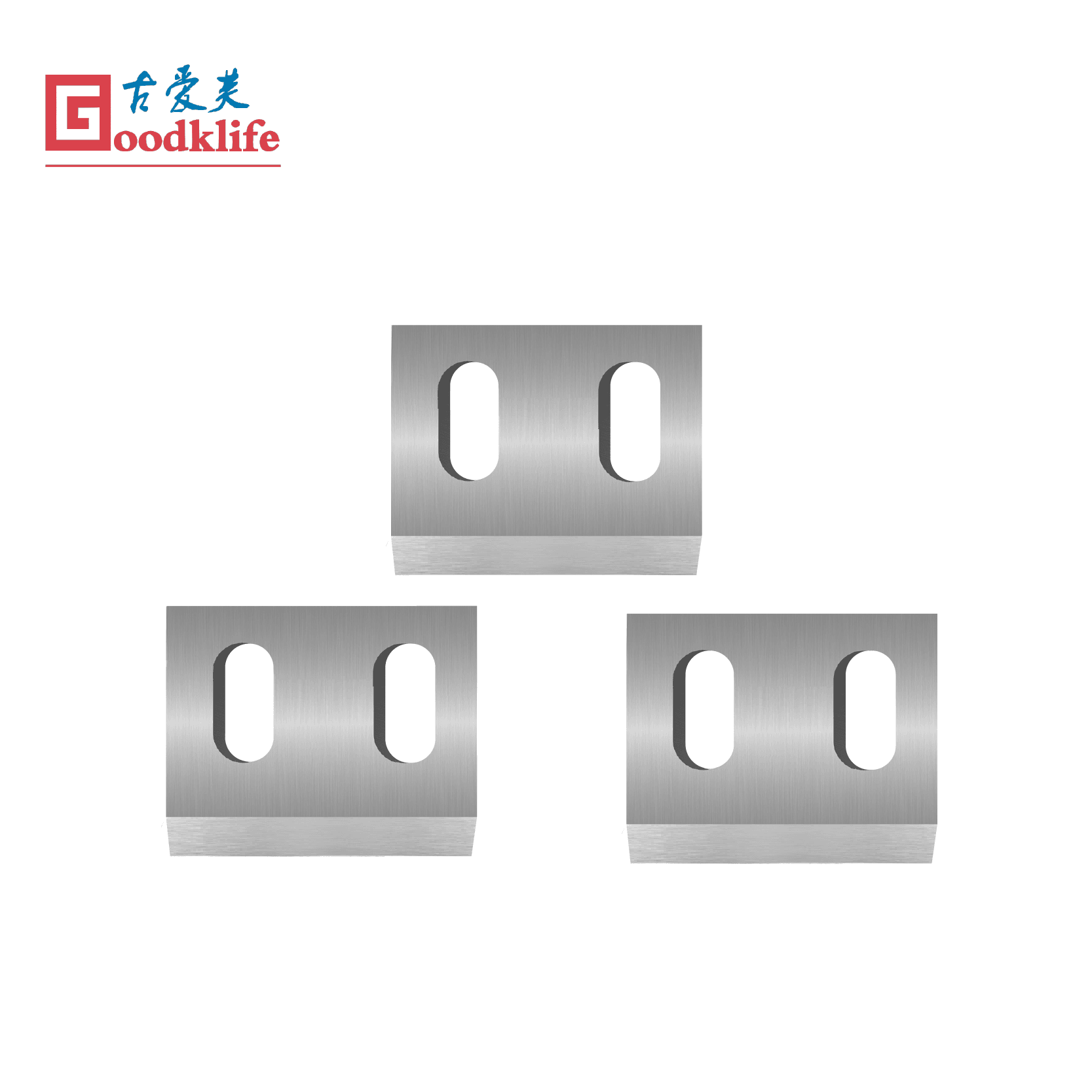
Nếu một PET thermoform recycler cần knives mới, câu hỏi đầu tiên trong RFQ thường không phải là steel nào cứng nhất. Câu hỏi đầu tiên là liệu công việc thuộc in-line thermoform skeletal waste, startup waste sheet có unpunched products, tray hoặc clamshell cleanup, hay là một downstream granulator stage đang gặp dust, noise và unstable regrind.
Logic stage fit này không chỉ là sở thích của plant. Rapid tách GT Series là “optimized for cost effective in-line granulation of skeletal waste” và ThermoPRO là “a granulator developed for low noise granulation of thermoformed skeletal waste”. Trên official thermoforming page, ThermoPRO được trình bày cho in-line recycling của startup waste sheet với unpunched products đến 200 mm và punched skeletal waste, cùng full access tới cutterhouse, knives và screen. Trên ThermoPRO product page, external loop-control version phù hợp cho unpunched products tới 80 mm mold depth, còn stand-alone loop-control version xử lý deep-draw products tới 200 mm.
Điểm thương mại rất rõ: buyer nên mô tả thermoform stage trước khi mô tả knife. Nếu line thực sự là skeletal-waste in-line loop, low-built packaging granulator hay downstream tray và clamshell cleanup stage, RFQ phải nói điều đó ngay từ tin nhắn đầu tiên. Nếu không, supplier có thể khớp dimensions nhưng vẫn quote sai commercial job.
Material identity cũng quan trọng như vậy. NAPCOR nói rằng PET thermoform packaging technically recyclable with PET bottles, nhưng most, not all, thermoforms are PET, và reclaimers thích best sorting practices với auto-sorted material nếu có thể. NAPCOR cũng nói rằng buyers có thể chấp nhận mixed bottle-and-thermoform bales hoặc dedicated PET thermoform bales. Đối với RFQ, điều đó có nghĩa buyer nên nói rõ feed đã được xác nhận là PET hay chưa, sorting đã kiểm soát look-alike contamination hay chưa, và complaint về knife thuộc clean skeletal waste, mixed thermoform feed hay later regrind stage.
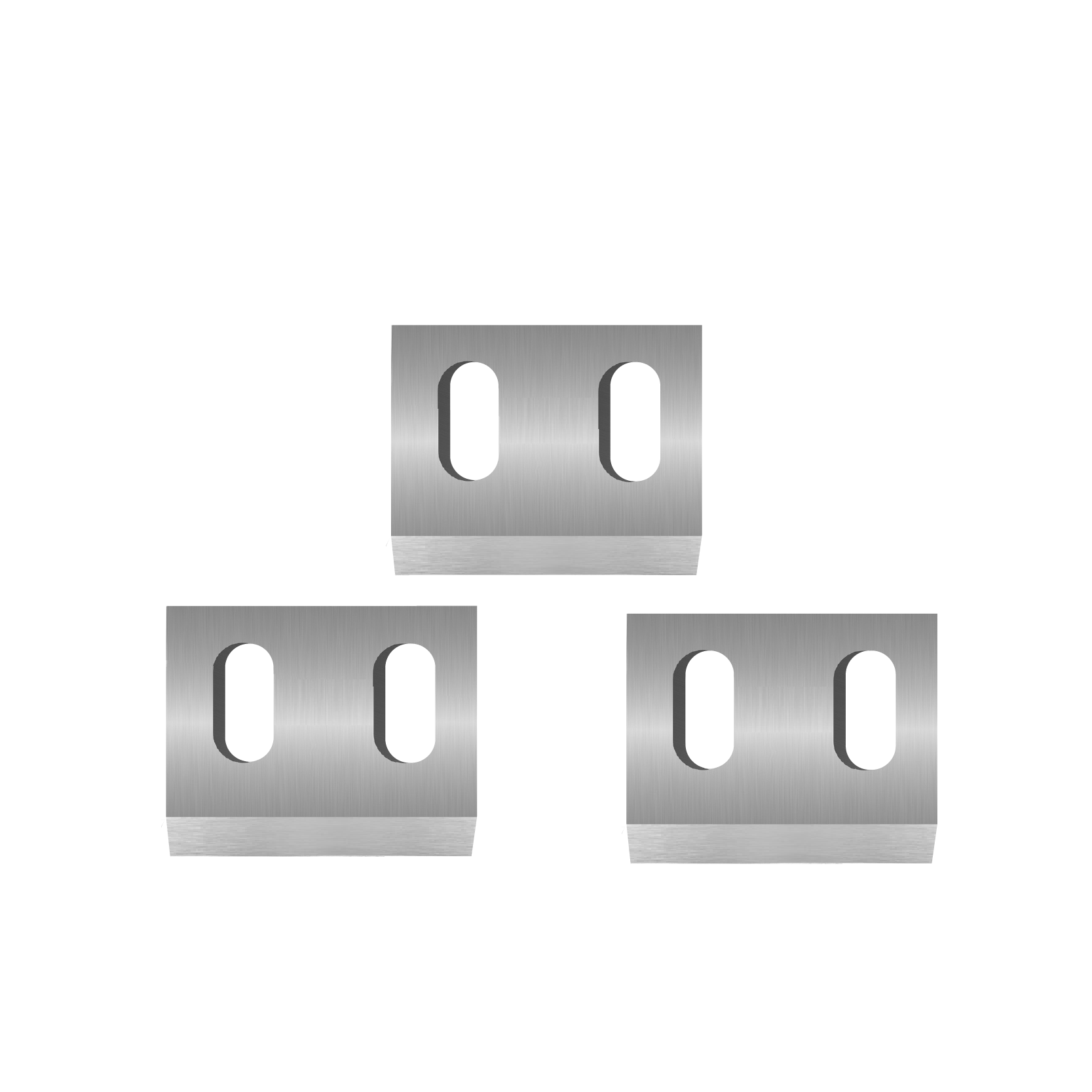
Vì sao feed identity phải đứng trước steel grade
Công việc mua knives cho PET thermoform trông có vẻ đơn giản khi buyer chỉ nhìn thấy old blade trên bàn. Thực tế, cùng một knife family có thể nằm trong những duties rất khác nhau: edge-fed skeletal waste, punched skeleton, startup sheet với unpunched product, deep tray scrap, sorted post-use tray feed hoặc mixed thermoform cleanup trước washing hoặc reclaim. Những duties đó không đặt knife vào cùng feed shape, loading hay contamination risk.
Đó là lý do RFQ bắt đầu bằng “chúng tôi cần knives cứng hơn” thường yếu hơn RFQ bắt đầu bằng “đây là PET thermoform skeletal waste loop với startup sheet chưa punched” hoặc “đây là downstream tray-cleanup granulator đang có dust nhiều hơn sau knife change”. Official Rapid material không xem thermoform lines như một generic task duy nhất. Họ tách machine families và loop-control conditions theo feed shape và process stage. Buyer nên làm điều tương tự.
Với site architecture, keyword cluster này mạnh về mặt thương mại vì nó map trực tiếp đến những parts thật mà Leader Blades đã có: plastic granulator knife family, bed-knife và fixed-side family, và khi trays hoặc rigid cleanup đi sang reduction stage khác, plastic crusher blade family. Vì vậy RFQ nên xác định đúng machine stage và đúng part family ngay từ đầu.
Machine-stage fit: GT Series, ThermoPRO, startup sheet, punched skeleton và deep-draw products
Nguồn chính thức của Rapid rất hữu ích cho RFQ logic vì chúng cho thấy thermoform recycling không phải một duty đồng nhất. GT Series được đặt cho cost-effective in-line granulation of skeletal waste. Thermoforming page cho thấy ThermoPRO inline với stand-alone loop control cho startup waste sheet có unpunched products tới 200 mm và punched skeletal waste. ThermoPRO product page sau đó bổ sung một khác biệt khác: external loop control cho unpunched products tới 80 mm mold depth và stand-alone loop control cho deep-draw products tới 200 mm.
Đối với buyers, đây không phải chi tiết marketing. Đây là quote-routing detail. Knife set cho shallow skeletal loop không nên được quote giống knife set cho sản phẩm sâu hơn và chưa punched. Một line chạy punched skeleton liên tục không tạo ra cùng commercial question như line startup sheets hoặc mixed tray reject. RFQ an toàn hơn sẽ nêu rõ loop-control style, feed shape và buyer đang quote moving knife alone, cả bed knife, hay broader cutting area.
Nếu line của bạn thực ra gần với sheet-edge hoặc profile-trim granulation hơn là tray hoặc clamshell recycling, hãy so sánh bài này với edge-trim guide. Nếu complaint chính là dust, fines hoặc rubbing noise sau maintenance, hãy so sánh với granulator knife-gap checklist. Bài học thực tế là RFQ về thermoform sẽ đi nhanh hơn khi machine stage và current symptom xuất hiện trong cùng một câu.
Logic về bale và sorting của NAPCOR có ý nghĩa gì với knife RFQ
Các trang official về thermoforms và bale guidelines của NAPCOR quan trọng vì chúng nối việc mua knives với material reality. NAPCOR nói PET thermoform packaging technically recyclable with PET bottles, nhưng most, not all, thermoforms are PET, và reclaimers thích best sorting practices để giảm contamination và tăng quality. NAPCOR cũng nói rằng buyers có thể chấp nhận mixed bottle-and-thermoform bales hoặc dedicated PET thermoform bales. Trên PET Design & Bale Spec Guidelines page, NAPCOR nói model bale specifications đã được mở rộng cho PET bottles, PET bottles with thermoforms và PET thermoforms.
Đối với knife manufacturer, điều này có nghĩa buyer phải nói thật về feed. Đây có phải clean skeletal waste inline từ thermoformer không? Đây có phải sorted PET thermoform feed không? Đây có phải mixed bottle-plus-thermoform material không? Có look-alike contamination risk hay non-PET thermoform risk không? Đây không chỉ là recycling-program questions. Nó thay đổi mechanical duty mà knife nhìn thấy và thay đổi việc RFQ thuộc direct granulator replacement, fixed-side review thận trọng hơn hay một cuộc trao đổi khác về sorting.
Vì vậy yêu cầu kiểu “PET thermoform knife” đơn giản có thể quá mơ hồ. Về mặt thương mại, clean in-line thermoforming loop, tray-reject cleanup stage và mixed thermoform regrind stream không phải cùng một buying task. Nếu buyer để trống feed identity, quotation sẽ chậm hơn và rủi ro hơn dù dimensions đầy đủ.
RFQ checklist: buyer nên gửi gì trước khi chỉ hỏi giá
Những RFQ nhanh nhất và low-risk nhất trong cluster này kết hợp dimensions với process evidence. Hãy gửi trong tin nhắn đầu tiên nếu có thể:
- Machine brand và model, cùng với việc stage là GT Series-style skeletal waste, ThermoPRO loop control, low-built packaging granulation, tray cleanup hay thermoform granulation stage khác.
- Material confirmation: PET sheet, PET tray, PET clamshell, startup waste sheet, punched skeleton hay mixed thermoform feed.
- Feed có unpunched products hay không, và nếu có thì mold depth hoặc draw depth xấp xỉ là bao nhiêu.
- Issue thuộc moving knives, bed knives, fixed knives hay cutterhouse rộng hơn.
- Length, width, thickness, hole pattern và measured photos của old knives.
- Installed photos của knife seat, fixed side, screen area và loop-control hoặc feed condition nếu liên quan.
- Current symptom: dust nhiều hơn, noise cao hơn, loop instability, poor pull-in, hot running, shorter knife life hoặc inconsistent regrind.
- Feed là clean in-line waste, sorted thermoform material hay stream có contamination risk.
Nhiều buyers gửi dimensions tốt nhưng process context yếu. Trong thermoform work, đó là một sai lầm. Cùng geometry có thể nằm trong các commercial duties khác nhau, và quotation an toàn hơn khi geometry và process stage được gửi cùng nhau.
Sai lầm phổ biến của buyer trong RFQ PET thermoform knife
Sai lầm phổ biến đầu tiên là giả định mọi thermoform trong đều là PET. NAPCOR nói rõ most, not all, thermoforms are PET. Nếu buyer chưa xác nhận feed stream, RFQ phải nói điều đó. Sai lầm thứ hai là mô tả line chỉ là “granulator” mà không nói đó là in-line skeletal-waste loop, startup sheet job, deep-draw application hay later tray cleanup stage. Official Rapid pages cho thấy vì sao stage detail này quan trọng.
Sai lầm thứ ba là chỉ quote moving knife khi complaint đã là dust, noise hoặc unstable regrind. Khi vấn đề đã liên quan tới fines, rubbing hoặc fixed-side wear, RFQ nên nêu cả bed knife hoặc fixed side. Sai lầm thứ tư là bỏ qua sorting và contamination context. Ngay cả khi old knife sample có sẵn, commercial duty vẫn có thể khác nếu material stream đã đổi.
Một buyer habit đơn giản giải quyết phần lớn các vấn đề này: xác định material, xác định thermoform stage, nói rõ feed punched hay unpunched, nêu current symptom và gửi installed photos của cả moving side lẫn fixed side. Đó là khác biệt giữa quick budget number và production RFQ thực sự hữu ích.
Practical selection notes và internal routes cho thermoform buyers
Đối với direct end users, cấu trúc rõ ràng nhất là chia purchase thành ba level. Level one là direct replacement vì line vẫn healthy và công việc chỉ là shutdown spare planning. Level two là knife-plus-fixed-side review vì dust, noise hoặc unstable regrind cho thấy cutting pair cần được review cùng nhau. Level three là stage-fit review vì feed shape, depth, sorting condition hoặc machine role đã thay đổi đủ để same-geometry reorder trở nên rủi ro hơn.
Đối với dealers và service teams, hãy nói rõ request này để quick restart, validation batch hay broader aftermarket review từ worn samples. Thông tin đó thay đổi quote path. Nếu cần internal references gần nhất, hãy bắt đầu với PET thermoform tray guide, plastic granulator knife category, bed-knife category, và khi tray cleanup đi sang reduction stage khác thì thêm crusher blade category.
Sau đó so sánh các representative parts như bottle granulator insert knife, granulator bed knife, granulator stator knife và plastic crusher profile blade. Khi sẵn sàng quote, hãy gửi stage description đầy đủ qua contact page thay vì chỉ gửi old knife photo mà không có thermoform context.
FAQ cho RFQ PET thermoform knife
Tôi có cần xác nhận feed thật sự là PET trước khi yêu cầu knives không?
Có. NAPCOR nói most, but not all, thermoforms are PET. Nếu feed chưa được xác nhận, hãy nói điều đó trong RFQ thay vì giả định mọi thermoform trong đều giống nhau.
Tôi có nên nói material là punched skeleton hay startup sheet chưa punched không?
Có. Official Rapid pages phân biệt rõ các duties này, bao gồm loop-control conditions và product depths khác nhau. Thông tin đó thay đổi quote path.
Các bạn có thể quote từ worn samples và installed photos nếu không có drawings không?
Trong nhiều trường hợp là có. Dimensions rõ ràng, installed photos và mô tả trung thực về thermoform stage thường đủ để bắt đầu technical review.
Khi nào tôi nên đưa bed knife hoặc fixed side vào RFQ?
Hãy đưa vào khi complaint đã liên quan tới dust, rubbing noise, unstable regrind hoặc suspected fixed-side wear. Những symptom đó hiếm khi chỉ thuộc moving knife.
Thermoform buyer nên so sánh những internal pages nào tiếp theo?
Hãy so sánh PET thermoform tray guide, edge-trim guide khi liên quan, granulator knife-gap article, các category granulator và bed knife, cùng với contact page.
Nguồn chính
Bài viết này là buyer-side synthesis nguyên gốc được xây dựng chỉ từ official machine-maker và industry-association sources.
- Recycling Solutions (Rapid Granulator): Rapid tách các granulation routes liên quan tới thermoforming và đặt GT Series cùng ThermoPRO vào những buyer contexts khác nhau.
- Thermoforming (Rapid Granulator): Thermoforming page của Rapid mô tả ThermoPRO inline với stand-alone loop control cho startup waste sheet có unpunched products tới 200 mm và punched skeletal waste, cùng full access đến knives và screen.
- ThermoPRO (Rapid Granulator): ThermoPRO product page bổ sung chi tiết về loop control, low-noise positioning, access đến cutting area và khác biệt 80 mm với 200 mm.
- PET Thermoform Recycling (NAPCOR): NAPCOR nói PET thermoform packaging technically recyclable with PET bottles, nhưng most, not all, thermoforms are PET, và buyers có thể chấp nhận mixed hoặc dedicated PET thermoform bales.
- PET Design & Bale Spec Guidelines (NAPCOR): NAPCOR nói PET bale specifications đã được mở rộng cho PET bottles, PET bottles with thermoforms và PET thermoforms.