
Typical RFQ problems on edge-trim and profile-recycling lines
- •The line asks for replacement knives, but the real complaint is poor pull-in, dusty regrind, unstable trim feeding, or startup scrap after a tool change.
- •The buyer has a worn cutter and a machine model, yet no one has stated whether the line is processing film edge trim, sheet skeletal waste, profile offcuts, or chopped strands from a cutterhead stage.
- •One plant runs clean inline trim, another handles brittle offcuts or heavier sheet skeletons, but both RFQs are written as if the same knife family should be quoted the same way.
- •The maintenance team needs practical RFQ guidance on rotor or hob style, fixed bed-knife condition, and handoff to the grinder chamber rather than a generic explanation of plastic recycling.
Buyer conclusion: quote the cutting pair by feed form and machine stage, not by outer dimensions alone
If a sheet extrusion, thermoforming, or profile line starts producing dusty regrind, unstable pull-in, jammed trim loops, or inconsistent edge-trim recovery, the safest commercial decision is not simply to ask for "the same knife again." The safer route is to quote the rotor or hob cutter family, the bed-knife side, and the actual feed form together.
Rapid's recycling-solutions page treats film or edge trim, pipe or profile, sheet extrusion, and thermoforming as separate recycling routes. Conair's guide also distinguishes granulation from shredding by describing granulators as cutting or slicing material in repeated small bites. Those are buyer signals: the RFQ should identify the feed form and the machine stage before it identifies the knife dimensions.
That is why this page puts the buyer conclusion, machine-stage fit, and RFQ criteria at the top. Inline trim recovery is a line-stability purchase, not only a part-number purchase.
Machine-stage fit: edge trim, profile offcuts, sheet skeletons, and thermoformed scrap do not buy the same way
Rapid separates edge trim, pipe or profile, sheet extrusion, and thermoforming because each route presents a different feed shape, loading pattern, and granulation task. Film edge trim often emphasizes stable pull-in and light continuous feed. Pipe or profile offcuts may bring stiffer geometry and more impact. Thermoformed skeletal waste is handled as its own low-noise granulation duty on Rapid ThermoPRO.
For buyers, that means a cutterhead or hob-style RFQ should state whether the line is drawing continuous trim, chopping profile offcuts, or granulating sheet or thermoform skeletons. The same nominal rotor cutter can sit in very different commercial duties once the feed shape changes.
If the line recently switched material, wall thickness, trim width, reel speed, or offcut form, say so directly. A replacement part that fits the shaft or holder can still be the wrong commercial answer if the feed behavior changed more than the part number did.
What the official sources tell buyers to confirm before ordering
Conair's 23 Series Viper page says easy pre-adjustment of the gap between rotor and fixed bed knives increases throughput and yields high-quality, uniform regrind. That is an explicit RFQ signal. A buyer who only sends cutter dimensions is omitting one of the variables that official equipment guidance treats as central.
Rapid ThermoPRO emphasizes quick access to the cutting area and simplified knife replacement through its Open-Hearted design, while Rapid OneCUT PRO focuses on variable rotor speed to optimize regrind quality by application. Together, those pages tell buyers that knife choice, cutting-gap behavior, and feed form belong in the same discussion.
This is also why a credible supplier should ask whether the request is for direct replacement, a cutter-plus-bed-knife review, or a broader review of feed stability and chamber condition after a process change.
Practical selection: when rotor or hob cutters are the right RFQ center and when the bed knife matters more
If the line uses a cutterhead, hob-style feed, or roll-fed trim interface, start the RFQ from the granulator hob knife, drum-style granulator hob cutter, or crown rotor cutter and confirm how the moving cutter hands material into the chamber. If the complaint is dusty regrind, rubbing noise, or one-sided wear after maintenance, the priority often shifts to the bed knife or brand-compatible bed-knife side.
For PVC window profiles or similar rigid extrusion work, compare this page with our PVC window-profile application guide. For more general rigid-plastic reduction logic, compare our plastic size-reduction solution. The buying point is simple: rotor or hob cutters should be quoted in the language of the actual feed stage, not as generic metal bars.
If the offcuts have become too bulky for stable granulation at the current stage, do not hide that fact. Official OEM guidance separates shredding and granulation for a reason. In that situation, the safe RFQ may involve an upstream size-reduction review rather than a harder edge on the existing granulator alone.
RFQ checklist: what to send before asking for price only
The best edge-trim and profile-granulation RFQs are specific but not complicated. A supplier does not need the full machine manual to start review, but it does need stage evidence.
- Machine brand, model, and the exact stage: inline edge trim, profile offcut, sheet skeleton, or thermoform skeletal waste.
- Feed description: continuous trim, brittle offcut, rigid profile, sheet skeleton, wall thickness, trim width, and whether feed is light and continuous or heavy and intermittent.
- One measured photo of the cutter, one side view showing bevel direction, and one installed photo of the rotor, hob, or cutterhead seat.
- One photo of the fixed bed-knife side and any note about current gap setting, rubbing, dust, or chamber noise.
- Current symptom: poor pull-in, loop instability, dust, fines, hot running, one-sided wear, uneven regrind, or startup scrap after a knife change.
- Whether the request is direct replacement, trial batch, or review of cutter-plus-bed-knife fit.
If you do not have a full drawing, say so directly. Good photos, machine identity, the actual feed form, and the real defect are often enough to start a useful review.
Internal routes and commercial next steps
Start from our rotor and hob knife category, then compare the granulator hob knife, drum-style granulator hob cutter, crown rotor cutter, and the granulator bed-knife category.
For buyer-side troubleshooting, continue to our granulator knife-gap article, our PVC window-profile guide, our plastic size-reduction solution, and the contact page. The main commercial goal is to quote the feed stage you actually run, not the one the old part number implies.
Representative parts for this line
Use the closest shape below as your RFQ reference, then send dimensions or old-blade photos for fit review.
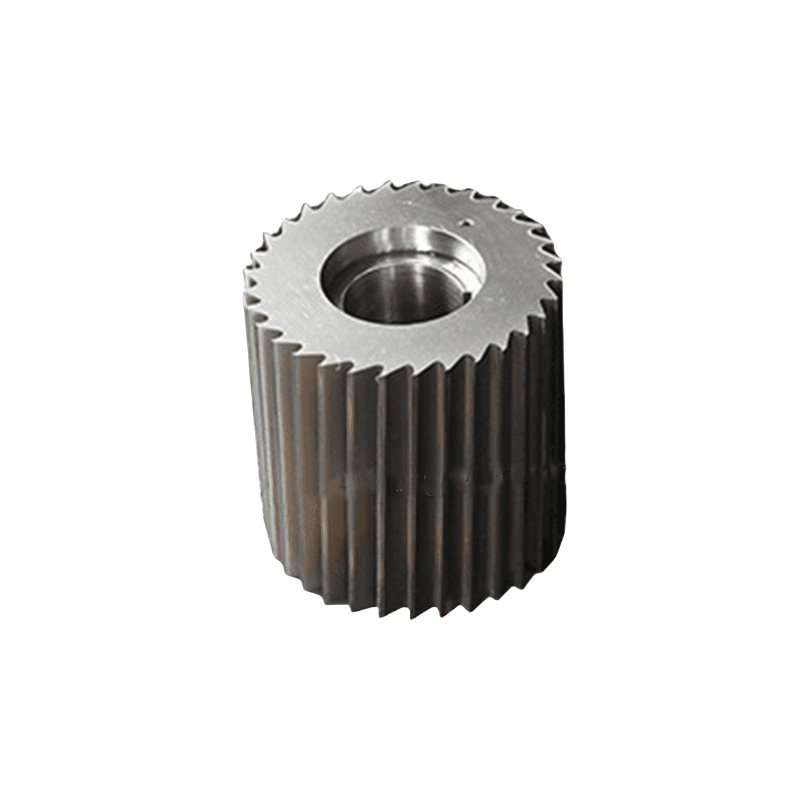
RHK-002
Granulator Hob Knife
Granulator Hob Knife is built for granulator rotor assemblies and rolling and hob cutter heads. Available in tungsten carbide / HSS / alloy steel / D2 for rotary cutting accuracy and consistent service life. The profiled form matches rotating cutter drums, hob heads, or feed-roll assemblies.
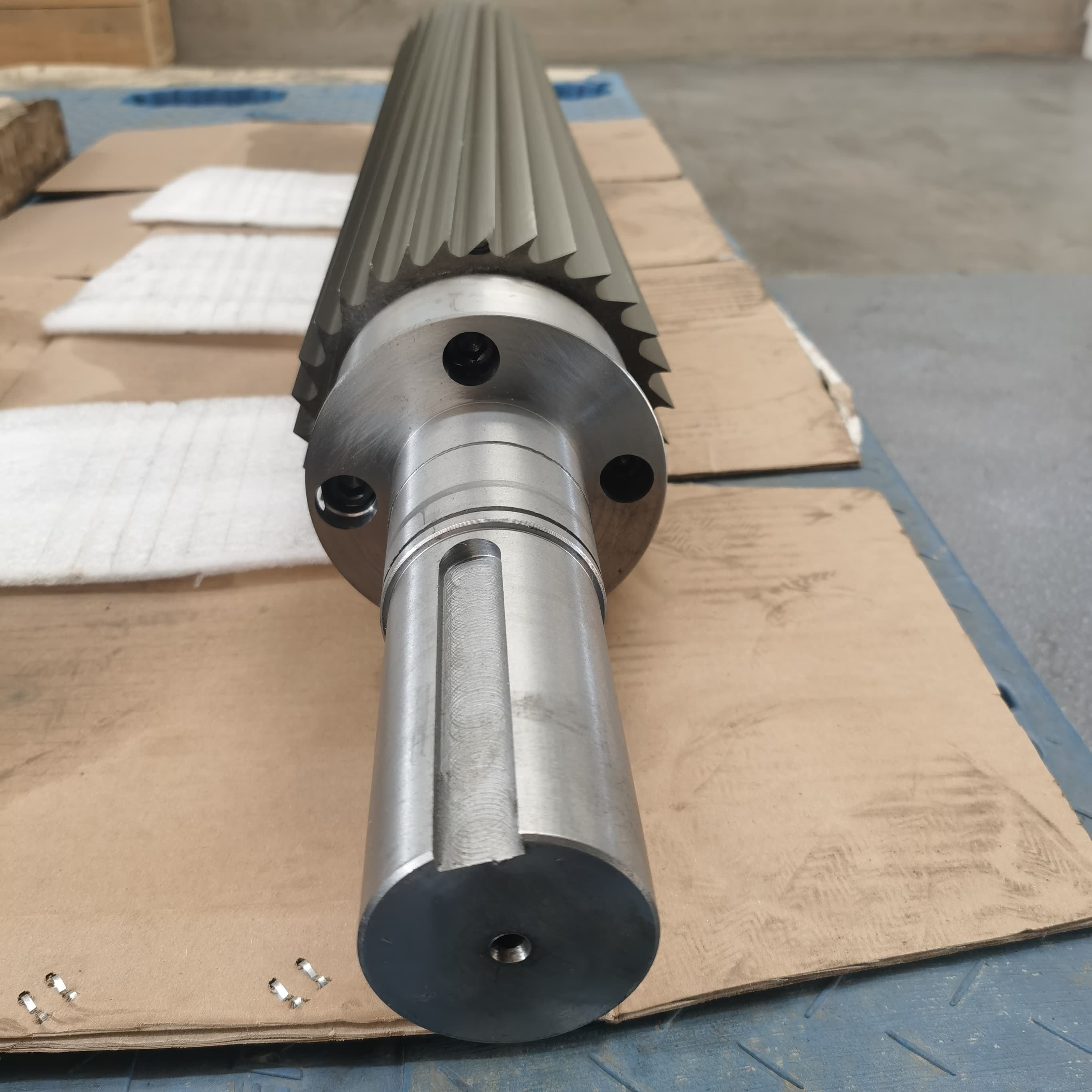
RHK-004
Drum-Style Granulator Hob Cutter
Drum-Style Granulator Hob Cutter is built for granulator rotor assemblies and rolling and hob cutter heads. Available in HSS / Carbide for rotary cutting accuracy and consistent service life. The profiled form matches rotating cutter drums, hob heads, or feed-roll assemblies.
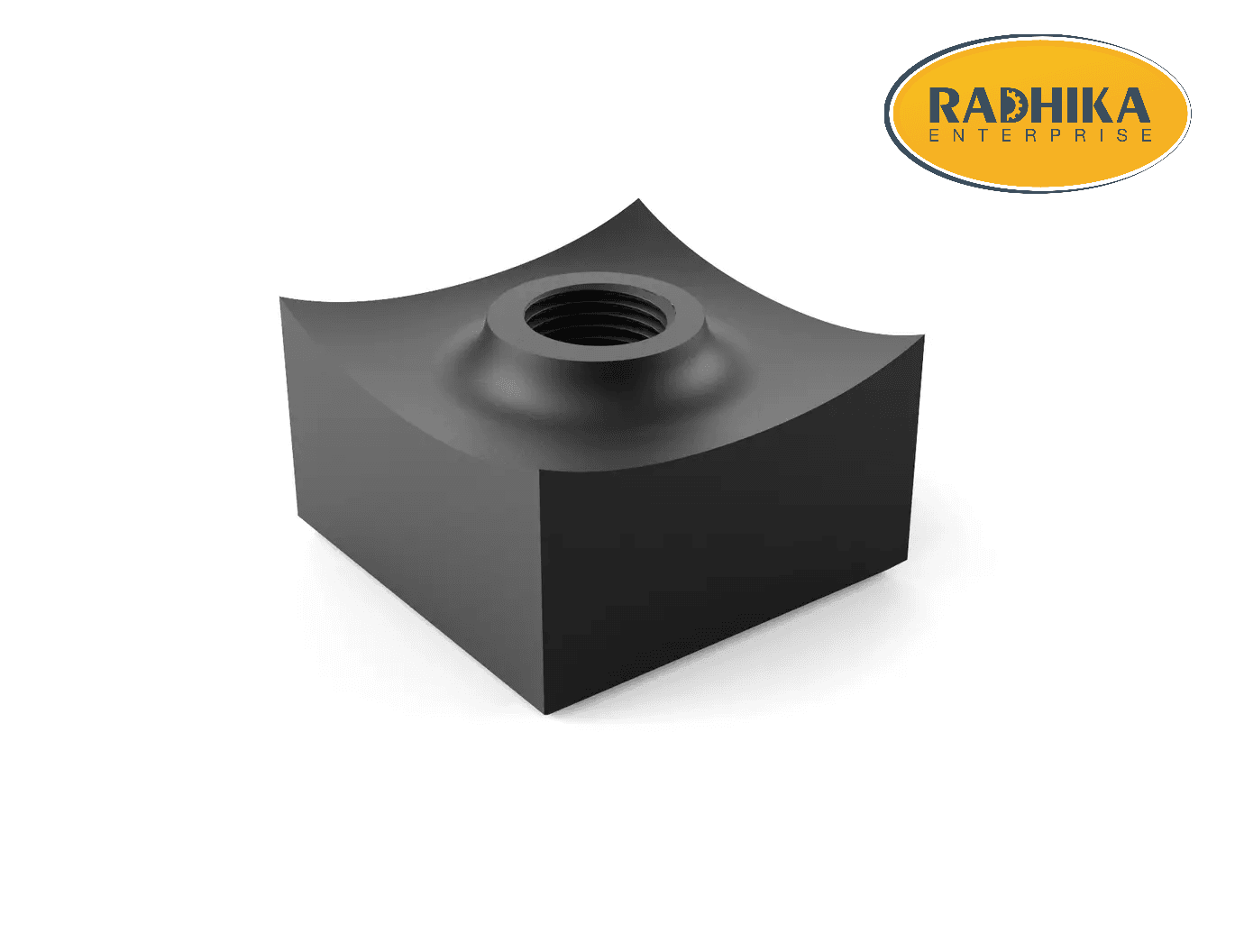
RHK-003
Crown Rotor Cutter
Crown Rotor Cutter is built for granulator rotor assemblies and rolling and hob cutter heads. Available in tungsten carbide / HSS / alloy steel / D2 for rotary cutting accuracy and consistent service life. The profiled form matches rotating cutter drums, hob heads, or feed-roll assemblies.
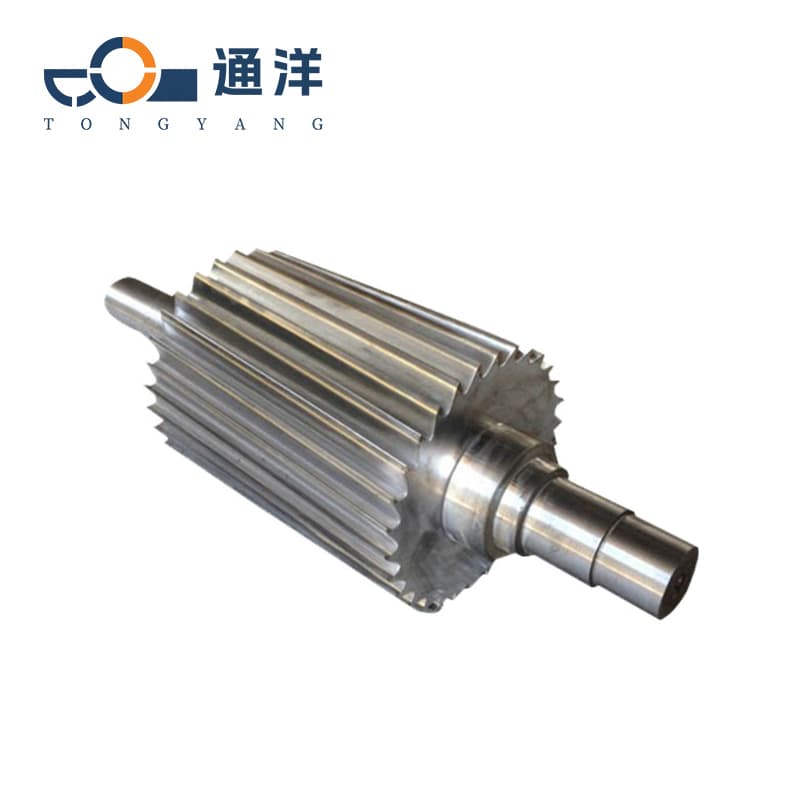
GBK-001
Granulator Bed Knife
Granulator Bed Knife is built for granulator bed knife replacement and pet bottle and rigid plastic grinding. Available in SKD11 / D2 / HSS / tungsten carbide for stable rotor clearance and consistent granulation quality. The insert-style format fits compact cutter seats and short replacement positions.
Related knife categories
Related articles
Granulator Knife Gap Checklist: Reduce Dust, Fines, and Noise
A practical rotor-to-bed-knife inspection flow for recyclers seeing dusty regrind, noisy cutting, or repeated knife damage after a blade change.
Read articleBlade Maintenance Tips for Longer Life
Inspection intervals, alignment checks, and cleaning—for granulators, crushers, and shredders.
Read articleFAQ for sheet and profile edge-trim recycling knives
Do I need to mention the bed knife if I only want replacement rotor or hob cutters?+
What if the line runs both profile offcuts and sheet skeletons?+
Can I ask for a quote without a full drawing?+
Which internal pages should I compare next?+
Primary sources used on this page
These notes follow official granulator and recycling-machine guidance so the RFQ reflects real machine-stage logic instead of unsupported claims.
Rapid
Recycling Solutions
Rapid separates film or edge trim, pipe or profile, sheet extrusion, and thermoforming into different recycling routes.
View sourceRapid
ThermoPRO
Rapid positions ThermoPRO around low-noise granulation of thermoformed skeletal waste and easy access to the cutting area.
View sourceRapid
OneCUT PRO
Rapid links variable rotor-speed adjustment to optimizing regrind quality for different applications.
View sourceConair
23 Series Viper Granulators
Conair says pre-adjustment of the gap between rotor and fixed bed knives helps throughput and uniform regrind quality.
View sourceConair
Plastics Granulators vs. Plastics Shredders: The Differences
Conair explains the stage difference between granulation and shredding, which helps buyers frame the RFQ correctly.
View sourceNeed knives for sheet, profile, or edge-trim granulation?
Send the machine model, feed form, cutter photos, bed-knife photos, and the defect you want to remove. We can review direct replacement versus stage-fit risk before production.