Leader Blades — logoLeader Blades
All Products

Rotor Inserts and Hob Cutters

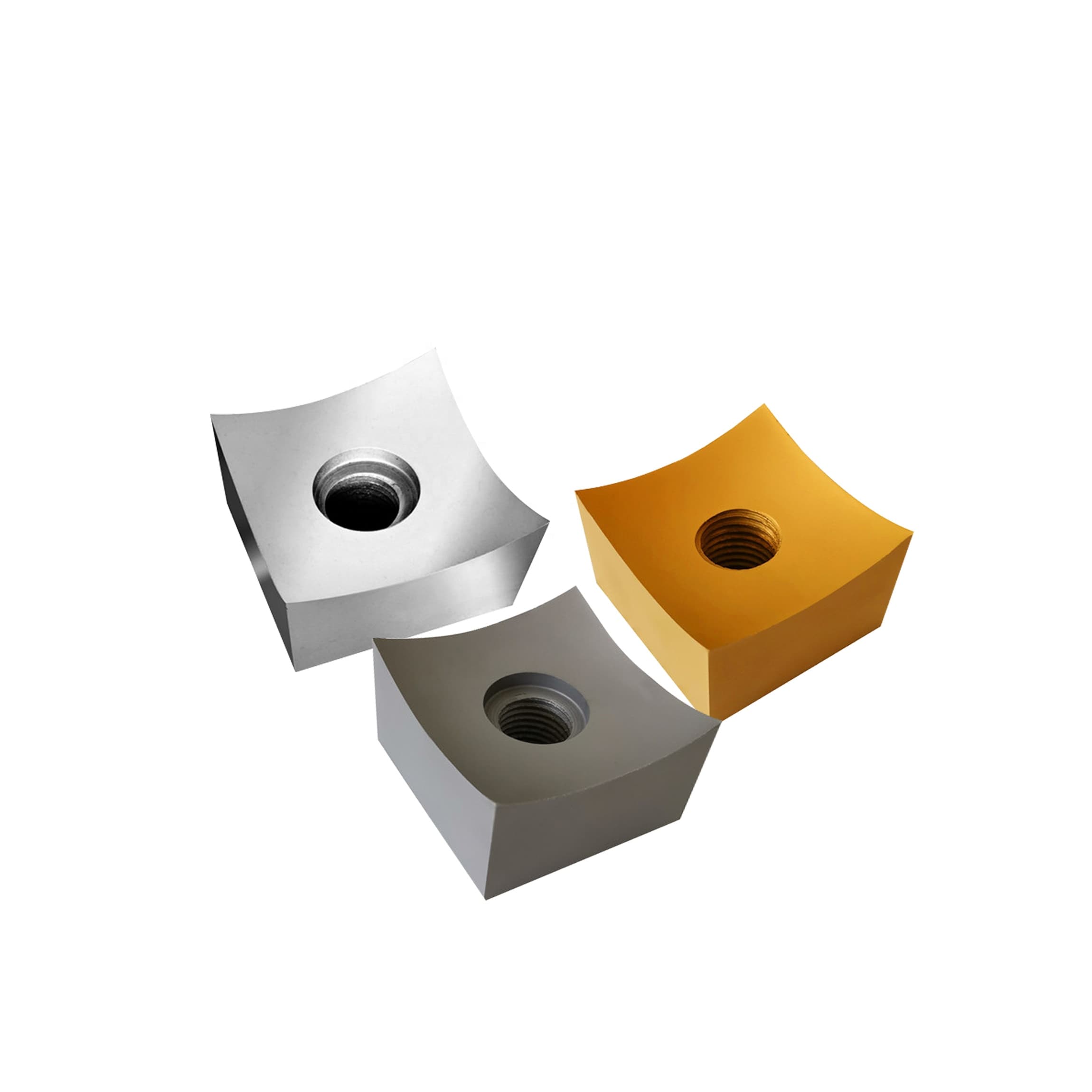
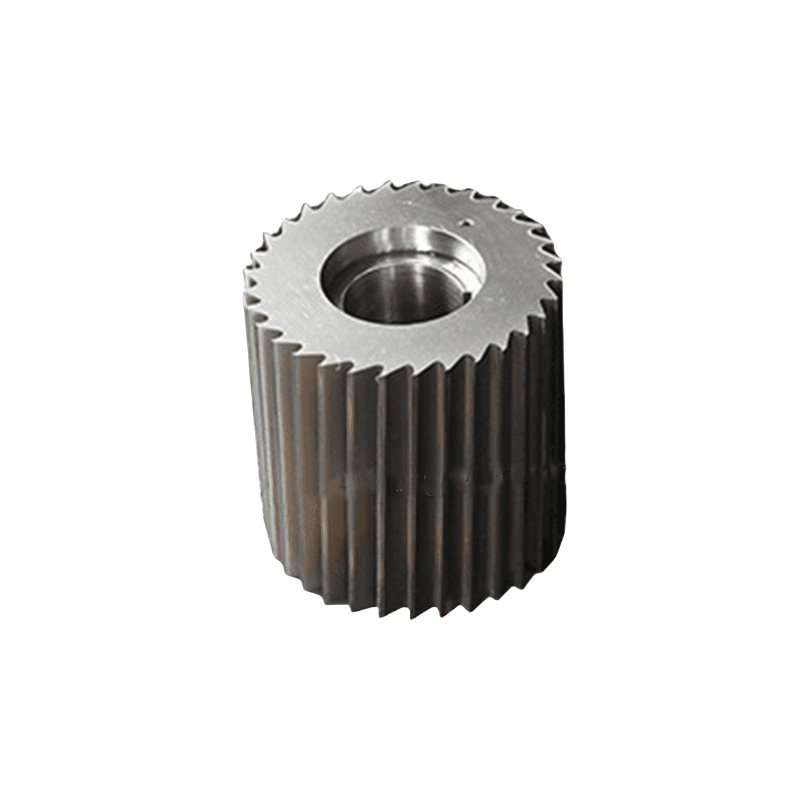
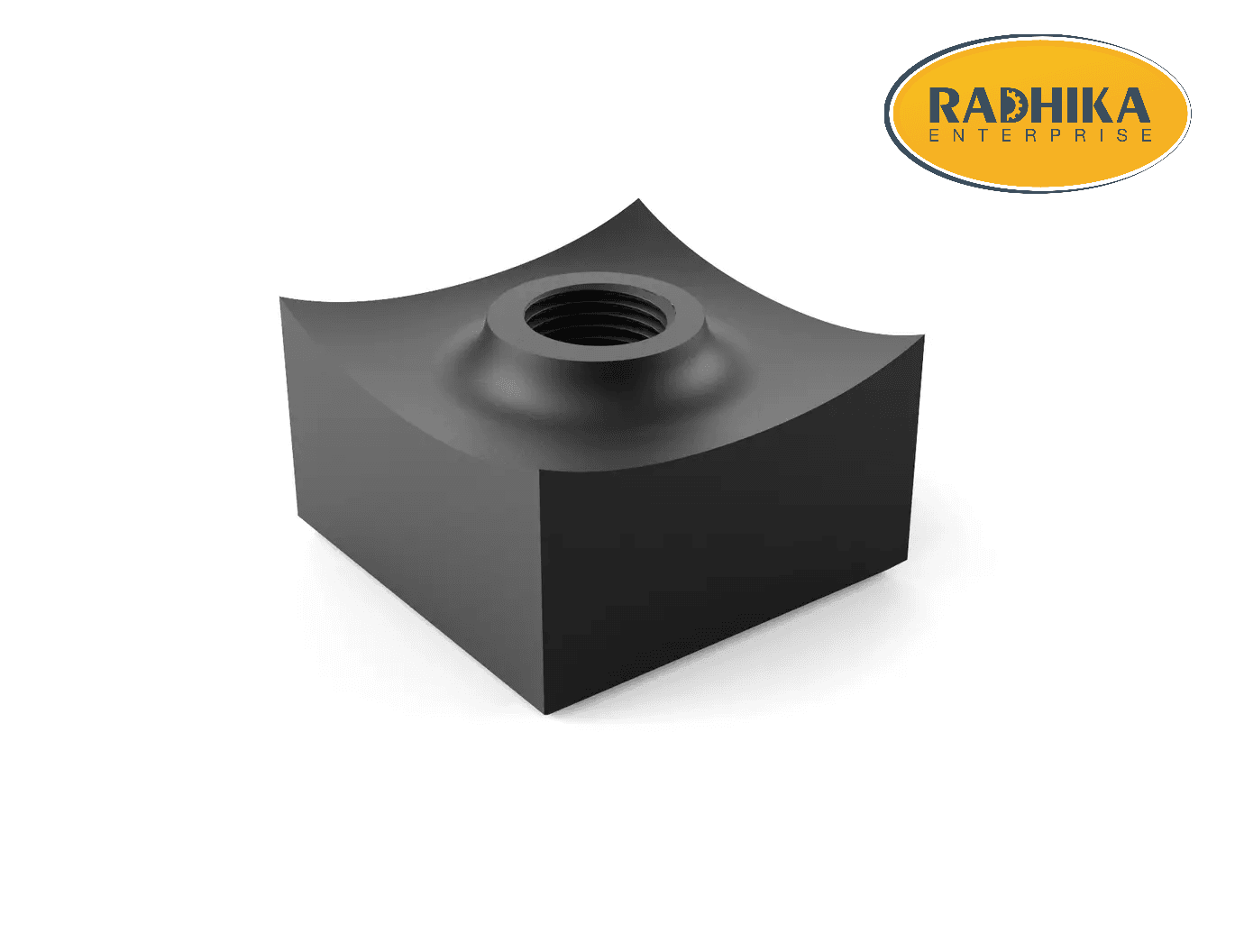
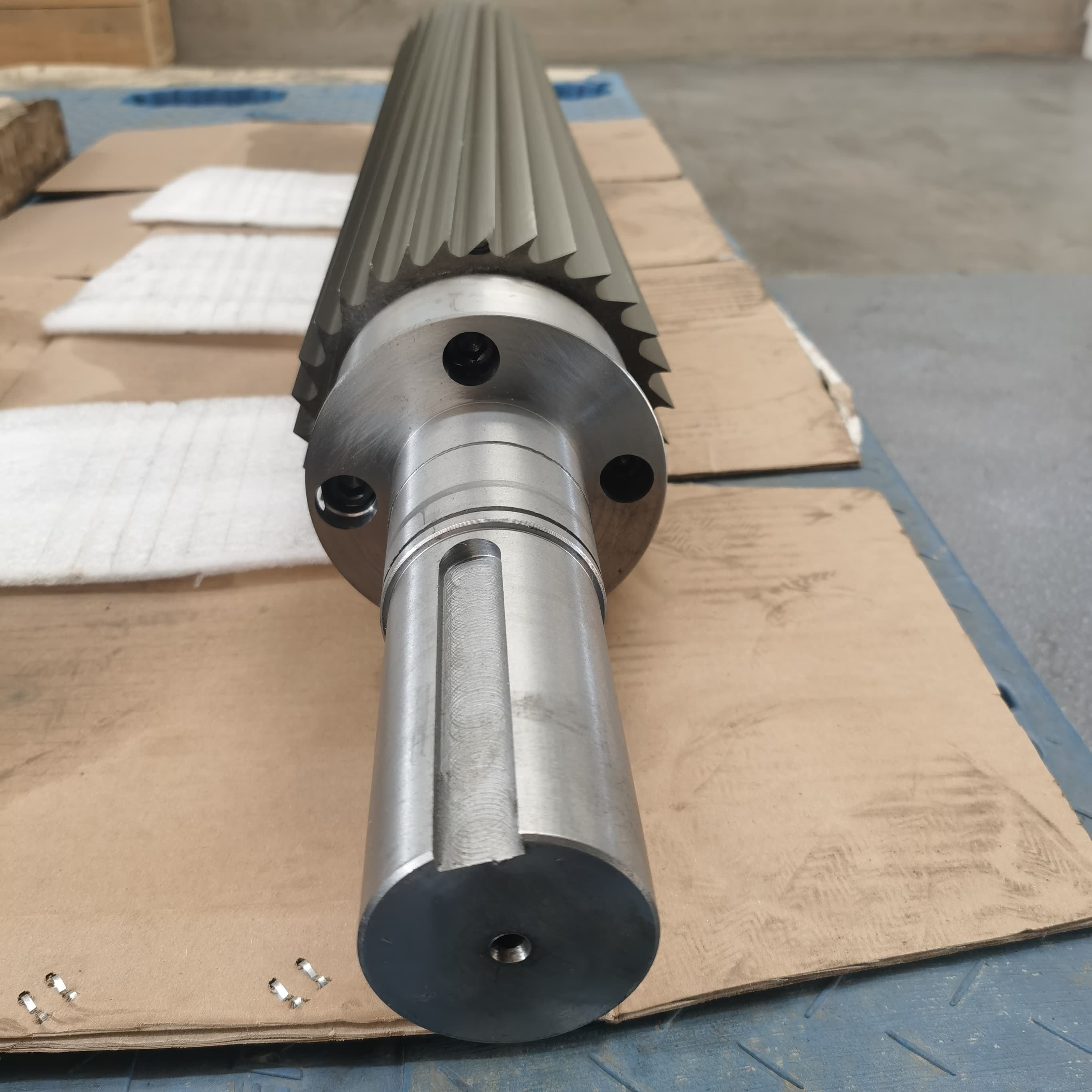
Rotor inserts, hob-style cutters, and related rotary cutting components used in granulator assemblies and other precision plastic cutting systems.

Granulator rotor assembliesRolling and hob cutter headsPrecision cutterhead maintenanceProfile cutting systems

Research-led category guidance

Rotor Inserts and Hob Cutters buying and troubleshooting guide

Official slow-speed and screenless granulator material from Rapid, Conair, and ZERMA shows that rotor-mounted inserts, hooks, and hob-like cutter forms are chosen for controlled bite, low dust, and easy service. These are specialized rotor-side cutting parts, so the RFQ needs to describe the rotor style and machine family much more clearly than on a general crusher page.

What buyers should confirm before ordering rotor inserts or hob cutters

  • Machine family: screenless granulator, slow-speed beside-the-press granulator, or other hob-style rotor design
  • Whether the rotor uses turnable hooks, roller teeth, insert cutters, or another special mounted form
  • Feed type: runners, sprues, rejected molded parts, or other light regrind jobs
  • Whether the complaint is too much dust, poor bite, hard cleaning, or frequent service
  • Photos of the rotor and the holder or pocket where the insert mounts
  • Whether the plant wants quick change, low noise, or less adjustment after sharpening

These are specialized rotor-side cutting parts, not generic flat knives

Rotor inserts and hob cutters belong to machine families that prioritize low-speed, controlled cutting rather than heavy open-chamber crushing. Rapid's OneCUT PRO sheet highlights turnable knives and hooks, while Conair's screenless granulator material references roller teeth for plastic regrind. ZERMA's slow-speed granulator pages likewise emphasize special knife geometry and low dust at low rotor speed.

For buyers, that means the RFQ must describe the rotor style and pocket geometry clearly. The outside dimensions alone do not fully define the job in these cutter families.

These cutter forms are typically chosen for low-dust, low-speed regrind jobs

OEM slow-speed and screenless equipment is often selected for runners, sprues, and light molded scrap because the process emphasizes low dust, quieter operation, and easy integration beside the press. That is why rotor inserts and hook-style cutters often sit in a different buying conversation from central-granulator knives.

If the plant is actually running a larger central granulator, compare our granulator knives and bed knives pages before quoting this category.

What common rotor-insert complaints usually mean

Excess dust, weak bite on sprues, hard cleaning, or frequent hook changes usually indicate that the buyer should review the exact rotor system rather than only the worn insert. OneCUT PRO, screenless, and slow-speed families are engineered around a rotor concept, so the cutter, holder, and service method belong in the same review.

That makes photos of the rotor pocket especially important in the RFQ. On these jobs, one insert photo alone is rarely enough.

How to request a correct rotor-insert or hob-cutter quotation

The fastest RFQs for this category show the mounted cutter and the rotor pocket together. Buyers should also state whether the machine is low-speed or screenless and whether the main target is low dust, low noise, or easier service.

  • Send close photos of the insert and the rotor pocket or hook box.
  • State whether the machine is screenless, slow-speed, or another low-dust regrind design.
  • Describe the feed as runners, sprues, molded scrap, or similar light regrind.
  • Mention whether the problem is bite, dust, cleaning time, or service frequency.

Rotor Inserts and Hob Cutters

Detailed Application Guides

Application pages connect real recycling-line problems to the right knife categories, product examples, and RFQ information.

Rotor inserts and hob cutters FAQ

Why is this category separate from normal granulator knives?+
Because these parts usually belong to specialized screenless or slow-speed rotor systems that use hooks, teeth, or mounted inserts rather than standard flat knife bars.
What is the most important photo for this kind of RFQ?+
The rotor pocket or hook box. On these cutter families, the mounting geometry often matters as much as the visible cutter itself.
Are these jobs usually low-dust applications?+
Often yes. Official slow-speed and screenless machine literature emphasizes low dust and low noise, especially for runners, sprues, and light molded scrap.
Should I mention whether the machine is screenless or slow-speed?+
Yes. That machine context helps identify the correct rotor-side cutter family and avoids confusing the job with a standard central-granulator knife request.