Leader Blades — logoLeader Blades
All Products

Granulator Bed and Stator Knives

Stationary bed, stator, and fixed knives used against rotating granulator knives for controlled plastic size reduction.

Granulator bed knife replacementPET bottle and rigid plastic grindingFilm and woven bag granulationPlastic recycling cutterhouse maintenance

Research-led category guidance

Granulator Bed and Stator Knives buying and troubleshooting guide

Official granulator manuals treat bed and stator knives as the fixed reference edge of the cutting system, not as secondary wear parts. Conair, Rapid, and ZERMA all point in the same direction: clean mounting faces, controlled adjustment, and a stable gap are central to cut quality, heat control, and repeatable performance after service.

What buyers should confirm before ordering bed or stator knives

  • Exact machine family and whether the part is called bed knife, stator knife, or fixed knife by the OEM
  • Seat photos that show the support face, step geometry, hole pattern, and clamping arrangement
  • Whether the rotor knives are also being changed or only the fixed side
  • Any measured gap, rubbing marks, or heat problems seen in the chamber
  • Whether the problem appeared after sharpening, after a crash, or after a replacement from another supplier
  • Screen size or regrind-quality target if the machine feeds downstream blending or wash-line work
Granulator Bed Knife — Granulator Bed and Stator Knives — SKD11 / D2 / HSS / tungsten carbide | Leader Blades
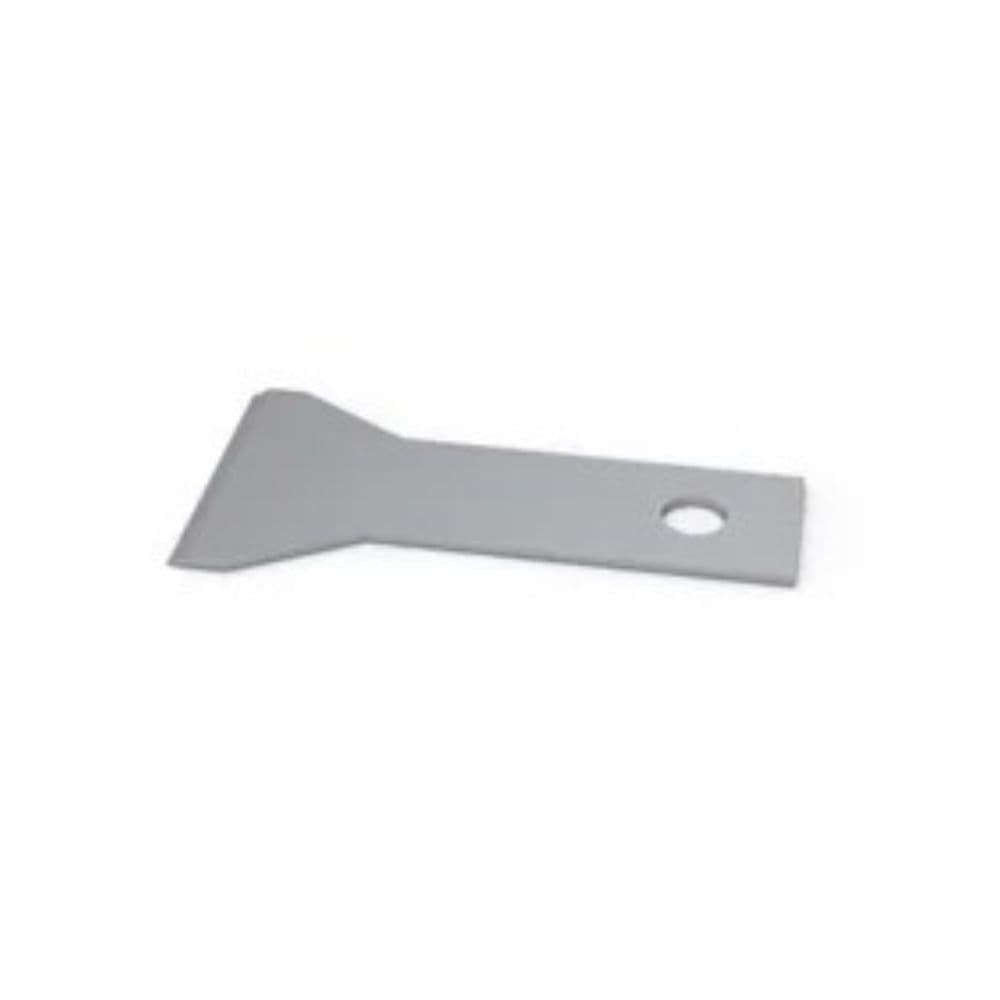
GBK-001

Granulator Bed Knife

Granulator Bed Knife is built for granulator bed knife replacement and pet bottle and rigid plastic grinding. Available in SKD11 / D2 / HSS / tungsten carbide for stable rotor clearance and consistent granulation quality. The insert-style format fits compact cutter seats and short replacement positions.

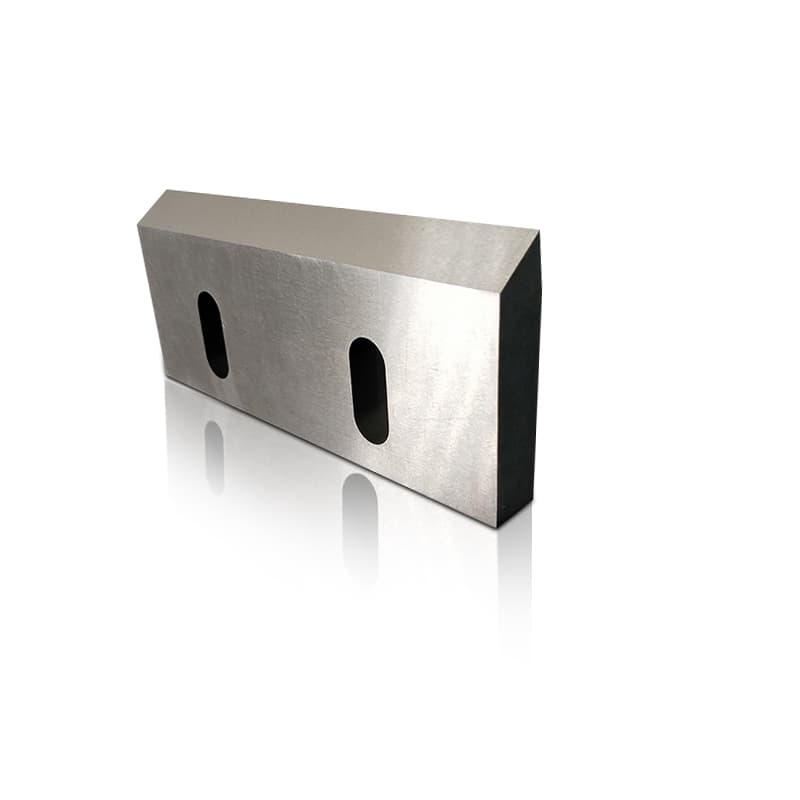
Stationary Granulator Bed Knife — Granulator Bed and Stator Knives — Alloy Steel | Leader Blades
GBK-002

Stationary Granulator Bed Knife

Stationary Granulator Bed Knife is built for granulator bed knife replacement and pet bottle and rigid plastic grinding. Available in Alloy Steel for stable rotor clearance and consistent granulation quality. The straight edge format suits long bolt-on knife bars and clamp-mounted holders.

Rapid and Tria-Compatible Granulator Bed Knife — Granulator Bed and Stator Knives — SKD11 / D2 / HSS / tungsten carbide | Le…
GBK-003

Rapid and Tria-Compatible Granulator Bed Knife

Rapid and Tria-Compatible Granulator Bed Knife is built for granulator bed knife replacement and pet bottle and rigid plastic grinding. Available in SKD11 / D2 / HSS / tungsten carbide for stable rotor clearance and consistent granulation quality. The insert-style format fits compact cutter seats and short replacement positions.

Granulator Stator Knife — Granulator Bed and Stator Knives — SKD11 / D2 | Leader Blades
GBK-004

Granulator Stator Knife

Granulator Stator Knife is built for granulator bed knife replacement and pet bottle and rigid plastic grinding. Available in SKD11 / D2 for stable rotor clearance and consistent granulation quality. The insert-style format fits compact cutter seats and short replacement positions.

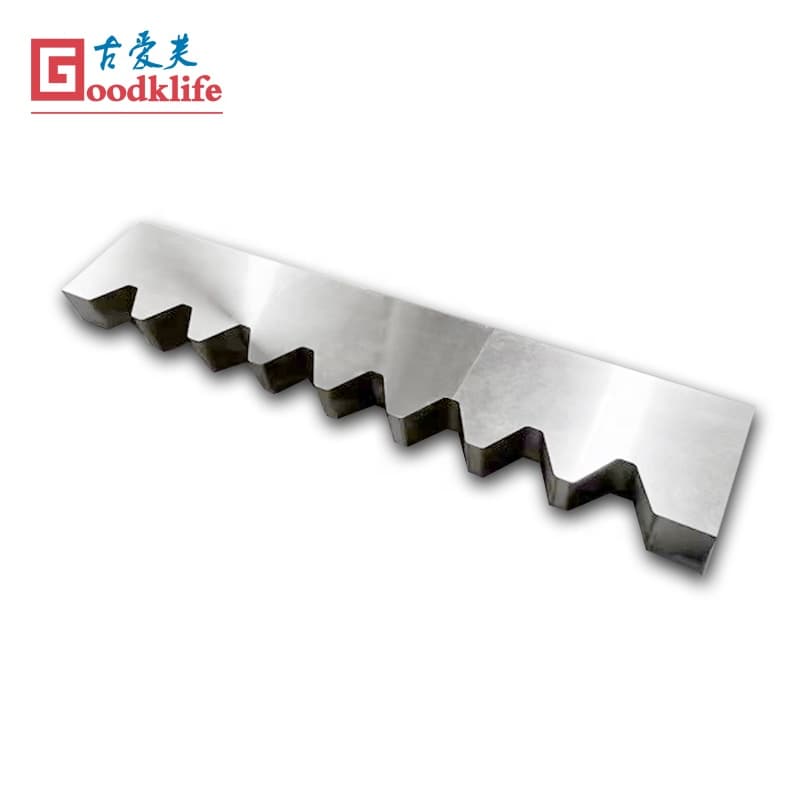
Granulator Fixed Knife — Granulator Bed and Stator Knives — SKD11 / D2 / HSS / tungsten carbide | Leader Blades
GBK-005

Granulator Fixed Knife

Granulator Fixed Knife is built for granulator bed knife replacement and pet bottle and rigid plastic grinding. Available in SKD11 / D2 / HSS / tungsten carbide for stable rotor clearance and consistent granulation quality. The profiled body suits fixed or rotary stations where alignment and edge exposure matter.

The fixed side is the cutting reference, not a minor spare part

Granulator bed and stator knives do not merely sit still while the rotor does the work. In service terms, they form the cutting reference that the rotating knife works against. Conair's user guide makes this very clear by focusing on bed-knife adjustment, clean support contact, and proper setup during reinstallation.

For buyers, that matters because many poor-cut complaints continue even after a new rotor set is installed. If the fixed side is worn, badly seated, or adjusted incorrectly, the moving knife cannot deliver a stable cut on its own.

Mounting surfaces and gap control matter as much as steel grade

OEM machine guidance repeatedly ties performance to how the fixed side is mounted and adjusted. Conair warns that foreign material between the bed knife and bed support makes proper adjustment impossible and can damage the chamber. Rapid and ZERMA both emphasize cutter systems that support easier service and more stable cutting geometry over time.

That is why a bed-knife RFQ should include the support face and the seat condition, not only the knife dimensions. A fixed knife can be perfectly machined and still perform badly if the seat or support has been damaged in service.

What fixed-side problems usually look like in production

In field use, fixed-side trouble often appears as rubbing, rising amp draw, inconsistent regrind, or a machine that never returns to the old cutting quality after sharpening. If the chamber runs hotter, dust increases, or operators need repeated adjustment after service, the fixed side should be reviewed together with the rotor set.

For closely related rotor-side parts, compare our granulator knives and cutters. If the line is more bottle-driven, the PET bottle recycling guide shows how fixed and moving sides work together in practice.

How to quote bed or stator knives correctly

The most useful RFQs show the knife, the seat, and the support face together. Photos of rubbing marks, feeler-gauge readings, or damage around the support area are often more commercially useful than a short part description without context.

  • Send photos of the knife removed and the clean mounting support.
  • State whether the rotor knives are being changed at the same time.
  • Include any measured gap or symptoms such as rubbing, heat, or unstable granules.
  • If the chamber suffered a crash, mention it early because that changes how the fixed side should be reviewed.

Granulator Bed and Stator Knives

Detailed Application Guides

Application pages connect real recycling-line problems to the right knife categories, product examples, and RFQ information.

PET Bottle Recycling Knives

Commercial application guide for PET bottle crusher blades, granulator knives, bed knives, and OEM replacement parts.

Open guide

PE Film Recycling Knives

Commercial application guide for shredder knives, cutter-compactor blades, granulator knives, bed knives, and pelletizer cutters used on PE film lines.

Open guide

HDPE and Rigid Plastic Recycling Knives

Source-backed application guide for shredder cutters, crusher blades, granulator knives, and bed knives used on HDPE and PP rigid-plastic lines.

Open guide

PP Woven Bag and Raffia Recycling Knives

Source-backed application guide for shredder, compactor, granulator, bed-knife, and pelletizer blade selection on PP woven sack and raffia recycling lines.

Open guide

OEM Replacement Recycling Knives

Source-backed guide for machine-fit replacement granulator knives, shredder cutters, cutter-compactor blades, and pelletizer knives from old samples, drawings, or model references.

Open guide

PET Thermoform Tray Recycling Knives

Source-backed application guide for PET tray, clamshell, and thermoform skeleton granulator knives, bed knives, and RFQ checks.

Open guide

PVC Window and Profile Recycling Knives

Source-backed guide for shredder cutters, crusher blades, granulator knives, and bed knives used on PVC windows, profiles, shutters, and smaller pipes.

Open guide

Textile and Carpet Recycling Shredder Knives

Source-backed guide for shredder cutters, counterknives, granulator knives, and bed knives used in textile, fiber, nonwoven, and carpet recycling lines.

Open guide

Injection molding sprue and runner granulator knives

Official-source guide for rotor knives, bed knives, and RFQ data on machine-side granulators.

Open guide

Copper and aluminum cable recycling knives

Guide for shredder cutters, granulator knives, bed knives, middling control, and cable-line RFQ decisions.

Open guide

Sheet and profile edge-trim recycling knives

Official-source guide for rotor hob cutters, granulator bed knives, and RFQ preparation on inline trim-recovery lines.

Open guide

WEEE and Appliance Recycling Shredder Knives

Source-backed guide for shredder cutters, e-plastics crusher blades, granulator knives, and bed knives used in WEEE and appliance recycling lines.

Open guide

IBC Tote and HDPE Drum Recycling Knives

Source-backed guide for shredder, crusher, and granulator knives used on IBC tanks, plastic drums, and blow-molding rejects.

Open guide

Granulator bed and stator knives FAQ

Why are bed and stator knives so important if they do not rotate?+
Because they provide the fixed reference edge for the cut. OEM manuals focus heavily on bed-knife adjustment and support cleanliness for exactly that reason.
Can a worn bed knife cause dust or heat even with new rotor knives?+
Yes. If the fixed side is worn, dirty, or badly seated, the cutting relationship is still wrong. The result can be rubbing, more fines, or higher load on the machine.
What should I send if I only need the fixed side quoted?+
Send photos of the knife and the clean support face, plus dimensions, hole pattern, any measured gap, and the current production symptom. That gives a much safer quote than dimensions alone.
Should bed knives and rotor knives be reviewed together?+
Usually yes. A new rotor knife set working against a worn bed knife can still deliver poor cutting results, so many RFQs are best treated as a system review.