
Dry-Cut Strand Pelletizer RFQ Guide: What Buyers Should Send for Knives, Bed Knives, and Feed Rolls
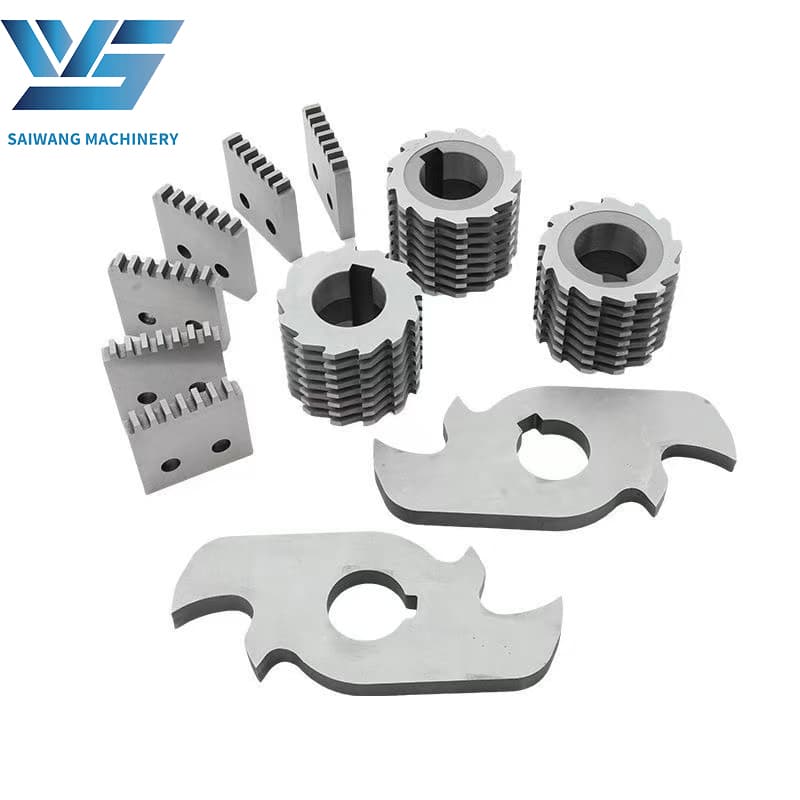
If your dry-cut strand pelletizer knives are wearing faster, pellet length is drifting, pull-in has become erratic, or startup scrap keeps expanding after each maintenance cycle, the first RFQ question is not “Which steel is hardest?” The first question is whether you are quoting the whole cutting interface correctly: moving cutter, stationary bed side, feed-roll behavior, and the actual duty of the line.
That buyer conclusion is not guesswork. Official strand-pelletizing documentation from MAAG and Coperion repeatedly describes pellet quality through the relationship between strand guidance, cutting gap, cutting rotor, bed-knife side, service access, and stable feeding into the cutting unit. For purchasing teams, that means a knife RFQ should start with machine stage and feed behavior, not with blade dimensions alone.
If you buy for masterbatch, compounding, recycling, or another dry-cut duty where pellet consistency, startup behavior, and maintenance time matter commercially, put that in the first message. This guide moves buyer conclusion, machine-stage fit, RFQ logic, and practical selection to the opening paragraphs on purpose: dry-cut strand pelletizer procurement is a line-stability decision, not just a blade reorder.
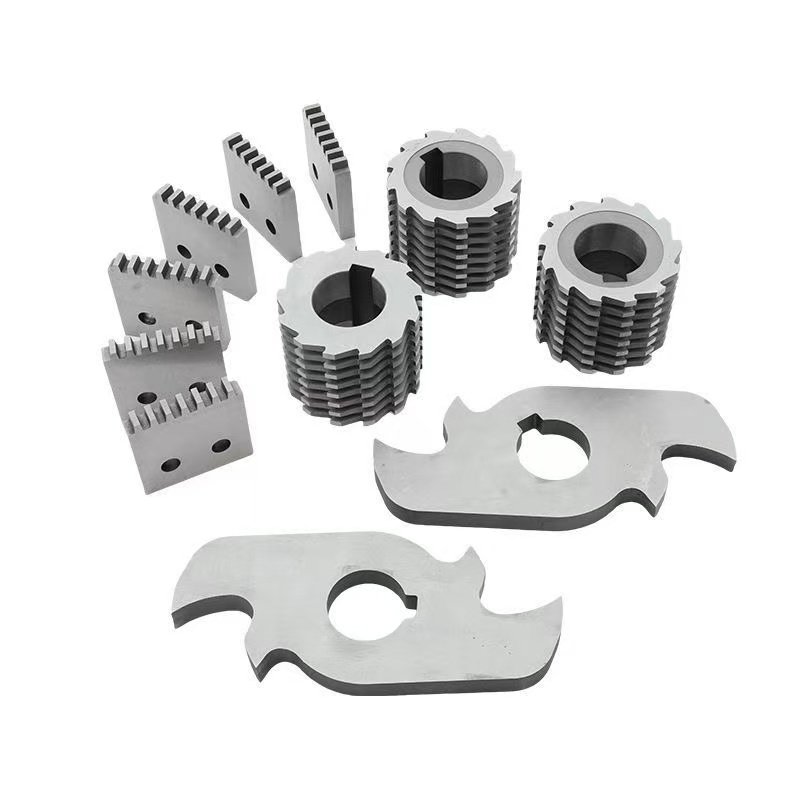
Buyer conclusion: quote the moving cutter, bed knife, and strand-feeding path together
MAAG’s PRIMO S page describes dry-cut strand pelletizing around very good machine availability, wear-resistant cutting tools, short unguided distance from feeding unit to cutting unit, and consistent pellet quality. MAAG’s BAOLI S page uses the same dry-cut logic and explicitly lists cutting rotor and feed rolls among the supporting accessories around the strand-pelletizing process. Those are direct RFQ signals. They show that the commercial cutting package is not only one blade geometry.
Coperion’s new-generation strand-pelletizer release puts no-tool cutting-gap adjustment and reduced service and downtime in the center of the offer. That matters for buyers because it confirms that gap control and maintenance speed are core parts of strand-pelletizer performance. If pellet quality changed, the safe RFQ is usually not “send replacement knives only.” It is “review the cutting interface and the feeding condition that the knives now see.”
That is why a dry-cut strand pelletizer RFQ should say whether the problem is pellet length variation, tails, fines, rough cut, poor strand guidance, unstable startup, or a maintenance window that has become too long. Different symptoms point to different parts of the cutting system.
Machine-stage fit: dry-cut strand pelletizing is not the same buying problem as generic pelletizer replacement
Dry-cut strand pelletizers depend on strands arriving in a controlled way at the cutting unit. The buyer should therefore describe the upstream strand condition and the actual strand-pelletizer duty before asking for price. MAAG’s SCHEER overview frames strand pelletizing for dry cut, wet cut, and pultrusion as different process families within the same broader pelletizing portfolio. That is a machine-stage warning. If the RFQ does not identify the dry-cut strand route specifically, the supplier may still quote a part but miss the commercial context.
The same point matters between recycling and compounding. A dry-cut strand pelletizer working on recycled or variable feed does not behave the same way as a line running a stable masterbatch or compounding program. The machine model may not have changed, yet the cutting duty and strand behavior may already be different enough to change the safest recommendation.
That is also why a buyer should note whether the line is fighting unstable strands before the cutter, rough pellets only after the cut, or longer startup waste before the line settles. Those are not small operating notes. They determine whether the RFQ centers on the cutter set, the bed-knife condition, the feed-roll path, or the full stage.
What the official sources actually tell buyers to pay attention to
PRIMO S highlights the short unguided section from feeding unit to cutting unit, a sturdy cutting-rotor bearing arrangement, easy access for cleaning and servicing, and wear-resistant cutting tools. Buyers should read those points as evidence requirements. If the strands are no longer arriving cleanly, if operators are fighting product changeovers, or if maintenance time is now the bigger cost, the RFQ has to mention that.
BAOLI S again positions dry-cut strand pelletizing around high machine availability, consistent pellet quality, and a surrounding tool set that includes feed rolls and cutting rotor support. In buyer language, that means feed-roll condition and cutter condition belong in the same request whenever pull-in, strand presentation, or pellet consistency changed together.
Coperion adds a practical maintenance signal: faster and more comfortable cutting-gap adjustment reduces setup time and downtime. If your plant’s real complaint is that shutdown work takes longer, the gap is harder to set repeatably, or the same adjustment no longer holds, say that in the RFQ. It changes the commercial meaning of the knife order.
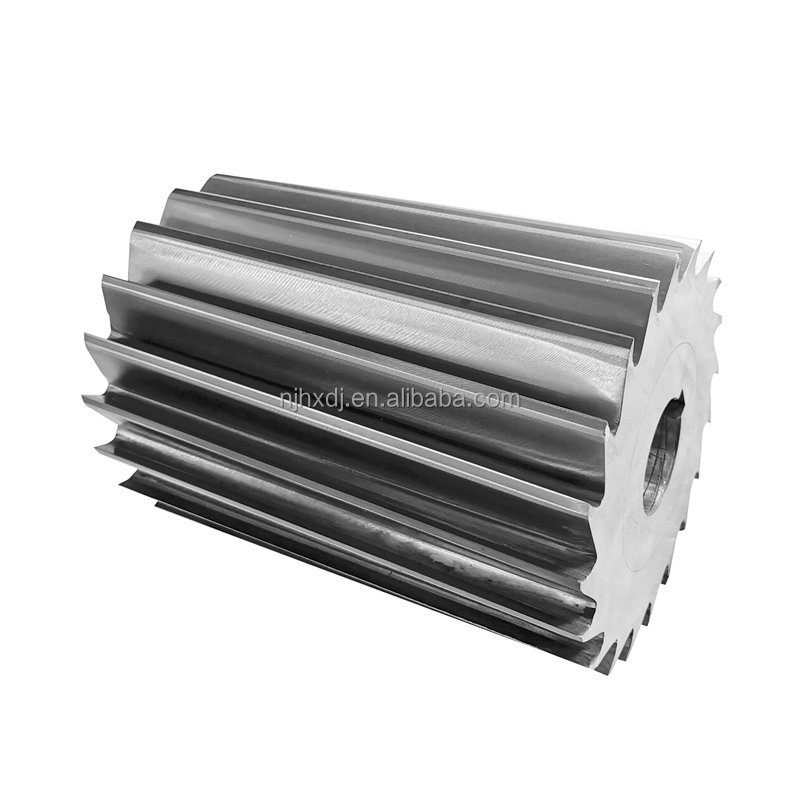
Why feed rolls belong in the RFQ when strand guidance changes
Buyers often focus only on the visible cutter because it is the part removed during maintenance. But dry-cut strand pelletizing depends on more than the moment of cut. If the strands do not arrive evenly at the cutting unit, new cutters can still underperform because the machine is no longer presenting strands to the knife in a stable way. That is exactly why official dry-cut product pages list feed rolls alongside the cutting unit accessories and why they keep stressing consistent pellet quality through the whole stage.
In practical RFQ terms, include feed-roll condition when operators report poor pull-in, strand wandering, changing pellet length after reel or puller adjustments, or a line that now behaves differently during startup than it did on earlier campaigns. Those symptoms are not outside the knife order. They are part of what makes the knife order either low risk or high risk.
RFQ checklist: what to send before asking for price only
The fastest low-risk dry-cut strand pelletizer RFQs combine part geometry with line context. Send these items in the first email or RFQ form where possible:
- Machine brand and model, clearly identified as a dry-cut strand pelletizer.
- Polymer family and duty: masterbatch, compounding, recycling, filled compound, or another dry-cut program.
- Current defect: pellet-length variation, tails, fines, rough cut, unstable pull-in, startup scrap, noisy cutting, or short knife life.
- Measured photos of the moving cutter, one side profile, and the mounting or holder area.
- Photos or notes for the bed-knife side and feed-roll condition if strand guidance changed.
- Throughput range and whether the problem appears at startup, after several hours, or only after a product change.
- Whether you need direct replacement, a trial batch, or a broader review of knife-plus-bed-knife-plus-feed-roll fit.
If you do not have a full drawing, say so directly. Good photos, machine identity, the actual polymer duty, and a clear defect description are often enough to begin technical review. What matters most is whether the supplier understands the real stage problem before cutting steel.
Expert practical-selection notes for buyers and dealers
For buyers and dealers, the safest quoting structure has three levels. Level one is direct cutter replacement because the line is healthy and the request is spare-part driven. Level two is cutter plus bed-knife review because pellet quality and gap stability changed together. Level three is full stage review because strand guidance, feed-roll behavior, startup waste, and cutting quality all shifted at the same time. That three-level framing usually prevents repeat orders caused by under-scoped RFQs.
Use the actual machine-stage language in the RFQ: moving cutter, bed knife, feed rolls, startup scrap, pull-in, product changeover, and pellet consistency. Say if you need a small validation lot first. Say whether the worn sample came from a good period or from a period when the line was already unstable. Those practical notes let a knife supplier decide whether the next batch should be quoted as a direct replacement or as a risk-control trial.
When you are not sure where to start, compare our pelletizer roller knife, fluted pelletizer cutter, SKD11 pelletizer cutter set, and the broader pelletizer-blades category. Then compare our pelletizer wear solution, the PP or PE pelletizer application guide, and the contact page.
FAQ
Do I need to mention the bed knife if I only want new strand cutters?
Yes. Official strand-pelletizer references treat the cut as the relationship between the moving cutter and the stationary side, not the cutter alone.
Should feed rolls be part of the RFQ?
Yes, when pull-in, strand guidance, startup behavior, or pellet consistency changed. Feed rolls are part of how strands reach the cutting unit.
Can you quote from a worn sample without a full drawing?
Usually yes. Measured photos, machine identity, polymer duty, throughput, and the actual defect are often enough to start technical review.
Which internal pages should I compare next?
Compare our pelletizer-blades category, the pelletizer wear solution, the PP or PE application guide, and the contact page.
Primary sources
This article is an original buyer-side synthesis built from official dry-cut strand-pelletizing documentation. The labels remain neutral and the attribution is carried by the source URL.