
Typical pelletizing-line problems behind the RFQ
- •Pellet length drifts, tails appear, or startup scrap rises even though the line still reaches output
- •Knife life changes sharply after a polymer, filler, recycle ratio, or throughput change
- •The buyer can identify the old cutter, but not the real machine stage, die-plate condition, or contact problem
- •Maintenance teams need a spare strategy for shutdowns, but do not want to reorder the wrong knife family again
Buyer conclusion: pellet quality is a system result, not a knife-only result
MAAG's M-USG brochure ties outstanding pellet quality to the die head, strand conformity, cutting-gap accuracy, and a solid knife holder. Coperion's UG underwater pelletizer page also links long knife and die-plate life to optimized heating and wear-resistant alloys. For buyers, that means the right RFQ is not “we need harder pelletizer blades,” but “which pelletizing stage, which polymer duty, and which contact condition are actually failing?”
If your customer complaint is dusty pellets, tails, startup scrap, short knife life, or noisy cutting, the commercial solution often starts with the cutting pair and machine stage together. A direct blade replacement may still be correct, but only after the buyer states whether the line is strand, underwater, or another die-face arrangement.
Machine-stage fit: strand pelletizing, die-face cutting, and underwater pelletizing are not the same RFQ
In strand pelletizing, the buyer normally needs to think about the relationship between the cutting rotor and the bed knife. Coperion's pelletizing brochure states that strands are cut into regular cylindrical pellets between the stationary bed knife and the cutting rotor. MAAG's T200 strand pelletizer sheet describes scissor-like cutting, eccentric gap adjustment, and a carbide bed knife with four usable edges. That means the RFQ should clearly state whether the buyer is replacing only the rotating cutter, the bed knife as well, or the whole cutting pair.
In underwater or die-face pelletizing, the RFQ shifts toward die-head condition, knife-holder accuracy, heating stability, and startup behavior. MAAG's SG-C die-head document highlights uniform melt distribution and die plates with wear protection for compounding and recycling lines. If the line is underwater, the buyer should say so in the first paragraph of the RFQ instead of sending only a worn knife sample.
Where pelletizer knives fit on PP and PE compounding and recycling lines
On PP and PE lines, pelletizer knives usually sit at the last cutting stage after melt preparation, filtration, and extrusion. But the correct buying decision still depends on what the upstream process is doing. Virgin compounding, mineral-filled formulations, masterbatch, recycled film repelletizing, and recycled rigid-grind lines put different loads on the cutter and die interface.
- PP and PE compounding often emphasizes stable pellet length, controlled startup, and repeatable wear performance.
- Recycling repelletizing lines care strongly about tails, dust, contamination tolerance, and startup scrap.
- Filled or abrasive compounds shift the buyer conversation toward wear resistance, maintenance frequency, and die-plate condition.
For the closest product families, compare our pelletizer blades, EREMA and BKG-compatible pelletizer blade, tungsten carbide pelletizer blade, and fluted pelletizer cutter. If the line also includes densifying or cutter-compactor stages, compare the cutter-compactor category too.
What the common pelletizing symptoms usually mean for the buyer
Pellet quality complaints rarely arrive in textbook language. Plants say pellets are “hairy,” “too long,” “too dusty,” “inconsistent at startup,” or “fine after adjustment but bad again after a few hours.” Those are valid production signals, and they normally mean the RFQ should ask more than the outside dimensions of one blade.
- Long tails or inconsistent pellet length often point to cutting-pair, contact, or stage-control issues before they point to metallurgy alone.
- Fast wear after a recipe change may indicate that filler level, abrasive content, recycle ratio, or throughput now exceed what the last knife setup was handling.
- Noisy cutting or difficult startup often belongs in the same discussion as die-plate condition, gap accuracy, and deposits in the cutting zone.
- High startup scrap should be described directly in the RFQ, because official pelletizer documentation repeatedly treats startup handling as part of the machine design.
Practical selection notes for buyers, dealers, and service teams
A practical pelletizer RFQ should state whether the request is for direct cutter replacement, cutter plus contact-surface review, or broader pelletizing-stage troubleshooting. That three-level framing is useful because it helps a supplier understand whether the buyer is solving a simple spare issue or trying to remove a recurring process problem.
Dealers and service companies should also say whether the line is running virgin material, post-industrial recycle, post-consumer recycle, filler, glass fiber, mineral loading, or another abrasive system. A supplier who knows only the knife dimensions may still quote a part, but that quote is less likely to solve the root commercial problem.
When the line also includes film densifying or cutter-compactor stages, compare this application guide with our PE film recycling guide and our pelletizer wear solution page. If you are still early in material selection, add our blade selection guide to the review chain.
What to send for a fast PP/PE pelletizer knife quotation
The fastest RFQs combine fit data with process context. A clear knife sample is useful, but official machine documentation shows that the buyer also needs to identify the pelletizing arrangement and the production symptom.
- Machine brand and model, if known
- Pelletizing method: strand, die-face, or underwater pelletizing
- Polymer family and duty: PP, PE, masterbatch, filled compound, or recycled feed
- Current symptom: tails, startup scrap, pellet-length variation, noisy cutting, or fast wear
- Knife dimensions, hole pattern, cutter count, and installed photos if available
- Whether the bed knife, die plate, or knife holder is also under review
- Throughput, target pellet quality, and destination market
If you are ready to quote, send the information through the contact page or the form below and mention that the job is for a PP or PE pelletizing line. That short phrase helps us route the RFQ to the right cutter family faster.
Representative parts for this line
Use the closest shape below as your RFQ reference, then send dimensions or old-blade photos for fit review.
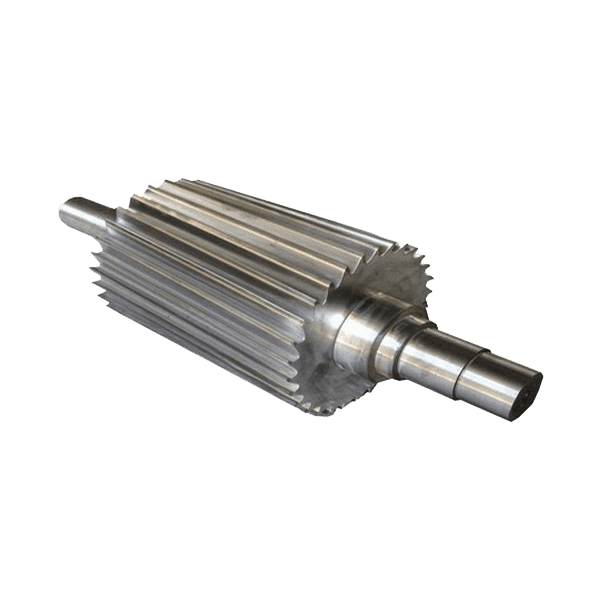
PPB-003
EREMA and BKG-Compatible Pelletizer Blade
EREMA and BKG-Compatible Pelletizer Blade is built for strand pelletizer knife replacement and die-face pelletizer maintenance. Available in SKD11 / D2 for clean pellet cut quality and steady service life. The profiled body suits fixed or rotary stations where alignment and edge exposure matter.
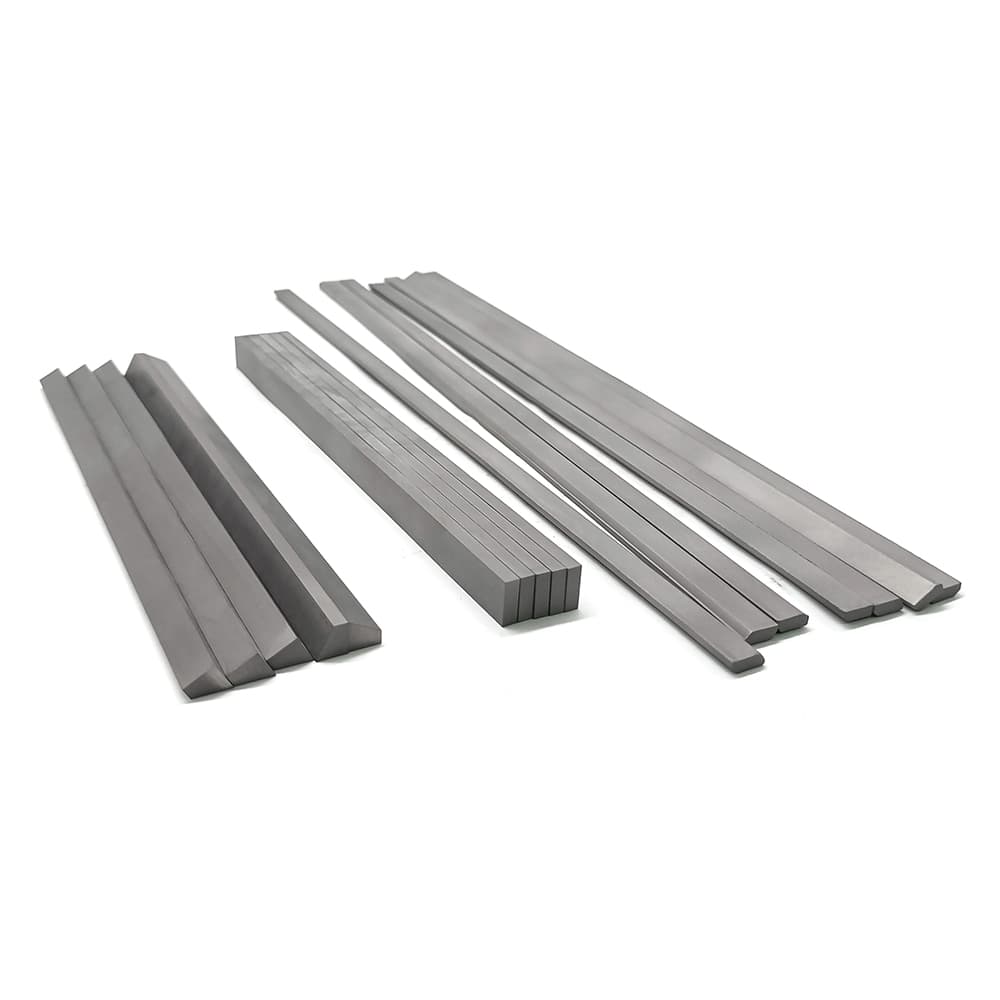
PPB-004
Tungsten Carbide Pelletizer Blade
Tungsten Carbide Pelletizer Blade is built for strand pelletizer knife replacement and die-face pelletizer maintenance. Available in Tungsten Carbide / Carbide for clean pellet cut quality and steady service life. The profiled body suits fixed or rotary stations where alignment and edge exposure matter.
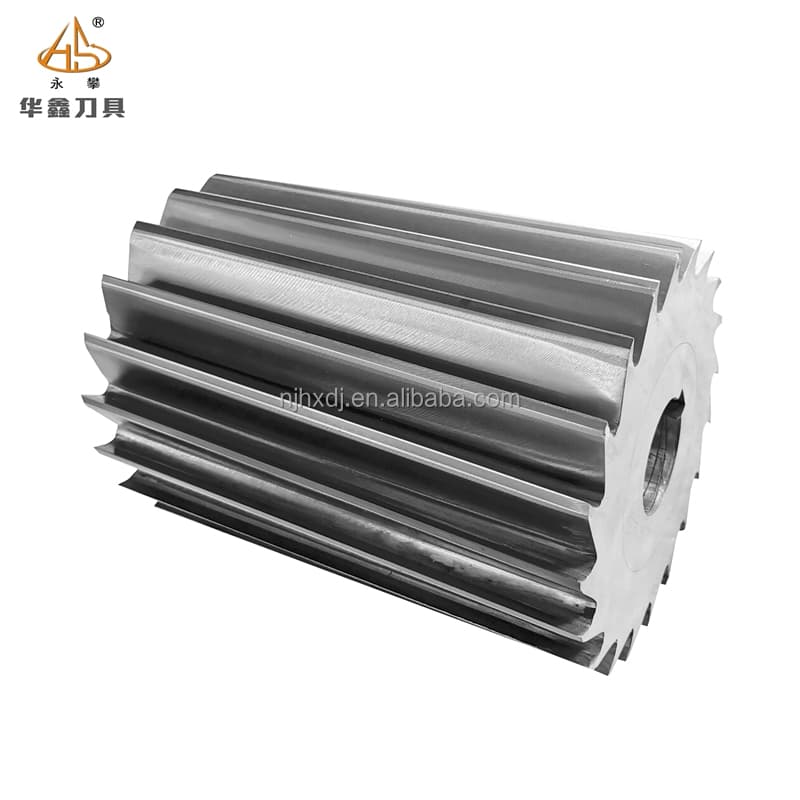
PPB-008
Fluted Pelletizer Cutter
Fluted Pelletizer Cutter is built for pelletizer head rebuilds and feed roller replacement. Available in D2 / SKD11 / M2 / HSS for clean pellet cut quality and steady service life. The profiled form matches rotating cutter drums, hob heads, or feed-roll assemblies.
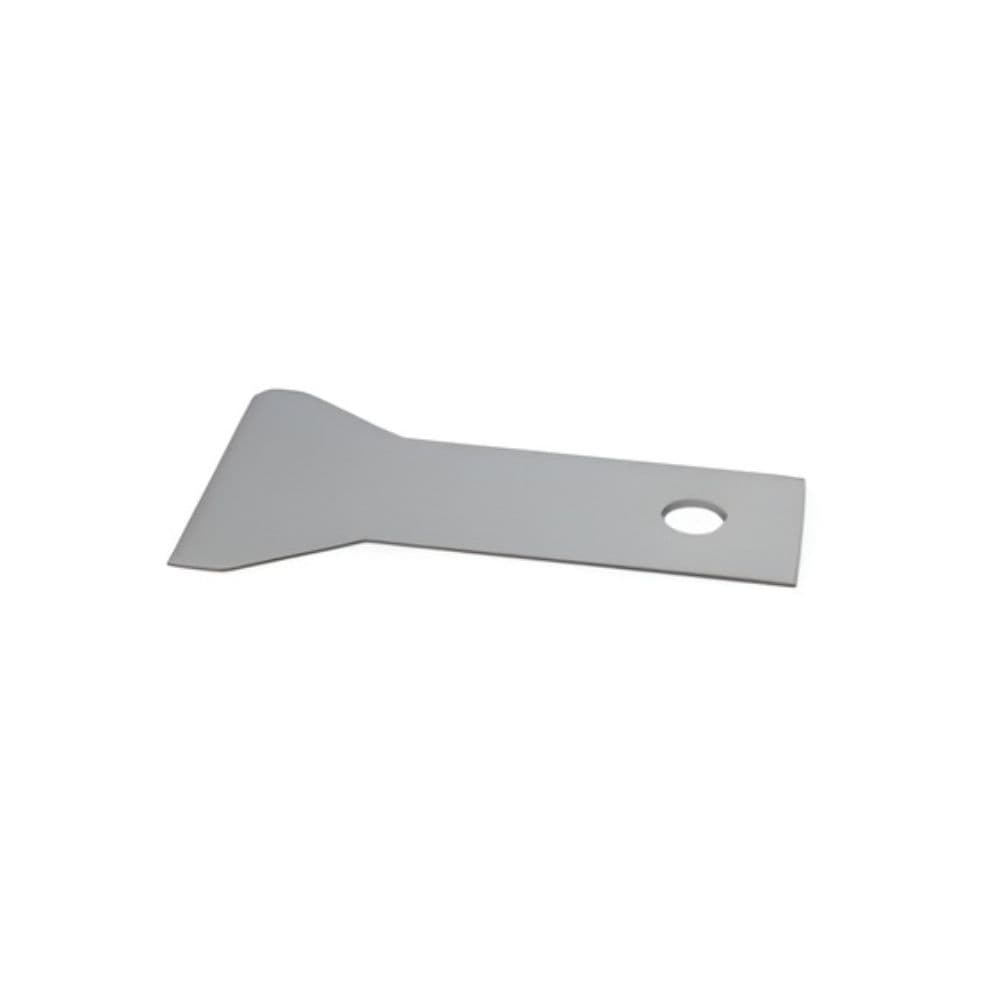
CCK-006
EREMA-Compatible Cutter Compactor Knife
EREMA-Compatible Cutter Compactor Knife is built for cutter compactor rotor replacement and film densifying systems. Available in D2 / SKD11 / HSS / alloy steel for impact resistance, heat control, and predictable regrinding. The straight edge format suits long bolt-on knife bars and clamp-mounted holders.
Related knife categories
Related articles
Pelletizer Knife RFQ Guide: What Buyers Should Send Before Ordering Replacement Cutters
A source-backed buyer guide for die-face and strand pelletizer knives: machine-stage fit, startup scrap signals, and the RFQ data that prevents repeat failures.
Read articleHow to Choose the Right Crusher Blade
Material grades, machine compatibility, and line type—plus where to find matching products in our catalog.
Read articlePP and PE pelletizer knives FAQ
Which knife family is usually involved on PP and PE pelletizing lines?+
Do we need to mention the die plate if we only want new knives?+
Can you quote from a worn sample without a full OEM drawing?+
What changes most often shorten pelletizer knife life on PP or PE lines?+
Which internal pages should we compare before sending the RFQ?+
Primary machine-maker sources behind this guide
This application guide is written from official pelletizer, die-head, and compounding documentation rather than from reseller copy. The sources below were used to frame machine-stage fit, cutting-pair logic, and RFQ structure.
MAAG
M-USG underwater pelletizing strand systems
MAAG ties pellet quality to die-head uniformity, cutting-gap accuracy, solid knife holder design, quick tool exchange, and startup handling.
View sourceMAAG
T200 strand pelletizer
MAAG describes scissor-like strand cutting, eccentric gap adjustment, and a carbide bed knife with four usable edges, which is directly relevant for RFQ structure.
View sourceMAAG
SG-C die head for compounding
MAAG links die-head performance to homogeneous melt distribution, low pressure drop, and die plates with wear protection in compounding and recycling duty.
View sourceCoperion
Pelletizing systems brochure
Coperion explains strand pelletizing through the interaction of stationary bed knife, cutting rotor, pellet-length control, and cutting-gap durability.
View sourceCoperion
UG underwater pelletizer
Coperion highlights optimized die-plate heating, long knife life, wear-proof alloys, and compact design for underwater pelletizing applications.
View sourceNeed pelletizer knives matched to your PP or PE line?
Send your current knife or cutter photos, pelletizing method, polymer family, throughput, and the pellet defect you need to fix. We can review direct replacement, cutting-pair refresh, or broader pelletizing-stage fit.