
Typical PE film line problems behind the RFQ
- •Film wraps, smears, or overheats in the first size-reduction or densifying stage
- •Granulator knives lose edge quickly and the regrind becomes fluffy, dusty, or inconsistent
- •The line can still run, but pellet quality drops because the cutter, bed knife, or compactor set is no longer matched
- •The buyer has only a worn sample or an OEM reference and needs a practical replacement route fast
Why PE film recycling lines need stage-matched knives
PE film recycling is different from hard-plastic grinding because the material moves, stretches, heats, and wraps. A film line does not fail only because a blade is dull. It often fails because the knife geometry, edge condition, and machine stage are no longer matched to the real feed: post-industrial trim, washed film, dirty post-consumer film, or mixed printed scrap.
That is why serious buyers search for PE film shredder knives, cutter compactor knives, or film granulator knives instead of only generic industrial knife terms. They are not buying one universal blade. They are trying to stabilize a sequence of machine stages that all react differently to heat, contamination, and knife clearance.
On film lines, a knife that “fits” but creates more drag, more heat, or more fluff can quietly reduce throughput and pellet consistency long before the line fully stops. That is the real commercial reason to build an application-specific RFQ page for film recycling knives.
Where knives appear on PE film washing and recycling lines
A typical PE film recycling line may include several cutting stages. Not every plant has the same layout, but most buyers are dealing with at least one of the following positions:
- Single-shaft shredder knives for pre-cutting bales, rolls, or bulky film feed before washing or compacting.
- Cutter-compactor or agglomerator knives for densifying light film and controlling heat and feed stability before extrusion.
- Granulator knives for secondary cutting, washed film size reduction, or trim recovery.
- Bed knives or stator knives as the stationary reference that actually controls the real cutting gap.
- Pelletizer blades for the final cutting stage when the line is already running re-pelletizing or compound output.
The right replacement plan depends on where the current failure appears. A buyer asking for “film recycling knives” may actually need help at only one stage, but the symptoms often spread downstream if the upstream knife set is already wrong.
How film feed type changes the knife job
Clean edge trim behaves very differently from dirty post-consumer film. Washed LDPE and LLDPE film can still generate heat and wrapping issues, but printed film, agricultural film, or mixed contamination put more pressure on toughness, edge stability, and maintenance intervals.
In practice, buyers should separate the RFQ by feed condition:
- Post-industrial film often values stable edge quality, low dust, and repeatable regrind.
- Washed post-consumer film still needs balanced wear because moisture, labels, and leftover contamination can change the line behavior.
- Dirty or mixed film may need more conservative hardness and a replacement plan that considers impact, dragging, and operator sharpening habits.
For the closest product families, compare our single-shaft shredder knives, cutter-compactor knives, granulator knives, and pelletizer blades.
Common wear and failure patterns on film lines
Film lines often show softer but more expensive symptoms than hard-plastic lines. Instead of dramatic chipping only, the plant may see heat marks, sticky cutting, unstable feed, fluffier regrind, or pellet changes after several shifts. These symptoms are commercial warning signs because the line may still run while product quality and throughput decline.
- Wrapping and drag often suggest the knife is rubbing or pulling instead of cutting cleanly.
- Smearing or overheating can point to edge condition, stage mismatch, or compactor knife geometry that no longer suits the feed.
- Fast dulling may be driven by contamination, heat, poor sharpening practice, or the wrong wear-toughness balance.
- Dusty or fluffy regrind usually means the cut is becoming less controlled, especially when bed knives are worn.
- Pellet inconsistency may begin upstream, even when buyers first notice it only at the pelletizer.
How to think about steel, edge strategy, and paired replacement
There is no single best steel for every PE film line. Buyers often compare D2, SKD11, HSS, carbide-tipped options, or OEM-style replacements. The better question is which wear pattern is actually hurting the line today: too much heat, too much rounding, early chipping, or unstable cutting after regrind.
On film lines, the edge strategy matters as much as the material grade. A higher-wear grade may not help if the plant really has a clearance, alignment, or paired-set issue. That is especially true where the rotor knife is replaced but the bed knife, stator knife, or compactor mating part is still worn.
For steel comparisons, start with our blade selection guide. For maintenance planning, pair it with our maintenance article and include actual symptoms in the RFQ instead of only asking for the hardest available grade.
What to send for a fast PE film recycling knife quotation
The fastest PE film knife RFQs combine fit data with process context. Even without a perfect OEM drawing, good photos and a clear line description usually move the review forward quickly.
- Machine brand and model, if known
- Machine stage: shredder, cutter compactor, granulator, bed knife, stator, or pelletizer
- Feed type: clean trim, washed film, post-consumer film, printed film, woven bag, or mixed soft plastic
- Current symptom: wrapping, smearing, heat, short life, dust, unstable regrind, or pellet inconsistency
- Blade dimensions, hole pattern, and seat-contact photos
- Old blade photos from front, side, and holder-contact positions
- Required quantity, sharpening cycle expectations, and destination country
If your team is sourcing for Southeast Asia, export RFQs are easier when you also say whether the job is for a recycler, machinery dealer, service contractor, or parts trader. Use the contact page or the inquiry form below and mention that the job is for a PE film recycling line.
Representative parts for this line
Use the closest shape below as your RFQ reference, then send dimensions or old-blade photos for fit review.
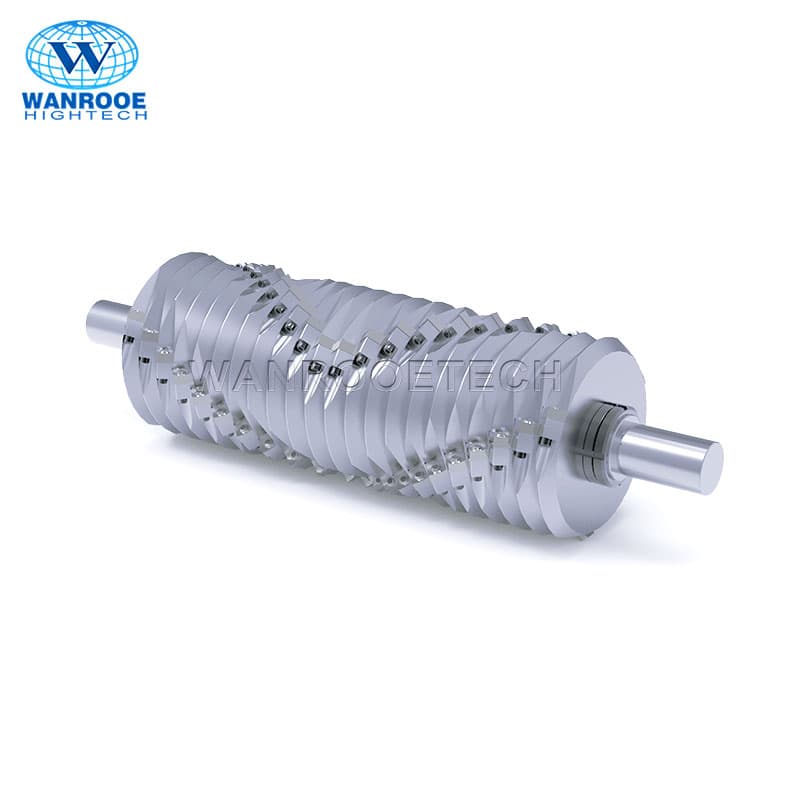
SSK-002
Plastic Single-Shaft Shredder Knife
Plastic Single-Shaft Shredder Knife is built for single-shaft shredders and film and woven bag shredding. Available in D2 / SKD11 / carbide-tipped alloy steel for wear resistance and repeated indexing in shredder rotors. The cutter geometry suits stacked shredder rotors and indexable cutter assemblies.
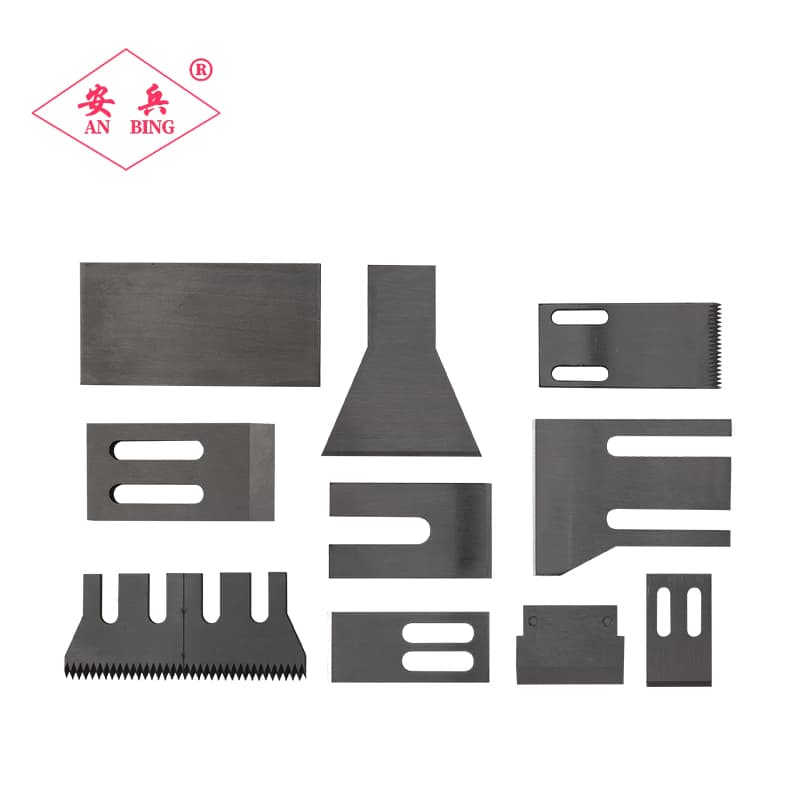
PGK-004
Film Granulator Insert Knife
Film Granulator Insert Knife is built for film and woven bag granulation and edge trim recovery. Available in SKD11 for clean regrind, stable clearance, and practical resharpening cycles. The insert-style format fits compact cutter seats and short replacement positions.
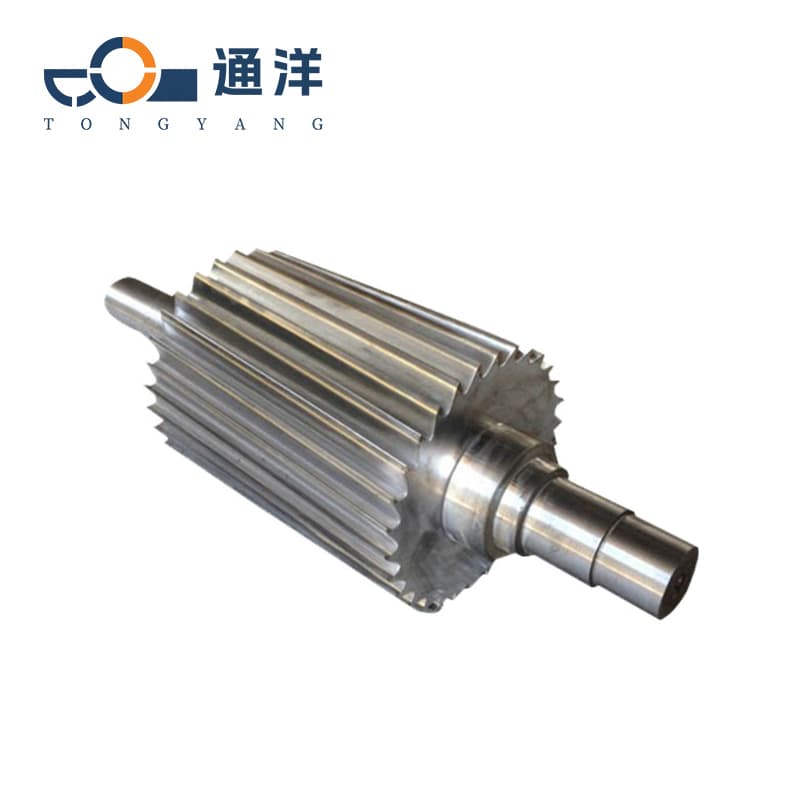
GBK-001
Granulator Bed Knife
Granulator Bed Knife is built for granulator bed knife replacement and pet bottle and rigid plastic grinding. Available in SKD11 / D2 / HSS / tungsten carbide for stable rotor clearance and consistent granulation quality. The insert-style format fits compact cutter seats and short replacement positions.
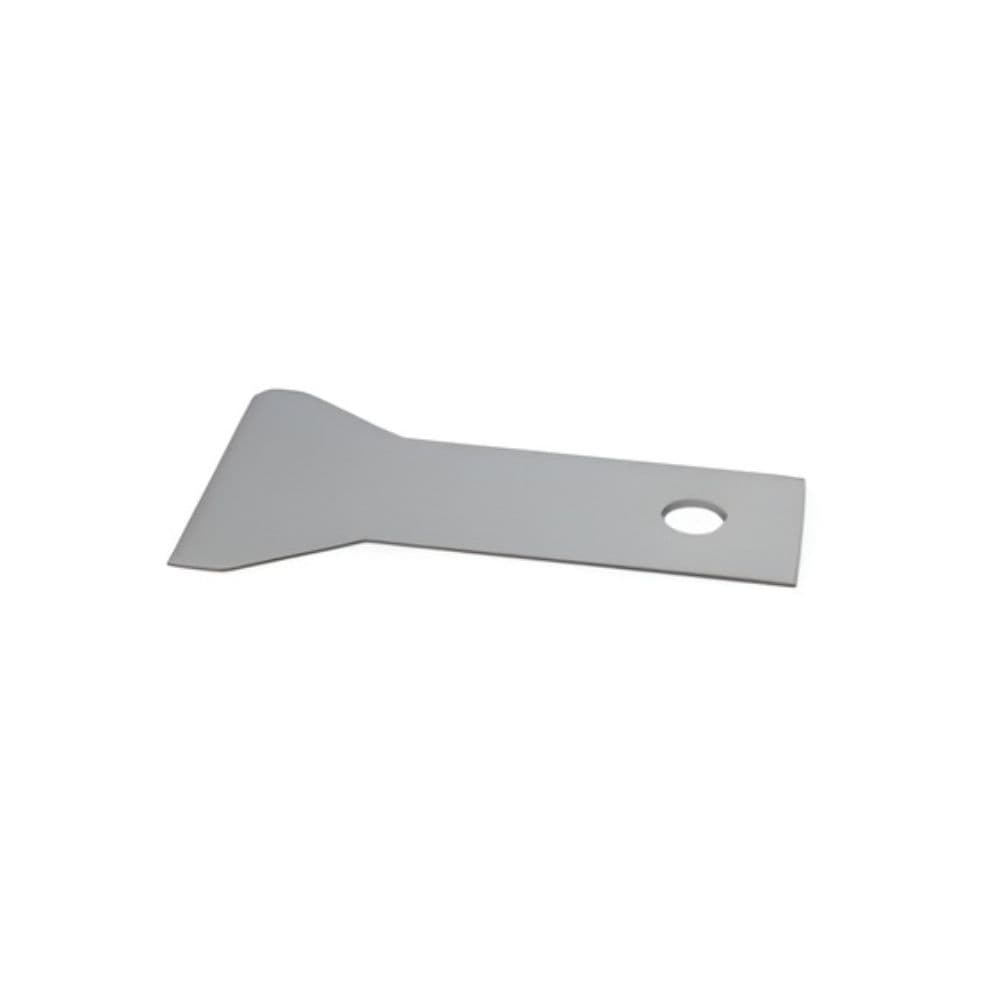
CCK-006
EREMA-Compatible Cutter Compactor Knife
EREMA-Compatible Cutter Compactor Knife is built for cutter compactor rotor replacement and film densifying systems. Available in D2 / SKD11 / HSS / alloy steel for impact resistance, heat control, and predictable regrinding. The straight edge format suits long bolt-on knife bars and clamp-mounted holders.
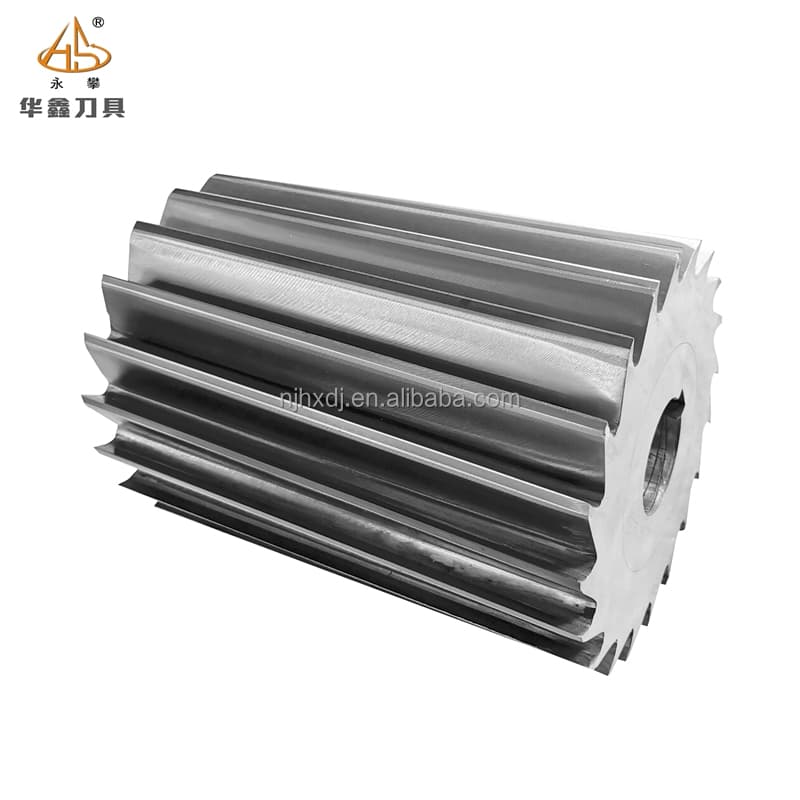
PPB-008
Fluted Pelletizer Cutter
Fluted Pelletizer Cutter is built for pelletizer head rebuilds and feed roller replacement. Available in D2 / SKD11 / M2 / HSS for clean pellet cut quality and steady service life. The profiled form matches rotating cutter drums, hob heads, or feed-roll assemblies.
Related knife categories
Related articles
PE film recycling knives FAQ
Which knives are normally used on a PE film recycling line?+
Why do PE film knives fail differently from rigid plastic knives?+
Do we need to replace bed knives or mating parts together with rotor knives?+
Can you quote film recycling knives from old samples or photos?+
Are EREMA-compatible cutter-compactor knives and pelletizer blades available?+
Do you support export orders for Southeast Asia film recyclers?+
Need PE film recycling knives matched to your actual line stage?
Send the current knife photo, the machine stage, the feed condition, and the main symptom you are seeing. We can review shredder, compactor, granulator, bed knife, or pelletizer positions and suggest the closest replacement route.