
Cable recycling lines: copper loss rises, plastic carryover grows, and granulator stages stop cutting cleanly
If copper stays trapped in insulation, the plastic fraction carries metal, or the line creates more middling and re-granulation than before, the safest purchase is to quote the cable line by shredder, granulator, bed-knife, screen, and separation stage rather than replace one cutter in isolation.
Typical field problems
- •The plant still produces saleable copper, but plastic carryover, middling recirculation, and rework are rising and the team cannot tell whether the issue starts in the shredder, the granulator, or the separator.
- •The buyer asks for replacement cable granulator knives, yet the underlying failure may involve screen choice, bed-knife condition, pre-shred size, wire bundles, or the way thin cable now enters the line.
- •A worn sample exists, but the quotation needs cable type, output target, and stage context so the next batch does not repeat the same copper-loss or purity complaint.
Buyer conclusion first: if a cable-recycling line is leaving copper in the plastic fraction, sending too much middling back for re-granulation, or making the granulator run hotter and less cleanly than before, the safest buying decision is not to ask only for a harder knife. Quote the line by single-shaft shredder knife, industrial shredder cutter, granulator knife, and bed or fixed knife stage, then connect that quote to the separator and recirculation logic. Cable lines make money on recovery, purity, and uptime together, not on knife replacement in isolation.
Machine-stage fit: the official machine-maker references all describe cable recycling as a sequence. MTB Recycling lays the process out as shredding, granulation, and separation, and says the line can process copper or aluminum cables, THT, ACSR, and automotive harnesses to recover fine copper, copper and aluminum granules, and mixed plastics. Guidetti says its Sincro Mill integrates a blade mill granulator, zig-zag separator, refining turbine, and dry densimetric table for mixed rigid and flexible cables. Stokkermill describes a cable line with pre-grinding, magnetic separation, turbo granulation, and densimetric separation. Those are direct buyer signals: the RFQ should describe which stage is underperforming before anyone picks the knife family.
RFQ criteria: send the machine brand and model, the exact cutting stage, the cable mix, the target output, the current symptom, worn-knife photos with a ruler, installed bed-knife or holder photos, and the adjacent-stage complaint if purity or copper loss is part of the problem. Name whether the feed is rigid copper cable, flexible cable, fine wire, data cable, ACSR, automotive harness, mixed e-scrap cable, or a blend that now includes more connectors, ferrous contamination, or rubber and PVC insulation. Before you send the inquiry, compare this page with the new cable recycling application guide, the new cable knife RFQ article, our granulator gap checklist, and the contact page.
Why copper loss is usually a stage-fit problem, not a knife-only problem
Cable recycling buyers often phrase the complaint as a purity problem: copper is still sticking to plastic, the separator is sending too much material into middling, or the plastic fraction is carrying visible metal fines. That wording is commercially useful, but it does not automatically mean the separator alone is at fault. Eldan's cable sorting page states that even small losses of copper mean significant revenue loss and describes conventional separation as leaving copper mixed with other metals, reducing value and increasing rework. That is exactly why knife-stage fit matters so much. If the pre-shred stage sends irregular pieces, if the granulator makes inconsistent size, or if the bed-knife and screen no longer create the intended granule, the separator is forced to solve a problem that started earlier.
Eldan's REDOMA page is especially useful for buyer logic because it treats cable lines as connected equipment rather than one interchangeable mill. The rough chopper handles pieces, coils, and bundles. The granulator downsizes cable to granule size. The separator splits metal, insulation, and an intermediate fraction with insulation still sticking to the wire, and that middling fraction is fed back for re-granulation. That means a serious RFQ should name whether the line problem is poor pre-shred consistency, unstable granule size, excessive middling, or separator overload. Those are different knife-buying problems.
Where Leader Blades parts fit in a cable recycling line
Leader Blades is a fit for the cutting positions that match the site catalog: single-shaft shredder cutters, industrial shredder knives, granulator knives, and granulator bed or fixed knives. Good starting pages include recycling single-shaft shredder knives, general-purpose industrial shredder knives, fixed granulator knives, and granulator bed knives. These are the positions where fit, edge condition, and maintenance discipline directly affect the shape of the cut material entering the next step.
That boundary is important because cable lines also rely on adjacent systems that are not Leader Blades knife positions: magnetic separation, zig-zag or air classification, densimetric tables, optical sorting, and non-knife conveying or feeding components. The quote should still mention those systems when they are part of the complaint. If the line is losing value in separation, the knife supplier needs to know whether the cutting stage is supposed to deliver coarse chopped cable, granule-sized material, or a cleaner fraction ready for densimetric or optical sorting.
Failure patterns that change the quote immediately
The practical plant language is usually not "knife failed" but "the line makes more whiskers," "the plastic is carrying copper," "more middling is coming back," "the chamber is running hot," "thin cable is not separating cleanly," or "the screen is plugging after the feed mix changed." Each symptom changes the RFQ. More whiskers and attached copper point toward cut quality, granule size, and the interaction of rotor knife, bed knife, and screen. Hot running and fast wear point toward the cutting pair, feed load, or a change in cable mix. Rising middling can mean the line is recirculating more material because the size and liberation from the cutting stage drifted before separation.
Guidetti says Sincro Mill can process rigid and very thin cables in one compact system, while Stokkermill says its TURBOFLEX line uses a turbo cell refiner so small-diameter cables can be processed without changing the screen or doing costly sorting first. Those references matter because they show the commercial complaint is often about line flexibility and stage coordination, not about one generic knife grade. When a buyer says the line now sees more fine wire, more mixed cable, or more harness material than before, that information belongs in the first quote request.
Practical selection notes for buyers, dealers, and service teams
Use three RFQ levels. Level one is direct replacement because the stage is healthy and the order is simply for scheduled spare knives. Level two is cutting-pair review because the granulator no longer cuts cleanly, the bed-knife or screen condition now matters, or the line shows more heat, fines, or copper loss than before. Level three is line-fit review because the cable mix, output target, or downstream separator behavior changed the commercial duty of the cut. That structure helps both end users and dealers ask for the right level of review without turning the RFQ into a full engineering report.
For regional traders and service teams, use real plant language instead of broad sourcing language. "Mixed copper and aluminum cable," "fine data cable added to the feed," "more ACSR," "automotive harnesses with clips," "PVC and rubber insulation mix," and "separator purity is drifting" are more useful than a generic request for cable granulator knives. Add whether the order is for emergency shutdown coverage, planned spare stock, or a trial batch copied from worn parts. That tells the supplier how much geometry review and stage review is actually needed.
What to send for a faster cable-recycling quote
- Machine brand, model, shaft or rotor type, and the exact stage under review.
- Cable mix: copper or aluminum, rigid or flexible, data cable, fine wire, ACSR, harnesses, or mixed e-scrap cable.
- Contamination notes: connectors, ferrous pieces, rubber insulation, PVC, dirt, moisture, or unusually thin material.
- Target output: coarse chopped cable, granule for densimetric separation, cleaner metal fraction, lower middling, or lower copper loss in plastic.
- Old knife photos: face, side profile, thickness, hole pattern, edge damage, and installed holder or bed-knife photos.
- Screen, bed-knife, or fixed-knife details where they influence cut size and release of copper from insulation.
- Current symptom: hot running, more fines, whiskers, copper carryover, excess middling, unstable purity, or repeated edge damage.
- Commercial request: direct replacement, trial lot, shutdown spare set, or broader stage-fit review.
Use the contact form when the photo set is ready. If you only have worn samples, say that clearly. Worn-sample quoting is normal in cable recycling, but the sample should be paired with stage and symptom so the replacement batch is not simply a precise copy of the previous failure.
FAQ and buyer guidance
Do buyers need to mention output purity? Yes. In cable lines, copper loss and purity are part of the business case, not just a lab result. Do separator complaints belong in a knife RFQ? Yes, if the complaint is driven by cut quality, middling, or granule shape entering separation. Which internal pages should buyers compare next? Start with the cable recycling application guide, the cable knife RFQ article, single-shaft shredder knives, granulator knives, and the contact page.
Primary sources used on this page: Guidetti Sincro Mill series, Guidetti Wire Pro series, Eldan REDOMA cable equipment, Eldan cable sorting, MTB cable recycling process, Stokkermill TURBOFLEX cable granulator, and Stokkermill copper recycling plant.
Example parts from our catalog
Close shapes for quoting—send ruler photos or drawings so the factory confirms fit before you lock in quantity.
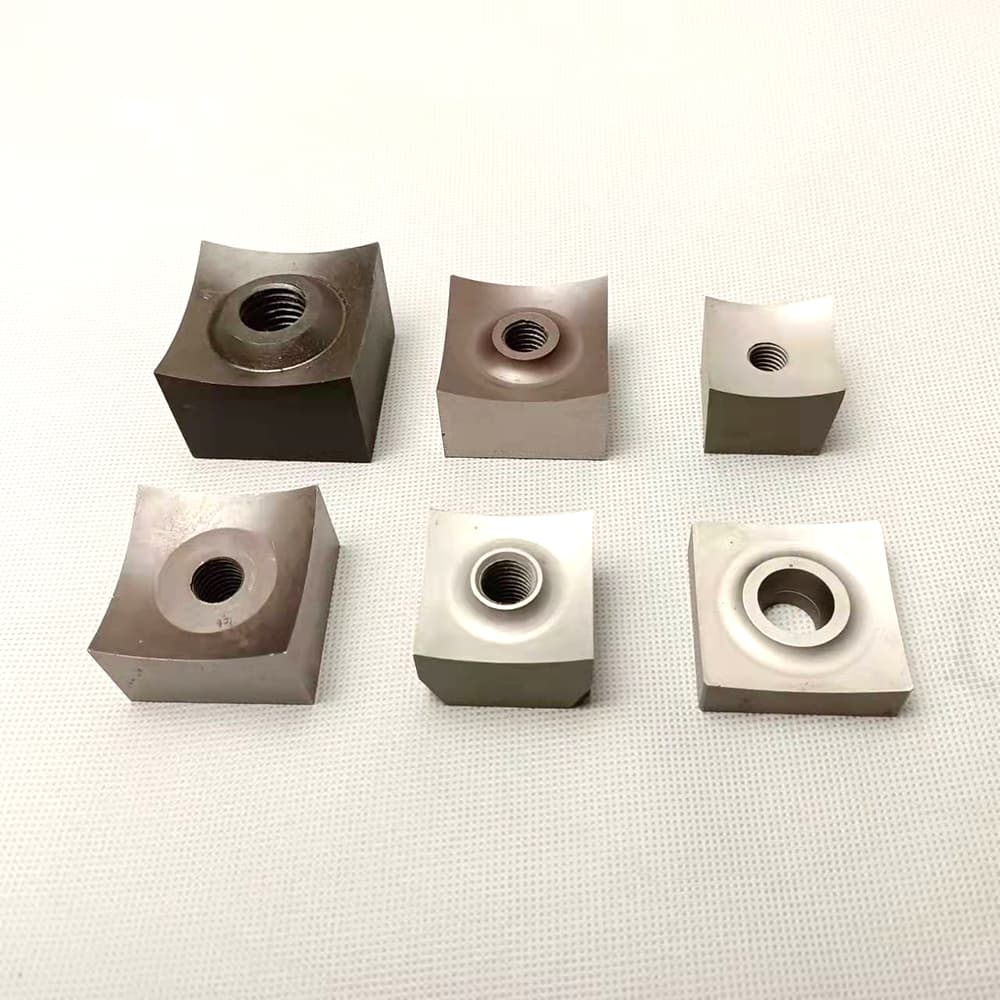
SSK-009
Recycling Single-Shaft Shredder Knife
Recycling Single-Shaft Shredder Knife is built for single-shaft shredders and film and woven bag shredding. Available in D2 / SKD11 / carbide-tipped alloy steel for wear resistance and repeated indexing in shredder rotors. The cutter geometry suits stacked shredder rotors and indexable cutter assemblies.
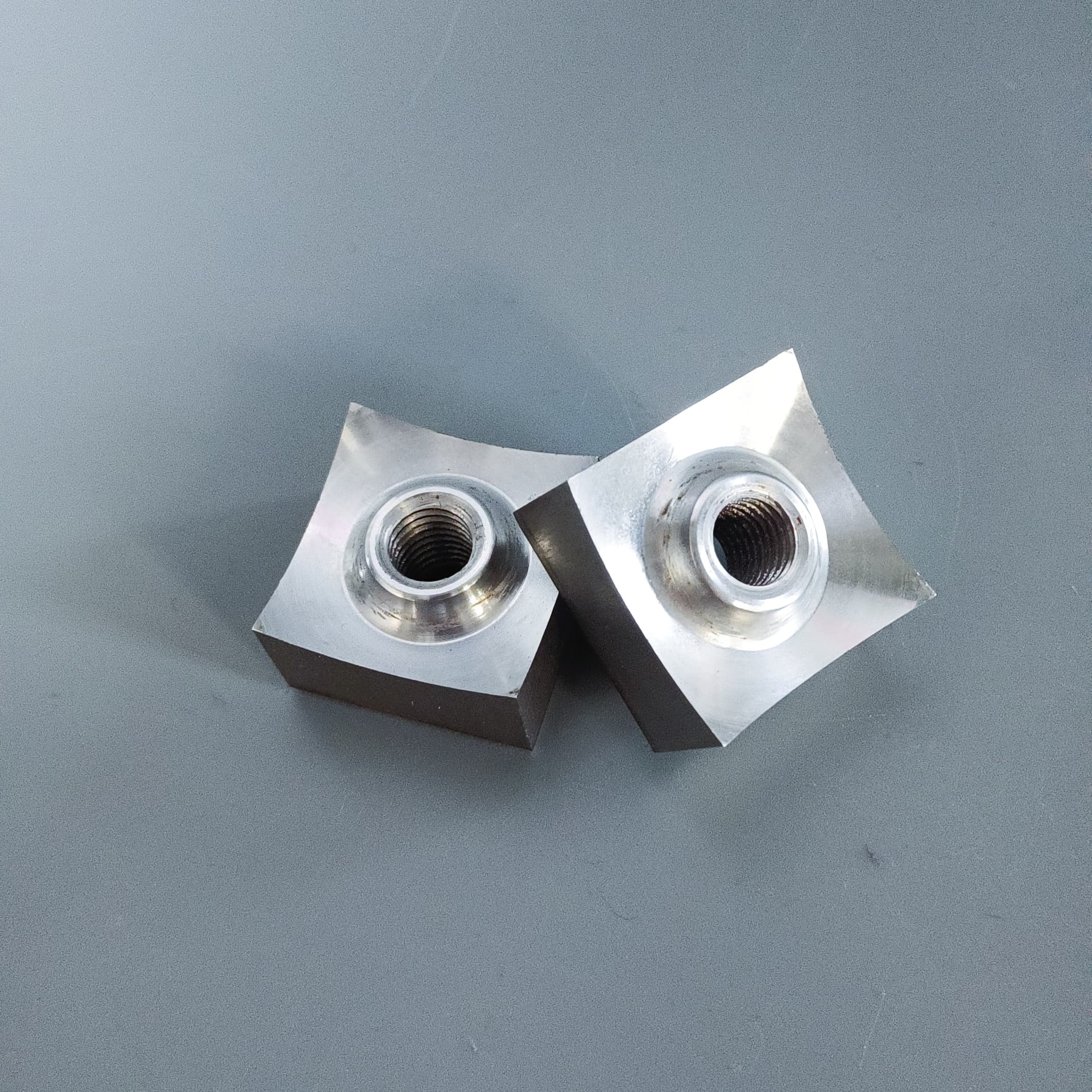
GSK-006
General-Purpose Industrial Shredder Knife
General-Purpose Industrial Shredder Knife is built for industrial recycling lines and mixed scrap size reduction. Available in D2 / SKD11 / HSS / alloy steel for mixed-feed shredding and steady replacement life. The profiled body suits fixed or rotary stations where alignment and edge exposure matter.
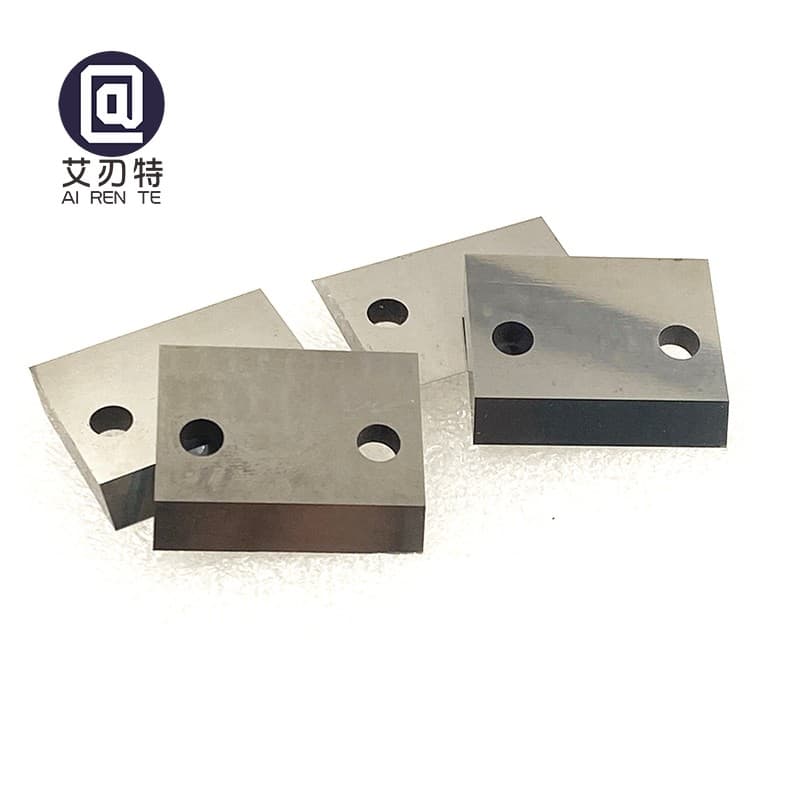
PGK-001
Fixed Granulator Knife
Fixed Granulator Knife is built for plastic granulation lines and rigid and film regrind. Available in SKD11 / D2 / HSS / 9CrSi for clean regrind, stable clearance, and practical resharpening cycles. The profiled body suits fixed or rotary stations where alignment and edge exposure matter.
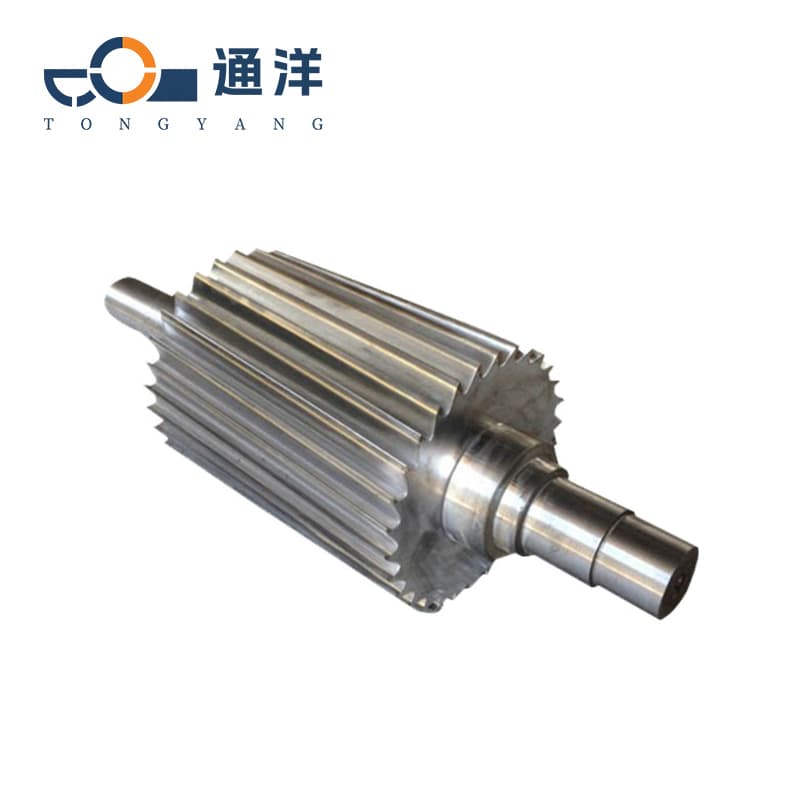
GBK-001
Granulator Bed Knife
Granulator Bed Knife is built for granulator bed knife replacement and pet bottle and rigid plastic grinding. Available in SKD11 / D2 / HSS / tungsten carbide for stable rotor clearance and consistent granulation quality. The insert-style format fits compact cutter seats and short replacement positions.
Related catalog categories
Deep reading
Cable Recycling Knife RFQ Guide: What Buyers Should Send Before Ordering Granulator or Shredder Knives
A source-backed buyer guide for cable recycling shredder cutters, granulator knives, bed knives, and RFQ details that help stop copper loss, purity drift, and repeat line-fit mistakes.
Read articleGranulator Knife Gap Checklist: Reduce Dust, Fines, and Noise
A practical rotor-to-bed-knife inspection flow for recyclers seeing dusty regrind, noisy cutting, or repeated knife damage after a blade change.
Read articleSingle-Shaft Shredder Knife Indexing: Buyer RFQ Guide
An original buyer guide built from official machine documentation: when indexing helps, when chamber wear matters more, and what to send before requesting a quote.
Read article
Need this applied to your line?
Mention this solution hub in your message so sales engineering opens the thread with the right checklist.