
IBC tote and HDPE drum recycling lines: oversize flakes rise and knife life falls
When IBC and plastic-drum lines start making larger flakes, unstable feed, or repeated knife-change downtime, the safer fix is usually a stage-fit review across shredder, crusher, and granulator positions.
Typical field problems
- •The plant keeps replacing knives, but oversize flakes, unstable bite, or hot granulator running return after every shutdown.
- •The buyer has old parts and photos, yet the real problem may sit in the stage sequence, pocket support, hollow-body feed behavior, or downstream size target.
- •The RFQ needs to cover clean HDPE drums, composite IBCs, blow-molding rejects, and contaminated containers without inventing service-life claims.
Buyer conclusion first: when an IBC tote or HDPE drum recycling line starts sending oversize flakes into washing, producing unstable feed after the shredder, or forcing the granulator to run hotter and dirtier, the lowest-risk purchasing decision is not to ask for a harder blade in isolation. The safer commercial move is to review the cutting stages as a connected system: single-shaft shredder knives for the first break-down of hollow bodies, crusher blades for secondary reduction, and granulator bed and fixed knives for final control of flake size and cut stability. Large containers can keep the same part number and still stop matching the actual duty when the plant shifts from clean plastic-only drums to caged IBCs, contaminated containers, or in-house blow-molding scrap.
Machine-stage fit: the official machine-maker references for this material stream consistently describe IBC and drum recycling as a staged process, not a one-knife question. On WEIMA's IBC recycling pages, shredding is the first step, the hydraulic pusher presses the plastic against the rotor, and the result is a homogeneous particle size suitable for the next process step before washing, drying, extrusion, and reuse. WEIMA also says large hollow bodies can be equipped with additional pressing support and that both plastic tanks and steel cages can be shredded and then separated by downstream metal-separation technology. Vecoplan positions its VDZ combined shredder granulator specifically for start-up lumps, bulky items, and large-volume components such as IBCs, canisters, and drums. ZERMA describes the ZIS single-shaft shredder as well suited for large hollow products such as barrels or IBCs, and its ZIS datasheet adds why buyers care about that stage: machined knife pockets, turnable square cutters, and more internal chamber volume for voluminous parts.
RFQ criteria: send the machine brand and model, the exact stage where the complaint begins, the container type, whether the IBC is still caged or already separated, current output expectation, old knife photos, and whether the line is handling clean post-industrial scrap, blow-molding rejects, or post-consumer containers with contamination risk. Add the current symptom in plain plant language: poor bite, bridging, oversize flakes, broken corners, one-sided wear, hot granulator operation, extra fines, or unstable feed into washing. Before sending the inquiry, compare this page with the new IBC and HDPE drum application guide, the new IBC drum RFQ article, our existing rigid-plastic recycling guide, and the contact page.
Buyers often underestimate how different this feed is from bottles, trays, or even heavy purgings. On WEIMA's U.S. IBC page, the most common rigid IBC is described as a composite package with an extrusion blow-molded HDPE tank, a galvanized steel grid, and a pallet. The same page describes plastic drums and canisters as PE or HDPE containers used for liquids, semi-solids, and pastes, and it notes that IBC totes come in multiple sizes while standard units are around pallet footprint. Those details matter to knife buyers because they change how the feed enters the chamber. A hollow blow-molded tank, a drum with residual contents, and a caged composite IBC do not load the rotor or fixed edge in the same way, even if the purchasing team refers to all of them simply as "rigid plastic containers."
The first-stage shredder decision therefore carries more commercial weight than many buyers expect. WEIMA's IBC recycling pages describe feeding containers by conveyor, crane, wheel loader, or forklift and reducing them to a process-ready size for downstream handling. ZERMA's shredder literature and ZIS datasheet add the buyer-facing details that matter in an RFQ: internal ram design for more chamber volume, machined knife pockets, and turnable square cutters that can be indexed after one side wears. In practical terms, that means a serious first-stage RFQ should mention whether the line is losing bite on whole containers, wearing one cutter row faster than the others, or sending irregular pieces that make the next stage unstable. If the plant is now feeding larger hollow bodies, more caged IBCs, or more abrasive filled material than before, the right purchasing discussion is stage fit first and steel choice second.
The second-stage crusher and granulator decision is where many repeat failures are created. Vecoplan's VDZ description is useful because it explains the commercial goal of combining shredding and granulating when bulky plastic inputs still have to reach a desired output grain size for direct reuse in the production flow. WEIMA also connects shredded IBC and drum flakes to washing, drying, extrusion, and reuse, including blow-molding waste such as squeeze-off edges, slugs, and deformed containers that can be shredded and ground directly on site. Those official references point buyers to the same conclusion: if oversize flakes, unstable regrind, or hot running appear after the first stage, the plant should review the crusher or granulator knives, the fixed-side condition, and the downstream size target together. The line is no longer buying a simple spare. It is buying process stability for washing or closed-loop reuse.
Practical selection notes for buyers, dealers, and service teams: divide the job into three levels. Level one is direct replacement because the line is healthy and the need is simply recurring spare stock. Level two is stage review because the container mix, contamination level, or output quality has changed and the current knife family may no longer match the work. Level three is line review because the complaint now links shredder output, crusher loading, and granulator behavior together. This framing is especially helpful when the plant handles both in-house blow-molding scrap and post-consumer IBC or drum waste. The parts may look similar, but the safest RFQ is different when the buyer is trying to close an internal production loop versus stabilize a post-consumer washing line.
What photos and samples help fastest: send one face photo with a ruler, one side profile that shows bevel or insert format, one installed photo that shows the holder or pocket, and one view of the next stage if the complaint continues downstream. Add whether the container is plastic-only, composite, or contaminated; whether the cage is present; and whether the order is for direct replacement, trial batch, or broader stage review. If the line is already screening or washing material after shredding, mention that because the supplier needs to know whether the target is coarse volume reduction or a more controlled flake for reuse. Good starting product pages include the hard-plastic single-shaft shredder knife, general plastic single-shaft shredder knife, plastic crusher plate knife, fixed plastic crusher knife, granulator bed knife, and granulator fixed knife.
Expert buyer note: clean containers, contaminated containers, and in-house rejects should not be grouped into one vague knife request. WEIMA explicitly separates clean circular use, contaminated IBC processing with wear protection and washing, and in-house blow-molding scrap. ZERMA separates large hollow products from smaller purgings and lumps. Vecoplan separates two-stage shredding for bulky plastic inputs that still need granulate output. All three official sources point to the same RFQ rule: tell the supplier exactly where the part sits in the line, what kind of container is being reduced, and what the plant is trying to stabilize commercially. That is how buyers reduce wrong-fit reorders without inventing claims about miraculous blade life.
Primary sources used on this page: WEIMA IBC recycling overview, WEIMA U.S. IBC tote and plastic drum recycling page, Vecoplan VDZ combined shredder granulator, ZERMA single-shaft shredder overview, and ZERMA ZIS shredder datasheet.
Example parts from our catalog
Close shapes for quoting—send ruler photos or drawings so the factory confirms fit before you lock in quantity.
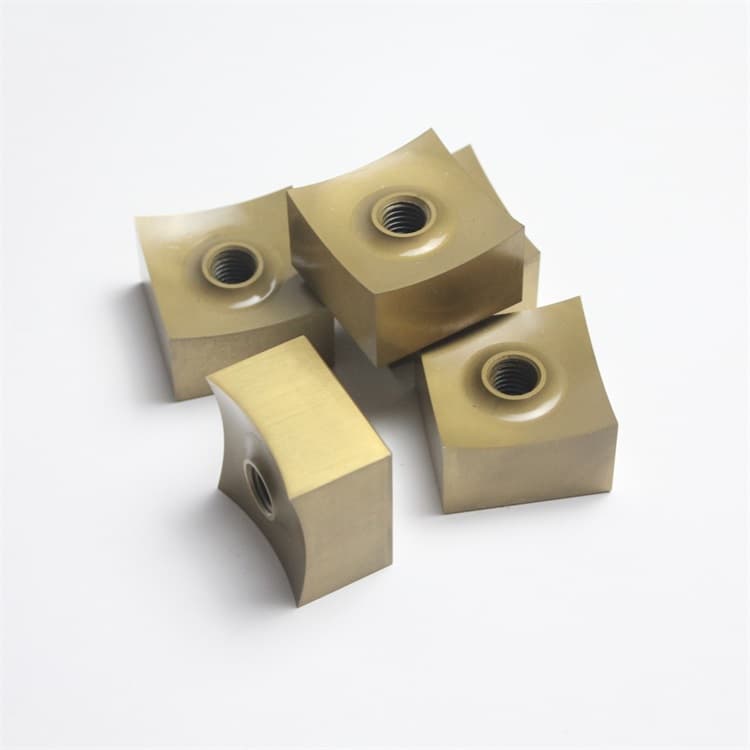
SSK-006
Hard Plastic Single-Shaft Shredder Knife
Hard Plastic Single-Shaft Shredder Knife is built for single-shaft shredders and film and woven bag shredding. Available in D2 / SKD11 / carbide-tipped alloy steel for wear resistance and repeated indexing in shredder rotors. The cutter geometry suits stacked shredder rotors and indexable cutter assemblies.
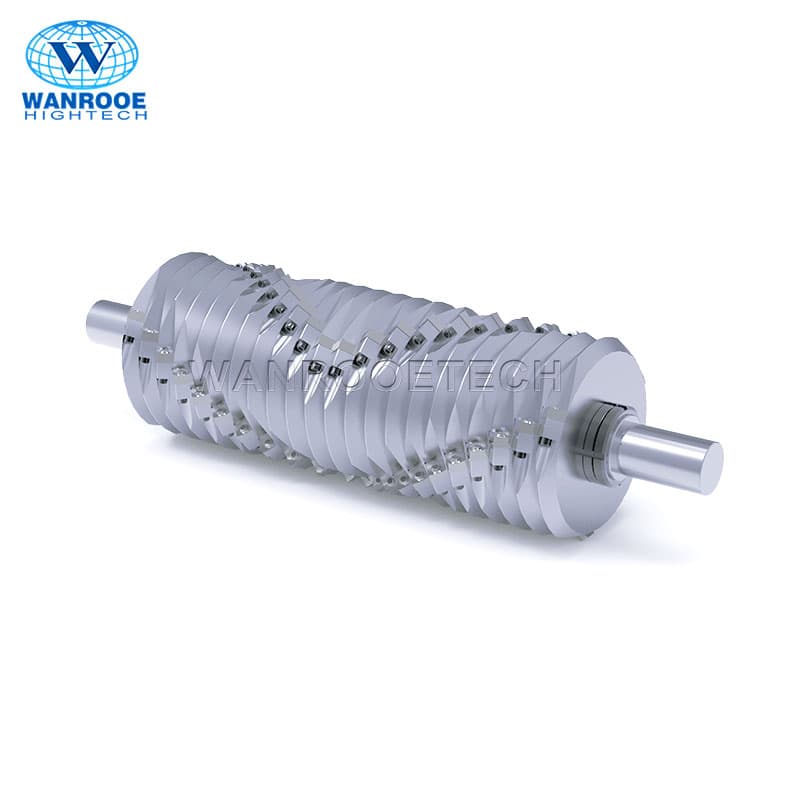
SSK-002
Plastic Single-Shaft Shredder Knife
Plastic Single-Shaft Shredder Knife is built for single-shaft shredders and film and woven bag shredding. Available in D2 / SKD11 / carbide-tipped alloy steel for wear resistance and repeated indexing in shredder rotors. The cutter geometry suits stacked shredder rotors and indexable cutter assemblies.
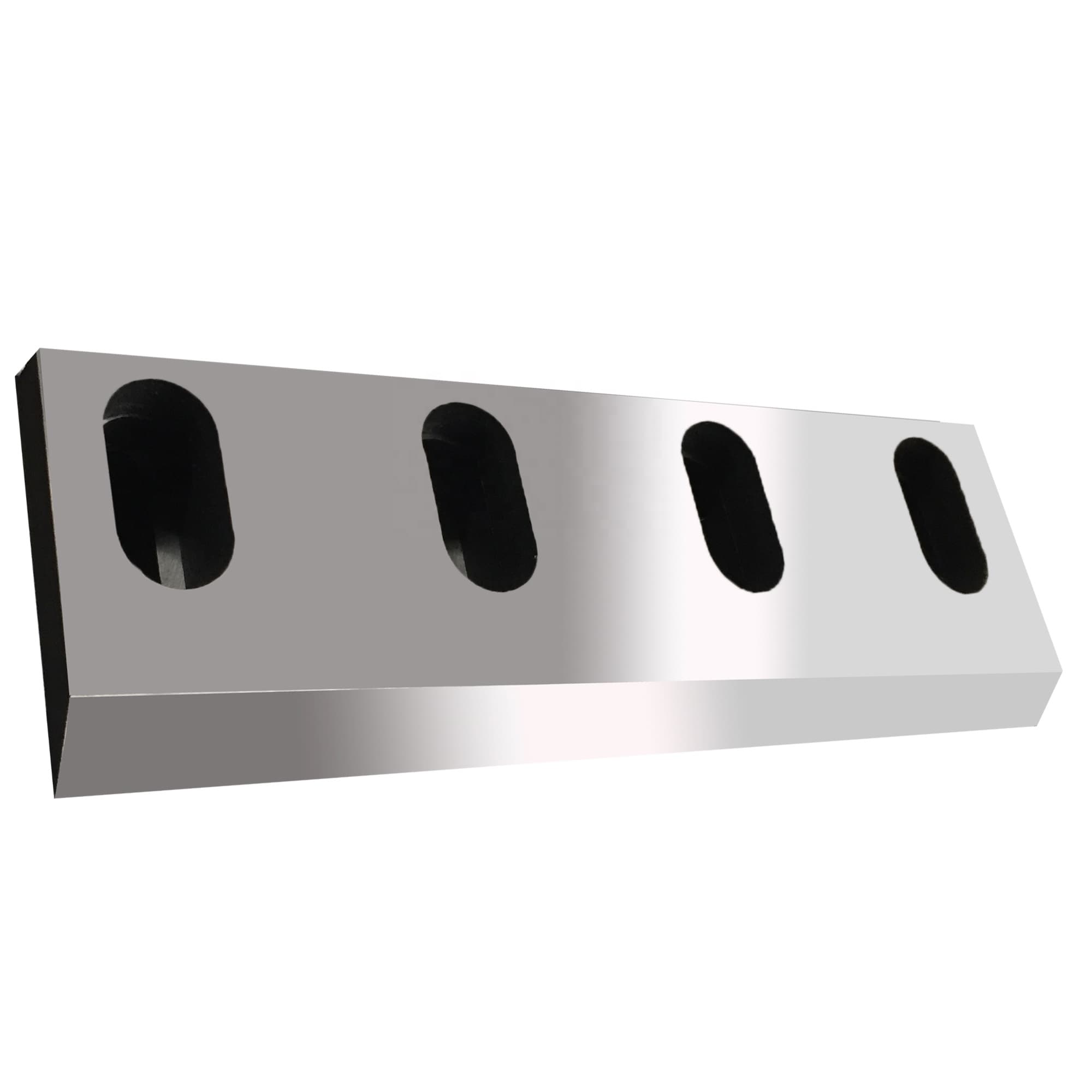
PCB-002
Plastic Crusher Plate Knife
Plastic Crusher Plate Knife is built for pet bottle crushing lines and rigid plastic size reduction. Available in SKD11 / 9CrSi for wear resistance, stable knife clearance, and repeatable sharpening. The straight edge format suits long bolt-on knife bars and clamp-mounted holders.
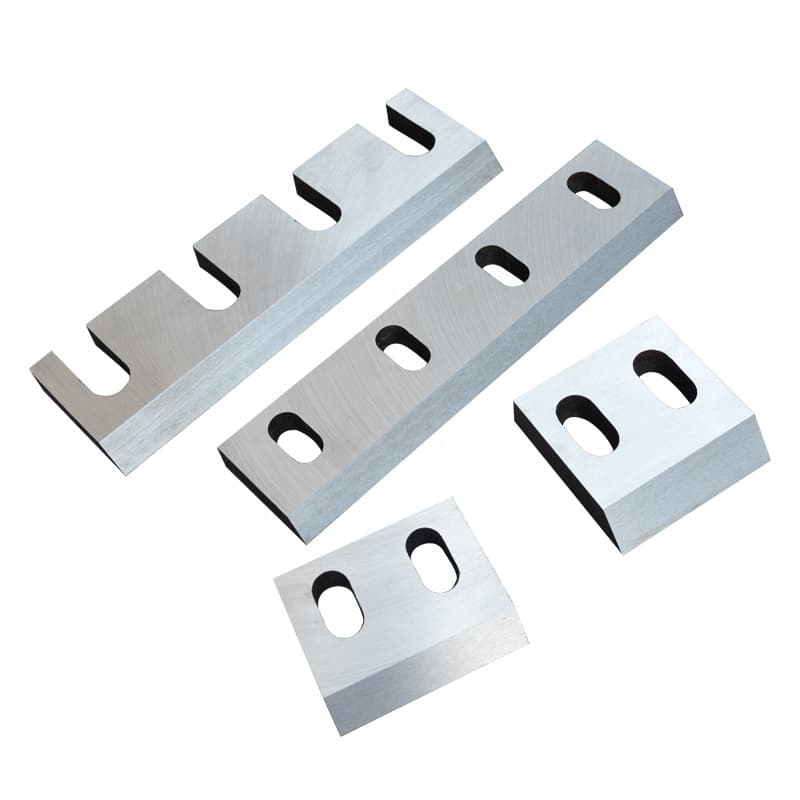
PCB-010
Fixed Plastic Crusher Knife
Fixed Plastic Crusher Knife is built for pet bottle crushing lines and rigid plastic size reduction. Available in D2 / SKD11 / Cr12MoV / HSS for wear resistance, stable knife clearance, and repeatable sharpening. The insert-style format fits compact cutter seats and short replacement positions.
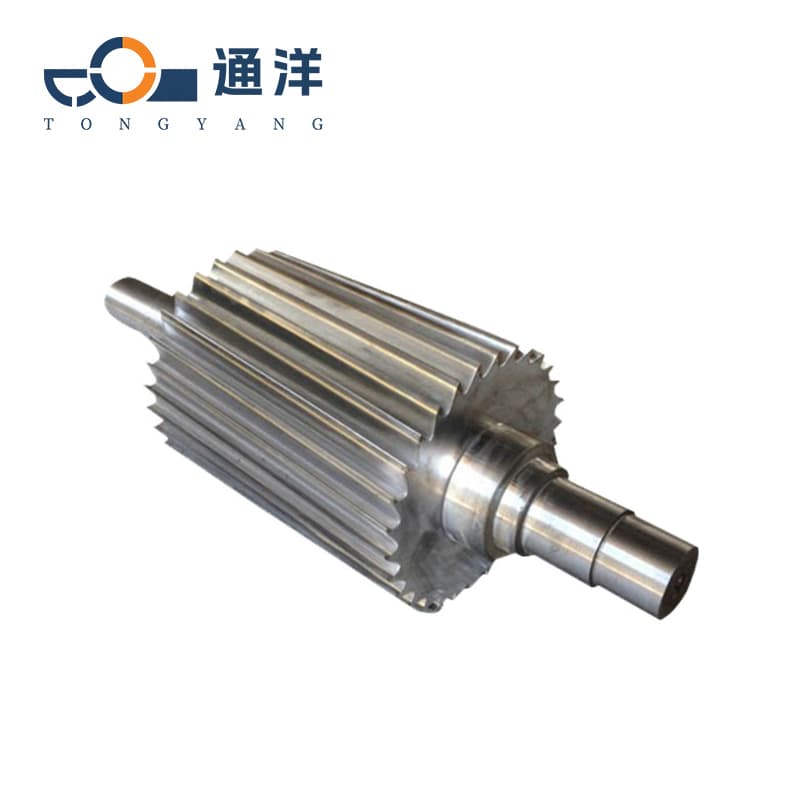
GBK-001
Granulator Bed Knife
Granulator Bed Knife is built for granulator bed knife replacement and pet bottle and rigid plastic grinding. Available in SKD11 / D2 / HSS / tungsten carbide for stable rotor clearance and consistent granulation quality. The insert-style format fits compact cutter seats and short replacement positions.
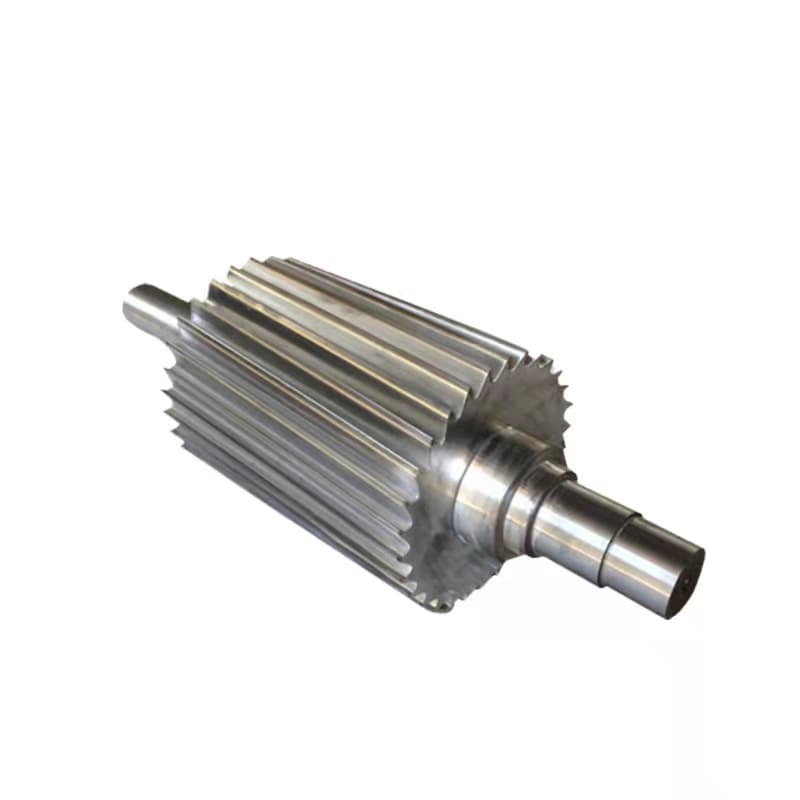
GBK-005
Granulator Fixed Knife
Granulator Fixed Knife is built for granulator bed knife replacement and pet bottle and rigid plastic grinding. Available in SKD11 / D2 / HSS / tungsten carbide for stable rotor clearance and consistent granulation quality. The profiled body suits fixed or rotary stations where alignment and edge exposure matter.
Related catalog categories
Deep reading
IBC and Drum Knife RFQ Guide: What Buyers Should Send Before Ordering Shredder, Crusher, or Granulator Knives
A source-backed buyer guide for IBC tote and HDPE drum recycling knives: machine-stage fit, container type, downstream flake target, and the RFQ details that reduce wrong-fit reorders.
Read articleGranulator Knife Gap Checklist: Reduce Dust, Fines, and Noise
A practical rotor-to-bed-knife inspection flow for recyclers seeing dusty regrind, noisy cutting, or repeated knife damage after a blade change.
Read article
Need this applied to your line?
Mention this solution hub in your message so sales engineering opens the thread with the right checklist.