
Typical woven-bag and raffia line problems behind the RFQ
- •Baled woven sacks, raffia, or jumbo bags are too tough, wrapped, or springy for stable first-stage feeding
- •Film washing or recycling lines lose throughput because the pre-shredder no longer opens the material cleanly
- •Compactor, granulator, or pelletizer knives wear fast, heat up, or produce fluffy and inconsistent regrind
- •The buyer needs replacement knives for raffia or woven-bag recycling but only has old samples, rough dimensions, or a machine-stage photo
Why PP woven bag and raffia recycling lines need stage-matched knives
PP woven bags, raffia tape, jumbo bags, and nonwoven scrap do not behave like rigid plastic. The feed is often lightweight but mechanically tough, springy, wrapped, or compressed into bales. Official machine-maker materials from POLYSTAR, Genox, and EREMA all show the same practical pattern: the real knife choice depends on whether the material is entering a pre-shredder, a cutter-compactor, a granulator, or a pelletizing stage, and whether the feed is clean in-house waste or post-consumer material.
POLYSTAR describes one-step recycling for PP raffia, woven and nonwoven waste, fabric, jumbo big bags, lumps, and PE/PP film and bag scrap, with a heavy-duty single-shaft shredder reducing the strong woven structure before pelletizing. Genox positions the YS pre-shredder at the front of film washing systems and lists PP big bags, PP/Nylon ropes, and contaminated film as typical applications. EREMA's fibre/tape/textile materials likewise treat raffia, raffia nets, and PP tape piles as distinct feed streams that may need pre-shredding or dose-ready preparation before extrusion.
Where knives appear on woven sack, raffia, and jumbo-bag recycling lines
A practical woven-bag recycling line may use several different knife families. The right RFQ route depends on where the current bottleneck happens.
- Single-shaft pre-shredder knives for opening compressed raffia bales, jumbo bags, ropes, and bulky sacks before washing or downstream compaction.
- Cutter-compactor or agglomerator knives for densifying light woven or tape scrap and stabilizing feeding into the extruder or pelletizing line.
- Granulator knives and bed knives for secondary cutting, trim recovery, and tighter regrind control when the line needs more uniform flakes or chips.
- Pelletizer blades for the final cutting stage when recycled pellets need stable length and cleaner strand or die-face cutting.
For the closest product families, compare our single-shaft shredder knives, cutter-compactor knives, granulator knives, bed knives, and pelletizer blades.
How in-house raffia waste, printed sacks, moisture, and contamination change the RFQ
Raffia and woven-bag RFQs should never be written as if all PP soft scrap behaves the same. EREMA separates dry and clean PP/PE production waste for INTAREMA T from slightly contaminated and printed PP and PA post-consumer feed for INTAREMA TVEplus, and states that dose-ready or pre-shredded preparation is needed depending on the material. Its application brochure also notes raffia, raffia nets, and PP tape piles as dedicated use cases.
That matters for blade buying because in-house clean trim, loom waste, and tape scrap usually create a different wear pattern from printed sacks, dusty woven bags, wet post-consumer material, ropes, or jumbo bags that carry heavy seams and straps. The same outside knife dimensions may fit, but the edge behavior, toughness balance, and maintenance interval can still be wrong if the supplier does not know the feed condition and machine stage.
Common knife failure patterns on PP woven bag and raffia recycling lines
The most common symptoms are wrapping, poor opening of compressed sacks, unstable feeding into the compactor, fluffy regrind, high heat, fast dulling, noisy cutting, and pellet length variation. Genox states that YS pre-shredders are designed for high-strength, tough, and highly contaminated materials, with low dust and noise, durable blades made from high-quality steels, and adjustable sealing to protect bearing life. That is a useful clue: if the line is seeing contamination migration, heavy wrapping, or rapid knife-edge loss, the issue may involve both the cutting set and the surrounding machine condition.
On downstream granulation and pelletizing stages, dusty output or unstable pellet quality can point to worn granulator edges, an old bed knife, poor knife gap, or a compactor/pelletizer set that no longer matches the feed density. If the buyer only replaces one moving knife while leaving the mating fixed component worn, the line may keep generating uneven regrind even though the new knife is technically installed.
How to think about blade steel, paired replacement, and maintenance planning
There is no single universal steel grade for every PP woven bag or raffia recycling line. The right choice depends on whether the duty is opening baled sacks, cutting cleaner in-house trim, surviving contaminated post-consumer feed, or maintaining stable pellet cutting. In practice, buyers often need a balanced replacement plan across shredder knives, counter knives, compactor blades, granulator rotor knives, and bed knives instead of a one-part order.
For technical review, the most useful RFQs combine old-part photos, seat-contact photos, hole pattern, thickness, and machine-stage details with the real feed description: clean raffia tape, printed woven sack, jumbo big bag, nonwoven scrap, ropes, or mixed soft plastic. For material and sharpening logic, pair this page with our blade selection guide and maintenance article.
What to send for a fast PP woven bag or raffia knife quotation
A fast quotation for PP woven-bag or raffia recycling knives should include both geometry and process context. If your team does not have an OEM drawing, clear photos of the old blade and its mounting seat are usually enough to start a fit review.
- Machine brand, machine stage, and whether the part is a shredder cutter, counter knife, compactor knife, granulator knife, bed knife, or pelletizer blade
- Feed description: PP raffia tape, woven sacks, jumbo bags, nonwoven scrap, PP/PE film, ropes, edge trim, or printed post-consumer bags
- Blade length, width, thickness, hole pattern, insert geometry, and old-part photos with a ruler
- Current line symptom: wrapping, poor bale opening, fluffy output, short life, heat, noise, or unstable pellet length
- Whether the line is in-house recycling, washing, extrusion/pelletizing, or post-consumer reprocessing
- Order quantity, destination country, and whether you need OEM replacement or a geometry review from a worn sample
If you are sourcing knives for Southeast Asia or export supply, send the above details through the contact page or the inquiry form below and mention that the line is for PP woven bag or raffia recycling.
Representative parts for this line
Use the closest shape below as your RFQ reference, then send dimensions or old-blade photos for fit review.
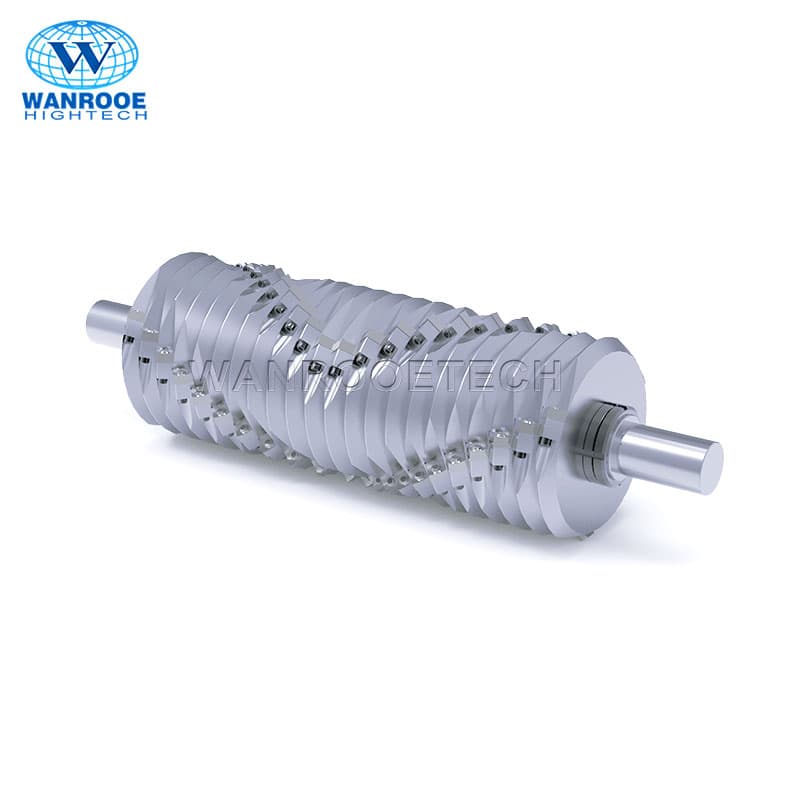
SSK-002
Plastic Single-Shaft Shredder Knife
Plastic Single-Shaft Shredder Knife is built for single-shaft shredders and film and woven bag shredding. Available in D2 / SKD11 / carbide-tipped alloy steel for wear resistance and repeated indexing in shredder rotors. The cutter geometry suits stacked shredder rotors and indexable cutter assemblies.
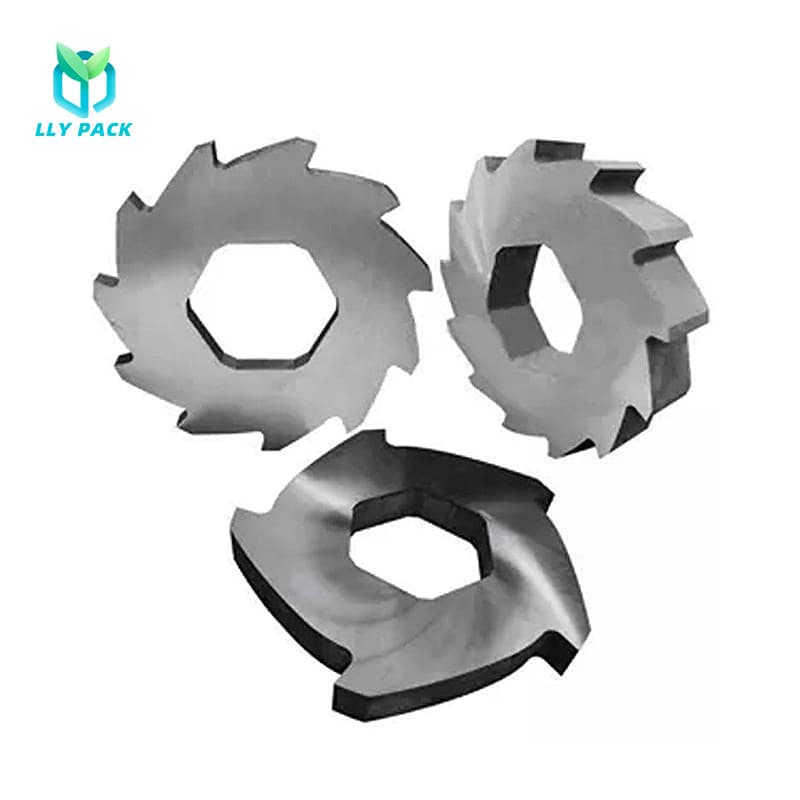
SSK-001
Carbide Single-Shaft Shredder Knife
Carbide Single-Shaft Shredder Knife is built for single-shaft shredders and film and woven bag shredding. Available in SKD11 / D2 / HSS / Tungsten Carbide for wear resistance and repeated indexing in shredder rotors. The cutter geometry suits stacked shredder rotors and indexable cutter assemblies.
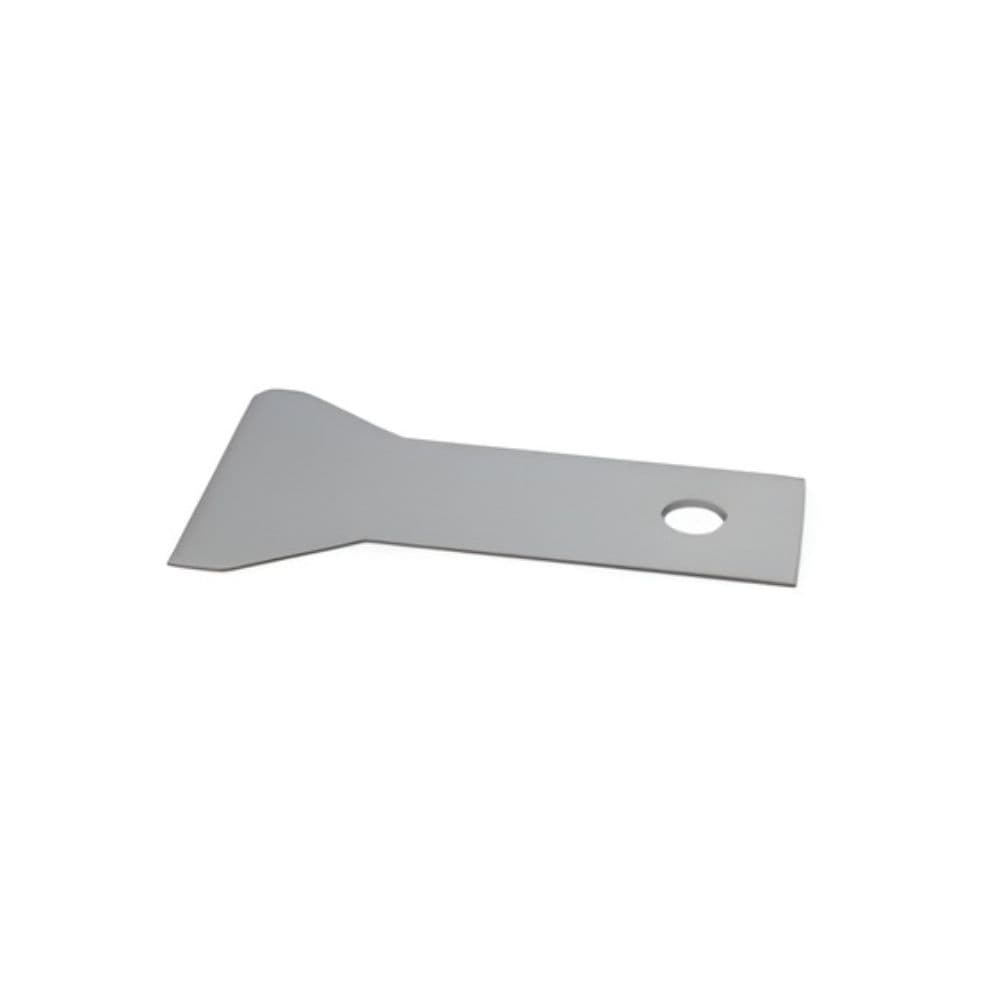
CCK-006
EREMA-Compatible Cutter Compactor Knife
EREMA-Compatible Cutter Compactor Knife is built for cutter compactor rotor replacement and film densifying systems. Available in D2 / SKD11 / HSS / alloy steel for impact resistance, heat control, and predictable regrinding. The straight edge format suits long bolt-on knife bars and clamp-mounted holders.
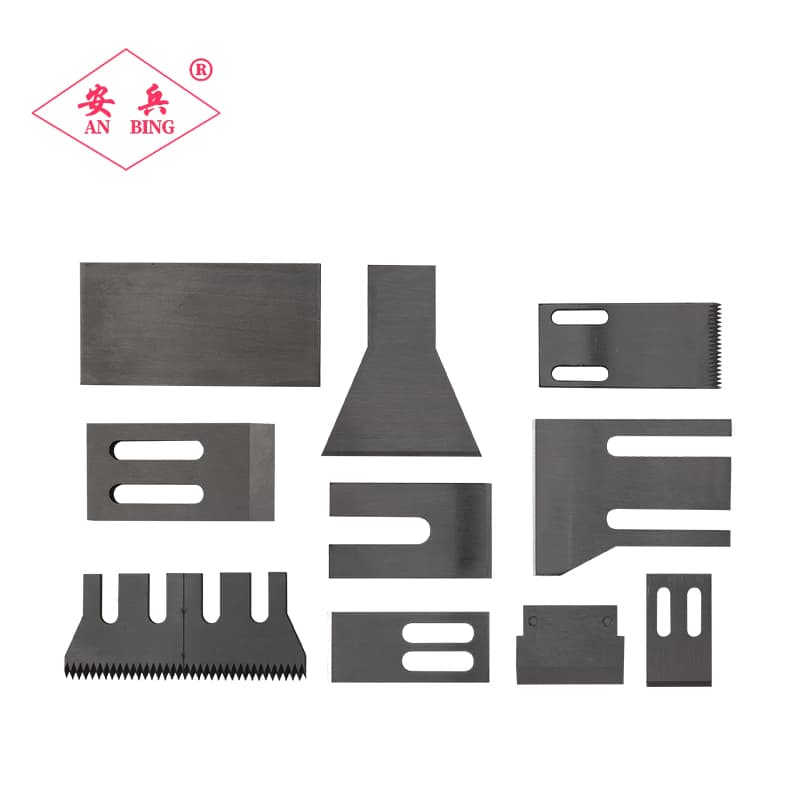
PGK-004
Film Granulator Insert Knife
Film Granulator Insert Knife is built for film and woven bag granulation and edge trim recovery. Available in SKD11 for clean regrind, stable clearance, and practical resharpening cycles. The insert-style format fits compact cutter seats and short replacement positions.
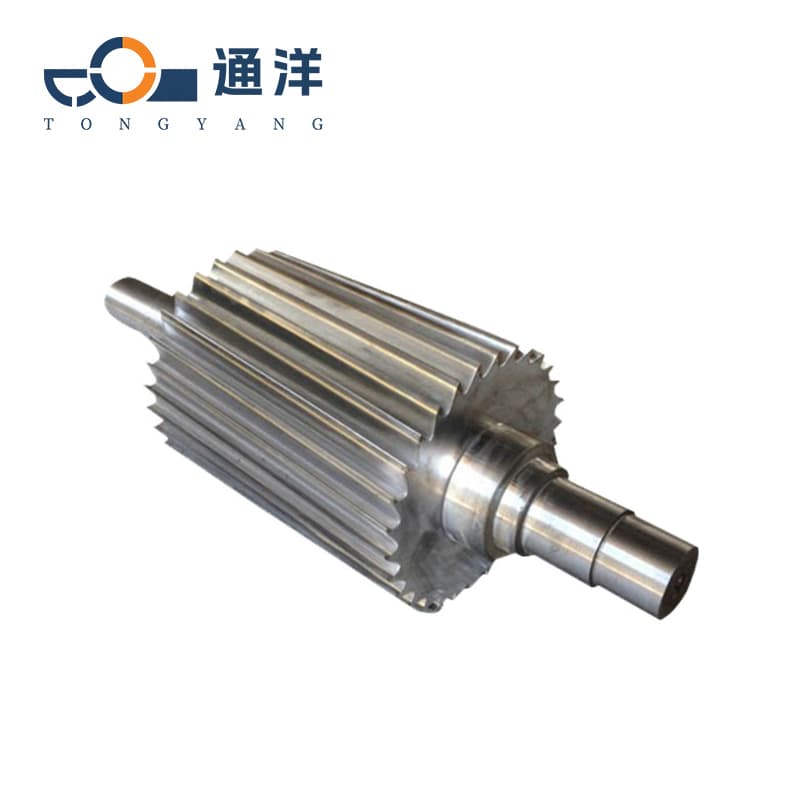
GBK-001
Granulator Bed Knife
Granulator Bed Knife is built for granulator bed knife replacement and pet bottle and rigid plastic grinding. Available in SKD11 / D2 / HSS / tungsten carbide for stable rotor clearance and consistent granulation quality. The insert-style format fits compact cutter seats and short replacement positions.
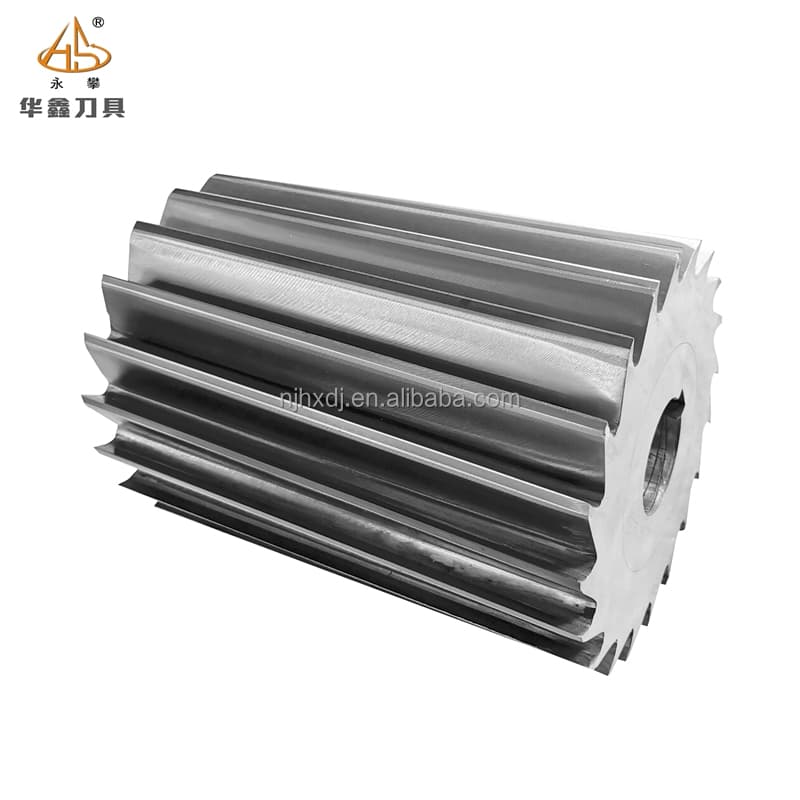
PPB-008
Fluted Pelletizer Cutter
Fluted Pelletizer Cutter is built for pelletizer head rebuilds and feed roller replacement. Available in D2 / SKD11 / M2 / HSS for clean pellet cut quality and steady service life. The profiled form matches rotating cutter drums, hob heads, or feed-roll assemblies.
Related knife categories
Related articles
PP woven bag and raffia recycling knives FAQ
Which knife types are normally used for PP woven bag and raffia recycling?+
Why do woven sacks, raffia tape, and jumbo bags often need a pre-shredder first?+
Can the same knife setup handle both clean in-house raffia trim and printed post-consumer woven bags?+
What should we send if we only have an old sample and no complete OEM drawing?+
Official machine-maker references behind this woven-bag and raffia guide
These references were used to frame feed preparation, shredder placement, raffia material classes, compactor/granulator roles, and why pre-shredded or dose-ready feed matters for some PP woven and raffia recycling lines.
POLYSTAR Machinery
PP Raffia Recycling Machine
POLYSTAR states that its shredder-integrated system is suitable for PP raffia, woven and nonwoven waste, tapes, fabrics, jumbo big bags, lumps, and PE/PP films, and says the heavy-duty single-shaft shredder helps reduce the strong structure of woven sacks before pelletizing.
View sourcePOLYSTAR Machinery
PP Raffia / Woven Recycling
POLYSTAR describes PP raffia and woven recycling as a process where recycled pellets can be reused in tape extrusion, while noting that recycled pellet quality depends on raw-material composition, MFI, labels, humidity, and pelletizer-machine performance.
View sourceEREMA
Application Fibre, Nonwoven, Tape, Textile
EREMA lists raffia, raffia nets, PP tape piles, nonwovens, and fibres as dedicated applications, and distinguishes dry clean PP/PE production waste from slightly contaminated or printed post-consumer streams that may require pre-shredded or dose-ready preparation.
View sourceGenox
YS Series - Single Shaft Pre-Shredder
Genox lists agricultural film, landfill film, MRF film, PP/Nylon ropes, and PP big bags as typical YS applications, says the machine is usually placed at the front of a film washing system, and notes durable shredding blades, low dust and noise, and low-maintenance design.
View sourceNeed PP woven bag or raffia recycling knives matched to your machine stage?
Send old-blade photos, the feed type, and the machine stage. We can review shredder, compactor, granulator, bed-knife, and pelletizer positions for PP woven sacks, raffia tape, jumbo bags, and related soft-plastic recycling lines.