
IBC and Drum Knife RFQ Guide: What Buyers Should Send Before Ordering Shredder, Crusher, or Granulator Knives
If your single-shaft shredder knives, crusher blades, or granulator bed knives are no longer holding the flake target on IBC totes or HDPE drums, the first RFQ question is not "Which steel is hardest?" The first RFQ question is where in the line the failure actually starts, what kind of container is entering the chamber, and whether the buyer is ordering a direct replacement or trying to fix a stage-fit problem.
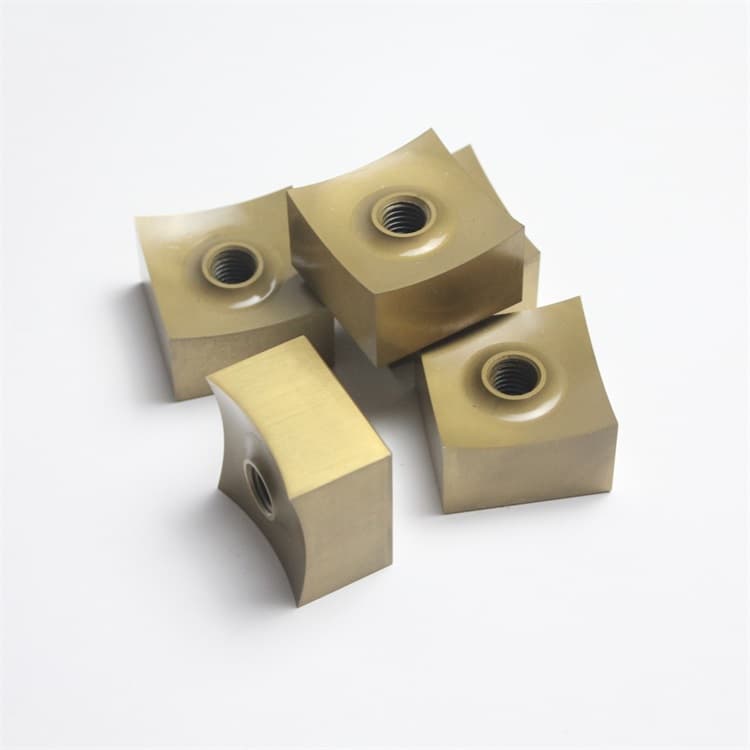
That distinction matters because official IBC and rigid-container references repeatedly describe this feed as a staged reduction problem. WEIMA frames IBC recycling through first-stage shredding, then washing, drying, extrusion, and reuse. Vecoplan explicitly places IBCs, canisters, drums, and bulky start-up waste into a two-stage shredder-granulator workflow. ZERMA and the ZIS shredder datasheet show why that matters to buyers: large hollow products, machined knife pockets, and turnable square cutters behave differently from simple dense scrap or smaller granulator feed.
If the plant is processing clean blow-molding rejects, post-consumer drums, composite IBCs with cages, or mixed rigid-plastic containers on the same line, say that in the first message. It immediately changes the safest RFQ structure. That is why this article puts buyer conclusion, machine-stage fit, and RFQ logic in the opening paragraphs instead of hiding them at the end.
Buyer conclusion: quote the knife by stage, container type, and downstream target
The most common buyer mistake in this category is to describe the job as one generic "IBC knife" or "drum knife" request. That language is understandable, but it does not tell the supplier whether the problem belongs to first-stage shredding of bulky hollow bodies, secondary crushing, or final granulation for a more controlled flake. Those are different RFQs because the commercial goal is different in each stage.
WEIMA's U.S. IBC page describes the common rigid IBC as a package made of an extrusion blow-molded HDPE tank, a steel grid, and a pallet. The same page describes drums and canisters as PE or HDPE containers used for liquids, semi-solids, and pastes. That should immediately tell the buyer that "one knife quote" can be too vague. A plastic-only tank, a drum with residual product, and a composite IBC with metal support do not create the same feed behavior.
So the right first step is to quote by machine stage, container construction, and the output that the plant needs to protect. If the next machine is a washer, a screen, or a granulator, mention that. If the line is producing washed flake for reuse or only coarse reduction for further handling, mention that too. The correct knife conversation changes with that information.
Machine-stage fit: first shredding, second reduction, and flake control are different buying problems
Official machine-maker documents consistently separate the stages. WEIMA describes shredding as the first step, with the hydraulic ram pressing the material into the rotor and reducing it to a homogeneous size for the next process. Vecoplan positions the VDZ as a combined shredder-granulator for bulky items such as IBCs, canisters, drums, chunks, and start-up lumps that still need a desired output grain size for reuse. ZERMA positions the ZIS series for large hollow products such as barrels or IBCs, while its datasheet talks about machined pockets and turnable square cutters for large-volume parts.
For buyers, that means the RFQ needs to name the actual stage. First-stage shredder work is usually about stable bite, chamber loading, bulky hollow-body handling, and how the next stage receives the output. Secondary crushing is more about breaking down what the first stage has already opened. Granulation is about more controlled flake size, fixed-side condition, and process stability. A buyer who sends only overall dimensions may still get a preliminary quote, but not always the quote that prevents repeat failure.
This matters even more when the line recently changed feed mix. A plant that used to process clean in-house IBC rejects may now be running more post-consumer composite IBCs, drums with residual contamination risk, or thicker blow-molded parts. The part geometry may still look close, but the job is not the same.
What buyers usually miss when they quote by dimensions only
The first thing buyers miss is feed behavior. Hollow bodies do not load the chamber like dense lumps. WEIMA explicitly notes that large hollow bodies such as tanks may need additional pressing support, and its U.S. page says composite IBCs can be shredded with both plastic and steel before downstream separation. That tells the buyer something important: the knife position belongs to a broader chamber and separation logic, not just to a cut length on paper.
The second thing buyers miss is support condition. ZERMA's shredder references point to machined knife pockets, turnable square cutters, and internal-ram design for large hollow products. In buyer language, that means a knife can be dimensionally correct and still behave badly if the pocket, holder, counter side, or stage duty has changed. When a line starts making more oversize pieces, irregular flakes, or one-sided wear, the RFQ should mention those symptoms directly instead of talking only about material grade.
The third thing buyers miss is the downstream target. Vecoplan's VDZ page is useful here because it keeps the goal in focus: bulky plastic inputs still need to reach a target output grain size for reuse. If the plant is feeding washing, repelletizing, or a closed-loop reuse target, say that in the first inquiry. It changes how the supplier thinks about shredder knives versus crusher or granulator knives.
RFQ checklist: what to send before asking for price only
The fastest low-risk RFQs combine fit data with line context. Send these items in the first message whenever possible:
- Machine brand and model, plus the exact stage name if known.
- Container type: composite IBC, plastic-only IBC tank, HDPE drum, canister, blow-molding reject, or mixed rigid-plastic hollow body.
- Whether the IBC arrives with cage and pallet, pre-separated plastic tank only, or already pre-cut feed.
- The current symptom: poor bite, bridging, oversize flakes, one-sided wear, broken corners, hot granulator, too many fines, or unstable output.
- The business target in one line: coarse reduction, wash-line feed, stable regrind, direct reuse, or preparation for extrusion and repelletizing.
- One face photo with a ruler, one side-profile photo, one installed photo, and one photo of the next stage if the complaint continues downstream.
- Whether the order is direct replacement, trial batch, emergency shutdown stock, or a broader stage review.
That list is short enough for purchasing teams and dealers to gather quickly, but detailed enough to avoid the usual RFQ failure in this vertical: treating a stage-fit problem as if it were only a commodity knife order.
How the complaint changes the RFQ by stage
If the complaint is poor bite, bridging, or difficulty opening intact hollow bodies, the RFQ should focus on the first shredder stage and on how the chamber handles the container shape. In that case, start with the hard-plastic single-shaft shredder knife and the broader single-shaft shredder knife category.
If the complaint is irregular intermediate size or too much oversize after first reduction, then the RFQ should name the secondary crusher stage directly. That is where the buyer should compare plastic crusher plate knives and fixed plastic crusher knives instead of assuming the shredder alone is the problem.
If the complaint is hot running, unstable flake, or more fines at the last stage, then the RFQ should include the granulator context and the fixed-side condition. At that point the buyer should compare granulator bed knives, granulator fixed knives, and the granulator knife-gap checklist before asking for price only.
Photo, sample, and note guide: what actually helps the supplier
The most useful photo set is simple. Send one straight face photo with a ruler, one side profile that shows thickness and edge condition, one installed view inside the holder or pocket, and one image of the next stage if the complaint continues there. If the line is processing caged IBCs, include at least one photo that shows whether the plastic tank is still with steel support or already separated.
Dimension notes should focus on what is least likely to have been worn away: overall length, width, thickness, center distance, hole size, insert geometry, or visible step features. If one side is heavily worn, say so directly. The supplier needs to know whether the sample still represents the original geometry or only the failure pattern.
Also add a one-line commercial note: "direct replacement for shutdown," "trial batch for geometry check," or "review because flake size drifted." That one sentence often saves more time than a long email that never says what the business problem actually is.
Expert practical-selection notes for buyers and dealers
The safest quoting method in this category has three levels. Level one is direct replacement because the stage is healthy and the line only needs recurring spare stock. Level two is stage review because the feed mix, contamination level, or output quality changed and the current knife package may no longer fit the job. Level three is line review because the complaint now links shredder, crusher, and granulator together, or because the plant shifted from simple reduction toward a tighter flake target for reuse.
Dealers and service teams should also say whether the job is urgent downtime coverage, planned shutdown stock, or a validation batch. Those are different commercial situations, and the supplier should know which one applies before recommending a knife family. A quote that is clear about the business case is usually safer than one that is technically precise but commercially vague.
When you are not sure where to start, compare this article with our IBC and HDPE drum application guide, our oversize-flake solution page, and the RFQ contact page. Those internal routes keep the quote tied to stage fit instead of guesswork.
FAQ
Should the RFQ identify the exact machine stage?
Yes. First-stage shredding, secondary crushing, and final granulation create different knife loads, different support conditions, and different commercial risks.
Do I need to say whether the feed is composite IBC, plastic-only tank, or HDPE drums?
Yes. Official WEIMA material shows that those feeds do not enter the cutting chamber in the same way, so the RFQ should say which one applies.
Can I start with worn samples and phone photos only?
Yes. That is normal in aftermarket rigid-plastic work, as long as the photos are clear and the machine stage and symptom are named correctly.
Why can oversize flakes return even when the new knife matches the old part?
Because pocket wear, fixed-side condition, screen choice, and hollow-body feed behavior can change the result before anyone changes the nominal geometry.
Which internal pages should buyers compare next?
Compare the IBC and HDPE drum application guide, the IBC oversize-flake solution page, single-shaft shredder knives, plastic crusher blades, granulator bed knives, and the contact page.