
Typical buying problems behind the RFQ
- •The line now handles a wider cable mix, but the RFQ still asks only for the previous knife geometry and ignores purity drift or copper loss in the plastic fraction.
- •Thin cable, harnesses, or mixed copper and aluminum feed changed the stage duty, yet the team still treats the granulator knives as if the line were unchanged.
- •The plant has worn knives and phone photos but no drawing, while the real complaint involves bed-knife condition, screen behavior, middling recirculation, and separator performance together.
- •The buyer needs a commercial quote that fits cable type, output target, and maintenance workflow instead of a generic spare-part price.
Buyer conclusion: quote cable knives by stage, cable type, and output target
The lowest-risk cable-recycling RFQ starts with three facts: the cutting stage, the cable family, and the output target. MTB Recycling explicitly frames cable processing as shredding, granulation, and separation. Guidetti describes mixed rigid and flexible cable processing through a blade mill granulator, zig-zag separator, refining turbine, and dry densimetric table. Stokkermill describes pre-grinding, magnetic ferrous removal, turbo granulation, and densimetric separation. Those official references all point to the same purchasing rule: do not quote the knife as a stand-alone commodity when the line complaint is really about stage fit and recovery quality.
That is why this application should be read together with our cable-recycling solution page, our cable knife RFQ article, and the contact page. If the line is losing value through copper carryover, middling, or a dirty plastic fraction, the quote should start with the complete process context rather than with a one-line request for new cutters.
Machine-stage fit: pre-shredding, granulation, and separation are different buying problems
In cable recycling, the pre-shred stage is not doing the same job as the granulator. Eldan REDOMA describes rough choppers that can be fed with cable pieces, coils, and bundles, and it emphasizes exchangeable screens and knives for flexible production. That is the stage where feed form, bundle size, and the stability of the first cut matter. The next stage changes the buying logic: REDOMA granulators are positioned for downsizing cable to granule size, with knives pre-adjusted in a jig outside the machine for quick knife change. That is a different RFQ from a coarse pre-shredder spare set.
Once the line reaches separation, the cut result becomes a recovery result. Eldan's separator description is useful because it explicitly identifies a metal fraction, an insulation fraction, and an intermediate fraction with insulation still sticking to the wire. That middling is fed back for re-granulation. From a buyer's perspective, that means the cutting stage should be reviewed when middling rises, because the line may be telling you that liberation and size are drifting before the separator has a fair chance to do its job.
Where Leader Blades knife families fit on a cable line
On this site, the most relevant starting categories are single-shaft shredder knives, industrial shredder cutters, granulator knives, and granulator bed or fixed knives. Representative product pages include recycling single-shaft shredder knives, single-rotor shredder cutters, fixed granulator knives, and granulator bed knives. These are the positions where fit, edge condition, and maintenance practice directly affect the shape of cable entering the next stage.
At the same time, the buyer should identify what does not belong in the knife quote. Magnetic separators, densimetric tables, optical sorters, and conveyors are essential to cable recovery, but they are not Leader Blades knife positions. Mention them anyway when they are part of the complaint, because the RFQ still needs that stage context to avoid treating a process problem as a simple spare-part order.
Cable types and contamination that must be named in the RFQ
Do not write "mixed cable" and stop there. Guidetti says Sincro Mill is designed for mixed rigid and flexible cables without pre-selection. Stokkermill says its turbo refiner can process small-diameter cables such as telephone cables, data cables, and capillaries without changing the screen. MTB says its lines process copper and aluminum cables, THT, ACSR, and automotive harnesses. Those sources show why cable type belongs in the RFQ: the line may be seeing more fine wire, more aluminum, more harnesses, or more mixed insulation than the last replacement cycle.
Contamination also changes the buying problem. Connectors, ferrous clips, rubber insulation, PVC, dirt, moisture, and mixed e-scrap fractions alter bite, wear, temperature, and separation performance. If the plant is now running more contaminated feed, a direct replacement copied from the previous knife may physically fit and still be commercially wrong. Tell the supplier what changed.
Failure patterns and what they usually mean
If the complaint is more copper in the plastic fraction, the line may be cutting too coarsely, too inconsistently, or with a bed-knife and screen combination that no longer releases the metal cleanly. If the complaint is whiskers or attached strands, the cut quality and recirculation logic deserve review together. If the complaint is heat, fines, or fast wear, the question may be whether the cable mix, throughput, or clearance changed before the knife material changed.
Eldan makes the business impact clear when it says even small copper losses are significant. That is useful procurement language. It means the RFQ should state whether the commercial loss is purity, metal recovery, maintenance time, or stability of the granulator stage. A supplier needs that target before recommending direct replacement, geometry review, or a broader stage-fit discussion.
Practical selection notes for buyers, dealers, and service teams
The safest quoting method has three levels. Level one is direct replacement because the stage is healthy and the plant needs normal spares. Level two is cutting-pair review because the granulator, bed knife, or screen relationship now affects purity, middling, or heat. Level three is line-fit review because the cable mix or output target changed and the current knife package no longer matches the real duty. That framework helps purchasing teams decide how much context to include instead of defaulting to a bare dimension table.
Dealers should also say whether the request is urgent downtime coverage, planned shutdown stock, or a trial lot to validate geometry. Those are different business cases. A supplier can quote all three, but the recommendation should change depending on whether the plant needs a safe copy of a known setup or is trying to correct a recovery problem that is already costing money.
RFQ checklist: what to send for a faster, safer quote
The fastest low-risk cable-knife RFQs combine geometry with stage context. Send these items where possible:
- Machine brand, model, and the exact stage under review.
- Cable mix: rigid copper, flexible copper, aluminum cable, data cable, fine wire, ACSR, harnesses, or mixed e-scrap cable.
- Target output: chopped cable, granule for densimetric separation, lower middling, cleaner metal fraction, or lower copper loss in plastic.
- Current symptom: purity drift, copper carryover, whiskers, hot running, fines, more recirculation, or repeated knife damage.
- Face, side-profile, and installed photos of the knife, plus bed-knife, screen, or holder photos when relevant.
- Commercial request: direct replacement, trial lot, shutdown spare set, or broader stage review.
When you are ready, use the contact form. If you only have worn samples, say that clearly. Worn-sample RFQs are normal in cable recycling and usually workable when paired with scale photos, stage fit, and the actual line complaint.
Representative parts for this line
Use the closest shape below as your RFQ reference, then send dimensions or old-blade photos for fit review.
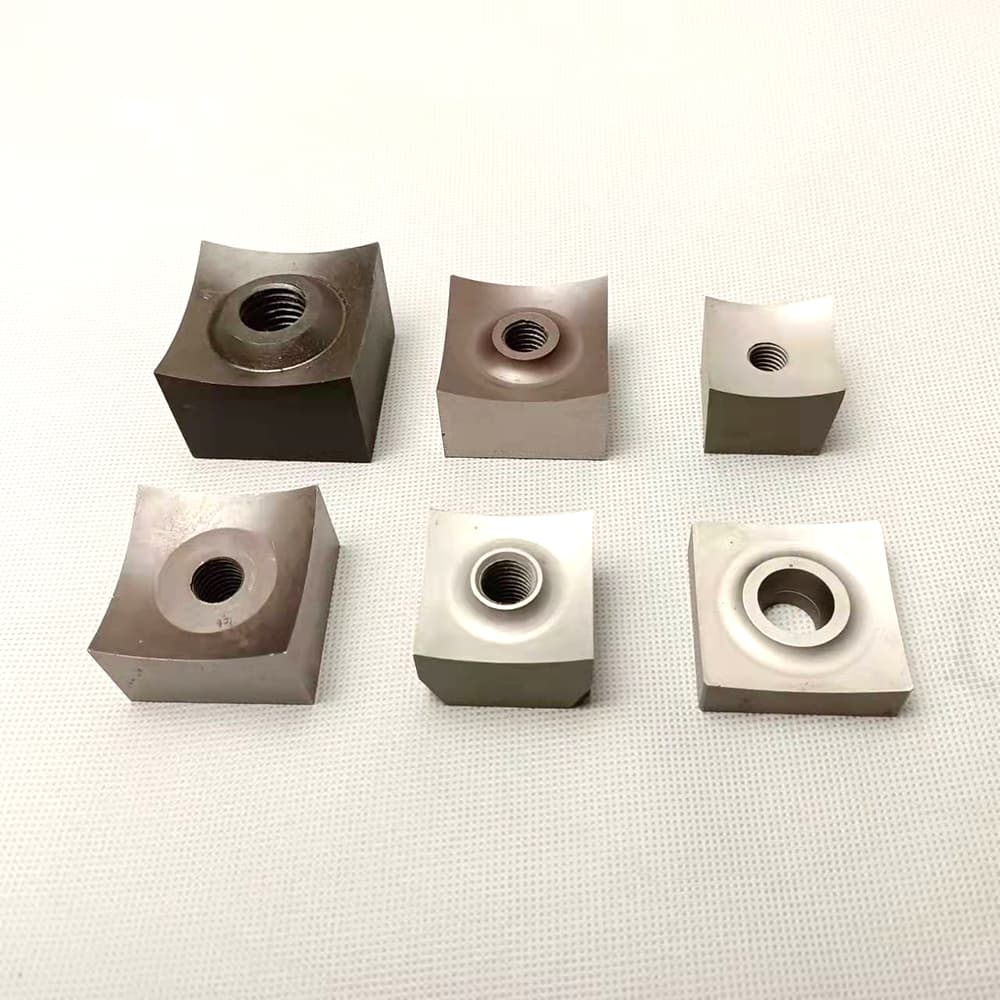
SSK-009
Recycling Single-Shaft Shredder Knife
Recycling Single-Shaft Shredder Knife is built for single-shaft shredders and film and woven bag shredding. Available in D2 / SKD11 / carbide-tipped alloy steel for wear resistance and repeated indexing in shredder rotors. The cutter geometry suits stacked shredder rotors and indexable cutter assemblies.
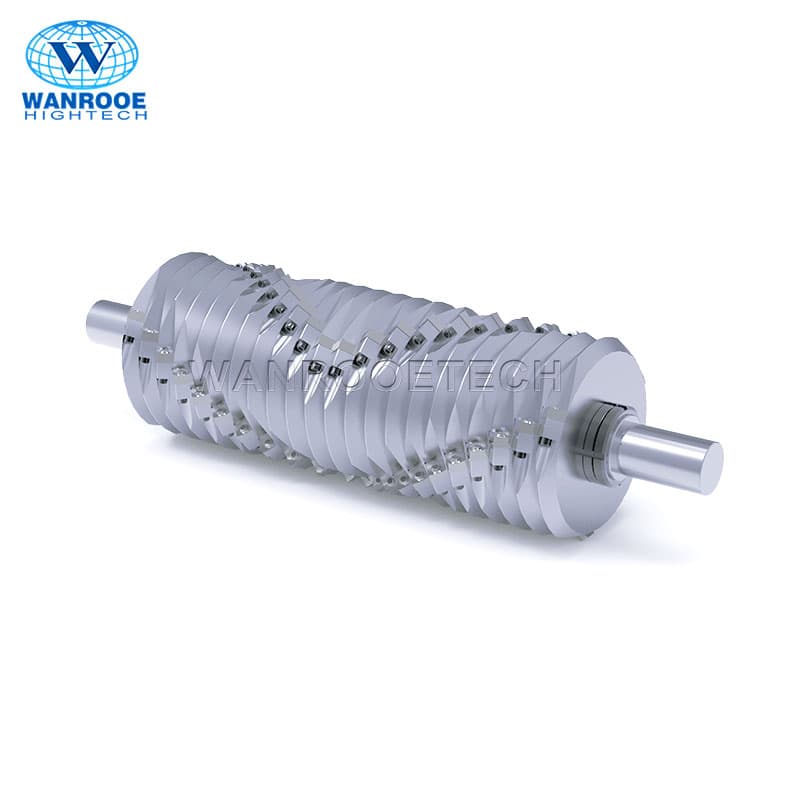
SSK-002
Plastic Single-Shaft Shredder Knife
Plastic Single-Shaft Shredder Knife is built for single-shaft shredders and film and woven bag shredding. Available in D2 / SKD11 / carbide-tipped alloy steel for wear resistance and repeated indexing in shredder rotors. The cutter geometry suits stacked shredder rotors and indexable cutter assemblies.
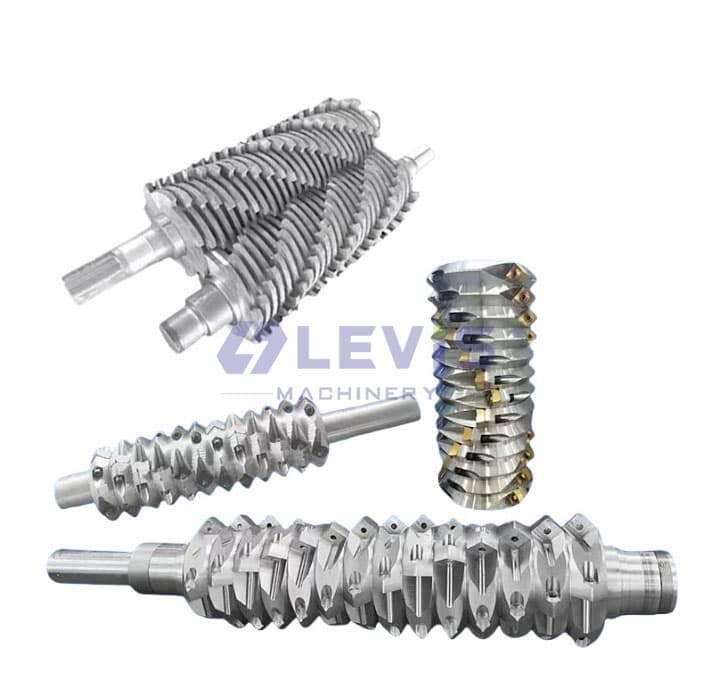
GSK-005
Single-Rotor Shredder Cutter
Single-Rotor Shredder Cutter is built for single-rotor shredder rebuilds and mixed scrap cutting duty. Available in D2 / SKD11 / HSS / alloy steel for mixed-feed shredding and steady replacement life. The insert-style format fits compact cutter seats and short replacement positions.
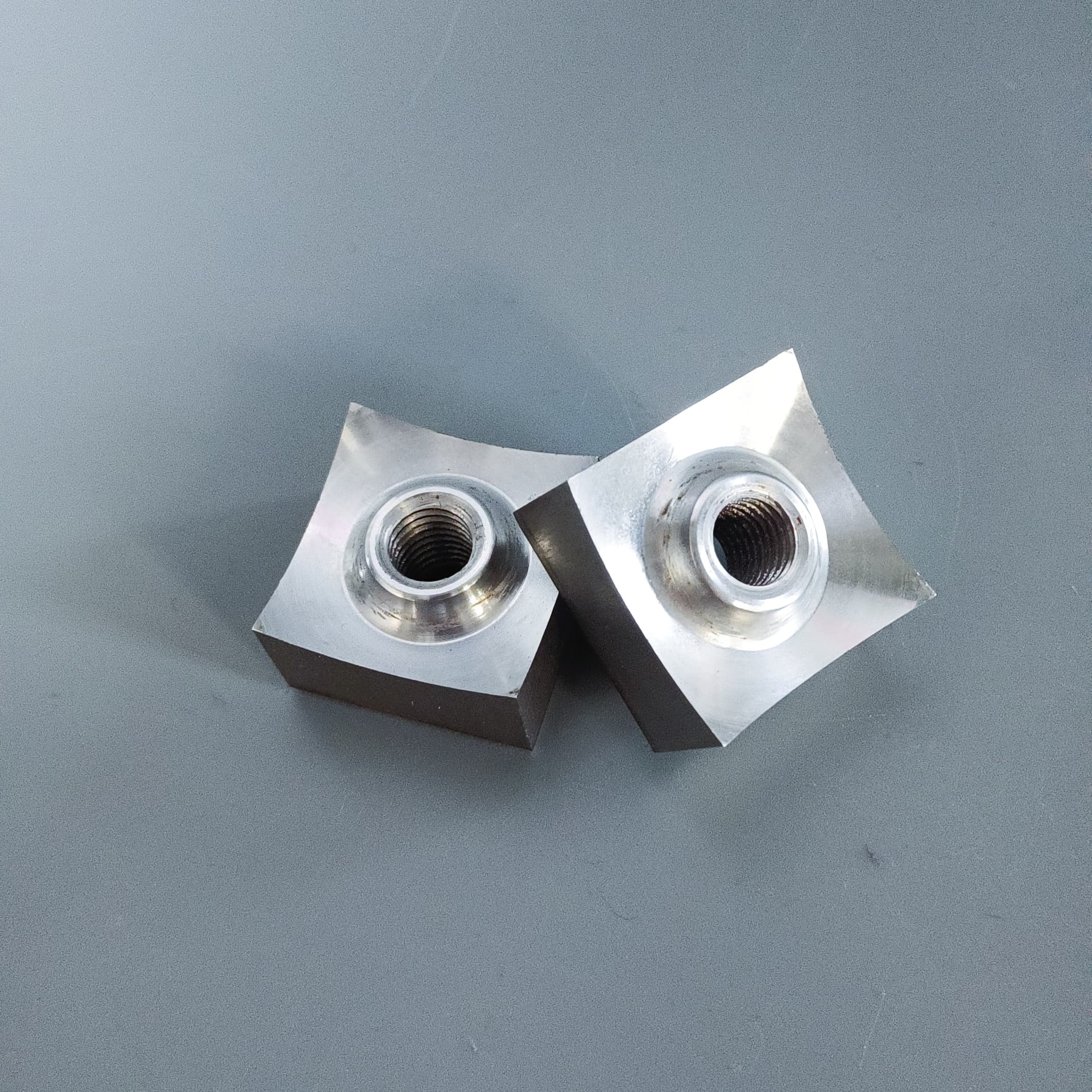
GSK-006
General-Purpose Industrial Shredder Knife
General-Purpose Industrial Shredder Knife is built for industrial recycling lines and mixed scrap size reduction. Available in D2 / SKD11 / HSS / alloy steel for mixed-feed shredding and steady replacement life. The profiled body suits fixed or rotary stations where alignment and edge exposure matter.
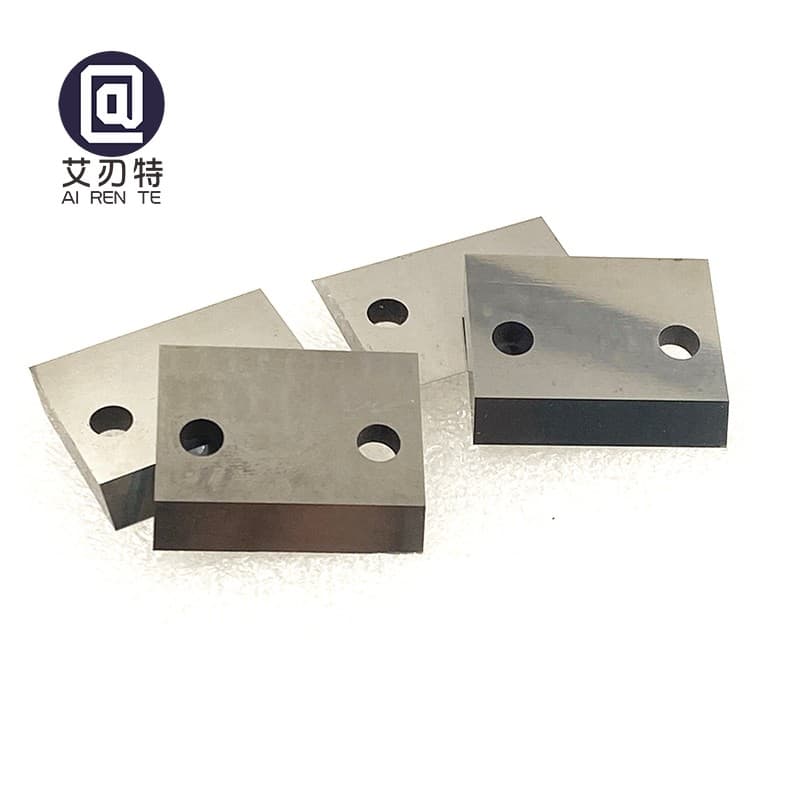
PGK-001
Fixed Granulator Knife
Fixed Granulator Knife is built for plastic granulation lines and rigid and film regrind. Available in SKD11 / D2 / HSS / 9CrSi for clean regrind, stable clearance, and practical resharpening cycles. The profiled body suits fixed or rotary stations where alignment and edge exposure matter.
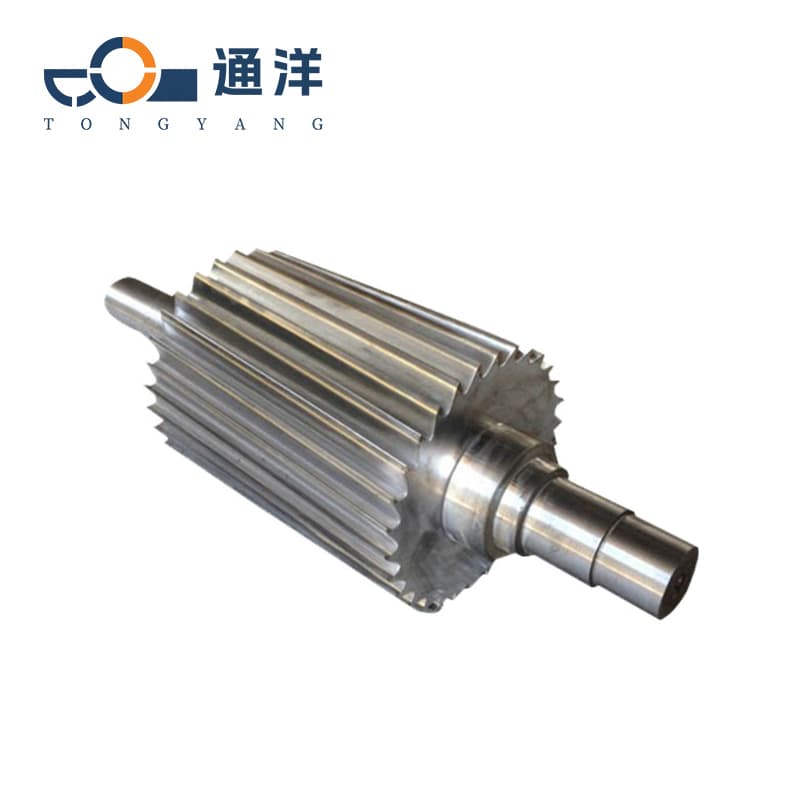
GBK-001
Granulator Bed Knife
Granulator Bed Knife is built for granulator bed knife replacement and pet bottle and rigid plastic grinding. Available in SKD11 / D2 / HSS / tungsten carbide for stable rotor clearance and consistent granulation quality. The insert-style format fits compact cutter seats and short replacement positions.
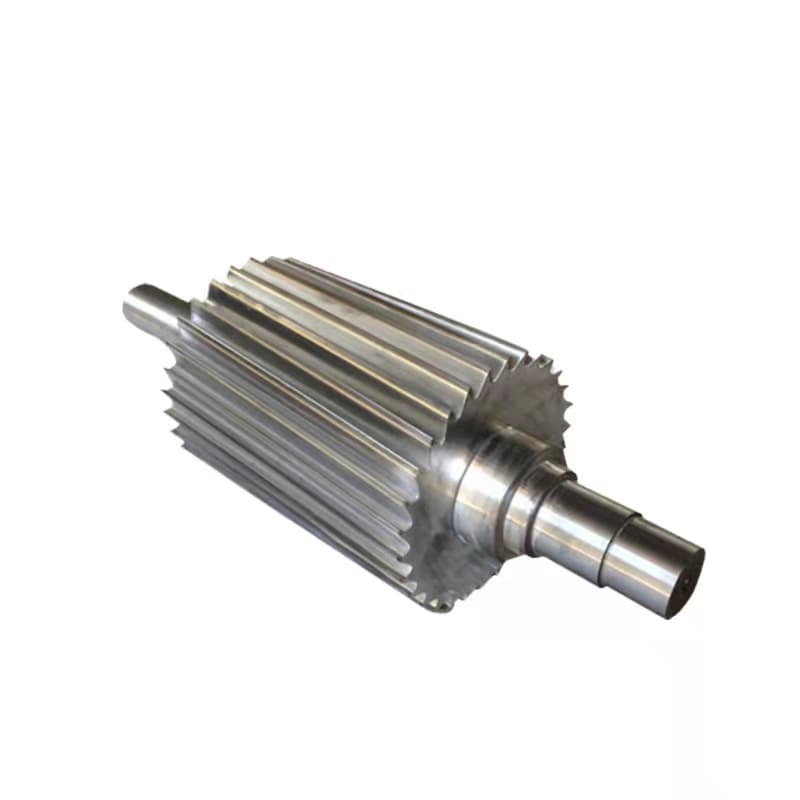
GBK-005
Granulator Fixed Knife
Granulator Fixed Knife is built for granulator bed knife replacement and pet bottle and rigid plastic grinding. Available in SKD11 / D2 / HSS / tungsten carbide for stable rotor clearance and consistent granulation quality. The profiled body suits fixed or rotary stations where alignment and edge exposure matter.
Related knife categories
Related articles
Cable Recycling Knife RFQ Guide: What Buyers Should Send Before Ordering Granulator or Shredder Knives
A source-backed buyer guide for cable recycling shredder cutters, granulator knives, bed knives, and RFQ details that help stop copper loss, purity drift, and repeat line-fit mistakes.
Read articleGranulator Knife Gap Checklist: Reduce Dust, Fines, and Noise
A practical rotor-to-bed-knife inspection flow for recyclers seeing dusty regrind, noisy cutting, or repeated knife damage after a blade change.
Read articleSingle-Shaft Shredder Knife Indexing: Buyer RFQ Guide
An original buyer guide built from official machine documentation: when indexing helps, when chamber wear matters more, and what to send before requesting a quote.
Read articleFAQ for cable recycling knives
Should cable, ACSR, data cable, and automotive harnesses be separated in the RFQ?+
Do buyers need to mention output purity or copper loss in the plastic fraction?+
Can worn samples still be useful when no drawing is available?+
Which Leader Blades categories are most relevant for cable lines?+
Primary sources behind this guide
This guide is based on official cable-recycling machine pages and process descriptions from equipment makers that explicitly describe shredding, granulation, separation, purity, and cable-type fit.
Guidetti Recycling Systems
Sincro Mill series
Describes mixed rigid and flexible cable processing through a blade mill granulator, zig-zag separator, refining turbine, and dry densimetric table.
View sourceGuidetti Recycling Systems
Wire Pro series
Positions the system for copper or aluminum electrical and electronic cables and highlights easy maintenance and integration with pre-shredders, refiners, and densimetric separators.
View sourceEldan Recycling
REDOMA cable equipment
Explains rough chopping, granulation to cable granule size, quick knife change outside the machine, exchangeable screens, and separator recirculation logic.
View sourceEldan Recycling
Cable sorting
States that even small copper losses matter and frames cable sorting around purity, throughput, and recovery value.
View sourceMTB Recycling
Cable recycling process
Defines the cable line as shredding, granulation, and separation, and lists cable types such as copper, aluminum, THT, ACSR, and automotive harnesses.
View sourceStokkermill
TURBOFLEX cable granulator
Describes small-diameter cable processing, turbo refining, pre-shredder integration, robust grinding mills, and low operating-cost positioning.
View sourceStokkermill
Copper recycling plant
Explains pre-grinding, magnetic separation of ferrous material, turbo granulation, and densimetric separation of metal and plastic fractions.
View sourceNeed a cable-recycling knife quote tied to copper recovery, purity, and machine stage?
Send the cable mix, the stage under review, the output target, and installed photos of the knife, bed knife, or holder. We can review direct replacement or a broader stage-fit problem.