
Typical RFQ problems on veneer peeling lines
- •The mill asks for replacement veneer knives, but the real complaint is varying veneer thickness, rough surface, lower yield, or unstable peeling quality.
- •The buyer has worn knives and a machine reference, yet no one has clearly stated whether the problem is knife wear, pressure-bar setup, grinding straightness, or a stage-fit issue.
- •One line is peeling birch, plantation wood, or another species with different quality expectations, but the RFQ still treats the knife as a simple flat bar.
- •The plant needs commercial guidance on what to send before a shutdown order, not a generic description of veneer machinery.
Buyer conclusion: quote the veneer knife together with the pressure bar and peeling target, not as a flat blade alone
If a plywood or LVL line starts showing varying veneer thickness, rough veneer surface, lower recovery, unstable quality at startup, or frequent knife touch-up work, the safest commercial decision is not simply to order "another veneer knife" by dimensions alone. The safer route is to quote the veneer knife family together with the pressure-bar condition, the machine stage, the species being peeled, and the quality target of the mill.
Raute's Veneer Peeling Line R5 page frames veneer quality around modern peeling geometry, recovery, clipping, and dry-veneer quality. TKM's varying-thickness guidance points directly to knife and pressure-bar setup, edge chipping, and grinding straightness. Those are the buyer signals that belong in the RFQ from the beginning.
That is why this page puts the buyer conclusion, machine-stage fit, and RFQ criteria at the top. Veneer knife procurement is a line-stability purchase, not only a dimensions purchase.
Machine-stage fit: plywood, LVL, birch, and plantation wood lines do not buy the same way
Raute's Veneer Lathe R5 page describes high peeling quality through accurate knife carriage feed, double spindles, and a fixed nose bar. That means the knife is part of a controlled peeling interface, not a stand-alone consumable.
Raute's line page also links line value to veneer quality, recovery, and optimized clipping. In practical buying language, a mill peeling birch face veneer, plantation species, or LVL feedstock may place different weight on surface smoothness, thickness accuracy, and yield. The supplier should know which commercial target is most important before quoting the next knife set.
If the line recently changed species, product mix, quality target, or maintenance routine, say that directly. The same nominal knife geometry can sit in a very different commercial duty once the peeling target changes.
What the official sources tell buyers to confirm before ordering
TKM states that varying veneer thickness is often linked to wrong knife and pressure-bar setup, a non-parallel cutting gap across the length, small edge chippings during operation, or poor grinding-machine condition. Those are explicit RFQ signals. A buyer who only sends knife length, width, and thickness is leaving out the causes that most often repeat the defect.
Raute's "5 Ways to Improve Yield" article makes the line-level business case: peeling efficiency, veneer recovery, and veneer quality are all part of profitability. So a shutdown knife order should say whether the plant is fighting thickness variation, rough surface, lower recovery, or quality drift after regrinding.
This is also why a credible supplier asks whether the line needs direct replacement, replacement plus setup review, or a broader maintenance discussion involving pressure bar, grinding quality, and the actual peeling target.
Why the knife and pressure bar belong in the same RFQ
For veneer peeling, the cutting result is created by the relationship between knife edge, pressure bar or nose-bar geometry, and the consistency of the gap across the full width. That is not a theory note; it is exactly how primary sources explain the most common veneer-thickness problems.
If the buyer complaint is rough veneer, unstable thickness, or more touch-up work after shutdown, the supplier should ask for the pressure-bar condition and setup evidence at the same time. Buying a fresh knife while leaving an out-of-parallel gap or a damaged pressure-bar side untouched can recreate the same quality complaint immediately.
For mills and dealers, that changes the commercial framing of the RFQ. The request is not only "quote this knife". It is "quote the knife with enough setup evidence to avoid another low-yield restart".
Practical selection: when standard replacement is enough and when the line is asking for more
Direct replacement is reasonable when the line was running well, the knife geometry is confirmed, the grinding routine is healthy, and the pressure-bar side is stable. The request becomes higher risk when the plant reports rough veneer surface, thickness variation, poorer recovery, edge chipping, or repeated field touch-ups that no longer restore a straight cutting edge.
For those higher-risk jobs, the supplier should know whether the mill is buying for plywood face quality, LVL feed quality, plantation-wood duty, or another target. The commercial consequence of the defect changes how tightly the replacement should be reviewed.
That is also why the buyer should mention if the old knife came from a good period or from a period when the line was already underperforming. A worn sample from a bad run is not the same evidence as a worn sample from a healthy run.
RFQ checklist: what to send before asking for price only
The most useful veneer-knife RFQs are specific but not complicated. A supplier does not need a complete machine manual to begin review, but it does need line-stage evidence.
- Machine brand, model, and knife reference if available.
- Species and product target: birch, plantation wood, plywood, LVL, face veneer, or another production duty.
- One measured photo of the knife, one side photo of the edge, and one installed photo of the knife seat.
- Pressure-bar or nose-bar photo and any note about gap condition or recent adjustment.
- Current symptom: varying thickness, rough surface, lower yield, edge chipping, extra touch-up, or unstable startup.
- Whether the request is direct replacement, a trial batch, or a review of knife-plus-pressure-bar fit.
If there is no full drawing, say so directly. Good photos, key dimensions, the actual product target, and the real defect are often enough to start a useful review.
Internal routes and commercial next steps
Start from our planer, jointer, and veneer knife category, then compare the veneer peeling knife, carbide veneer peeling knife, veneer peeling straight knife, and stainless veneer peeling knife.
For broader woodworking straight-knife logic, compare our planer, moulder, and jointer solution page. For buyer-side RFQ preparation, continue to our veneer peeling knife RFQ guide, our factory workflow page, and the contact page.
Representative parts for this line
Use the closest shape below as your RFQ reference, then send dimensions or old-blade photos for fit review.
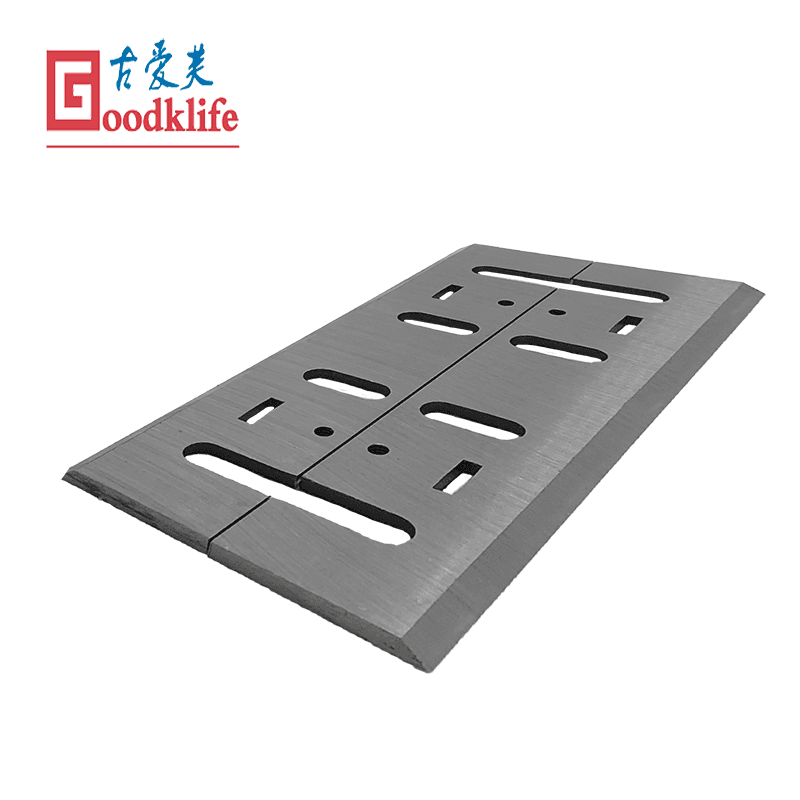
WPK-004
Veneer Peeling Knife
Veneer Peeling Knife is built for veneer peeling lines and plywood preparation. Available in HSS / 9CrSi / SKD11 / tungsten carbide for straight cutting, finish quality, and repeatable grinding. The straight edge format suits long bolt-on knife bars and clamp-mounted holders.
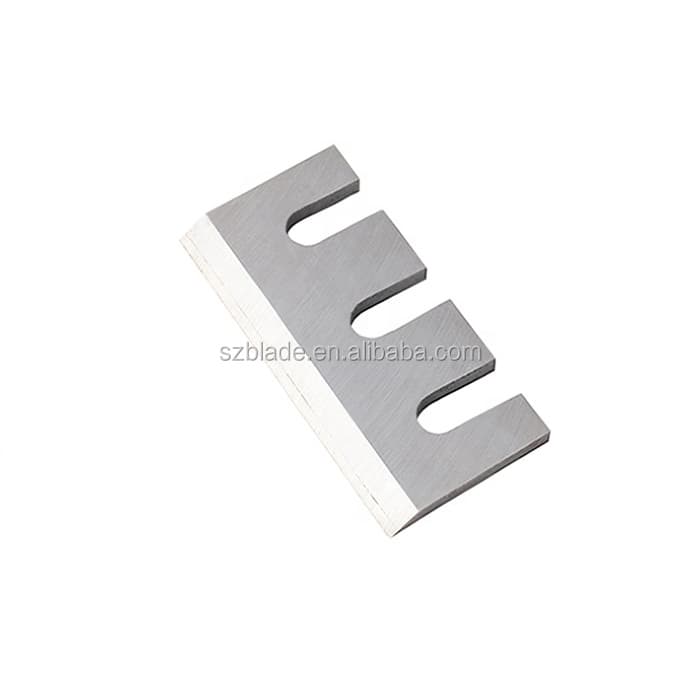
WPK-002
Carbide Veneer Peeling Knife
Carbide Veneer Peeling Knife is built for veneer peeling lines and plywood preparation. Available in HSS / Tungsten Carbide / Carbide for straight cutting, finish quality, and repeatable grinding. The straight edge format suits long bolt-on knife bars and clamp-mounted holders.
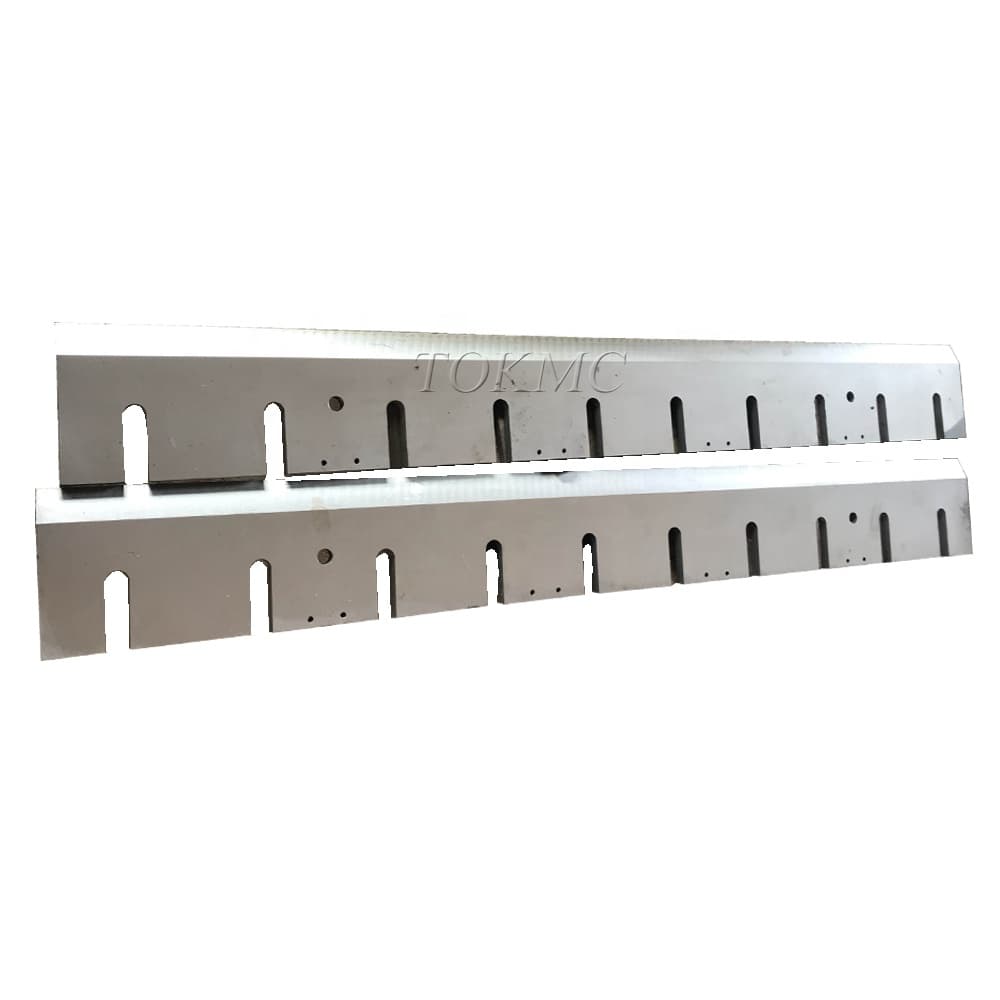
WPK-003
Veneer Peeling Straight Knife
Veneer Peeling Straight Knife is built for veneer peeling lines and plywood preparation. Available in HSS / 9CrSi / SKD11 / tungsten carbide for straight cutting, finish quality, and repeatable grinding. The straight edge format suits long bolt-on knife bars and clamp-mounted holders.
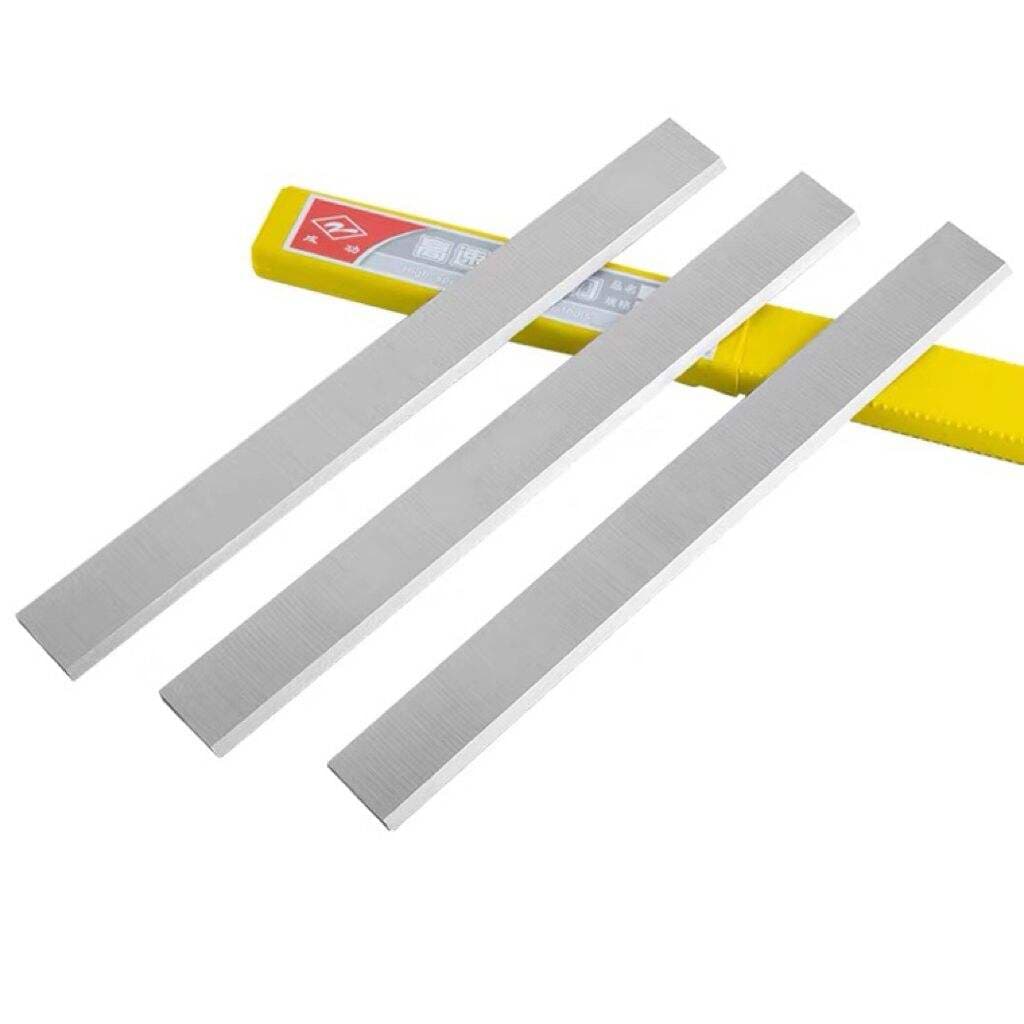
WPK-005
Stainless Veneer Peeling Knife
Stainless Veneer Peeling Knife is built for veneer peeling lines and plywood preparation. Available in HSS / Stainless Steel for straight cutting, finish quality, and repeatable grinding. The straight edge format suits long bolt-on knife bars and clamp-mounted holders.
Related knife categories
Related articles
Veneer Peeling Knife RFQ Guide: What Buyers Should Confirm Before Ordering
A source-backed buyer guide for veneer peeling knives: pressure-bar fit, thickness control, worn-sample review, and the RFQ details that lower shutdown risk.
Read articleBlade Maintenance Tips for Longer Life
Inspection intervals, alignment checks, and cleaning—for granulators, crushers, and shredders.
Read articleFAQ for plywood and LVL veneer peeling knives
Do I need to mention the pressure bar if I only want replacement veneer knives?+
What if I only have worn knives and no full drawing?+
Which defects matter most in the RFQ?+
Which internal pages should I compare next?+
Primary sources used on this page
These notes follow official machine-maker and knife-maker guidance so the RFQ reflects real peeling-line quality signals rather than unsupported claims.
Raute
Veneer Peeling Line R5
Raute ties veneer quality and recovery to peeling geometry, clipping, and line optimization.
View sourceRaute
Veneer Lathe R5
Raute describes high peeling quality through accurate knife carriage feed and a fixed nose bar.
View sourceRaute
5 Ways to Improve Yield
Raute frames veneer recovery, production efficiency, and quality as direct profitability drivers.
View sourceTKM Group
Varying Thickness of Veneer
TKM points to knife and pressure-bar setup, edge chipping, and grinding straightness as common thickness causes.
View sourceNeed veneer peeling knives for a plywood or LVL line?
Send the knife reference, lathe model, species, pressure-bar photos, and the defect you want to remove. We can review direct replacement versus knife-plus-setup risk before production.