
Typical RFQ problems on solid-wood straight-knife lines
- •The plant keeps reordering the same knife, but chatter marks, tear-out, fuzzy grain, or uneven cutter marks return after startup.
- •Purchasing has old knives and a machine model, yet no one has clearly stated whether the line is a jointer, thickness planer, or moulder and whether the real complaint is finish, feed stability, or edge life.
- •The visible wear is on the knife edge, but the actual buying risk may sit in cutterhead fit, jointing practice, spindle accuracy, pressure elements, or a species and moisture change.
Buyer conclusion, machine-stage fit, and RFQ logic
Buyer conclusion first: when a solid-wood line starts showing chatter marks, torn fibers, fuzzy grain, irregular cutter marks, or premature knife complaints, the lower-risk commercial decision is usually not to ask for harder knives in isolation. The safer RFQ reviews the straight-knife family, the cutterhead or clamping style, the jointing condition, and the actual machine stage together.
Machine-stage fit: a jointer preparing one face, a planer controlling thickness, and a throughfeed moulder producing saleable profile surfaces do not ask the same thing from the knife. A buyer should say whether the line is chasing flatness, surface finish, profile consistency, longer run stability, or a faster changeover routine. That is the fastest way to prevent a quote built on the wrong assumption.
RFQ criteria: send the machine brand and model, the knife length and section if known, cutterhead or clamping style, wood species, moisture condition, feed-speed range if known, and the actual finish complaint. Add whether the line uses in-machine jointing, whether the last good run used the same knife geometry, and whether the product mix, species, or feed speed changed recently. Before ordering, compare this page with our straight-knife solution page, the new planer and jointer RFQ article, representative products such as the wood planer knife and jointer knife, and the contact page.
What the official sources tell buyers to confirm before ordering
WEINIG's tooling guidance says concentric tolerance, spindle speed, and the number of knives in the cutterhead determine workpiece surface quality, and it explains that all knives need to share the cutting circle if they are all to cut the workpiece. That is an RFQ signal. A replacement-knife request that ignores cutterhead behavior can still reproduce the same surface defect with brand-new steel.
WEINIG's jointing-technology page adds that consistently high surface quality depends on a controlled joint land, precise grinding, low concentric tolerance, and machine-side conditions such as even feed, capable spindles, and correct machine setup. In commercial terms, buyers should distinguish between a normal replacement order and a line that is already signaling a wider setup problem.
WEINIG SOLID PROFILE P 1500 ties product quality to pressure and guiding elements, repetition precision, and spindle behavior. SCM's profiset 40 highlights smooth workpiece movement and outfeed support for better finishing. Together, those sources tell buyers that surface quality is a system result, not a knife-only number.
Machine-stage fit: jointer, planer, and moulder duties should not be quoted as one generic knife job
In a jointer, the buyer is usually protecting a reliable straight edge or flat reference face for downstream planing, glue-up, or machining. In a thickness planer, the buyer is usually protecting finish stability, predictable stock removal, and sensible knife-change timing. In a throughfeed moulder, the buyer is often protecting visible surface quality and profile consistency on parts that are already close to saleable output.
That distinction matters because the same straight knife may sit in very different commercial duties. A line that surfaces softwood blanks at one speed is not buying the same risk as a line running mixed hardwood sections for a visible moulding profile. If species, moisture, feed speed, or product mix changed, the supplier needs that context before deciding whether the next order is direct replacement or a broader technical review.
For mills and dealers, the practical rule is simple: state the machine stage and the finish complaint first. "Jointer edge quality fell," "planer finish turned fuzzy after species change," or "moulder marks drift after startup" is better RFQ language than "need same straight knife again."
Practical selection notes for species, finish targets, and replacement planning
Hardwood, softwood, dry stock, wetter stock, straight surfacing, and profile finishing do not load the knife edge in exactly the same way. Buyers do not need to over-specify metallurgy in the first email, but they do need to describe the wood stream honestly. A line running drier hardwood at visible-finish quality is a different commercial situation from a line surfacing mixed softwood where throughput matters more than the last bit of finish refinement.
The safest supplier workflow is to separate requests into three levels. Level one is direct replacement because the line is healthy and the request is spare-part driven. Level two is knife replacement plus cutterhead or jointing review because the line already shows chatter, inconsistent marks, or one-sided finish drift. Level three is a wider stage review because the wood mix, moisture, feed speed, or target finish changed enough that the old replacement logic may no longer fit.
That three-level structure helps mills and dealers avoid the most common buying mistake in this family: treating straight knives as a dimensions-only order when the defect actually belongs to cutting-circle control, jointing practice, spindle condition, or workpiece guidance.
RFQ checklist: what to send before asking for price only
The fastest low-risk RFQs in this category combine knife geometry with machine-stage evidence. Purchasing does not need a full machine manual to start the conversation, but it does need enough context to keep the quote honest.
- Machine brand and model, plus whether the line is a jointer, thickness planer, throughfeed moulder, or another straight-knife machine.
- Knife dimensions if known, plus one flat photo with a ruler and one side photo if bevel direction matters.
- Cutterhead or clamping style, and whether the machine uses in-machine jointing.
- Wood species, moisture condition, and whether the duty is general surfacing, visible finish, or profile work.
- Current complaint: chatter marks, torn grain, fuzzy surface, one-sided marks, shorter edge life, or unstable restart quality.
- Whether the buyer wants direct replacement, sample review from old parts, or a wider review of knife-plus-head-fit risk.
If the old parts come from a period that was already producing defects, say that clearly. A worn sample taken from a bad run is still useful, but the supplier should know that it may not represent the intended setup.
Internal routes and buyer-side next steps
Start with our planer, jointer, and veneer knife category, then compare the wood planer knife, planer knife, industrial planer knife, and jointer knife.
For broader buyer logic, continue to our straight-knife solution page, the new planer and jointer RFQ article, the existing veneer peeling RFQ article, and the contact page. The main commercial goal is to quote the actual machine duty and finish risk, not just a remembered part number.
Representative parts for this line
Use the closest shape below as your RFQ reference, then send dimensions or old-blade photos for fit review.
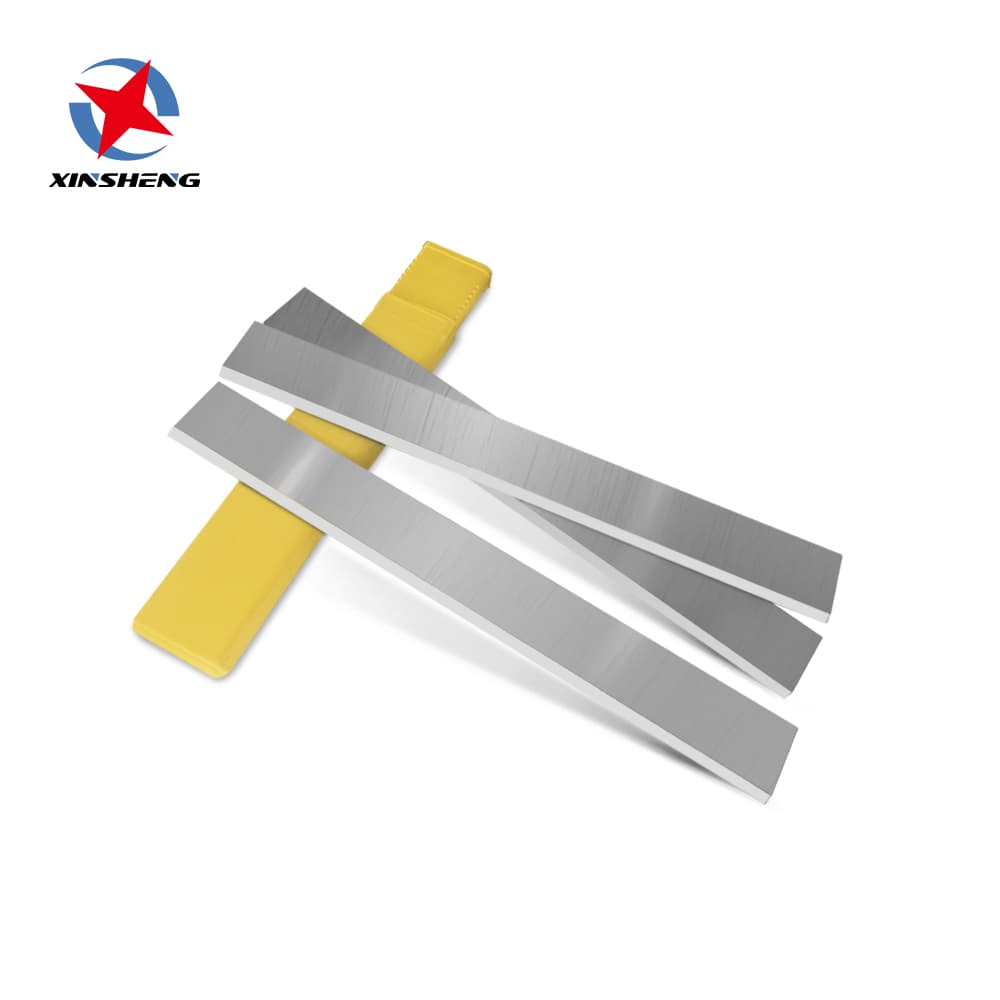
WPK-001
Wood Planer Knife
Wood Planer Knife is built for planer heads and surface planing lines. Available in HSS for straight cutting, finish quality, and repeatable grinding. The straight edge format suits long bolt-on knife bars and clamp-mounted holders.
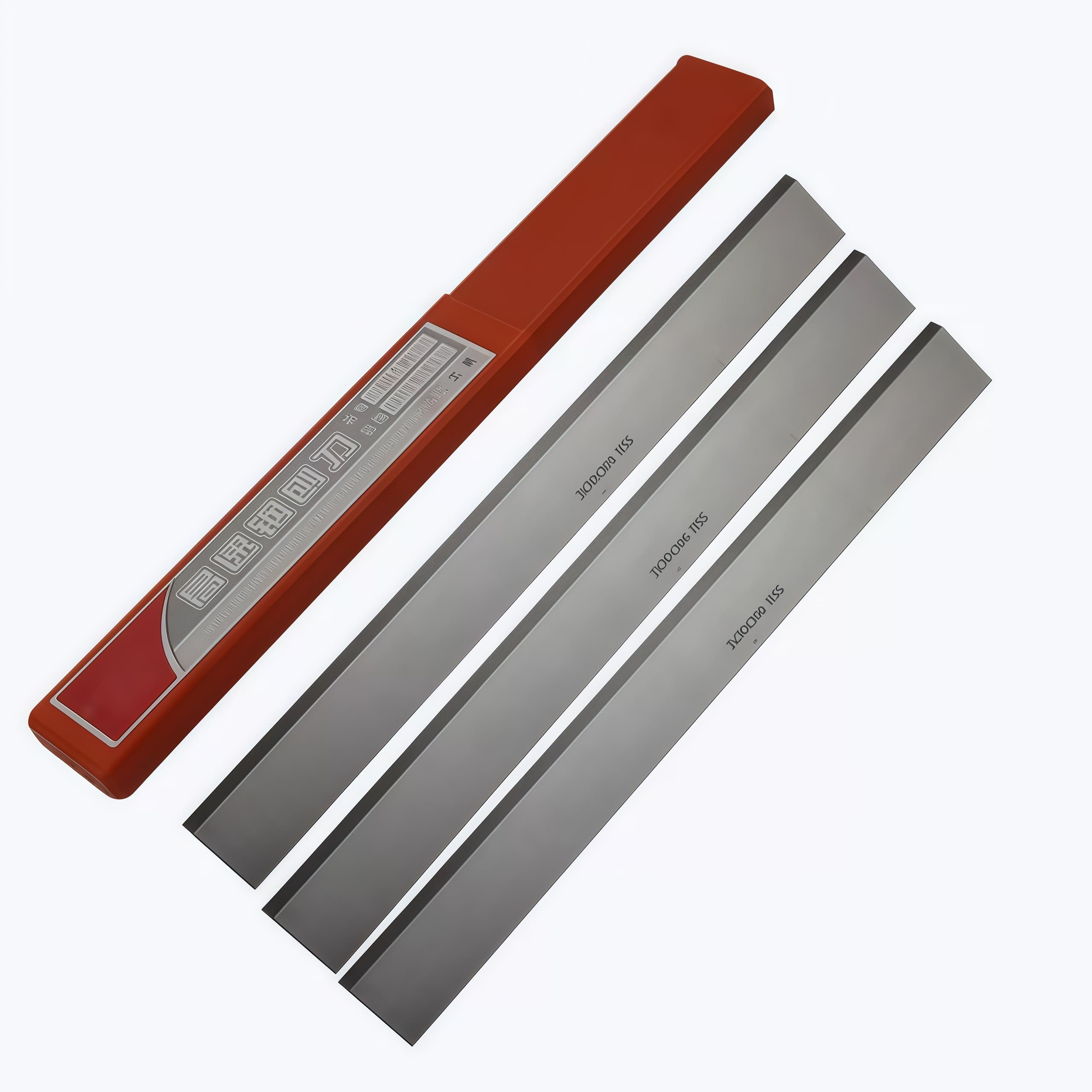
WPK-006
Planer Knife
Planer Knife is built for planer heads and surface planing lines. Available in HSS for straight cutting, finish quality, and repeatable grinding. The straight edge format suits long bolt-on knife bars and clamp-mounted holders.
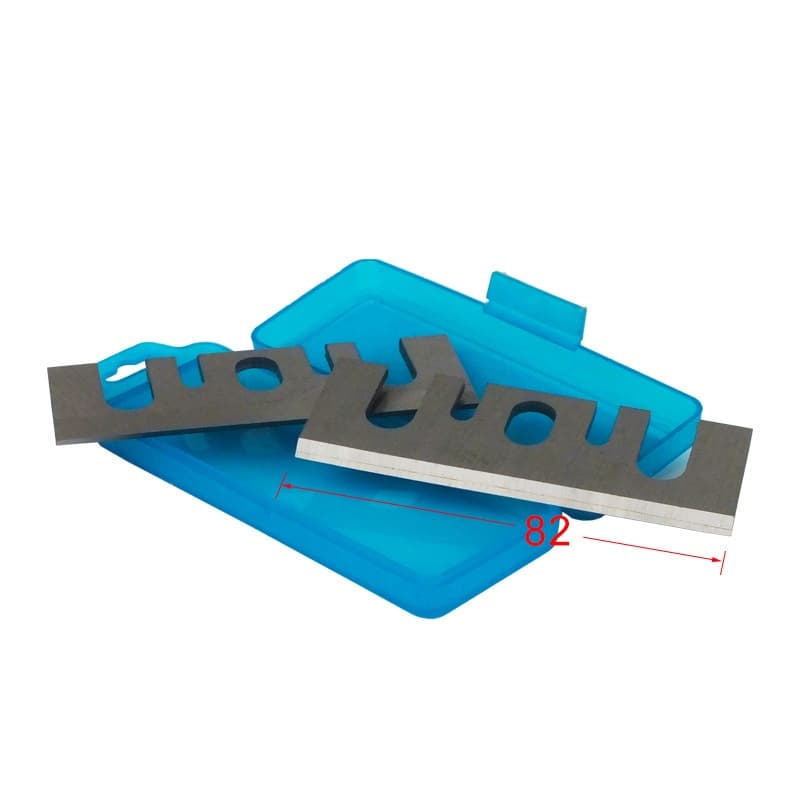
WPK-007
Industrial Planer Knife
Industrial Planer Knife is built for planer heads and surface planing lines. Available in HSS / 9CrSi / SKD11 / tungsten carbide for straight cutting, finish quality, and repeatable grinding. The straight edge format suits long bolt-on knife bars and clamp-mounted holders.
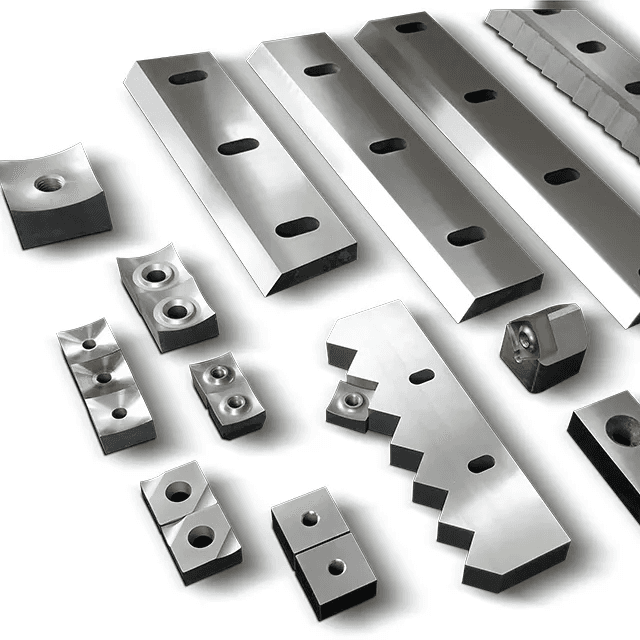
WPK-008
Jointer Knife
Jointer Knife is built for jointer heads and straight-edge surfacing. Available in D2 / HSS / M2 for straight cutting, finish quality, and repeatable grinding. The straight edge format suits long bolt-on knife bars and clamp-mounted holders.
Related knife categories
Related articles
Planer and Jointer Knife RFQ Guide: What Buyers Should Send Before Ordering Straight Knives
A source-backed buyer guide for solid-wood straight knives: machine-stage fit, jointing context, finish complaints, and the RFQ details that prevent repeat reorders.
Read articleVeneer Peeling Knife RFQ Guide: What Buyers Should Confirm Before Ordering
A source-backed buyer guide for veneer peeling knives: pressure-bar fit, thickness control, worn-sample review, and the RFQ details that lower shutdown risk.
Read articleFAQ for solid-wood planer, moulder, and jointer knives
Do I need to mention the cutterhead or clamping style if I only want replacement knives?+
What process details matter most in a straight-knife RFQ?+
Can a supplier review worn samples without a full drawing?+
Which internal pages should I compare next?+
Primary sources used on this page
These notes are built from official machine and tooling guidance so the RFQ reflects real straight-knife setup logic rather than unsupported finish claims.
WEINIG
Tools for planers and moulders
WEINIG links surface quality to concentric tolerance, spindle speed, and equal cutting circles across the knives.
View sourceWEINIG
Jointing technology
WEINIG explains the role of controlled joint land, even feed, and correct machine and tool setup for consistently high surface quality.
View sourceWEINIG
SOLID PROFILE P 1500
WEINIG ties product quality to pressure and guiding elements, repetition precision, and spindle behavior.
View sourceSCM
profiset 40
SCM highlights smooth workpiece movement and outfeed support as part of better finishing performance.
View sourceNeed straight knives for a planer, moulder, or jointer line?
Send the machine model, knife dimensions if known, cutterhead style, wood species, and the actual finish complaint. We can help separate direct replacement from wider setup risk before production.