
Typical WEEE and appliance-line problems behind the RFQ
- •The shredder still runs, but the line produces more fines, dust, wrapping, or poorly separated metal-plastic fractions
- •The plant changed feed from cleaner plastic housings to mixed e-scrap, small appliances, cables, motors, or board-rich material
- •The buyer has worn knives and phone photos but not a reliable drawing or a clear stage description
- •Downstream crusher or granulator quality is drifting even though the purchase request only names the primary shredder knives
Buyer conclusion: quote WEEE knives by stage and separation target
A low-risk WEEE or appliance-recycling knife quote starts with machine stage, feed composition, and target fraction. The European Commission frames WEEE around proper treatment, recovery, and recycling, while SSI lays out shredding, fines removal, hand picking, ferrous separation, and non-ferrous separation as a process. For a blade buyer, that means the RFQ should not begin and end with old-knife dimensions.
If the plant is opening mixed appliances, the priority may be robust shear cutting and stable feeding. If the plant is preparing e-plastics after metal removal, the priority shifts toward crusher and granulator knife fit, bed-knife clearance, screen target, and clean regrind. Use this guide together with our WEEE knife-wear solution, WEEE RFQ article, and contact page.
Machine-stage fit: primary shredding, e-plastics crushing, and granulation are different knife jobs
UNTHA describes electronic scrap as a stream containing recoverable metals and says shredding creates particles that can be separated. WEIMA describes shredding as a step that helps separate metals, plastics, and glass. Those sources point to a staged RFQ: primary shredder knives for opening and liberation, crusher blades for plastic housings and e-plastics, and granulator knives plus bed knives when the line needs controlled regrind.
Do not force every machine into the same blade request. ANDRITZ describes the ADuro QZ as a non-knife disintegration technology for composite materials. That is a useful boundary for buyers: name the actual cutting stage before quoting. Leader Blades fits the knife positions, including shredder cutters, crusher blades, rotor knives, insert knives, and fixed bed knives.
Where the relevant knife families fit in the line
A WEEE or appliance recycling line can use several knife families. The right RFQ route depends on where the bottleneck appears.
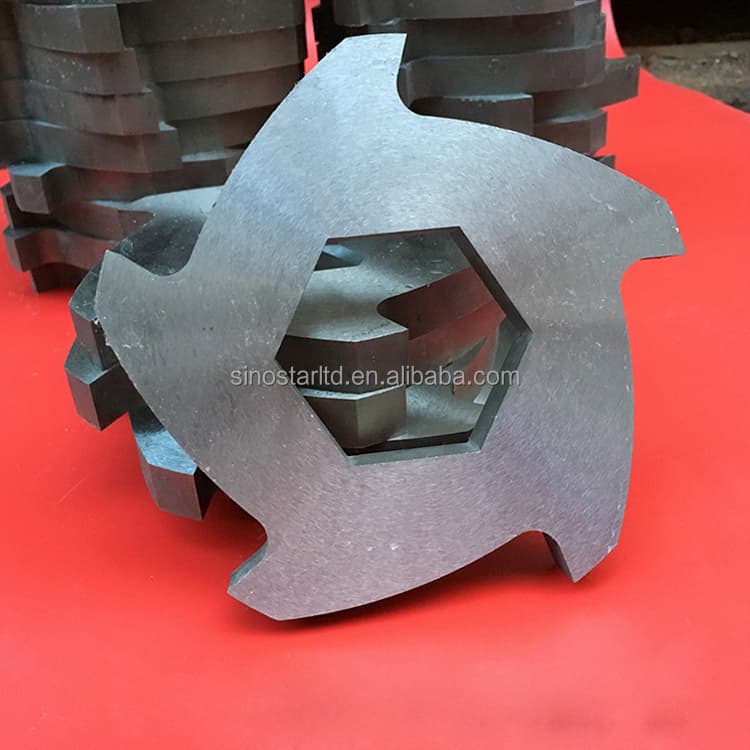
- Double-shaft or general shredder knives for opening mixed e-scrap, small appliances, metal-plastic assemblies, and bulky housings.
- Single-shaft shredder knives for controlled output where screen target, cutter support, and counter side matter.
- Plastic crusher blades for plastic housings, appliance plastics, and post-separation e-plastics size reduction.
- Granulator knives and bed knives when the line needs more controlled regrind after upstream separation.
Start from industrial shredder knives, plastic crusher blades, and granulator bed knives, then send part photos for fit review.
How feed changes alter the RFQ
WEEE feed changes quickly. A line may run plastic housings in one shift, cable-rich boxes the next, and small appliances with motors or metal frames after that. When the feed becomes more metal-heavy, board-rich, cable-rich, or brittle, a knife set that matched the last job may still fit physically but no longer match the duty.
That is why the RFQ should name the feed honestly: small appliances, printer housings, telecom scrap, cables, circuit boards, refrigerator plastics, post-separation e-plastics, or mixed cartons. Add the commercial target: open the material for hand picking, liberate metals, reduce plastic housings, prepare granulator feed, or make more consistent regrind. This is the information that turns a commodity quote into a useful production quote.
Common knife failure patterns on WEEE and appliance recycling lines
Common symptoms include chipped cutter corners, one-sided wear, pocket battering, high current draw, wrapped cable bundles, more fines, plastic still attached to metal, screen overload, hot granulation, and bed-knife rubbing after maintenance. Each symptom belongs to a stage. For example, wrapping may start at intake or cutter geometry, while hot granulation may be a downstream fixed-knife or screen problem inherited from poor upstream preparation.
For buyers, the important point is not to hide the symptom. If the current set failed after a feed change, say so. If the machine still runs but the saleable fraction became worse, say that too. Official machine sources focus on separation and recoverable fractions, so the RFQ should carry the same language into the knife conversation.
Practical selection notes for buyers, dealers, and maintenance teams
Use three levels of review. Level one is direct replacement because the line is stable and the buyer only needs spare knives. Level two is stage review because the support face, counter side, screen, or downstream separation result has changed. Level three is line-fit review because the plant cannot tell whether the problem belongs to primary shredding, e-plastics crushing, granulation, or fixed-knife clearance.
Dealers should ask for one installed photo before quoting to an end user. Maintenance teams should include the next-stage complaint, not only the visible broken cutter. Import buyers should state whether the order is emergency shutdown stock, a pilot batch, or a long-term spare plan. Those commercial details change how much technical risk the supplier should review before production.
What to send for a fast WEEE or appliance recycling knife quotation
A practical RFQ combines dimensions with line context. Send the following items in the first message whenever possible.
- Machine brand, model, shaft count, and exact stage position
- Feed stream and any known hazards or non-knife stages upstream
- Target output or separation goal
- Old-knife face photo, side photo, dimensions, hole pattern, and installed pocket photo
- Counter knife, bed knife, screen, and holder-seat photos if they affect the cut
- Current symptom and when it started
- Whether the order is direct replacement, trial batch, shutdown spares, or stage review
When the details are ready, send them through the RFQ form. If you are not sure which product family fits, compare plastic recycling shredder knives, multi-material shredder knives, plastic crusher plate knives, and granulator bed knives.
Representative parts for this line
Use the closest shape below as your RFQ reference, then send dimensions or old-blade photos for fit review.
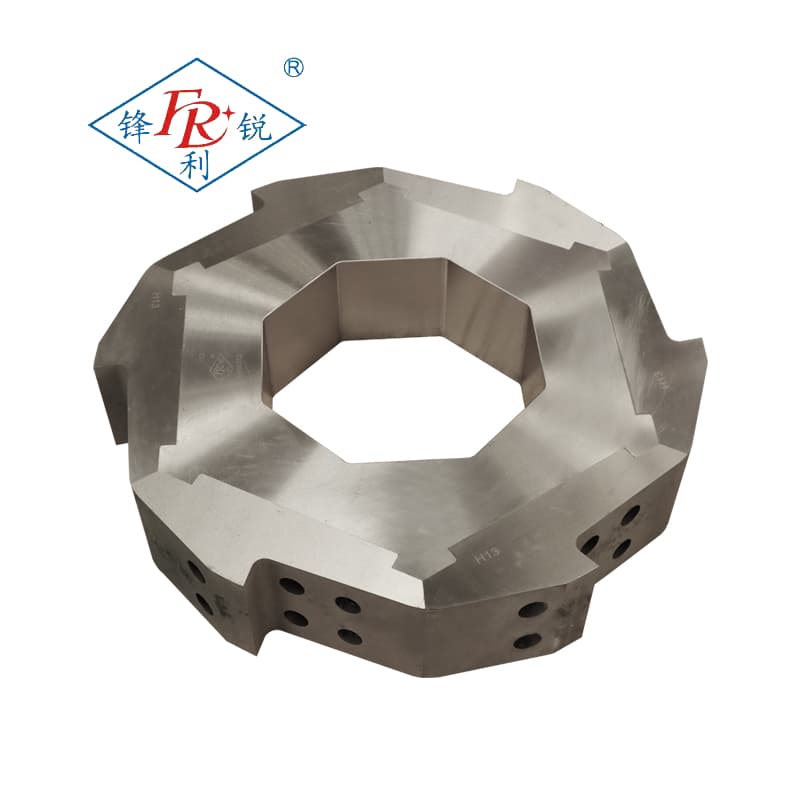
GSK-008
Plastic Recycling Shredder Knife
Plastic Recycling Shredder Knife is built for industrial recycling lines and mixed scrap size reduction. Available in D2 / SKD11 / HSS / alloy steel for mixed-feed shredding and steady replacement life. The insert-style format fits compact cutter seats and short replacement positions.
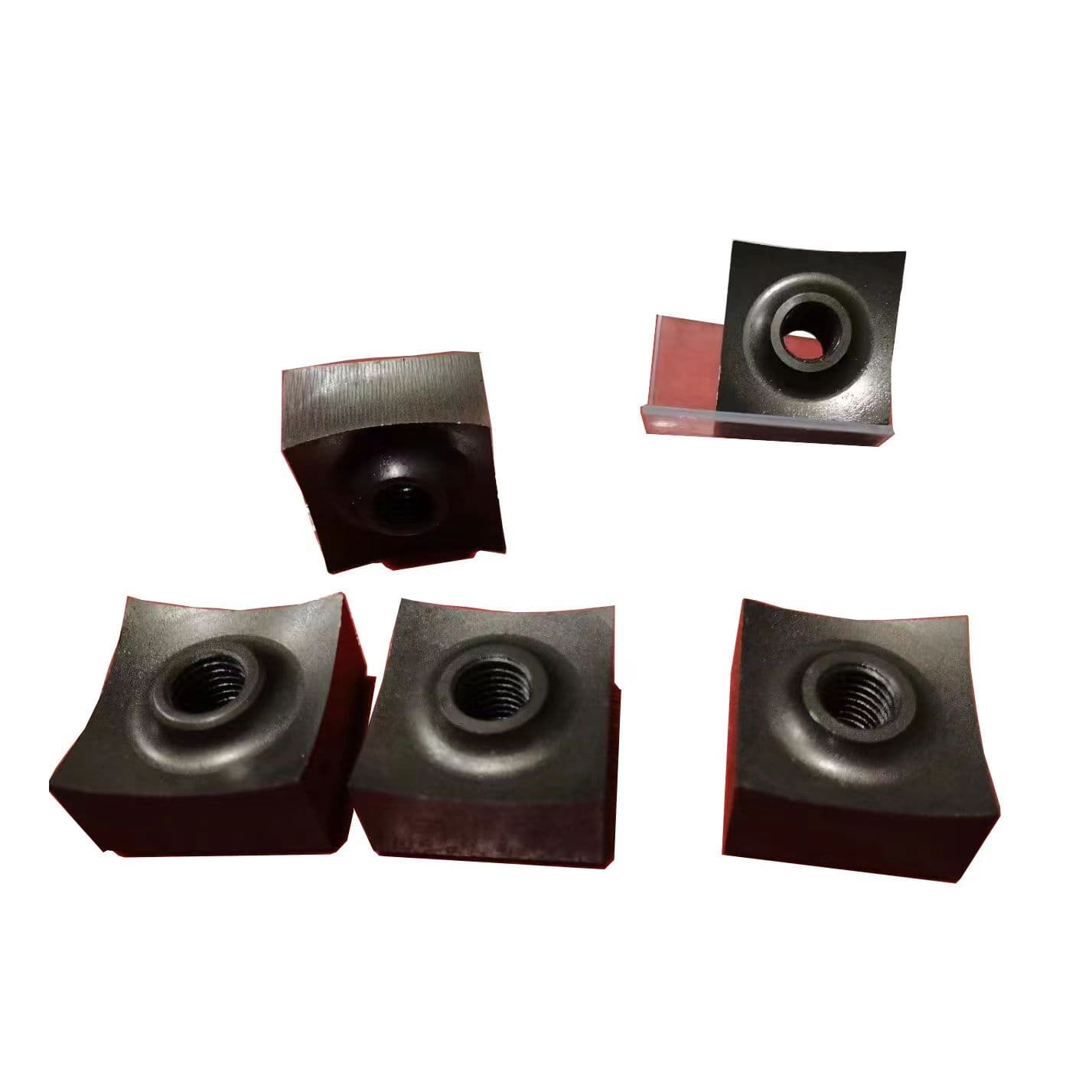
GSK-003
Multi-Material Shredder Knife
Multi-Material Shredder Knife is built for industrial recycling lines and mixed scrap size reduction. Available in SKD11 / D2 for mixed-feed shredding and steady replacement life. The profiled body suits fixed or rotary stations where alignment and edge exposure matter.
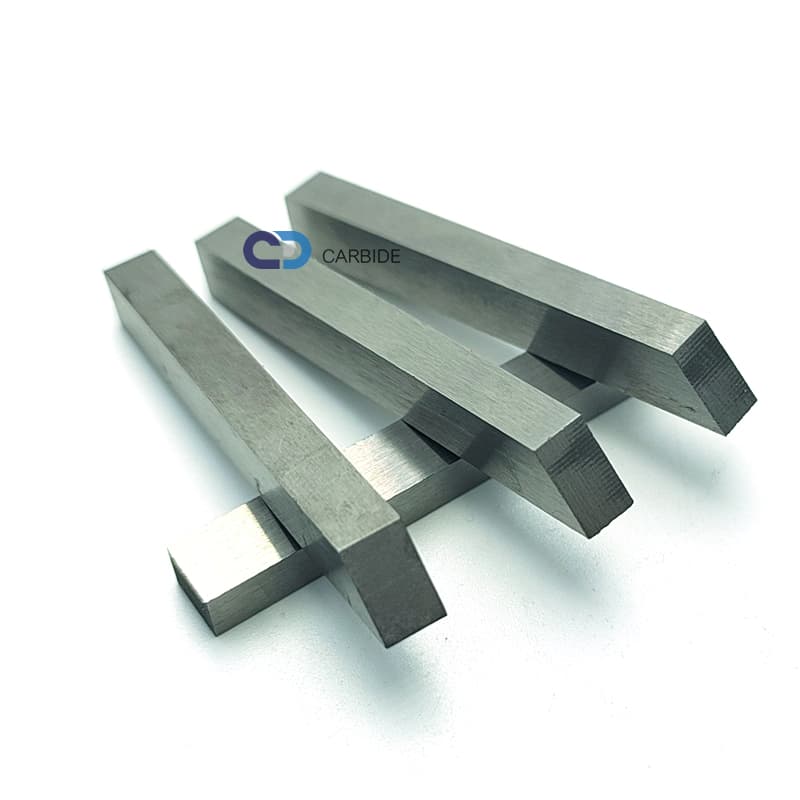
GSK-004
Carbide Industrial Shredder Knife
Carbide Industrial Shredder Knife is built for industrial recycling lines and mixed scrap size reduction. Available in Tungsten Carbide / Carbide for mixed-feed shredding and steady replacement life. The insert-style format fits compact cutter seats and short replacement positions.
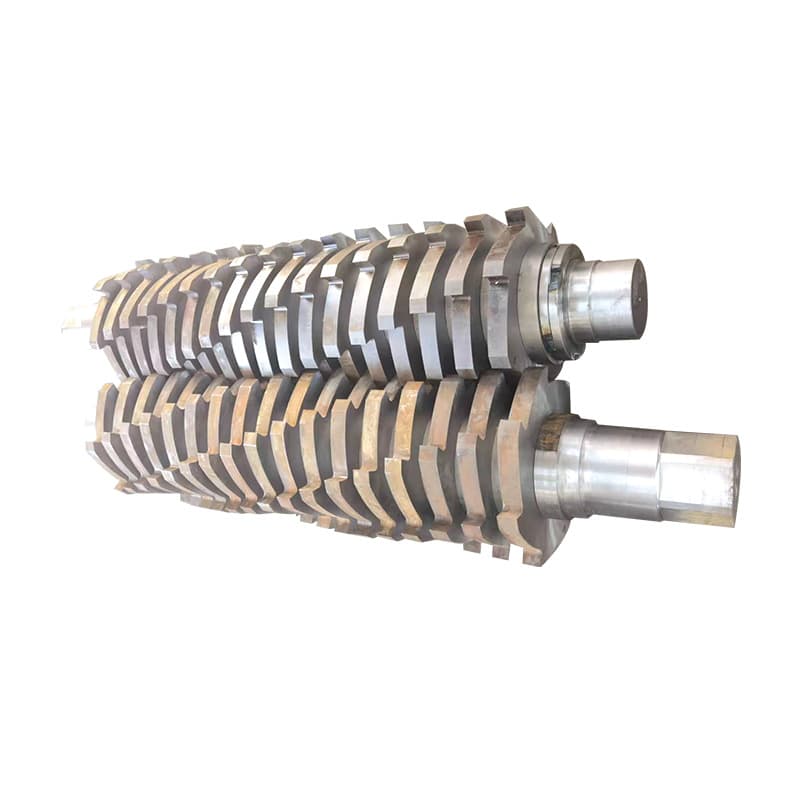
DSK-002
Heavy-Duty Double-Shaft Shredder Knife
Heavy-Duty Double-Shaft Shredder Knife is built for double-shaft shredders and bulky plastic waste reduction. Available in D2 / HSS / 9CrSi / H13 for torque-heavy duty, impact resistance, and manageable maintenance cost. The cutter geometry suits stacked shredder rotors and indexable cutter assemblies.
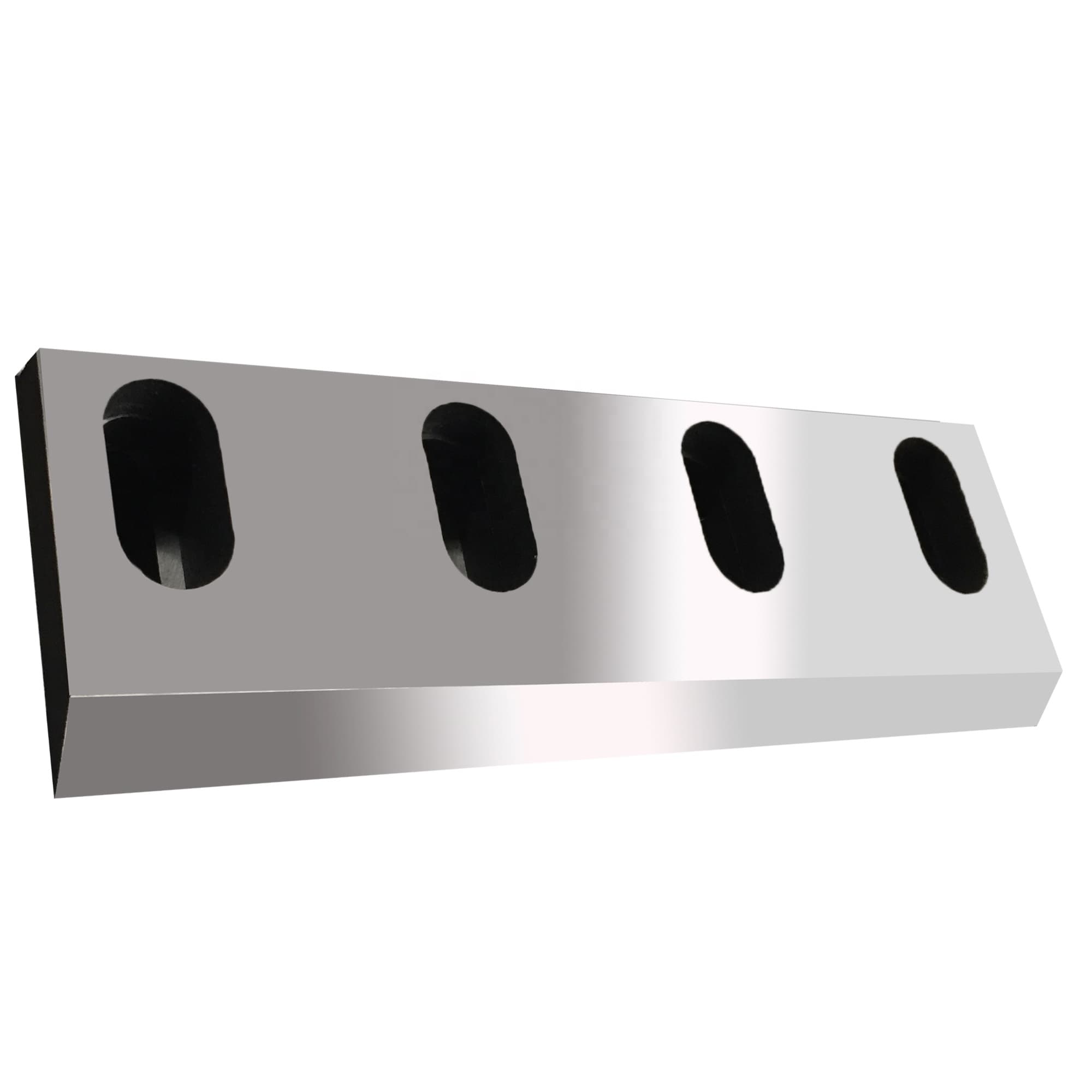
PCB-002
Plastic Crusher Plate Knife
Plastic Crusher Plate Knife is built for pet bottle crushing lines and rigid plastic size reduction. Available in SKD11 / 9CrSi for wear resistance, stable knife clearance, and repeatable sharpening. The straight edge format suits long bolt-on knife bars and clamp-mounted holders.
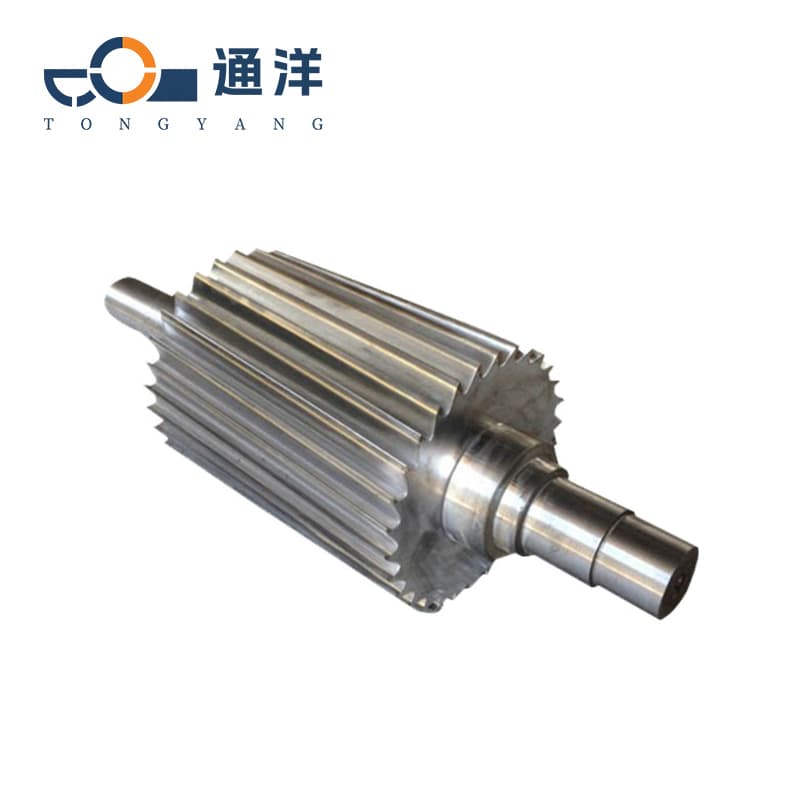
GBK-001
Granulator Bed Knife
Granulator Bed Knife is built for granulator bed knife replacement and pet bottle and rigid plastic grinding. Available in SKD11 / D2 / HSS / tungsten carbide for stable rotor clearance and consistent granulation quality. The insert-style format fits compact cutter seats and short replacement positions.
Related knife categories
Related articles
WEEE Shredder Knife RFQ Guide: What Buyers Should Send Before Ordering E-Scrap Cutters
A source-backed buyer guide for WEEE shredder knives, appliance-plastic crusher blades, and e-plastics granulator knives: stage fit, feed mix, photos, and RFQ criteria.
Read articleSingle-Shaft Shredder Knife Indexing: Buyer RFQ Guide
An original buyer guide built from official machine documentation: when indexing helps, when chamber wear matters more, and what to send before requesting a quote.
Read articleFAQ for WEEE and appliance recycling knives
Should a WEEE knife RFQ separate the appliance, electronics, and plastic stages?+
Do buyers need to mention batteries, cables, circuit boards, or metal-heavy feed?+
Can Leader Blades quote from worn WEEE shredder knives and photos?+
Which internal pages should buyers compare first?+
Primary sources used for this application guide
These official sources define WEEE recovery goals, electronic scrap processing stages, and machine-stage boundaries for blade RFQs.
European Commission
Waste from Electrical and Electronic Equipment (WEEE)
Official WEEE policy page covering proper treatment, recovery, recycling, and separate collection logic.
View sourceUNTHA
Shredding of electronic scrap
Official application page tying electronic scrap shredding to recoverable materials and separation-ready particles.
View sourceWEIMA
Electronic Waste | Scrap (WEEE) Shredders for Recycling
Official process page explaining shredding as a step that helps separate metals, plastics, and glass.
View sourceSSI Shredding Systems
Electronic Scrap Processing
Official application page showing shredding, fines removal, hand picking, and ferrous/non-ferrous separation stages.
View sourceANDRITZ
ADuro QZ shredder
Official machine sheet that helps define non-knife disintegration stages so buyers do not quote the wrong wear part.
View sourceNeed a WEEE or appliance recycling knife quote?
Send the stage, feed mix, worn-knife photos, target output, and current symptom. We will review whether the request is direct replacement or a broader stage-fit issue.