
WEEE Shredder Knife RFQ Guide: What Buyers Should Send Before Ordering E-Scrap Cutters
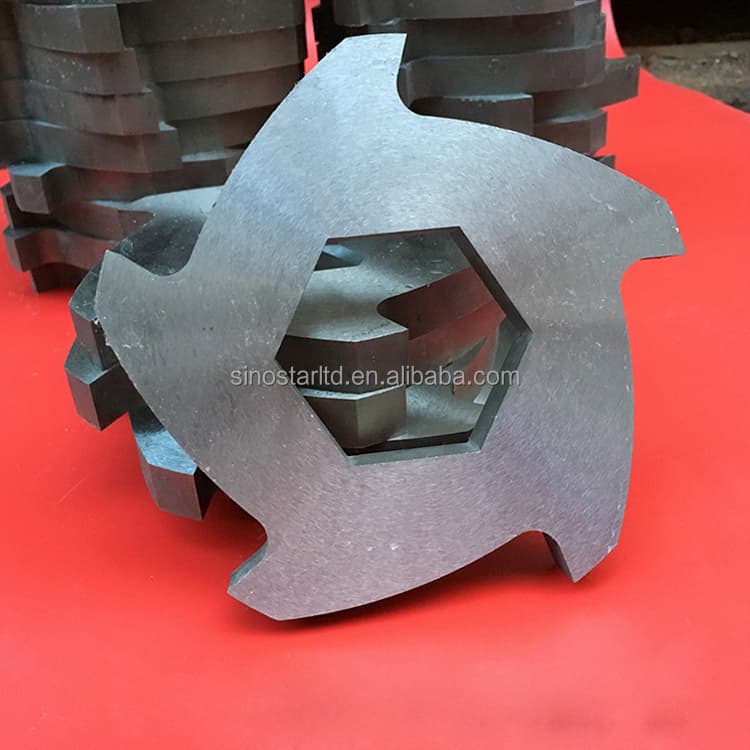
If a WEEE or e-scrap line is chipping cutters, making more fines, wrapping cable bundles, or sending poorly separated metal-plastic fractions downstream, the first RFQ question is not "which steel is hardest?" The first RFQ question is which machine stage is failing, what feed mix entered the line, and whether the order is for direct replacement or a stage-fit review.
That distinction matters because official sources describe electronic scrap processing as a sequence. The European Commission WEEE page focuses on proper treatment, recovery, and recycling. SSI shows shredding, fines removal, hand picking, ferrous separation, and non-ferrous separation in electronic scrap processing. WEIMA describes shredding as a step that helps separate metals, plastics, and glass. For buyers, the practical conclusion is simple: name the stage and separation target before asking for price.
This article connects that source-backed process logic to a low-risk knife RFQ. Use it with the new WEEE knife-wear solution, the new WEEE application guide, and the RFQ form when you are ready to send photos.
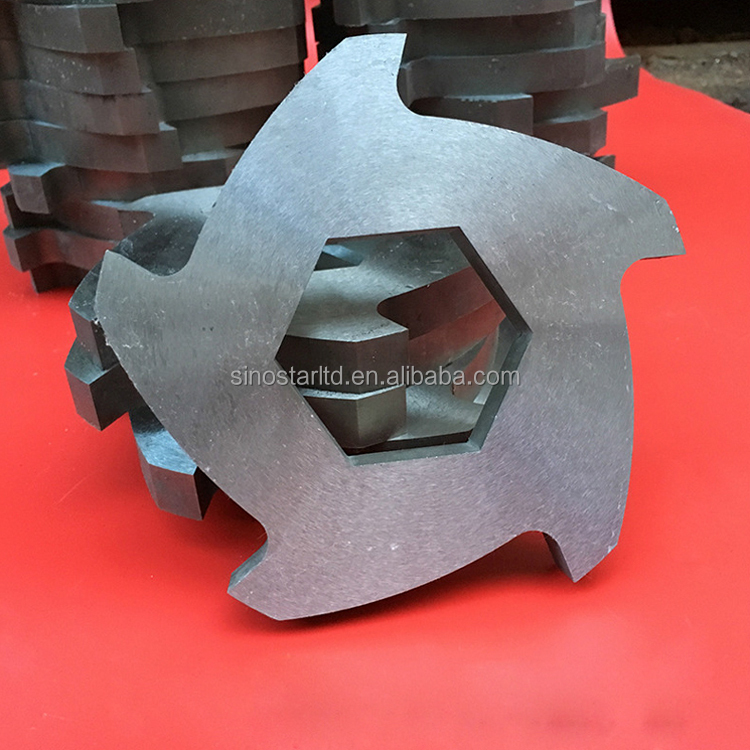
Buyer conclusion: a WEEE knife quote should start with stage, not steel grade
Buyers often begin with a narrow request: replacement shredder knives, e-scrap cutters, appliance recycling blades, or crusher knives for plastic housings. Those phrases are useful, but they are not enough. A mixed appliance pre-shredder, a four-shaft liberation shredder, a plastic-housing crusher, and a downstream granulator do not create the same cutter duty. The supplier needs to know which duty is being quoted.
The UNTHA electronic scrap page says size reduction creates particles that can be separated. SSI describes system logic around separating commodities when they become marketable. That means a buyer should say whether the line is opening mixed material, removing fines, liberating metal from plastic, or preparing e-plastics for controlled regrind.
Machine-stage fit: primary opening, liberation, plastic crushing, and granulation need different RFQs
For primary opening, the RFQ should focus on bite, shaft count, cutter support, contamination tolerance, and whether the feed includes motors, metal frames, cables, or plastic shells. For liberation, the RFQ should include the separation target and any screen or fines-removal issue. For e-plastics crushing or granulation, the RFQ should include the plastic stream, fixed knife, bed knife, and screen target because the line is now being judged by regrind consistency.
ANDRITZ is also useful here because its ADuro QZ sheet describes a non-knife disintegration principle for composite materials. That does not make it a Leader Blades knife target. It helps buyers draw a boundary: send us the knife stages, and name non-knife stages so the quote stays focused on actual cutters, crusher blades, granulator knives, or bed knives.
What buyers miss when they send only dimensions
Dimensions matter, but WEEE failures often come from context. A new batch of small appliances may introduce more metal frames. Cable-rich feed may wrap differently. Circuit-board scrap may change fines and dust behavior. Plastic housings may be brittle or mixed with glass and metal. A downstream granulator may look like the failure point even when the upstream shredder is creating unstable feed.
When the RFQ contains only length, width, thickness, and hole count, the supplier can quote a part but may not see the risk. When the RFQ includes feed, stage, target output, symptom, and installed-seat photos, the supplier can decide whether the request is direct replacement, a trial batch, or a broader stage review.
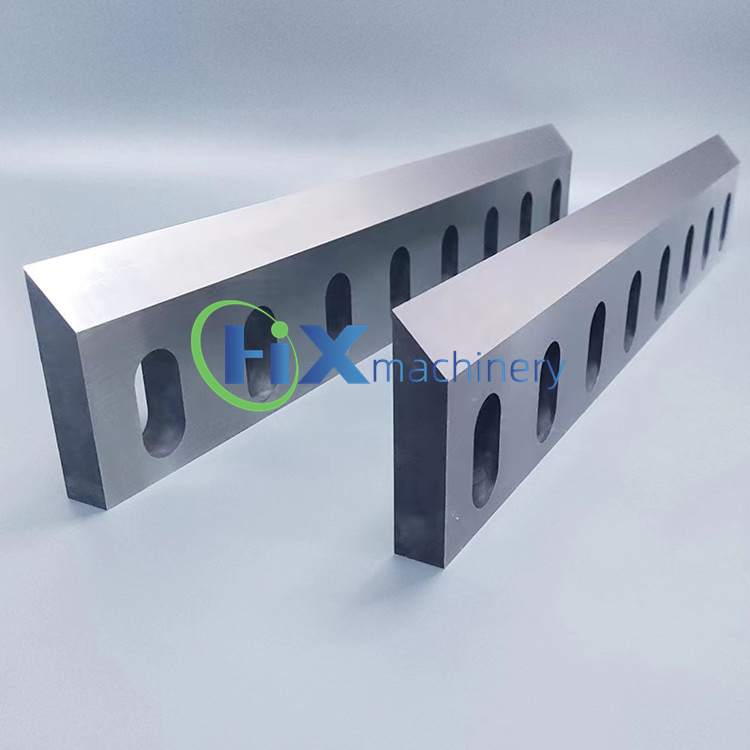
RFQ checklist: what to send before asking for price only
The fastest low-risk WEEE knife RFQs combine geometry with operating context. Send these items in the first message whenever possible:
- Machine brand, model, shaft count, and exact stage position.
- Feed stream: mixed e-scrap, small appliances, cables, boards, motors, plastic housings, refrigerator plastics, or post-separation e-plastics.
- Target output or separation goal: opening, liberation, fines control, plastic crushing, granulator feed, or controlled regrind.
- One face photo of the knife with a ruler, one side-profile photo, and one installed pocket or holder photo.
- Counter knife, bed knife, screen, or fixed-side photos where those parts affect the cut.
- Current symptom: chipped corners, wrapping, high current, more fines, poor separation, hot granulation, bed-knife rubbing, or screen overload.
- Whether you need direct replacement, a trial batch, emergency shutdown stock, or stage-fit review.
If you do not have a drawing, say so directly. In aftermarket WEEE and appliance recycling work, worn samples are common. The key is to pair the sample with the stage and symptom so the next order does not simply reproduce the last failure.
Expert practical-selection notes for buyers and dealers
Use three levels. Level one is direct replacement because the machine stage is healthy. Level two is cutting-stage review because the pocket, counter side, screen, or downstream separation result has changed. Level three is line-fit review because the buyer does not yet know whether the failure belongs to the shredder, crusher, granulator, or fixed knife.
For dealers, ask the end user for one installed photo and one line symptom before quoting. For import buyers, explain whether the order is a trial lot, a planned shutdown set, or an urgent replacement. For maintenance teams, include the next-stage complaint, because poor separation, fines, or hot granulation can change which knife family should be reviewed first.
Start with our general shredder knives, single-shaft shredder knives, plastic crusher blades, and bed knives, then send the details through the contact form.
FAQ
Do I need to mention downstream sorting or separation?
Yes. If the complaint includes fines, poor liberation, or mixed metal-plastic output, the separation target belongs in the RFQ.
Can Leader Blades quote from worn WEEE knives and photos?
Yes. Send worn samples or photos with scale, installed-seat photos, machine stage, feed mix, target output, and current symptom.
What if one WEEE stage does not use knives?
Name that stage clearly. Leader Blades should quote the shredder, crusher, granulator, rotor, and bed-knife positions that match the actual knife wear parts.
Which internal pages should I compare next?
Compare the WEEE solution page, WEEE application guide, single-shaft shredder RFQ guide, and contact page.
Primary sources
This article is an original buyer-side synthesis built from official WEEE policy and machine-maker process references.