
Typical RFQ problems on wood pallet and biomass chip lines
- •The line needs new knives, but the real complaint is oversized chips, stringers, more fines, or unstable chip quality after the last maintenance cycle.
- •The buyer has loose knives and machine photos, yet no one has clearly stated whether the job is brush chipping, pallet waste, biomass fuel preparation, or whole-tree reduction.
- •The RFQ is still treated as a knife-only order even though the counter side, hardware, and machine-specific knife count are what control the restart risk.
Buyer conclusion, machine-stage fit, and RFQ logic
If a wood chipper line is making oversized chips, stringers, or unstable chip quality, the safest commercial decision is usually to quote the rotor knife family together with the counter knife or anvil side, the installed hardware, and the actual machine stage.
That distinction matters because brush chippers, pallet-reduction lines, biomass preparation systems, and whole-tree chippers do not buy the same way. A serious RFQ should say whether the line is chasing chip consistency, easier maintenance, or both, and whether the machine is a drum, disc, or another chipper family.
RFQs move faster when they include knife count, bolt pattern, the current chip complaint, and counter-side photos in the first message. That is the shortest path to deciding whether you need direct replacement, a knife-plus-anvil review, or a broader chamber reset before the next shutdown.
Source-backed commercial summary
Official Bandit and Morbark material makes one thing clear: wood-chipper knives are part of a wear-parts system that includes hardware, anvils or counter surfaces, and machine-specific knife counts. Buying signals therefore include machine style, knife pattern, wood condition, and whether the line is chasing chip quality, uptime, or both.
Official Bandit wear-parts documents repeatedly pair knives, anvils, and hardware in the same service context. That matches field reality: the counter side is part of the real cut, and chip quality often depends on how well the knife and anvil package is maintained together rather than on the rotating knife alone.
Combined RFQ checklist for rotating and counter sides
- Machine family: drum chipper, disc chipper, brush chipper, or another wood-waste chipper
- Knife size, hole pattern, bevel arrangement, and whether the knife is reversible or fixed-orientation
- Whether the machine is running hardwood, softwood, mixed arbor waste, or contaminated wood waste
- Current complaint: poor chip quality, fast knife wear, downtime, or mounting-fit problems
- Whether the counter knife or anvil side is also being reviewed at the same time
- Whether new bolts, nuts, or hardware are needed with the knife change
- Machine family and model if known
- Whether the part is an anvil, counter knife, insert set, or a matched package
- Photos of the chamber-side mounting area, hole pattern, and wear marks
- Whether the rotating knives are also being changed or only the fixed side
- Current complaint: oversized chips, poor pull-in, edge damage, or mounting wear
- Whether new hardware is required with the replacement set
Wood chipper knives are wear parts in a machine-specific cutting package
Official Bandit wear-parts catalogs and Morbark knife information both show that chipper knives are not sold as abstract steel strips. They belong to machine-specific packages with defined knife counts, hardware, and matching wear parts. Morbark also emphasizes that sharp, well-maintained knives support safer operation and reduce jams and kickbacks.
For buyers, that means the RFQ should clearly identify the machine family and the installed knife pattern. A close-looking knife from another chipper platform is not automatically the right service part.
Wood species, contamination, and machine role all affect knife duty
Chippers processing clean softwood, hardwood, arbor waste, or dirtier biomass do not place the same duty on the knife. Morbark explicitly frames its knife offering around hardwood, softwood, and mixed materials, while Bandit's machine-specific wear-part documents show how tightly the knife and anvil package are tied to the machine model.
That is why buyers should mention not only the machine but also the wood condition and whether chip consistency or uptime is the main concern. Knife life expectations can change quickly when the wood stream gets dirtier or drier.
What common chipper symptoms usually mean
Oversized chips, rising power load, more vibration, or rapid edge failure are usually signs that the knife change should be reviewed together with the counter side and hardware. Bandit's wear-parts documentation consistently pairs knives, anvils, and hardware in the same service context, which is a good reminder that the knife does not work alone.
If the buyer reports that the chipper used to run acceptably on the same wood but now needs more frequent knife service, the RFQ should include that field history rather than only the knife dimensions.
How to request a correct chipper-knife quotation
The most useful RFQs combine machine-specific fit with operating context. A knife photo alone helps, but a machine model, knife count, hole pattern, and short note on wood type make the quote much safer.
- Send photos of the knife, the installed position, and the bolt-hole pattern.
- State whether the machine is drum, disc, or brush chipper style.
- Describe the wood stream as softwood, hardwood, mixed arbor waste, or wood waste with contamination risk.
- Mention if the main problem is chip quality, uptime, or frequent edge damage.
The counter side defines the real cut just as much as the knife does
Counter knives and anvils are not passive backing blocks. In practical chipper service, they define the surface the rotating knife cuts against. Bandit's wear-parts sheets repeatedly package anvils and knives together, which reflects the real maintenance logic of the chamber.
For buyers, that means chip-quality complaints should often trigger a review of the fixed side as well as the rotating side. A new knife running against a worn anvil can still leave the machine cutting badly.
Counter knives and anvils are strongly machine-specific service parts
Official wear-parts documents show how tightly anvils and counter knives are tied to machine model and chamber layout. Bolt pattern, seat geometry, and hardware matter. A visually similar anvil from another machine family is not automatically a safe substitute.
That is why the RFQ should include the chamber-side mounting area and not just a loose part photo. On these jobs, seat geometry is often as important as nominal dimensions.
What common counter-side symptoms usually mean
Oversized chips, edge chipping, reduced pull-in, or fast knife wear after a change often point back to the counter side. If the anvil or counter knife is worn, the rotating edge can lose the cutting reference it needs and the machine will not return to normal performance.
For rotating-side parts, compare our wood chipper knives page. Most wood-chipper RFQs are stronger when both pages are reviewed together.
How to request a correct counter-knife or anvil quotation
The safest RFQs show the loose wear part and the installed chamber seat together. Wear marks around the seat or fasteners often explain more than the loose part alone.
- Send photos of the anvil or counter knife and the mounting position inside the chamber.
- State whether the rotating knife set is also being replaced.
- Describe the visible symptom: oversized chips, poor cut, fast wear, or damaged edge.
- If you need hardware with the set, mention it in the first message.
Commercial symptoms that usually mean the whole chamber needs review
These are the most common commercial situations behind chipper-knife RFQs. They usually require the buyer to review the machine-specific knife package rather than one blade in isolation.
Chip quality has dropped and the machine is making larger or rougher chips
When chip quality changes, the review usually starts with knife sharpness, the counter side, and whether the installed knife pattern still matches the machine and wood stream correctly.
Knife life has fallen sharply on harder or dirtier wood
If the wood stream changed, the RFQ should say so. Hardwood, dry material, and contamination can all change the expected duty on the cutting edge and hardware package.
The machine needs a known replacement pattern and hardware-ready fit
Many chipper buyers are trying to match a known installed pattern rather than redesign the chamber. In that situation, machine-specific fit and hardware details are just as important as steel selection.
These are the most common commercial situations behind counter-knife and anvil RFQs on chipper lines.
New rotating knives still do not restore chip quality
When the knife side was changed but the machine still cuts poorly, the counter side usually needs to be reviewed as the fixed cutting reference.
The anvil or counter side shows clear wear or hardware damage
Once the mounting surface and hardware area are worn, the RFQ should become a chamber-side review rather than a simple loose-part replacement.
The buyer needs a machine-specific matched set rather than a loose anvil only
On many service jobs, the safest purchase is a matched counter-knife and anvil direction rather than trying to keep one worn side in service.
Internal routes buyers usually compare next
Start with our wood chipper knife category and counter knife and anvil category, then compare the wood chipper replacement knife, reversible drum chipper knife, counter knife and anvil set, the wood pallet and biomass chip-quality solution, the counter-side RFQ article, and the contact page.
Representative parts for this line
Use the closest shape below as your RFQ reference, then send dimensions or old-blade photos for fit review.
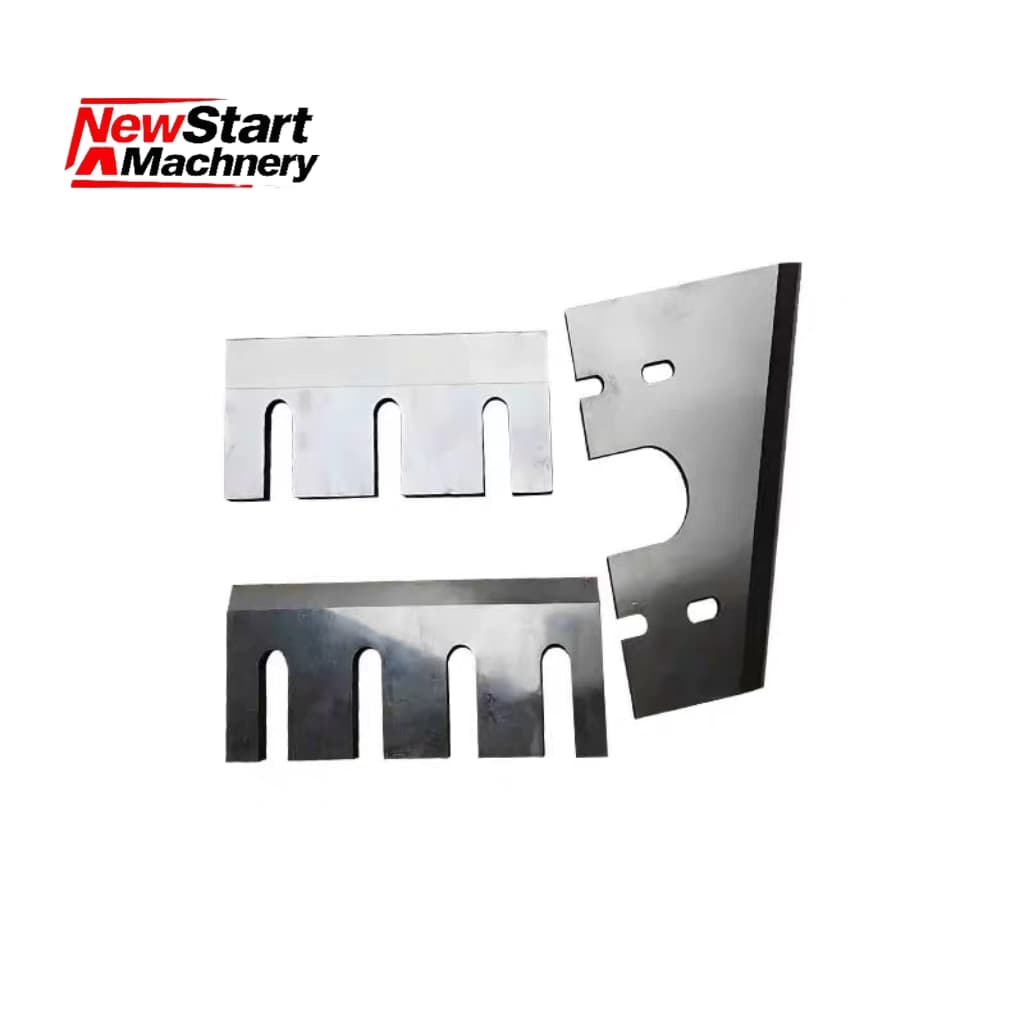
WCK-004
Wood Chipper Replacement Knife
Wood Chipper Replacement Knife is built for drum wood chipper lines and disc chipper systems. Available in HSS / 9CrSi / SKD11 / carbide-tipped alloy steel for edge retention, impact tolerance, and repeatable regrinding. The insert-style format fits compact cutter seats and short replacement positions.
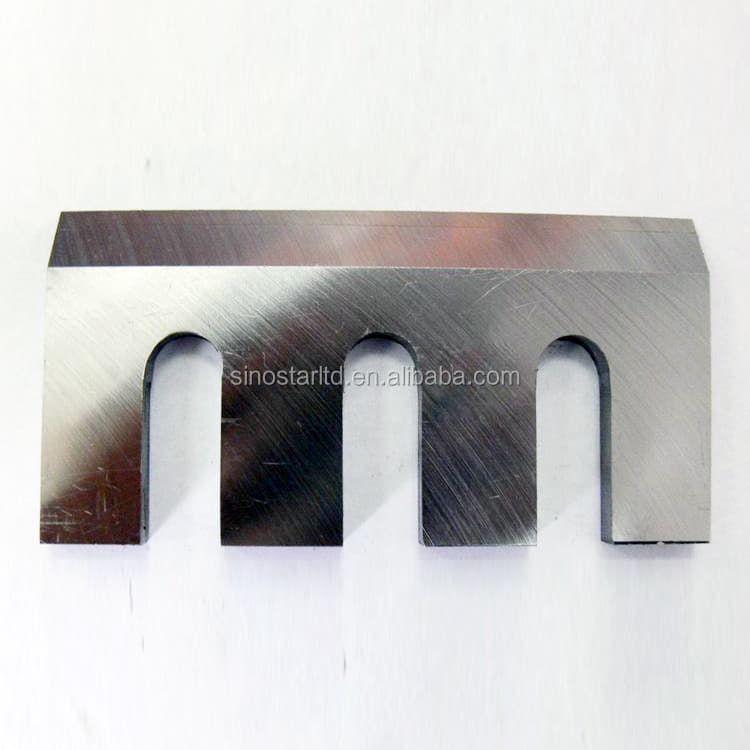
WCK-009
Bandit-Compatible Drum Chipper Knife
Bandit-Compatible Drum Chipper Knife is built for bandit-style drum chipper maintenance and forestry and biomass chipping. Available in SKD11 / D2 / HSS for edge retention, impact tolerance, and repeatable regrinding. The profiled body suits fixed or rotary stations where alignment and edge exposure matter.
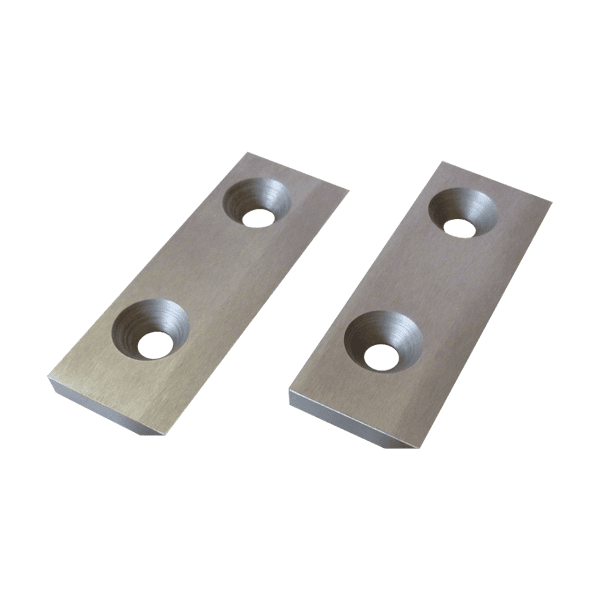
CCA-001
Chipper Counter Knife and Anvil Set
Chipper Counter Knife and Anvil Set is built for counter knife replacement and anvil and bed knife maintenance. Available in SKD11 for stable counter edges and controlled chip sizing. The profiled body suits fixed or rotary stations where alignment and edge exposure matter.
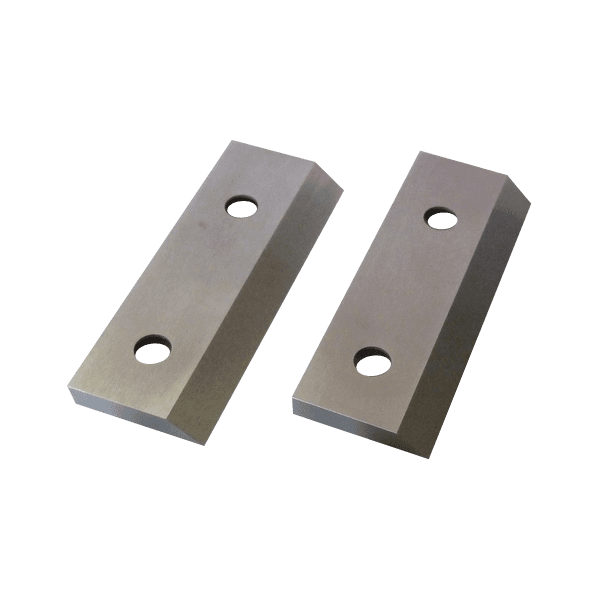
CCA-003
Bandit-Compatible Counter Knife and Anvil Set
Bandit-Compatible Counter Knife and Anvil Set is built for bandit chipper counter knife replacement and anvil set maintenance. Available in SKD11 for stable counter edges and controlled chip sizing. The profiled body suits fixed or rotary stations where alignment and edge exposure matter.
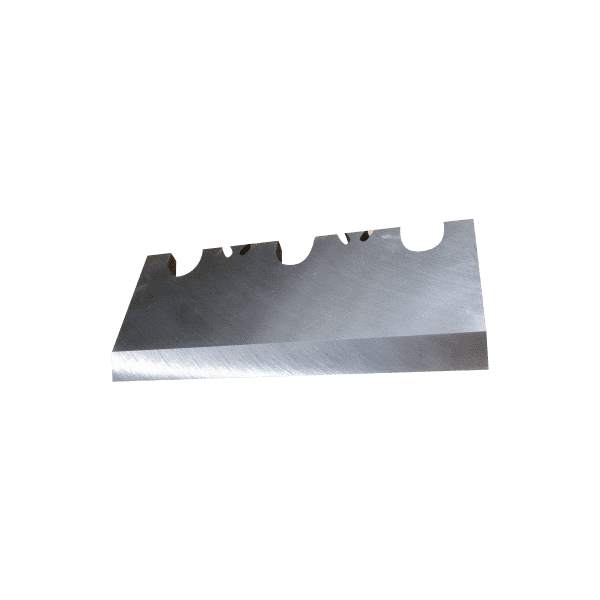
CCA-007
Drum Chipper Counter Knife Set
Drum Chipper Counter Knife Set is built for drum chipper counter knife replacement and anvil and bed knife maintenance. Available in Tungsten Carbide / Carbide for stable counter edges and controlled chip sizing. The straight edge format suits long bolt-on knife bars and clamp-mounted holders.
Related knife categories
Related articles
Wood Chipper Knife RFQ Guide: What Buyers Should Confirm Before Ordering Rotor Knife Sets
A source-backed buyer guide for drum, disc, and brush chipper rotor knives: machine-family fit, wood-stream clues, hardware questions, and the RFQ details that reduce wrong-fit reorders.
Read articleWood Chipper Counter Knife and Anvil RFQ Guide: What Buyers Should Confirm Before Ordering
A source-backed buyer guide for wood chipper counter knives and anvils: chip quality, knife pairing, field photos, and the RFQ details that prevent wrong-fit reorders.
Read articleBlade Maintenance Tips for Longer Life
Inspection intervals, alignment checks, and cleaning—for granulators, crushers, and shredders.
Read articleFAQ for wood pallet and biomass chipper knives
Why should the RFQ include the machine type and not only the knife dimensions?+
Does the wood stream matter when ordering chipper knives?+
Should I review the anvil or counter side when changing chipper knives?+
What is the safest way to request a quotation without a drawing?+
Why should the counter side be reviewed together with the rotating knife?+
Are anvils and counter knives strongly machine-specific?+
Primary sources used on this page
These notes combine official rotating-side and counter-side guidance so the RFQ reflects the whole cutting chamber rather than a single loose knife.
Bandit Industries
Tree Care Wear Parts Catalog
Bandit lists machine-specific chipper knives, anvils, and hardware together, reinforcing the model-specific nature of chipper wear parts.
View sourceBandit Industries
Wear Parts - Model 12XC Drum-Style Chipper
Bandit shows the anvil and knife as related service parts in a machine-specific wear-parts sheet.
View sourceMorbark
Knives
Morbark emphasizes use across hardwood, softwood, and mixed materials and links sharp, well-maintained knives to safer operation and fewer jams.
View sourceNeed chipper knives for pallet or biomass work?
Send the machine model, knife pattern, chip complaint, and counter-side photos. We can review direct replacement versus knife-plus-anvil risk before production.