
PET thermoform recycling: skeletal waste, startup sheet, and stage-fit knife decisions
When PET thermoform lines turn noisy, dusty, or unstable, the safer commercial decision is to match knives to skeletal waste, startup sheet, and downstream cleanup stages instead of repeating the last blade size.
Typical field problems
- •The line still runs, but regrind is dustier, noise is higher, or the same knife geometry no longer survives the planned maintenance interval.
- •The buyer has old blades and dimensions, yet no one has written down whether the duty is low-built skeletal-waste granulation, startup sheet with unpunched product, or downstream tray and clamshell cleanup.
- •The RFQ is being treated as a direct replacement order even though the real complaint now includes unstable pull-in, more fines, fixed-side wear, or a material stream that is no longer clearly sorted PET.
Buyer conclusion first: if a PET thermoform line starts making dusty regrind, rubbing noise, or short knife runs, the lower-risk buying decision is usually to quote the granulator knife family, the bed-knife and fixed-side family, and, where tray cleanup feeds another reduction stage, the crusher blade family as one stage-fit review. Reordering the last blade size without naming the thermoform stage often reproduces the same complaint after startup.
Machine-stage fit: Rapid's official thermoforming pages separate more than one real cutting duty. The thermoforming solution page shows a low-built 300-LBB for integrated in-line recycling of skeletal waste, and it shows ThermoPRO for in-line recycling of startup waste sheet with unpunched products up to 200 mm and punched skeletal waste. Rapid's official ThermoPRO page then separates external loop-control duties from stand-alone loop-control duties, including deep-draw products up to 200 mm. That is stage-fit evidence, not marketing decoration.
RFQ and commercial decision logic: send the machine brand and model, whether the line is handling skeletal waste, startup sheet, deep-draw products, tray reject, or downstream cleanup, whether the feed is confirmed PET, whether unpunched products remain in the skeleton, installed photos of moving and fixed knives, the current regrind symptom, and any next-stage complaint. If the plant already sees dust, fines, or poor pull-in after a knife change, compare this page with our PET thermoform tray application guide, the PET thermoform RFQ article, the granulator knife-gap checklist, and the contact page before asking for a repeat build.
Why this keyword cluster matters commercially
PET thermoform recycling is a real industrial spare-parts cluster for this site, not a broad sustainability topic looking for a home. NAPCOR describes PET thermoforms as rigid, non-bottle packaging made by heating PET sheet and trimming it into trays, clamshells, cups, tubs, lids, and similar forms. The same source says PET thermoforms are integral to packaging and are accepted in recycling programs that serve most Americans. That is enough to confirm there is a real packaging-recycling stream behind the buyer language, and it maps directly to Leader Blades categories that already exist.
More importantly for commercial intent, NAPCOR says PET thermoform packaging made of PET resin is technically recyclable with PET bottles, while also warning that not all thermoforms are PET and that reclaimers depend on auto-sorting and best practices to minimize look-alike contamination. That is exactly the kind of operational condition that changes a knife RFQ from a simple geometry request into a stage-fit request. A clean in-line skeletal-waste loop does not create the same duty as mixed thermoform cleanup or downstream regrind correction.
This matters for site fit because the page can legitimately route buyers into granulator insert knives, bed knives, stator knives, and, where the line includes a second rigid-plastic reduction step, crusher profile blades. The keyword cluster stays commercial from start to finish: skeletal waste, startup sheet, thermoform regrind, dusty granulation, and quote-ready knife replacement.
Machine-stage fit across skeletal waste, startup sheet, and downstream cleanup
Rapid's official sources are unusually practical for this cluster because they separate the machine stages in buyer language. On the thermoforming solution page, the 300-LBB is described as a low-profile granulator for integrated in-line recycling of skeletal waste. On the 300-LBB product page, Rapid says the machine is used primarily in the packaging industry for granulating skeletal waste and sheet, can be connected in-line with roll feeder and loop control, and can also granulate startup waste in the form of full and unpunched sheet without machine modification.
ThermoPRO is not positioned the same way. Rapid says ThermoPRO is developed for low-noise granulation of thermoformed skeletal waste. The official product page further says the external loop-control version is suitable for in-line granulation of skeletal waste with unpunched products and can handle up to 80 mm mold depth depending on material, while the stand-alone loop-control version is suitable for deep-draw products of up to 200 mm and when there are unpunched products in the skeleton. That means a buyer who only says "thermoform knife" has left out the most important quotation variable: what shape and depth the knife is really seeing.
For commercial quoting, that stage split changes the safest replacement logic. A low-built skeletal-waste loop, a startup-sheet job, and a deeper tray or clamshell duty may all use granulator knives, but they do not create the same pull-in behavior, fixed-side load, or service pattern. If your plant is cleaning rejected trays after thermoforming rather than recycling skeletal waste in-line, say so. If the line is downstream and the complaint is mostly fines or noise, say that too. The stage description is often more valuable than one extra decimal place on the old blade dimensions.
What NAPCOR bale and sorting guidance means for knife decisions
NAPCOR's thermoform recycling page says most reclaimers accept thermoforms in bottle bales up to a specified percentage when auto-sort systems and best practices are in place, and it tells programs to consider mixed bottle-and-thermoform bales or dedicated PET thermoform bales where buyer specifications support them. On the PET Design & Bale Spec Guidelines page, NAPCOR says the model bale specifications were expanded to cover PET bottles, PET bottles with thermoforms, and PET thermoforms.
Those points are not abstract policy notes for this page. They explain why material identity belongs in a blade inquiry. If the line is processing clean in-line PET sheet and skeleton, the cutting duty is predictable. If the line is processing sorted post-use PET thermoforms, the duty may still be acceptable but the buyer should say that sorting controls look-alike contamination. If the line is processing a mixed bottle-and-thermoform stream or a later cleanup stage, then contamination risk, feed consistency, and downstream quality become part of the knife conversation as well.
The practical lesson is simple: before asking for harder steel, ask whether the material stream changed. Buyers who name the thermoform stage but not the material certainty still create risk. Buyers who name both stage and material identity give the supplier enough information to decide whether the job belongs to a straight replacement quote, a bed-knife review, or a larger stage-fit discussion.
What dusty regrind, rubbing noise, and shorter knife life usually mean
Dusty regrind and shorter knife life are rarely just "steel grade" stories in thermoform work. They often mean the cutting pair is now seeing a different job than before. The feed may include more startup sheet, more unpunched product, deeper draw, mixed tray reject, or less stable pull-in. Or the moving knife may have been replaced while the fixed side, bed knife, or screen condition stayed worn. Any of those conditions can make the line sound harsher and produce more fines even when the new blade dimensions are technically correct.
Rapid's official descriptions support that interpretation. The 300-LBB page emphasizes in-line recycling of skeletal waste and sheet. ThermoPRO is positioned around low-noise granulation and access to the cutterhouse, knives, and screen. That is a clue for buyers: when the complaint is noise, fines, or inconsistent regrind, the safest RFQ should name the cutterhouse condition and the fixed-side condition, not only the moving blade. In commercial terms, the supplier needs to know whether the plant wants direct replacement or wants the full cutting area reviewed.
This is also the point where a second reduction stage can matter. If tray scrap or mixed rigid reject goes through another crusher step after the granulator, the upstream knife complaint may look like a downstream stability problem and vice versa. That is why this page links naturally to the sheet and profile edge-trim guide, the plastic size-reduction solution, and the crusher blade category rather than pretending every thermoform complaint stops at one rotor knife.
RFQ checklist for PET thermoform knife replacement
The fastest low-risk RFQs in this cluster combine blade geometry with line context. Send these items in the first message where possible:
- Machine brand, model, and whether the stage is 300-LBB style low-built granulation, GT-style skeletal-waste granulation, ThermoPRO loop control, tray cleanup, or another thermoform stage.
- Material confirmation: PET sheet, PET tray, PET clamshell, startup waste sheet, punched skeleton, or mixed thermoform feed.
- Whether unpunched products remain in the skeleton, and if so the approximate mold depth or draw depth.
- Which knife family is under review: moving granulator knives, bed knives, stator knives, fixed knives, or a later crusher stage.
- Length, width, thickness, hole pattern, and clear measured photos of the old knives.
- Installed photos of the knife seat, fixed side, screen area, and feed path or loop-control condition if visible.
- The actual symptom: more dust, more noise, poor pull-in, higher heat, shorter knife life, or unstable regrind.
- The next-stage complaint, if one exists: harder washing, poor flake consistency, unstable downstream feeding, or reject that no longer meets the plant's own standard.
Buyers who send dimensions without stage description often get a preliminary price, but not always the safest production quote. In thermoform work, the same geometry can sit in different duties. The fastest useful quotation is the one that says what the machine is really doing.
Practical selection notes and internal routes
For direct end users, the cleanest buying structure is to split the job into three levels. Level one is direct replacement because the thermoform line is healthy and the goal is spare coverage. Level two is knife-plus-fixed-side review because dust, noise, or unstable regrind suggests the cutting pair should be reviewed together. Level three is stage-fit review because the material stream, draw depth, or machine role changed enough that a same-geometry reorder is now risky.
For dealers and service teams, say whether the request is for an urgent restart, a validation batch, or a broader aftermarket review from worn samples. That changes the quotation path immediately. If you need the nearest internal references, start with the PET thermoform tray guide, the plastic granulator knife category, the granulator bed-knife category, and the PET thermoform RFQ article.
Then compare representative parts such as the bottle granulator insert knife, granulator bed knife, granulator stator knife, and, where a second rigid-plastic reduction stage exists, the plastic crusher profile blade. When you are ready to quote, send the full stage description through the contact page instead of only forwarding an old knife photo with no thermoform context.
Common buyer mistake
The most common mistake in this cluster is to treat all clear thermoform scrap as one cutting duty. NAPCOR explicitly says not all thermoforms are PET. Rapid explicitly separates skeletal-waste, sheet, unpunched-product, and deep-draw contexts. When an RFQ ignores those differences, the supplier can deliver a blade that fits the holder and still fail the commercial job that matters to the buyer.
The safer habit is simple: identify the material, identify the thermoform stage, say whether the skeleton still carries unpunched product, describe the actual regrind complaint, and include both moving-side and fixed-side photos. That is the difference between a budget number and a usable spare-parts decision.
FAQ for PET thermoform recycling knife buyers
Do I need to confirm that the feed is really PET before requesting knives?
Yes. NAPCOR says most, but not all, thermoforms are PET. If the stream is not confirmed, say so in the RFQ instead of assuming all clear thermoforms are the same.
Should I mention whether the material is punched skeleton or unpunched startup sheet?
Yes. Rapid separates those duties on its official thermoforming pages, including different loop-control conditions and different product-depth ranges.
When should I include the bed knife or fixed side in the RFQ?
Include it whenever the complaint already involves dust, rubbing noise, unstable regrind, or suspected fixed-side wear. Those symptoms rarely belong to the moving knife alone.
Can you quote from worn samples and installed photos if we do not have drawings?
In many cases, yes. Clear dimensions, installed photos, and an honest description of the thermoform stage are usually enough to begin technical review.
Which internal pages should thermoform buyers compare next?
Compare the PET thermoform tray application guide, the PET thermoform RFQ article, the granulator knife-gap checklist, the granulator and bed-knife categories, and the contact page.
Primary sources used on this page
This page is an original buyer-side synthesis built only from primary and official sources. Key references: Rapid thermoforming recycling solutions, Rapid ThermoPRO, Rapid 300-LBB, NAPCOR PET Thermoform Recycling, and NAPCOR PET Design & Bale Spec Guidelines.
Example parts from our catalog
Close shapes for quoting—send ruler photos or drawings so the factory confirms fit before you lock in quantity.
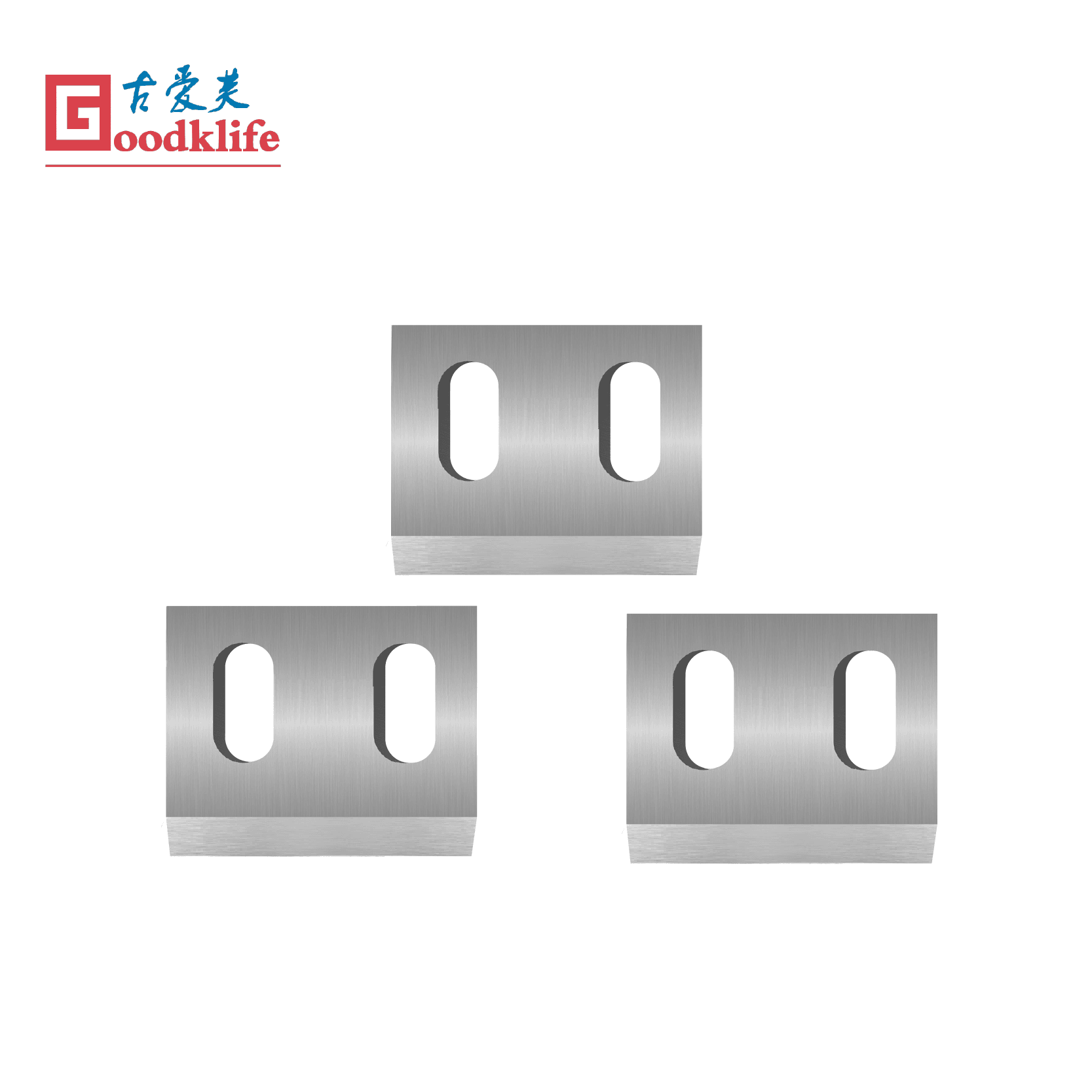
PGK-003
Bottle Granulator Insert Knife
Bottle Granulator Insert Knife is built for pet bottle granulation and bottle flake size reduction. Available in SKD11 / D2 / HSS / 9CrSi for clean regrind, stable clearance, and practical resharpening cycles. The insert-style format fits compact cutter seats and short replacement positions.
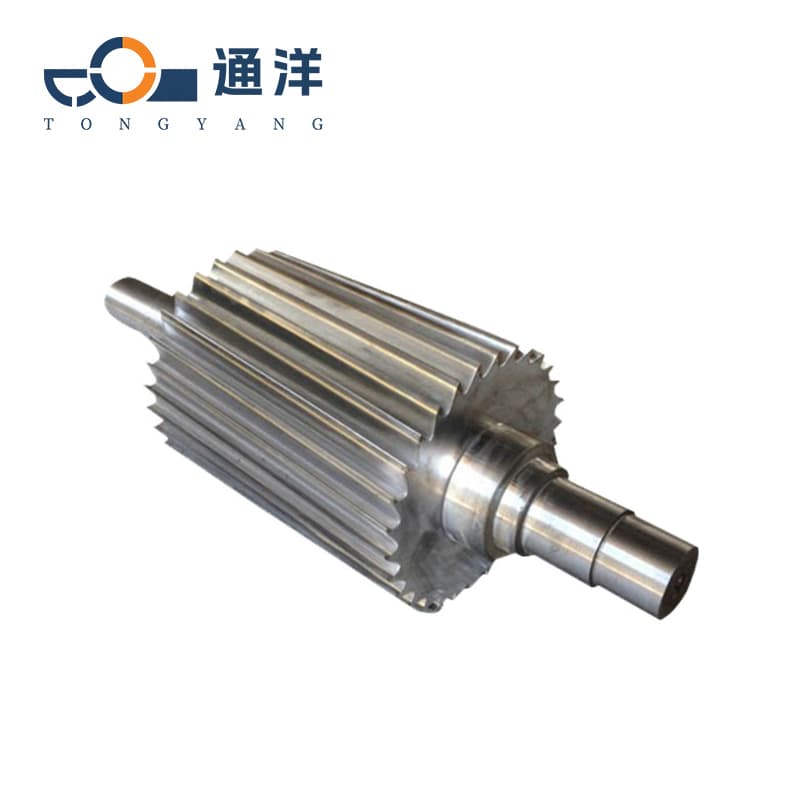
GBK-001
Granulator Bed Knife
Granulator Bed Knife is built for granulator bed knife replacement and pet bottle and rigid plastic grinding. Available in SKD11 / D2 / HSS / tungsten carbide for stable rotor clearance and consistent granulation quality. The insert-style format fits compact cutter seats and short replacement positions.
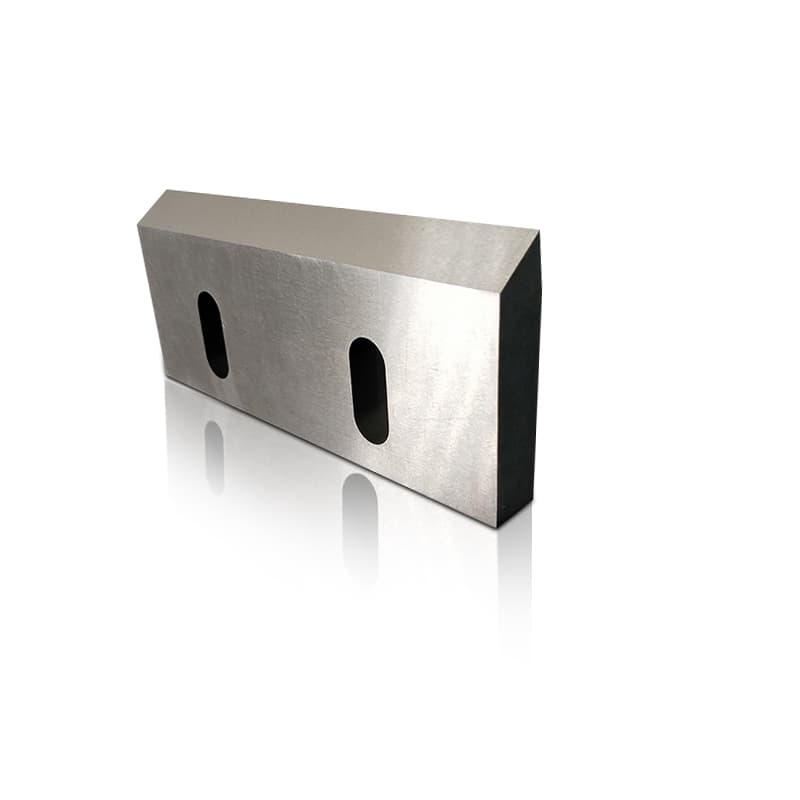
GBK-004
Granulator Stator Knife
Granulator Stator Knife is built for granulator bed knife replacement and pet bottle and rigid plastic grinding. Available in SKD11 / D2 for stable rotor clearance and consistent granulation quality. The insert-style format fits compact cutter seats and short replacement positions.
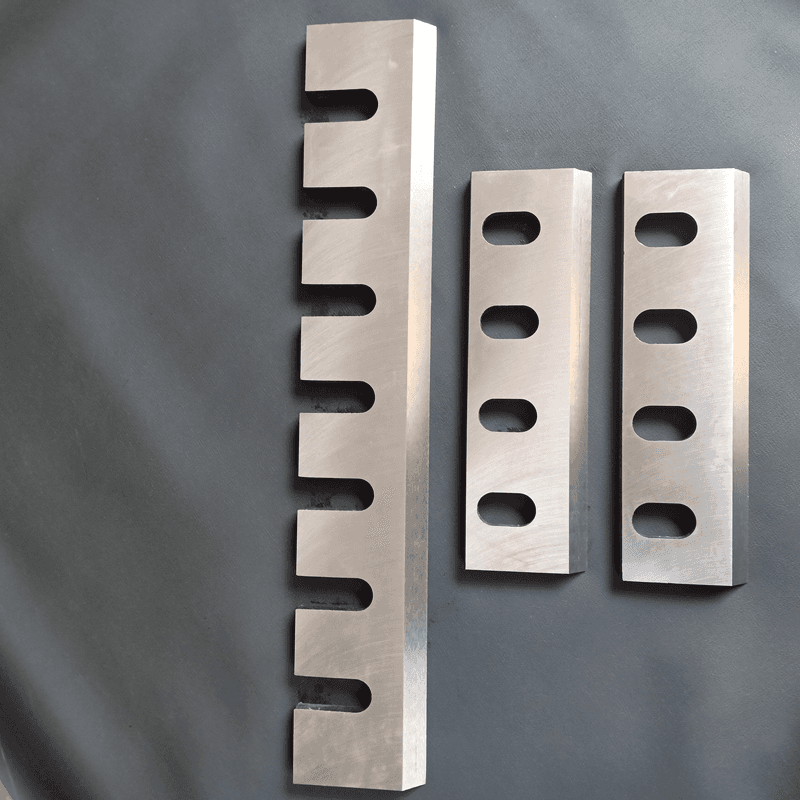
PCB-001
Plastic Crusher Profile Blade
Plastic Crusher Profile Blade is built for pet bottle crushing lines and rigid plastic size reduction. Available in D2 / HSS / 9CrSi / H13 for wear resistance, stable knife clearance, and repeatable sharpening. The profiled body suits fixed or rotary stations where alignment and edge exposure matter.
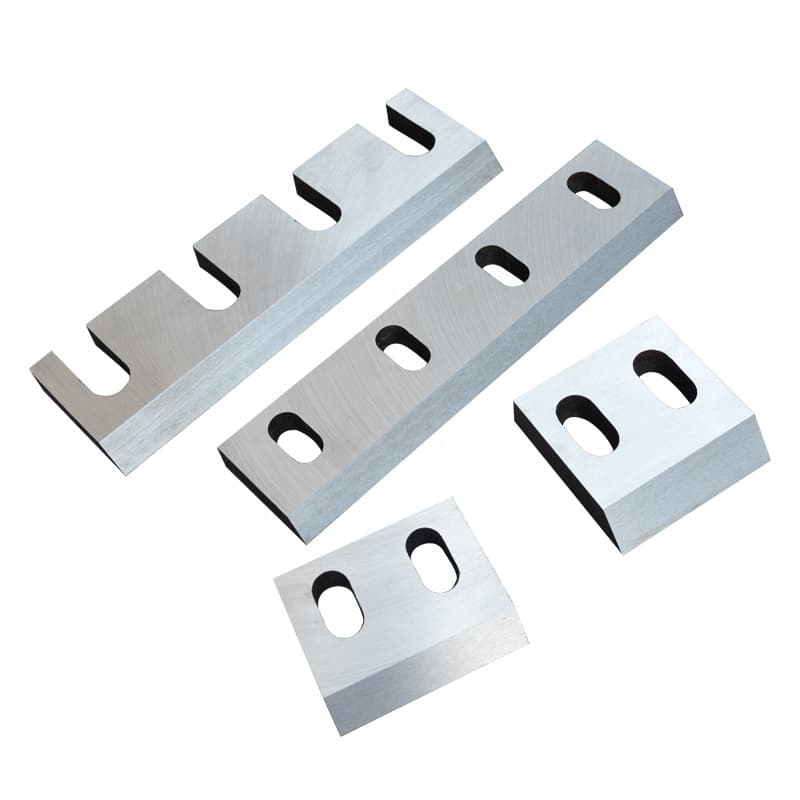
PCB-010
Fixed Plastic Crusher Knife
Fixed Plastic Crusher Knife is built for pet bottle crushing lines and rigid plastic size reduction. Available in D2 / SKD11 / Cr12MoV / HSS for wear resistance, stable knife clearance, and repeatable sharpening. The insert-style format fits compact cutter seats and short replacement positions.
Related catalog categories
Deep reading
PET thermoform knife RFQ guide: skeletal waste, startup sheet, and quote-ready buyer data
A source-backed buyer guide for PET thermoform recyclers ordering knives for skeletal waste, startup sheet, tray cleanup, and downstream regrind stages.
Read articleGranulator Knife Gap Checklist: Reduce Dust, Fines, and Noise
A practical rotor-to-bed-knife inspection flow for recyclers seeing dusty regrind, noisy cutting, or repeated knife damage after a blade change.
Read article
Need this applied to your line?
Mention this solution hub in your message so sales engineering opens the thread with the right checklist.