
Typical RFQ problems behind the inquiry
- •The plant asks for HDPE bottle granulator knives, but no one has written down whether the line is still direct in-house reuse, central granulation before washing, or a broader rigid-HDPE wash-line process.
- •The buyer has worn knives and chamber photos, yet the business complaint is really dust, fines, label carryover, unstable feed, or color-stream risk rather than knife breakage alone.
- •The line now handles a wider mix of bottles, canisters, or startup parts than before, but purchasing is still treating the request as a same-part-number reorder.
- •The reclaim target became more quality sensitive, but the RFQ still does not mention contamination, label removal, natural-versus-white stream separation, or the next process stage.
Buyer conclusion first: quote the knife family by machine stage and reclaim target
If the line is handling HDPE bottles, detergent containers, milk bottles, or similar rigid blow-molded packaging, the first purchasing decision should not be "which knife fits?" alone. The lower-risk RFQ starts by naming which stage is under review and what the reclaim target is. Is the job direct in-house reuse beside the blow-molder, central granulation before a wash line, or preparation for a more value-sensitive HDPE reclaim route?
ZERMA GST 250 and Rapid 200 both frame blow-molding scrap around inline or direct recycling of hollow rejects and sprues. Genox frames an HDPE bottle and container wash line around shredding, washing, drying, and fines avoidance. For buyers, that means "HDPE bottle knives" is only the starting phrase. The quote still has to say what the line is trying to achieve.
Use this guide together with our blow-molding solution page, our blow-molding RFQ article, and the contact page when you are ready to route the inquiry by machine stage instead of by part label alone.
Machine-stage fit: inline granulation, central crushing, and two-stage reduction are different buying tasks
The official machine references consistently separate inline granulation from heavy size reduction. Rapid's FAQ says a granulator is a cutting mill for scrap components or pre-shredded materials and describes a shredder as the lower-speed, higher-torque machine for large products and large volumes. That line matters because some HDPE bottle and container jobs still belong to beside-the-machine reclaim, while others have quietly become central rigid-plastic preparation.
WEIMA's WLK 2000 explicitly lists blow molded materials such as PE and PP bottles, canisters, and buckets, and says the shredder can be integrated into a two-stage solution. WEIMA's WSM 500/700 then describes granulating pre-shredded blow-moulded products and thick-walled startup components. That is useful buyer-side language because it helps separate three quote paths: inline granulator knives, central crusher or granulator knives, or a pre-shredder plus granulator route.
If the line still suits inline granulation, the RFQ should focus on chamber grip, knife fit, fixed-side condition, and screen behavior. If the scrap has become larger, more varied, or more centralised, the RFQ should say so immediately and widen to the pre-shredder category or compare the bulky-rigid pre-shredding solution before treating the problem as knife-only.
Where Leader Blades fits on an HDPE bottle and container line
On this application, Leader Blades mainly fits the cutting positions that control particle preparation before reuse or washing:
- Granulator rotor knives where bottle or canister rejects are cut directly into reusable flakes.
- Bed knives and stator knives where fixed-side geometry and chamber setting decide whether the cut stays stable and repeatable.
- Crusher blades where the line handles denser or larger rigid-HDPE parts before washing or further reprocessing.
- Single-shaft shredder knives where scrap size or volume has already moved beyond safe direct inline granulation.
Start from the nearest product families: bottle granulator insert knife, granulator bed knife, granulator stator knife, plastic crusher profile blade, fixed plastic crusher knife, and hard-plastic single-shaft shredder knife. The correct RFQ path depends on where the current complaint belongs.
If the line already includes washing, drying, friction washing, or color sorting, name those stages as the downstream context, but keep the quotation focused on the knife positions Leader Blades actually supplies.
How bottle mix, wall thickness, labels, and reclaim target change the RFQ
Genox's HDPE washing-line page says the line is designed for rigid plastics with wall thickness from 1 to 25 mm and highlights wear-resistant shredding, high-speed washing to liberate contamination, and operating intensity chosen to avoid fines creation. For procurement, that means the buyer should not send an RFQ that says only "HDPE bottle knives." The line target should say whether the problem is too many fines before washing, unstable flake size, weak label release, or scrap that no longer enters the wash line evenly.
The feed description should also be honest. Milk bottles, detergent jugs, natural HDPE containers, colored household-product bottles, larger canisters, or mixed startup scrap do not behave the same way commercially even if the resin family overlaps. Some jobs are dominated by light hollow geometry. Others are dominated by label load, wall thickness, or awkward handles. If the line now handles a wider mix than it did before, say that before asking for price only.
This is also where the buyer should separate in-house reclaim from wash-line feed preparation. In-house reclaim may tolerate a different balance of particle-size consistency and contamination control than a line feeding a more value-sensitive reclaim route. The RFQ should tell the supplier which one you are buying for.
Color stream, label load, and contamination are not side notes on HDPE bottle jobs
RecyClass says natural and white HDPE packaging should be sorted into two distinct streams and recycled separately to preserve high-value materials. That matters for knife buyers because reclaim value can depend on keeping the stream cleaner, less dusty, and easier to separate before washing. If the plant is targeting natural or white HDPE reclaim, say so. That changes how important label carryover, fines, and chamber cleanliness become.
Genox's FDA NOL news describes a process flow with preliminary selection, label removal, pre-shredding, washing, drying, sorting, and impurity control. Used correctly, that is not a promise about your line. It is a reminder that stricter HDPE reclaim routes care about much more than a knife outline. If the line target now includes lower impurity or moisture, the RFQ should say that clearly because the cutting stage is part of the preparation logic.
On the buyer side, that means labels, caps, trapped dirt, and color-stream goals belong in the same RFQ as the knife dimensions. They are not abstract process notes. They help explain whether the supplier should focus on direct replacement, dust control, fines control, or a broader stage review.
Practical selection notes for plants, dealers, and service teams
The safest commercial structure is to split the work into three levels. Level one is direct replacement because the chamber, scrap mix, and reclaim target are unchanged. Level two is cutting-package review because the complaint now includes dust, fines, poor fixed-side wear, or inconsistent grip. Level three is stage-fit review because the line has crossed from direct inline reclaim into central rigid-HDPE preparation, wash-line feedstock, or a broader mixed-container duty.
For dealers, ask the end user for one installed chamber photo and one sentence about the reclaim target before asking for price. For service teams, say whether the problem started after a knife change, a screen change, a feed-mix change, or a move from small bottles to larger canisters. Those are different RFQ situations. They lower wrong-fit reorders when they are stated up front.
For import buyers and regional traders, also state whether the request is an urgent restart set, a small validation batch, or a scheduled annual spare program. That helps the supplier separate a fast direct-replacement quote from a more cautious stage-fit review.
RFQ checklist for HDPE bottle and container washing-line knives
The fastest low-risk RFQs combine fit data with process context. Send these items in the first message whenever possible:
- Machine brand, model, and whether the stage is inline granulation, central crushing, granulation before washing, or pre-shredding.
- Feed description: milk bottles, detergent bottles, natural HDPE containers, colored bottles, canisters, larger liquid containers, or mixed startup rejects.
- Reclaim target: in-house reuse, wash-line feed, natural or white HDPE stream, or another more quality-sensitive reclaim route.
- Measured photos of the moving knife, side profile, fixed side, and installed chamber.
- Screen information if known, plus current symptom: bridging, dust, fines, high amps, noisy running, or unstable flake size.
- Contamination or sorting notes: labels, caps, dirt, moisture, color separation, or mixed packaging hardware.
- Whether the request is direct replacement, validation batch, or a broader stage-fit review.
When you are ready, send those details through the contact page and compare nearby content routes such as the solution page, the RFQ article, and the general rigid-plastic guide.
Representative parts for this line
Use the closest shape below as your RFQ reference, then send dimensions or old-blade photos for fit review.
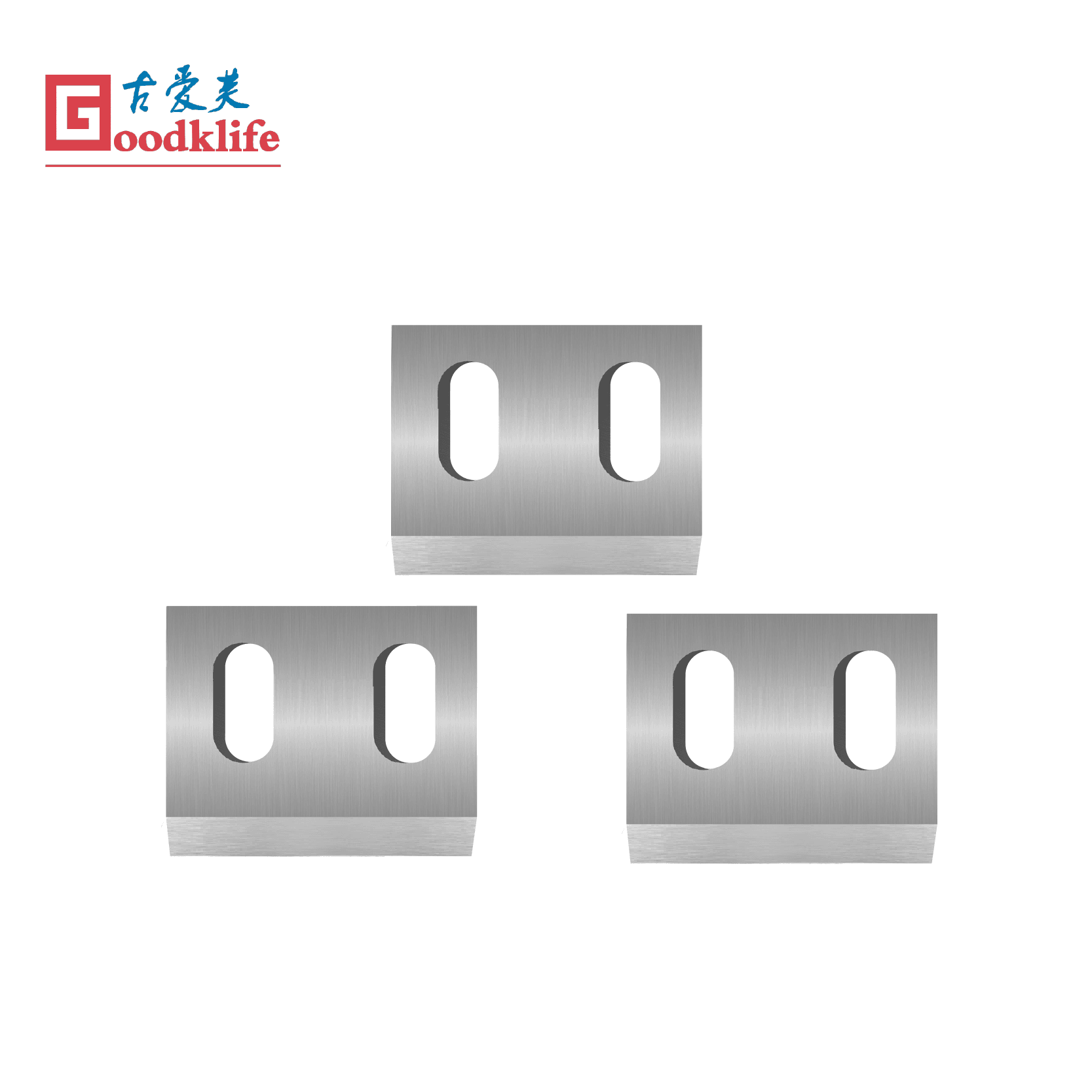
PGK-003
Bottle Granulator Insert Knife
Bottle Granulator Insert Knife is built for pet bottle granulation and bottle flake size reduction. Available in SKD11 / D2 / HSS / 9CrSi for clean regrind, stable clearance, and practical resharpening cycles. The insert-style format fits compact cutter seats and short replacement positions.
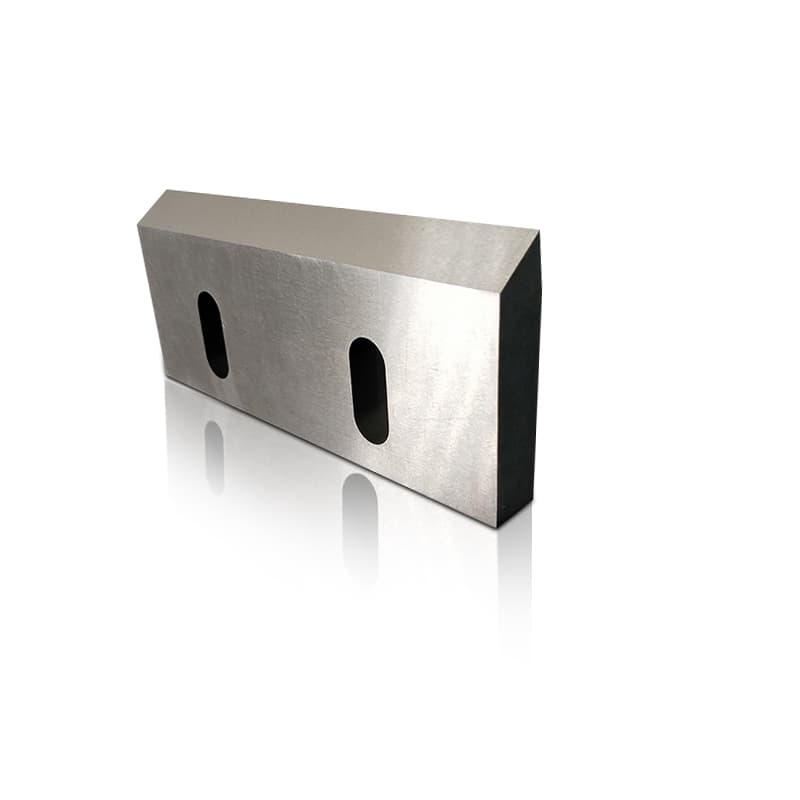
GBK-001
Granulator Bed Knife
Granulator Bed Knife is built for granulator bed knife replacement and pet bottle and rigid plastic grinding. Available in SKD11 / D2 / HSS / tungsten carbide for stable rotor clearance and consistent granulation quality. The insert-style format fits compact cutter seats and short replacement positions.
GBK-004
Granulator Stator Knife
Granulator Stator Knife is built for granulator bed knife replacement and pet bottle and rigid plastic grinding. Available in SKD11 / D2 for stable rotor clearance and consistent granulation quality. The insert-style format fits compact cutter seats and short replacement positions.
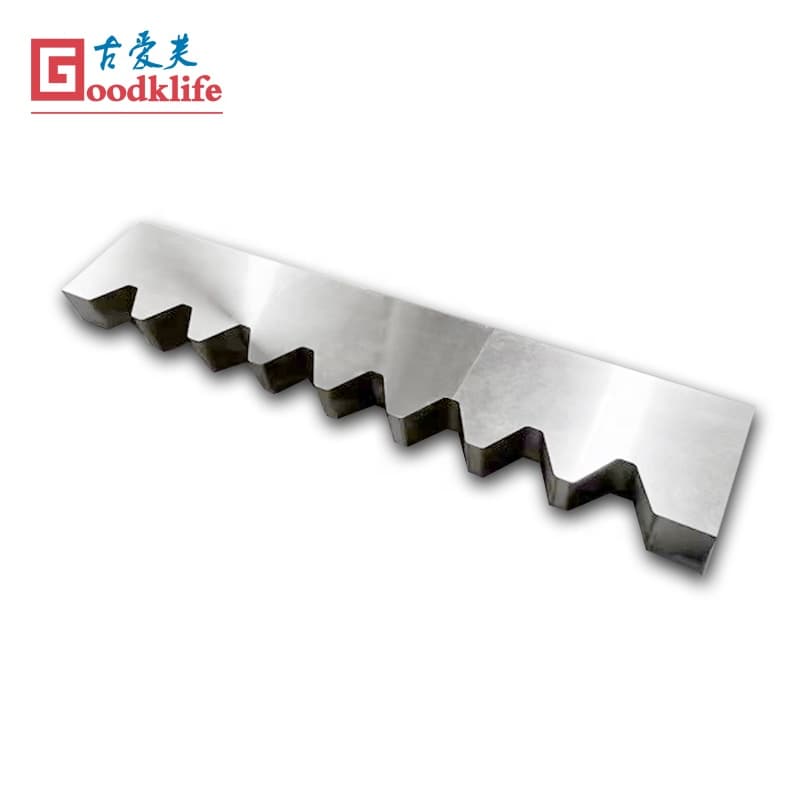
GBK-003
Rapid and Tria-Compatible Granulator Bed Knife
Rapid and Tria-Compatible Granulator Bed Knife is built for granulator bed knife replacement and pet bottle and rigid plastic grinding. Available in SKD11 / D2 / HSS / tungsten carbide for stable rotor clearance and consistent granulation quality. The insert-style format fits compact cutter seats and short replacement positions.
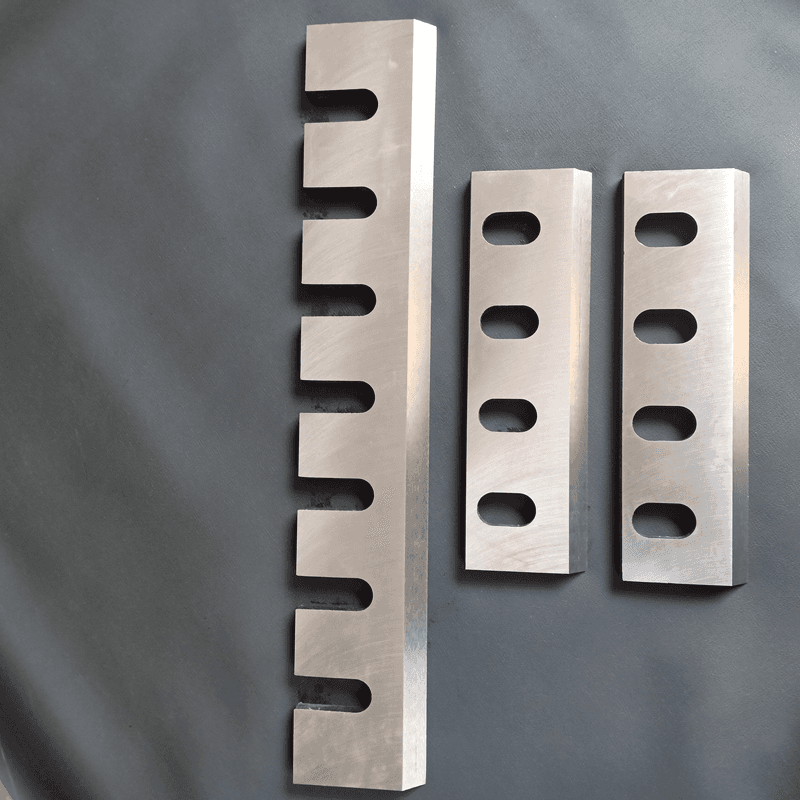
PCB-001
Plastic Crusher Profile Blade
Plastic Crusher Profile Blade is built for pet bottle crushing lines and rigid plastic size reduction. Available in D2 / HSS / 9CrSi / H13 for wear resistance, stable knife clearance, and repeatable sharpening. The profiled body suits fixed or rotary stations where alignment and edge exposure matter.
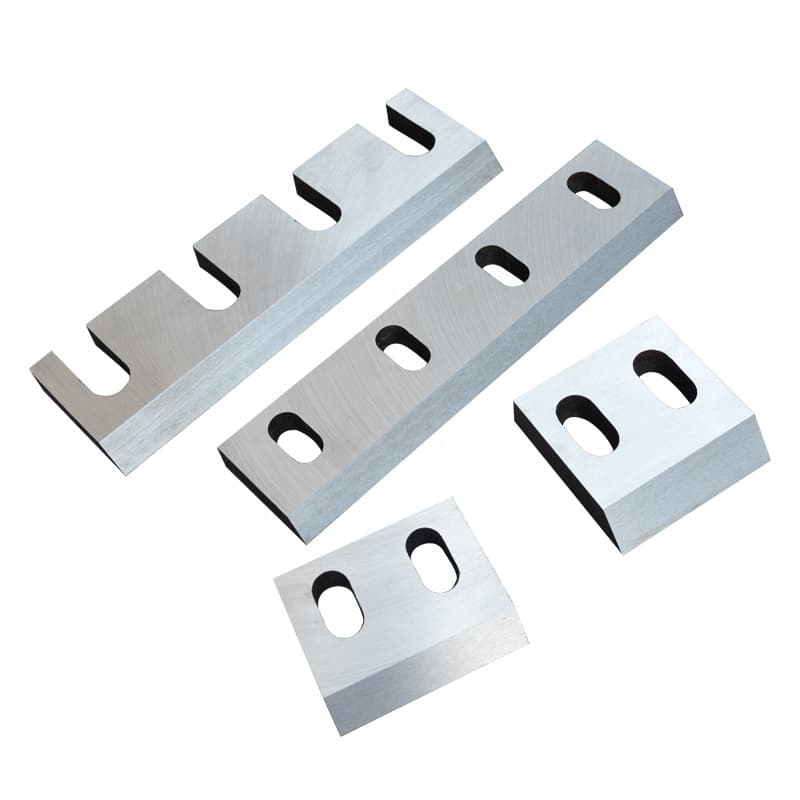
PCB-010
Fixed Plastic Crusher Knife
Fixed Plastic Crusher Knife is built for pet bottle crushing lines and rigid plastic size reduction. Available in D2 / SKD11 / Cr12MoV / HSS for wear resistance, stable knife clearance, and repeatable sharpening. The insert-style format fits compact cutter seats and short replacement positions.
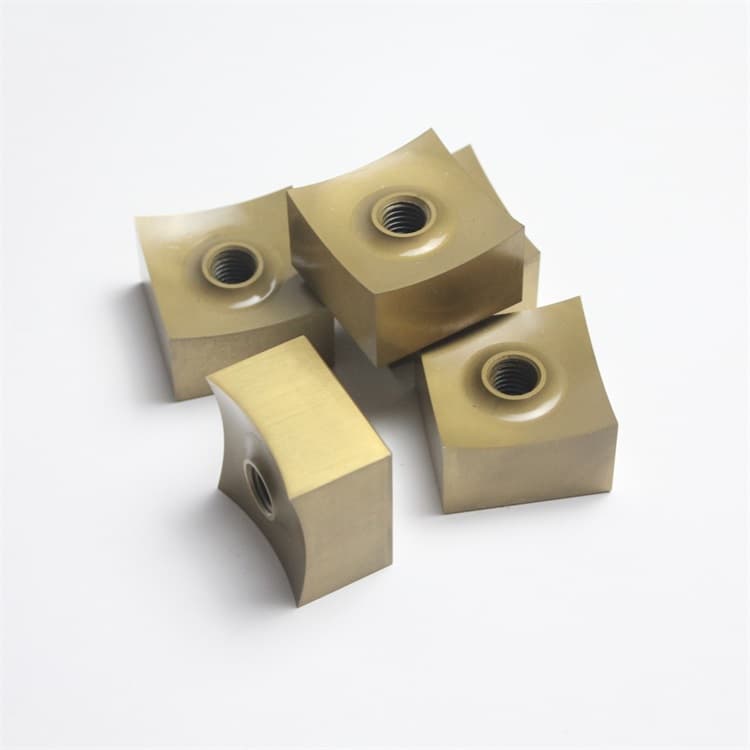
SSK-006
Hard Plastic Single-Shaft Shredder Knife
Hard Plastic Single-Shaft Shredder Knife is built for single-shaft shredders and film and woven bag shredding. Available in D2 / SKD11 / carbide-tipped alloy steel for wear resistance and repeated indexing in shredder rotors. The cutter geometry suits stacked shredder rotors and indexable cutter assemblies.
Related knife categories
Related articles
Blow Molding Granulator Knife RFQ Guide: What Bottle and Canister Processors Should Send Before Ordering
A source-backed buyer guide for blow-molding granulator knives, fixed knives, screens, and stage-fit decisions when bottle or canister rejects no longer recycle cleanly back into the process.
Read articleGranulator Knife Gap Checklist: Reduce Dust, Fines, and Noise
A practical rotor-to-bed-knife inspection flow for recyclers seeing dusty regrind, noisy cutting, or repeated knife damage after a blade change.
Read articleSingle-Shaft Shredder Knife Indexing: Buyer RFQ Guide
An original buyer guide built from official machine documentation: when indexing helps, when chamber wear matters more, and what to send before requesting a quote.
Read articleFAQ for HDPE bottle and container washing-line knives
Should the RFQ mention whether the line is direct in-house reuse or feeding a washing line?+
Do labels, caps, and color stream belong in a knife quotation request?+
Can Leader Blades quote from worn samples and installed photos only?+
What if the line now handles both small bottles and larger canisters or drums?+
Which internal pages should buyers compare next?+
Primary sources behind this application guide
These official sources were used to map blow-molding scrap, rigid-HDPE preparation, washing-line goals, and the granulator-versus-shredder boundary to the knife positions Leader Blades actually supplies.
ZERMA
GST 250 compact granulator
Frames inline recycling in blow-moulding processes around bottles, canisters, reliable feeding, reduced bridging, and outside-machine knife adjustment.
View sourceRapid Granulator
200 Series granulators
Explains direct recycling of reject products from blow molding and the cutterhouse choice for light hollow products versus thicker compact parts.
View sourceRapid Granulator
Rapid FAQ
Defines the buyer-side boundary between granulators and shredders and clarifies that granulators produce reusable flakes from scrap components or pre-shredded materials.
View sourceGenox
HDPE Bottle/Container Washing System
Describes wall-thickness range, wear-resistant shredding, high-speed washing, drying, and fines-avoidance logic on an HDPE bottle and container line.
View sourceGenox
GENOX received FDA No Objection Letter for 3T/h Food-grade HDPE Washing Line
Shows a stricter HDPE process route through selection, label removal, pre-shredding, washing, drying, sorting, impurity control, and moisture control.
View sourceRecyClass
Natural and White HDPE Containers
Says natural and white HDPE packaging should be sorted and recycled separately, which matters when reclaim value depends on cleaner dedicated streams.
View sourceWEIMA
WLK 2000 shredder for industrial recycling of plastics
Lists blow molded bottles, canisters, and buckets among supported materials and points buyers toward a two-stage solution when scrap outgrows direct inline cutting.
View sourceWEIMA
WSM 500/700 cutting mill
Frames the cutting mill around pre-shredded blow-moulded products, startup lumps, and thick-walled components, which is useful for stage-fit quoting.
View sourceNeed HDPE bottle or canister knives matched to the real machine stage?
Send the scrap description, reclaim target, installed photos, and current symptom. We can review whether the safest route is direct inline replacement, a fixed-side reset, or a wider stage-fit quotation.