
PP woven bag and raffia recycling: stage-fit knives for pre-shredder, cutter-compactor, granulator, and pelletizer RFQs
When woven sacks, raffia tape, jumbo bags, or nonwoven scrap stop moving cleanly through the line, the lower-risk buying move is usually to quote the real machine stage and feed condition together instead of repeating the last knife geometry in isolation.
Typical field problems
- •The line now sees more wrapped sacks, denser bales, heavier seams, or more printed material, but purchasing is still treating the job like a same-part-number reorder.
- •The buyer has old knives and rough dimensions, yet the real commercial complaint is poor bale opening, unstable compaction, dusty regrind, or inconsistent pellet cut.
- •The plant needs to decide whether the bottleneck is pre-shredding, densifying, granulating, or pelletizing, but the RFQ still asks for a generic woven-bag knife set.
Buyer conclusion first: if a PP woven-bag, raffia, jumbo-bag, or nonwoven recycling line suddenly starts feeding less cleanly, running hotter, making dustier regrind, or sending unstable material into pelletizing, the lower-risk commercial move is usually not to repeat the last shredder or granulator knife order from dimensions alone. The safer route is to quote the real machine stage, the real feed condition, and the fixed-side or coupled parts that influence that stage. Official machine makers keep separating pre-shredding, cutter-compaction, granulation, and pelletizing for a reason: woven structures, seams, straps, and low-bulk-density scrap do not load every cutting position the same way.
Machine-stage fit: POLYSTAR's PP raffia and woven-recycling page treats heavy-duty shredding and pelletizing as one coordinated route for strong woven structures such as sacks, tapes, and jumbo bags. Genox's YS pre-shredder page lists PP big bags, ropes, and contaminated soft-plastic duties at the front of washing systems. EREMA's fibre, tape, and textile brochure separates raffia, raffia nets, and PP tape piles from generic film language and notes that some materials need pre-shredded or dose-ready preparation. Those are direct routing signals for a serious RFQ.
RFQ criteria and commercial decision logic: send the machine brand and model, the stage under review, the real feed description, photos of the moving and fixed sides, and the actual line complaint. Add whether the material is clean in-house loom waste, printed sacks, lightly contaminated post-consumer bags, ropes, jumbo bags, or nonwoven scrap. If the complaint shows up in densifying, regrind quality, or pellet cut, say that immediately. Before repeating a same-outline order, compare this page with our PP woven-bag and raffia application guide, the cutter-compactor RFQ article, the single-shaft shredder buyer guide, the granulator knife-gap checklist, and the contact page.
Why this keyword cluster is a real procurement problem, not a soft-plastic traffic topic
PP woven sacks, raffia tape, jumbo bags, and nonwoven scrap look lightweight, but commercially they behave like stage-sensitive industrial feed. The material can be springy, woven, compressed, dirty, or full of seams and straps. That means the correct buying decision often depends less on resin name alone and more on where the line first loses stability. A plant that cannot open bales cleanly needs a different RFQ from a plant whose real complaint is unstable densifying or weak pellet cut at the end of the line.
POLYSTAR's raffia recycling note is useful because it directly frames PP raffia, woven waste, and jumbo bags as strong structures that need coordinated reduction before pelletizing. EREMA's in-house recycling page adds the buyer-side signal that in-house waste should be treated as secondary raw material and routed back with stable process logic rather than as random scrap. In other words, this is not a broad awareness keyword set. It is a spare-part and stage-fit cluster with clear inquiry intent.
That is why the safest page strategy is one strong solution page for the cluster instead of multiple thin keywords. Buyers searching for woven-bag knives, raffia shredder knives, cutter-compactor knives, or pelletizer cutters are usually describing adjacent stages of one commercial problem: how to restore line stability without quoting the wrong knife family first.
What the official OEM sources actually point buyers toward
The machine-maker sources agree on a practical pattern. POLYSTAR frames woven and raffia recycling around shredder-assisted preparation feeding later pelletizing. Genox places the pre-shredder at the front of washing logic for bulky, strong, or contaminated soft material. EREMA treats raffia, PP tape piles, and fibre/nonwoven inputs as their own application class. Starlinger then reminds buyers that material handling and input quality are central when reclaim is meant to return into production.
Those are not generic brochure phrases. Together they tell the buyer to identify whether the commercial issue sits in opening the feed, stabilizing density, producing reusable regrind, or maintaining pellet cut downstream. If the RFQ does not name that stage, the supplier may still copy geometry and still miss the real problem.
The same official logic appears in packaging loops. Starlinger's rFIBC page shows that big-bag recycling is treated as a controlled material loop, not as random sack scrap. That matters for knife buying because big bags, straps, and dense seams create a different commercial duty from clean tape trim, even when both are PP-based.
When pre-shredder, cutter-compactor, granulator, or pelletizer is the real quoting stage
The first stage question is whether the line is struggling to open or meter the feed. If bales bridge, straps wrap, or jumbo-bag scrap loads the chamber unevenly, the safer RFQ often starts with the single-shaft shredder family. That matches the logic on the official Genox and POLYSTAR pages, where strong woven structure is reduced before later stages are expected to behave.
The next stage question is whether the line is unstable at densifying or preconditioning. If low-bulk-density woven scrap is reaching the cutter-compactor unevenly, overheating, or failing to feed the extruder consistently, the better RFQ belongs with the cutter-compactor knife family. That is not the same job as first-stage bale opening, and the buyer should not let the two stages collapse into one generic "raffia knife" request.
If the complaint is dusty regrind, unstable flake size, or poor secondary cut, the relevant route often shifts to the granulator knives and bed-knife side. If the line reaches the pellet stage but pellet cut, tails, or startup stability drift, the buyer should bring in the pelletizer stage instead of pretending the entire line still has a first-stage knife problem. One commercial cluster can therefore touch four knife families, but the RFQ still needs one dominant stage as its starting point.
How clean tape trim, printed sacks, ropes, jumbo bags, and moisture change the RFQ
Woven-bag and raffia RFQs should never be written as though all PP soft scrap behaves the same. EREMA's application brochure explicitly separates dry clean production waste from printed or slightly contaminated post-consumer streams and notes when pre-shredded or dose-ready preparation is needed. Starlinger likewise highlights the role of moisture, dust, and production-waste handling in recycling performance.
That matters because clean in-house raffia tape, loom waste, and edge trim usually create a different wear pattern from printed sacks, wet post-consumer bags, ropes, or jumbo bags carrying dense seams. The same outer dimensions may fit the holder, but the toughness balance, sharpening interval, and whole-stage quotation can still be wrong if the supplier does not know what the line is really seeing now.
For buyers and dealers, this means the first email should say what changed. Did the line move from clean in-house scrap to mixed bag waste? Did bale density rise? Did more ropes or FIBC straps enter the feed? Did the line start washing or re-pelletizing more contaminated material? Those are not side notes. They are the shortest route to a safer quotation.
Why the fixed side and coupled parts should be quoted together more often
Many aftermarket RFQs send only the moving knife dimensions, but woven and raffia lines often fail through the whole cutting pair. The pre-shredder can have holder and counter-side wear. The cutter-compactor can lose stable contact behavior. The granulator can cut dustily because the bed side or screen is already part of the complaint. The pelletizer can show unstable cut because the buyer quoted the visible part while ignoring the coupled stage.
That is why this page keeps routing buyers into families instead of isolated blades. A woven-bag line that now runs noisy, hot, or dusty may need the moving knife, the fixed side, and the next-stage context quoted together. Commercially, that is often cheaper than one more emergency reorder after installation.
If you are not sure which product family to start from, compare the nearest internal pages first: single-shaft shredder knives, cutter-compactor knives, granulator insert knives, granulator bed knives, and pelletizer cutters. The job is to keep the RFQ attached to the actual stage where the line is losing stability.
Expert selection notes for buyers, dealers, and service teams
The safest commercial structure is to divide the job into three levels. Level one is direct replacement because the machine stage, feed, and reclaim goal are unchanged. Level two is cutting-pair review because the complaint now includes heat, dust, noisy running, unstable feed, or fixed-side wear. Level three is stage-fit review because the feed mix, contamination level, or downstream pellet target has changed enough that the old starting point is no longer the right one.
Dealers should also say whether the order is for emergency restart stock, a validation batch, or a planned annual spare program. End users should say whether the current complaint belongs to bale opening, densifying, regrind quality, or pellet cut. These are different purchasing situations, and clear stage language usually saves more time than a longer dimensions sheet.
If the line feeds Southeast Asia export buyers or contract recyclers, it is even more important to separate clean production waste from post-consumer woven-bag work. The same nominal part family can sit in a much harsher commercial duty once the input stream changes.
RFQ checklist for PP woven-bag, raffia, and jumbo-bag knife inquiries
The fastest low-risk RFQs combine geometry with machine-stage evidence. Send these items in the first message where possible:
- Machine brand, model, and the stage under review: pre-shredder, cutter-compactor, granulator, bed knife, or pelletizer.
- Feed description: clean raffia tape, loom waste, printed woven sacks, ropes, jumbo bags, nonwoven scrap, or mixed soft plastic.
- Whether the material is dry and clean, slightly contaminated, wet, baled, compressed, or now more difficult to meter than before.
- One measured front photo of the old knife, one side-profile photo, and one installed photo of the chamber or holder.
- Photos of the fixed side, screen, or coupled cutting position when that affects the complaint.
- Current symptom: poor bale opening, wrapping, unstable densifying, hot running, dusty regrind, unstable pellet cut, or short life.
- Whether the request is a direct replacement, a small validation batch, or a broader stage-fit review.
That checklist is short enough for a plant or trader to send quickly, but strong enough to stop the common woven-bag mistake: buying by outline only while ignoring which stage actually needs the quotation.
Common buyer-side mistakes that recreate the same complaint
The first common mistake is treating all woven-bag scrap as if it belongs to the same knife family. Official sources do not do that, and buyers should not either. Bale opening, densifying, regrind control, and pellet cut are separate commercial tasks.
The second common mistake is hiding the change in feed condition. A supplier cannot safely quote the same way when the line moves from clean in-house tape scrap to printed sacks, ropes, wet post-consumer bags, or FIBC-type material. If the feed changed, say so in the first paragraph.
The third common mistake is sending only the moving knife dimensions when the real complaint is unstable densifying, dusty granulation, or erratic pellet cut. In those cases, the fixed side or coupled stage usually belongs in the RFQ as well.
Internal routes and source-backed next steps
Compare this page with our PP woven-bag and raffia application guide, the cutter-compactor RFQ article, the single-shaft shredder buyer guide, the granulator gap checklist, and the contact page. For product-side routing, start with the single-shaft shredder category, the cutter-compactor category, the granulator category, the bed-knife category, and the pelletizer category.
The practical rule is simple. When the feed, machine stage, or reclaim target changed, the RFQ should change with it. That is the shortest route to a quote that solves the real line problem instead of repeating the last one.
FAQ for PP woven-bag and raffia knife RFQs
Should woven-sack and raffia buyers quote each machine stage separately?
Yes. Official machine-makers describe pre-shredding, densifying, granulating, and pelletizing as different duties. A safer RFQ identifies the stage that is actually under review.
Do clean in-house tape scrap and printed post-consumer sacks belong in the same RFQ language?
Not usually. Feed cleanliness, seams, straps, moisture, and print load change the commercial job and should be named early.
When should the RFQ widen from knife-only to stage-fit review?
Widen it when the complaint includes poor bale opening, unstable compaction, dusty regrind, inconsistent pellet cut, or a visible shift in feed condition.
Can Leader Blades quote from worn parts and installed photos?
In many cases, yes. Measured photos, the stage, the feed type, and the real symptom are enough to begin aftermarket review.
Which internal pages should I compare next?
Compare the woven-bag application guide, the cutter-compactor RFQ article, the single-shaft shredder buyer guide, the granulator gap checklist, and the contact page.
Primary sources
This page is an original buyer-side synthesis built only from official machine-maker and brand-owner material covering raffia, woven sacks, jumbo bags, stage preparation, and reclaim routing.
- POLYSTAR PP Raffia / Woven Recycling Machine Solutions: shredder-assisted preparation for strong woven structures and pellet reuse logic.
- POLYSTAR PP Raffia Recycling Machine: woven waste, tapes, jumbo bags, and the role of heavy-duty reduction before pelletizing.
- EREMA fibre, nonwoven, tape, and textile applications brochure: raffia, nets, PP tape piles, and pre-shredded or dose-ready preparation logic.
- EREMA in-house industrial recycling: production waste treated as secondary raw material and returned into controlled loops.
- Genox YS Series single-shaft pre-shredder: PP big bags, ropes, contaminated soft-plastic feed, and front-of-line pre-shredding duty.
- Starlinger post-industrial recycling: input quality, moisture, dust, and production-waste handling as reclaim signals.
- Starlinger rFIBC: big-bag recycling treated as a controlled packaging loop rather than generic bag scrap.
Example parts from our catalog
Close shapes for quoting—send ruler photos or drawings so the factory confirms fit before you lock in quantity.
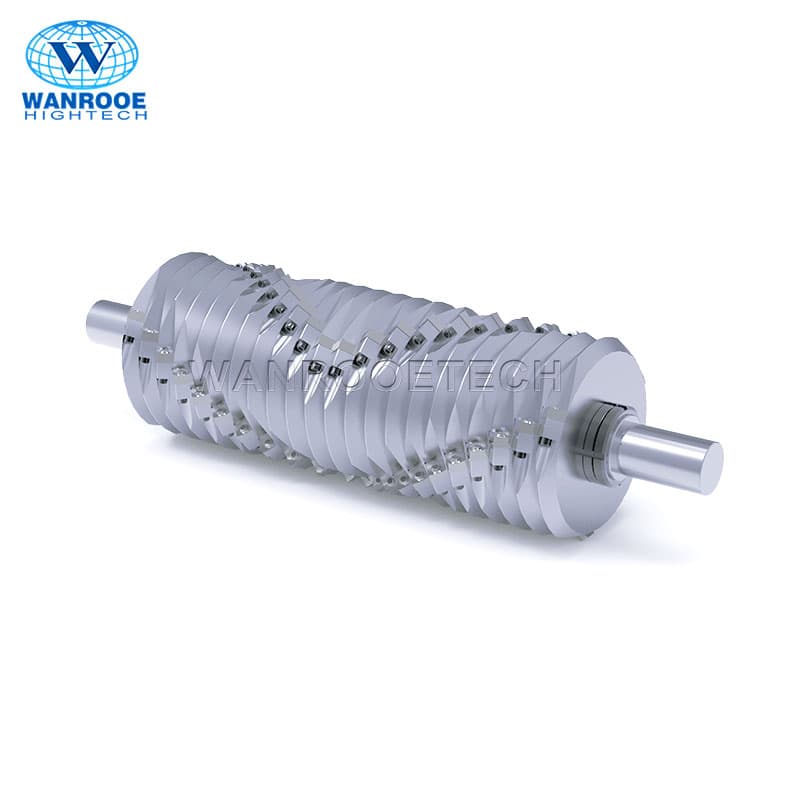
SSK-002
Plastic Single-Shaft Shredder Knife
Plastic Single-Shaft Shredder Knife is built for single-shaft shredders and film and woven bag shredding. Available in D2 / SKD11 / carbide-tipped alloy steel for wear resistance and repeated indexing in shredder rotors. The cutter geometry suits stacked shredder rotors and indexable cutter assemblies.
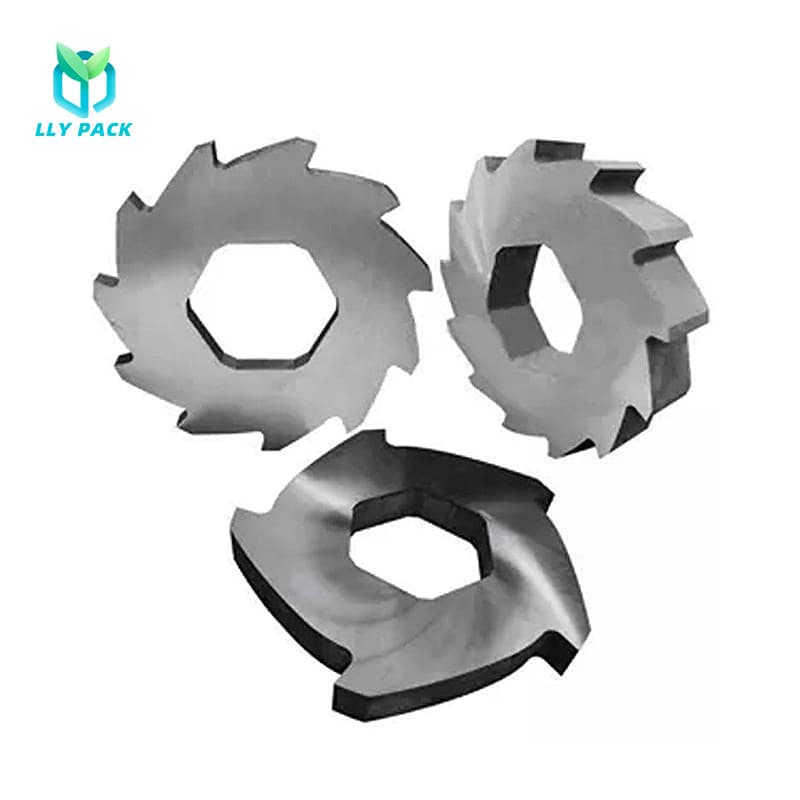
SSK-001
Carbide Single-Shaft Shredder Knife
Carbide Single-Shaft Shredder Knife is built for single-shaft shredders and film and woven bag shredding. Available in SKD11 / D2 / HSS / Tungsten Carbide for wear resistance and repeated indexing in shredder rotors. The cutter geometry suits stacked shredder rotors and indexable cutter assemblies.
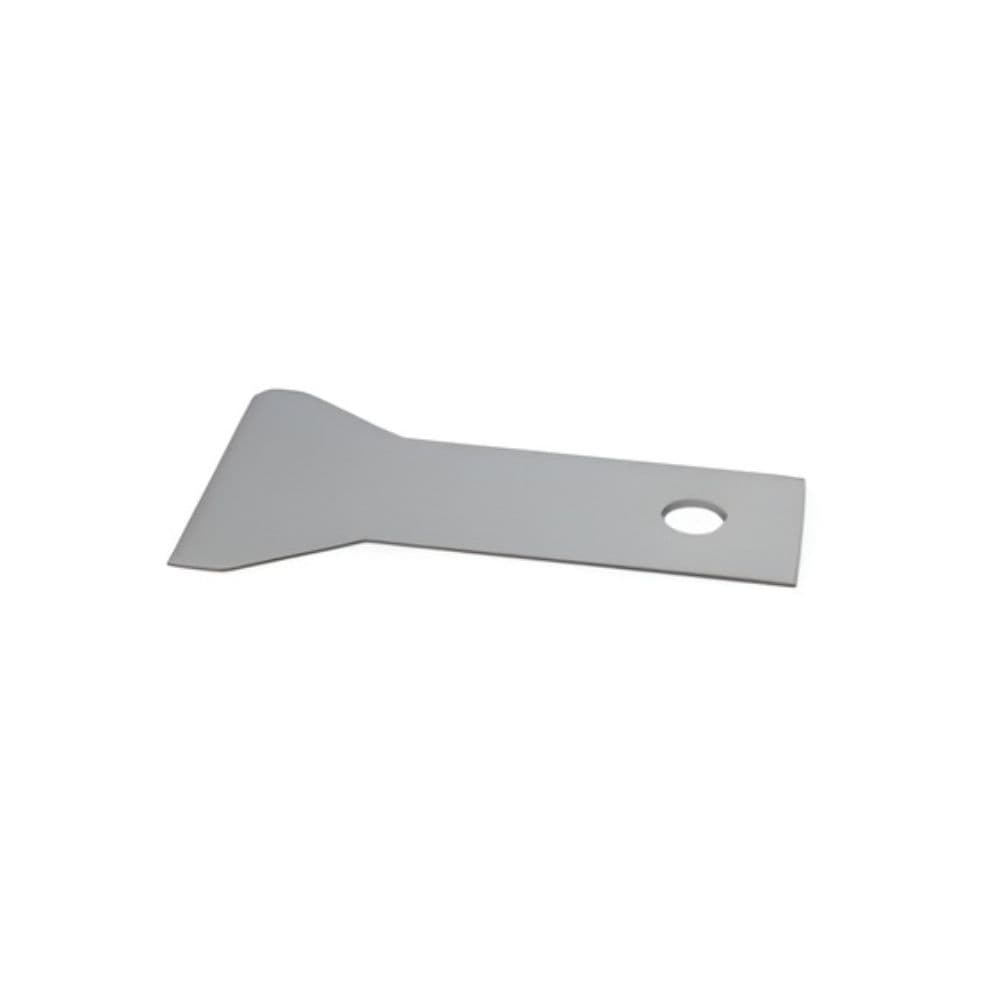
CCK-006
EREMA-Compatible Cutter Compactor Knife
EREMA-Compatible Cutter Compactor Knife is built for cutter compactor rotor replacement and film densifying systems. Available in D2 / SKD11 / HSS / alloy steel for impact resistance, heat control, and predictable regrinding. The straight edge format suits long bolt-on knife bars and clamp-mounted holders.
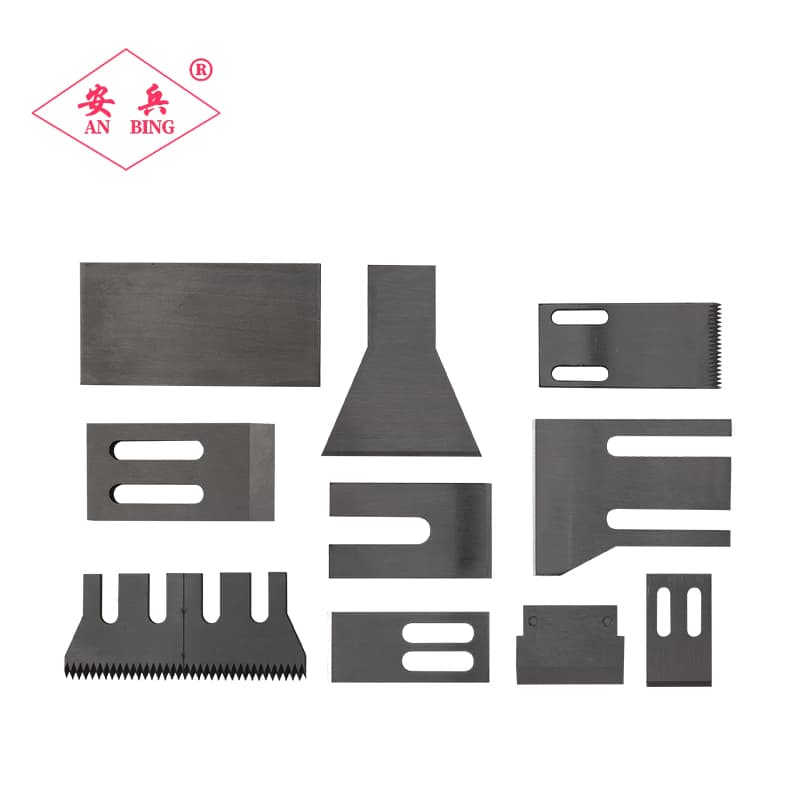
PGK-004
Film Granulator Insert Knife
Film Granulator Insert Knife is built for film and woven bag granulation and edge trim recovery. Available in SKD11 for clean regrind, stable clearance, and practical resharpening cycles. The insert-style format fits compact cutter seats and short replacement positions.
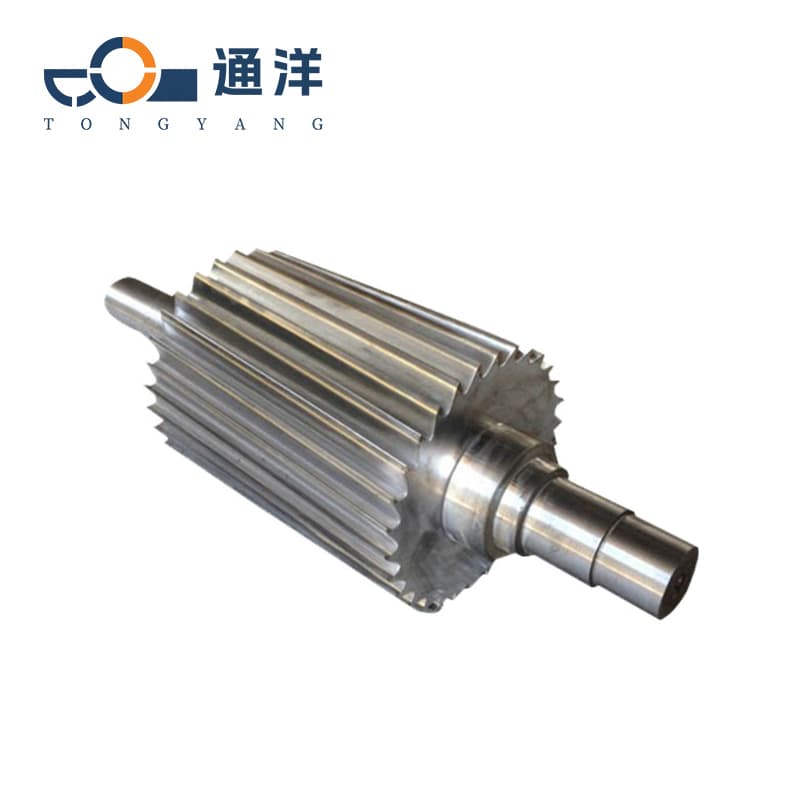
GBK-001
Granulator Bed Knife
Granulator Bed Knife is built for granulator bed knife replacement and pet bottle and rigid plastic grinding. Available in SKD11 / D2 / HSS / tungsten carbide for stable rotor clearance and consistent granulation quality. The insert-style format fits compact cutter seats and short replacement positions.
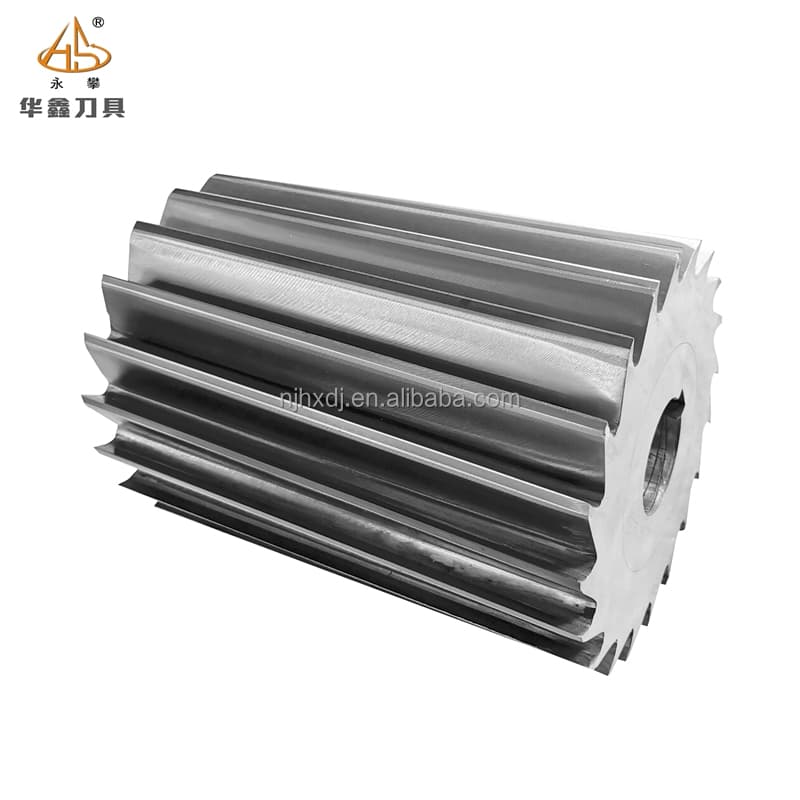
PPB-008
Fluted Pelletizer Cutter
Fluted Pelletizer Cutter is built for pelletizer head rebuilds and feed roller replacement. Available in D2 / SKD11 / M2 / HSS for clean pellet cut quality and steady service life. The profiled form matches rotating cutter drums, hob heads, or feed-roll assemblies.
Related catalog categories
Deep reading
Cutter-compactor knife RFQ guide: what film recyclers should send before ordering replacement knives
A source-backed buyer guide for PE film, washed flakes, and repelletizing lines that need cutter-compactor knives quoted by machine stage, feed condition, and downstream pellet quality rather than by part outline alone.
Read articleSingle-Shaft Shredder Knife Indexing: Buyer RFQ Guide
An original buyer guide built from official machine documentation: when indexing helps, when chamber wear matters more, and what to send before requesting a quote.
Read articleOEM-compatible granulator bed knife RFQ guide: what buyers should confirm before ordering replacements
A source-backed buyer guide for OEM-compatible granulator bed knives, fixed-side checks, screen context, and the RFQ evidence that lowers repeat failures.
Read article
Need this applied to your line?
Mention this solution hub in your message so sales engineering opens the thread with the right checklist.