
Typical RFQ problems behind purge-lump knife requests
- •The buyer knows the plant handles purge blocks, but the RFQ still describes the job only as “crusher blades” or “granulator knives” without naming the feed condition or the machine stage.
- •The line now sees hotter or denser startup lumps than before, yet purchasing is still treating the request as a direct repeat order.
- •The visible complaint is dust, power spikes, or unstable regrind, but the inquiry still ignores the upstream stage that hands material into that problem.
- •Maintenance has worn parts and chamber photos, but no one has documented whether the line needs first-stage rough sizing, second-stage crushing, or final granulator stabilization.
Buyer conclusion: quote the real stage and the real feed state, not only the knife outline
Plastic purge lumps should not be quoted as if they were only another piece of clean in-house regrind. The official references repeatedly show that the real buying question is which stage is under review, how dense or bulky the purge feed is, and what the next stage must receive. Rapid separates large purgings from the smaller or pre-shredded material that granulators reduce into reusable flakes. Conair does the same by separating bulky high-volume scrap from the cleaner, more controlled feed a granulator is designed to process.
That means the safer RFQ usually starts by naming whether the plant is reviewing a shredder, a crusher, a granulator, or the bed-knife side. If the line changed from occasional startup scrap to regular purge blocks, from one machine to several machines, or from coarse reduction to cleaner reclaim, the quotation should say so immediately.
For purchasing teams, the most useful first sentence is not “please quote the same size again.” It is “this is the machine stage, this is the purge form, and this is the production complaint.” That one change normally shortens the back-and-forth and lowers the chance of restarting the line with the wrong knife family.
Why purge-lump recycling is its own application, not just a dirtier version of sprue or trim grinding
Purge-lump recycling is commercially distinct because the feed is dense, intermittent, and often tied to startup or changeover behavior rather than to steady-state scrap. A sprue-runner granulator beside the press is usually expected to handle smaller and more predictable parts. A purge-lump program often has to swallow blocks, slabs, or cakes that are much more aggressive on first bite.
Conair's FAQ is explicit that very thick purgings can be several inches thick and heavy enough to create noise, power spikes, and possible blade damage if they are fed into the wrong granulation setup. WEIMA separately treats hard, large-volume purge as a purposeful shredding application. That is why the safer buying path is usually to describe the purge form first and the part family second.
This application also differs because plants often mix material sources. One program may combine injection startup lumps, extrusion changeover blocks, and occasional blow-molding purge chunks. The machine model may be unchanged, but the duty cycle is not. The page therefore needs to answer a practical question that generic category pages cannot: which knife stage should the buyer quote first?
Where the knives fit in a purge-lump recycling line
A purge-lump program can use more than one knife family, and the correct RFQ depends on which machine is really carrying the complaint.
- First-stage shredding is often used when startup lumps, purge chunks, or multi-machine scrap streams are too bulky for direct size reduction. This usually points to the single-shaft shredder category and sometimes to adjacent bulky-feed routes like the bulky-rigid pre-shredding solution.
- Crusher duty becomes the main question when the line already sees manageable pieces but still needs stable second-stage reduction. That usually points to the plastic crusher-blade family, including the plastic crusher plate knife and the fixed plastic crusher knife.
- Granulator and bed-knife duty matters when the plant is already chasing a cleaner particle window, lower dust, or reclaim stable enough for reuse. That route points to the granulator knife category, the bed-knife category, the granulator bed knife, and the stationary bed knife.
In practice, buyers should move from the broad material description to the specific stage. “We recycle purge lumps” is not enough. “We now need first-stage rough sizing before the crusher” or “the granulator is making dusty regrind from pre-cut purge pieces” is the kind of language that leads to a safer quote.
Machine-stage fit: when to shred first and when the real problem belongs with the crusher or granulator
Rapid and Conair both point buyers toward the same discipline: do not confuse breaking down bulky material with producing clean, stable regrind. If the purge feed is too large, too dense, or too irregular, the safer route is usually to review the shredder stage first. If the feed is already manageable and the complaint is now particle quality, dust, or heat, the review often belongs with the crusher or granulator stage.
Genox's K Series page matters here because it ties shredder choices to application and material behavior, not just to nominal machine size. Genox's crusher overview matters because it reminds buyers that crusher configuration follows the plant's production requirement. Together, those pages reinforce a practical rule: if the line objective changed, the knife quote should change too.
That is why this page should be read together with our sprue-runner application guide, the HDPE pipe and purge-lump guide, and the purge shredder-versus-granulator RFQ article. Those internal routes help the buyer decide whether the complaint starts with bulky acceptance, second-stage reduction, or final regrind control.
Why hot, warm, cold, dense, foamed, or mixed purge feed changes the safer quotation path
Purge feed is not uniform, and the RFQ should say that directly. A still-warm startup lump may behave differently from a fully cooled changeover block. A dense HDPE or PP chunk may behave differently from a mixed engineering-resin purge. A partly cut cake from one line is different again from a central scrap program collecting bulky pieces from multiple machines.
Conair is useful because it warns buyers not to assume direct granulation is automatically safe for very thick purgings. WEIMA is useful because it pushes hard purge material into an explicitly shredding-oriented conversation. Those official points support a simple buyer rule: say what the purge looks like now, not only what resin family it belongs to.
If you also process smaller sprues, runners, or reject parts on another line, say that too. One machine may still be a normal machine-side granulator job while another now needs first-stage size reduction. Mixing those duties into one vague RFQ is one of the fastest ways to get a mechanically correct but commercially weak quote.
Practical selection notes for buyers, dealers, and service teams
The safest commercial structure is to separate the request into three levels. Level one is direct replacement because the stage, the purge form, and the downstream target are unchanged. Level two is cutting-pair review because the complaint now includes noise, dust, poor bite, or unstable particle size. Level three is stage-fit review because the feed changed enough that the old starting point is no longer the right one.
Dealers should also say whether the order is for an emergency restart, a validation batch, or a planned spare program. End users should say whether the complaint is mainly about accepting bulky feed, protecting the second-stage chamber, holding a tighter particle window, or producing cleaner reclaim for internal reuse. Those are different buying situations, and clear stage language usually saves more time than a longer dimensions sheet.
If you are not sure where to begin, start from the closest product pages that match the real duty: plastic single-shaft shredder knife, hard-plastic single-shaft shredder knife, plastic crusher plate knife, fixed plastic crusher knife, granulator bed knife, and granulator fixed knife. Then route the inquiry through the RFQ form with installed evidence.
RFQ checklist: what to send before asking for price only
The best purge-lump RFQs are short, but they are specific. A supplier does not need a full engineering package to begin review, but it does need machine-stage evidence.
- Machine brand and model, plus the exact stage: shredder, crusher, granulator, or bed-knife side.
- Material source: injection startup scrap, extrusion purge block, blow-molding changeover chunk, compounder purge, or a mixed purge stream.
- Material family and feed condition: hot, warm, cold, dense, foamed, partially cut, or already pre-sized.
- One photo of the moving knife, one photo of the fixed side if relevant, and one installed chamber photo.
- Current symptom: bridging, violent first bite, noise, power spikes, dust, oversize pieces, or unstable regrind.
- Whether the request is direct replacement, a trial batch, or a wider stage-fit review.
If you only have old parts and phone photos, say that directly. That is common in aftermarket purge-lump work. Good installed photos, a measured knife sample, and the exact complaint you are trying to remove are usually enough to start a useful technical review.
Representative parts for this line
Use the closest shape below as your RFQ reference, then send dimensions or old-blade photos for fit review.
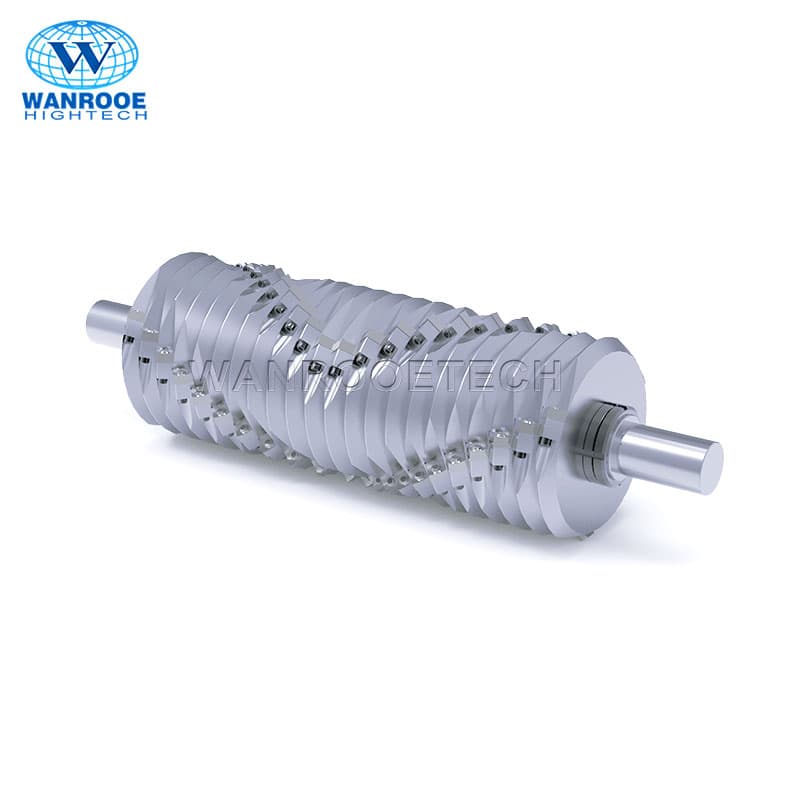
SSK-002
Plastic Single-Shaft Shredder Knife
Plastic Single-Shaft Shredder Knife is built for single-shaft shredders and film and woven bag shredding. Available in D2 / SKD11 / carbide-tipped alloy steel for wear resistance and repeated indexing in shredder rotors. The cutter geometry suits stacked shredder rotors and indexable cutter assemblies.
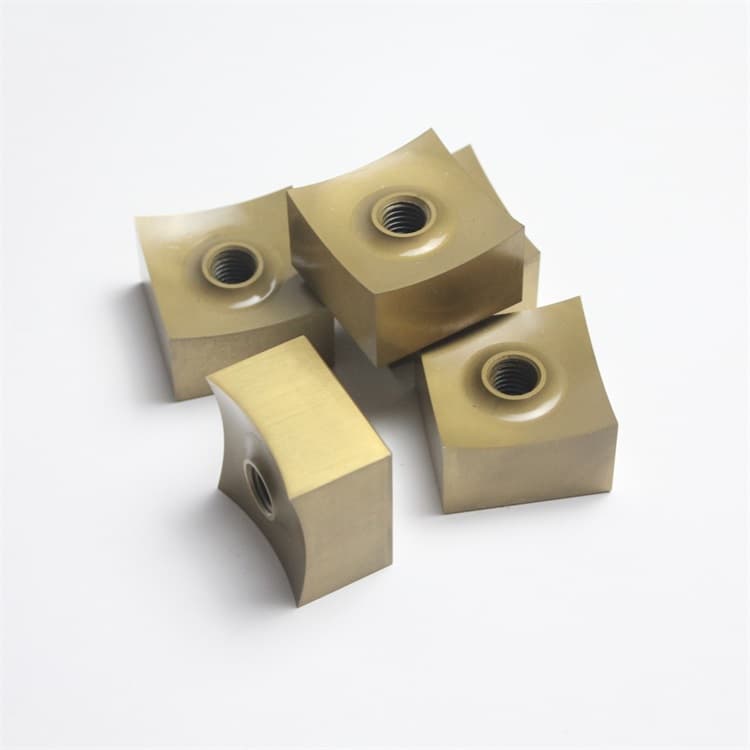
SSK-006
Hard Plastic Single-Shaft Shredder Knife
Hard Plastic Single-Shaft Shredder Knife is built for single-shaft shredders and film and woven bag shredding. Available in D2 / SKD11 / carbide-tipped alloy steel for wear resistance and repeated indexing in shredder rotors. The cutter geometry suits stacked shredder rotors and indexable cutter assemblies.
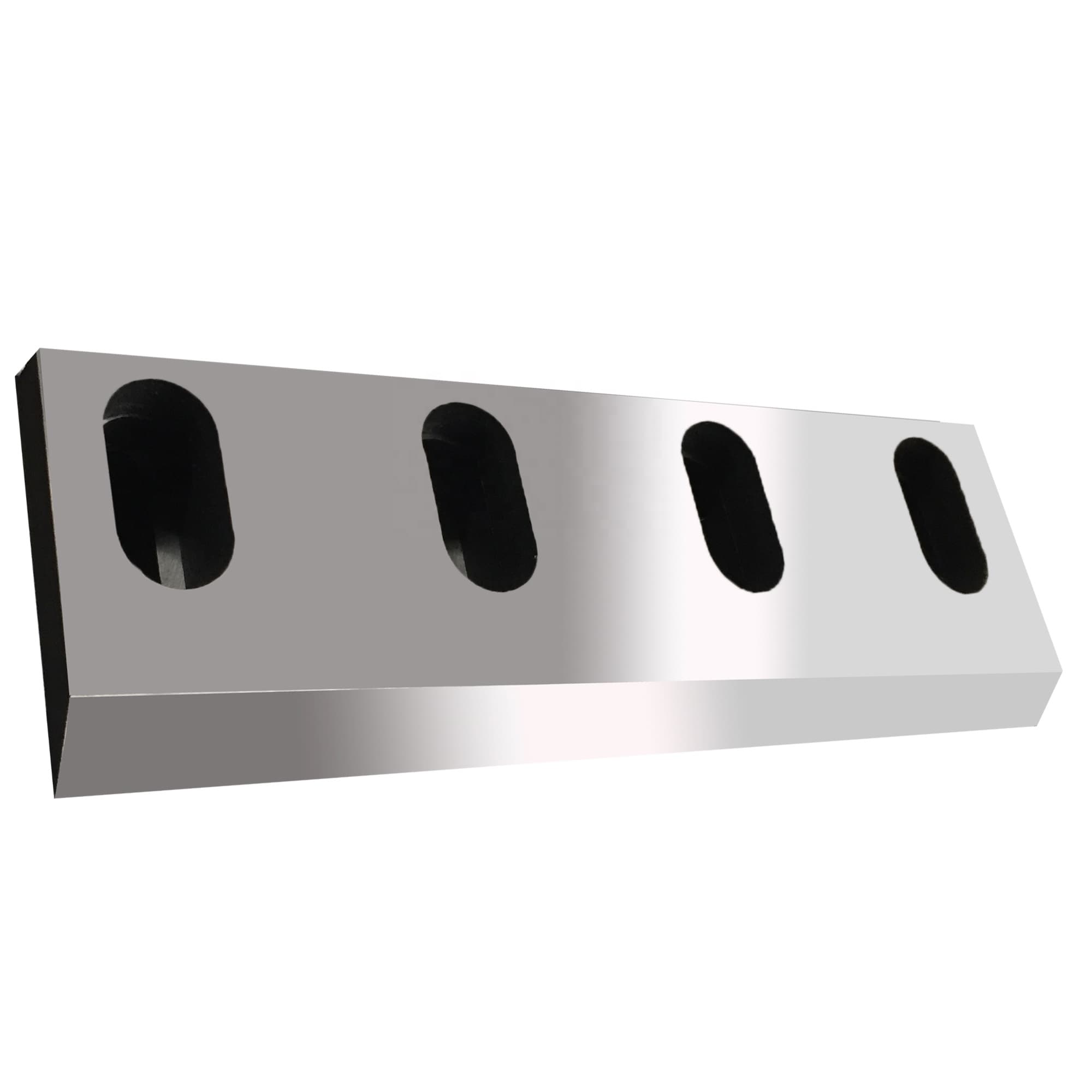
PCB-002
Plastic Crusher Plate Knife
Plastic Crusher Plate Knife is built for pet bottle crushing lines and rigid plastic size reduction. Available in SKD11 / 9CrSi for wear resistance, stable knife clearance, and repeatable sharpening. The straight edge format suits long bolt-on knife bars and clamp-mounted holders.
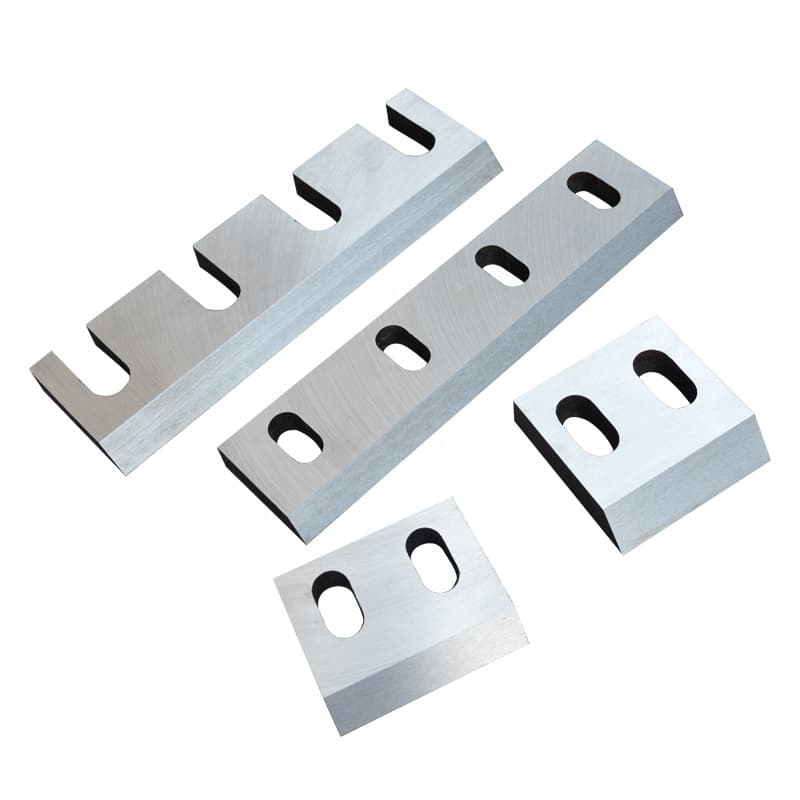
PCB-010
Fixed Plastic Crusher Knife
Fixed Plastic Crusher Knife is built for pet bottle crushing lines and rigid plastic size reduction. Available in D2 / SKD11 / Cr12MoV / HSS for wear resistance, stable knife clearance, and repeatable sharpening. The insert-style format fits compact cutter seats and short replacement positions.
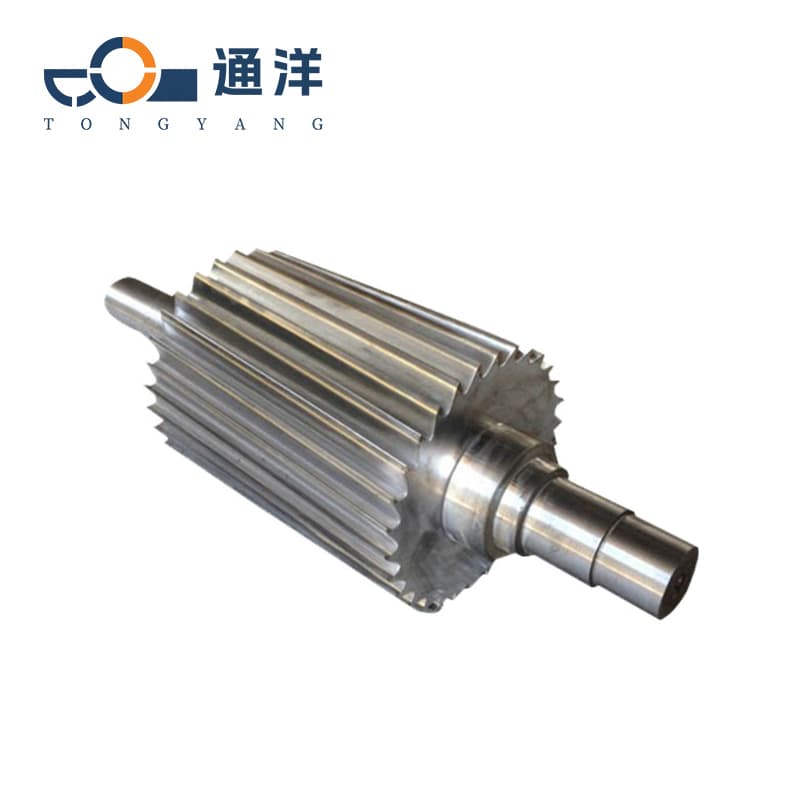
GBK-001
Granulator Bed Knife
Granulator Bed Knife is built for granulator bed knife replacement and pet bottle and rigid plastic grinding. Available in SKD11 / D2 / HSS / tungsten carbide for stable rotor clearance and consistent granulation quality. The insert-style format fits compact cutter seats and short replacement positions.
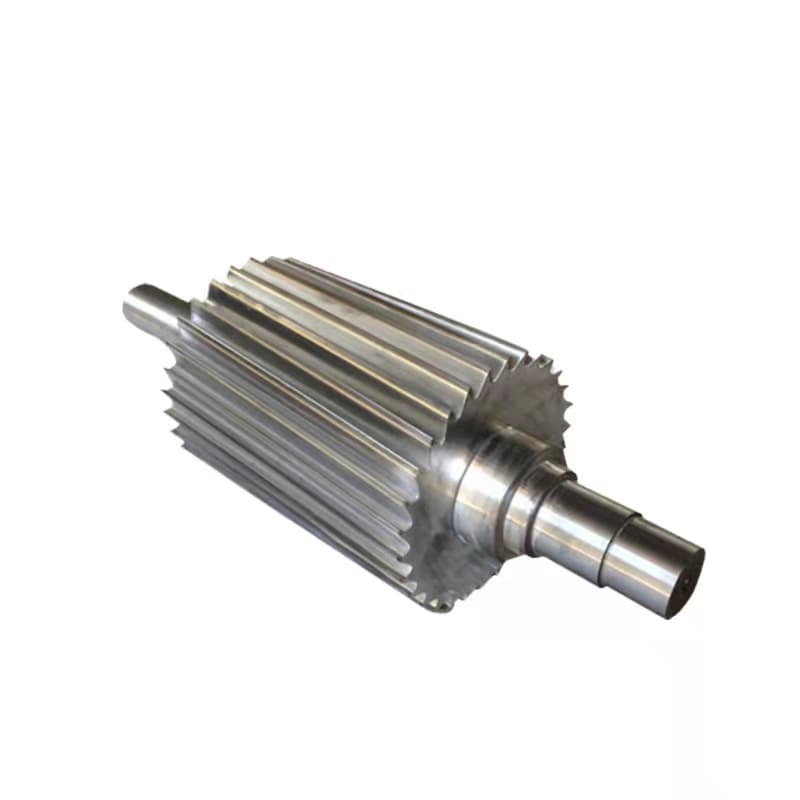
GBK-005
Granulator Fixed Knife
Granulator Fixed Knife is built for granulator bed knife replacement and pet bottle and rigid plastic grinding. Available in SKD11 / D2 / HSS / tungsten carbide for stable rotor clearance and consistent granulation quality. The profiled body suits fixed or rotary stations where alignment and edge exposure matter.
Related knife categories
Related articles
Purge lump shredder vs granulator RFQ guide: what buyers should confirm before ordering knives
A source-backed buyer guide for deciding whether plastic purgings belong in the shredder, crusher, or granulator RFQ first, with lower-risk data for aftermarket knife orders.
Read articleSingle-Shaft Shredder Knife Indexing: Buyer RFQ Guide
An original buyer guide built from official machine documentation: when indexing helps, when chamber wear matters more, and what to send before requesting a quote.
Read articleGranulator Knife Gap Checklist: Reduce Dust, Fines, and Noise
A practical rotor-to-bed-knife inspection flow for recyclers seeing dusty regrind, noisy cutting, or repeated knife damage after a blade change.
Read articleFAQ for plastic purge-lump recycling knives
Should I feed purge lumps straight into a granulator?+
When should the bed knife, fixed side, or screen be part of the RFQ?+
Can you quote from worn parts and installed photos only?+
Does feed temperature or whether the purge is still warm matter in the RFQ?+
Which internal pages should buyers compare next?+
Primary sources behind this guide
This guide was written from official size-reduction material on purgings, bulky plastic scrap, and machine-stage selection.
Rapid Granulator
Rapid FAQ
Separates shredders that break down large items such as purgings from granulators that reduce smaller or pre-shredded scrap into reusable flakes.
View sourceConair
The basic differences between plastics granulators and shredders
Frames shredders as the lower-speed option for higher-volume or bulky scrap and granulators as the cleaner size-reduction option for more controlled feed.
View sourceConair
Plastic size reduction FAQs
Warns that very thick purgings can create noise, power spikes, and possible blade damage if they are pushed directly into the wrong granulation setup.
View sourceWEIMA
Shredding plastic purge
Treats hard, large-volume purge material as a dedicated shredding task rather than a generic direct-granulation job.
View sourceGenox
K Series Single Shaft Shredder
Lists purgings among typical applications and ties shredder configuration to material behavior and process duty.
View sourceGenox
Plastic crusher
Shows that crusher selection follows specific production requirements, which supports second-stage RFQ logic for purge-lump programs.
View sourceNeed to review purge-lump knives against the real machine stage?
Send the machine model, feed description, installed photos, and the exact output complaint. We can review direct replacement, cutting-pair risk, or whether the RFQ should move upstream into first-stage size reduction.