
Purge lump shredder vs granulator RFQ guide: what buyers should confirm before ordering knives
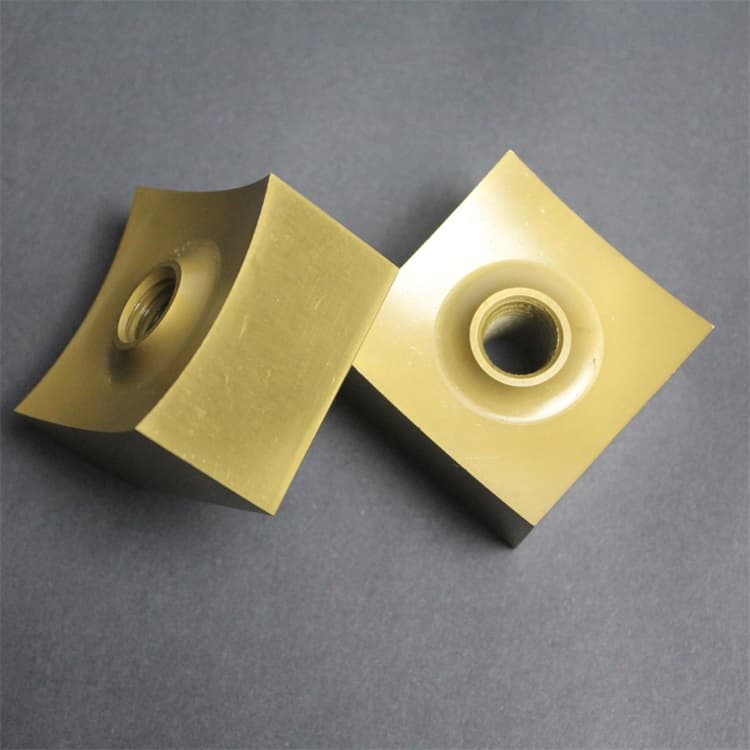
If a shredder knife, crusher blade, or granulator knife RFQ starts with only the visible blade dimensions, the buyer is often describing the worn part while hiding the real commercial complaint. Plastic purgings are not one universal cutting job. The official OEM pages keep pointing back to the same rule: bulky purge reduction and cleaner regrind preparation belong to different machine-stage questions.
Buyer conclusion first: the lower-risk quotation for purge-lump jobs is usually the one that names the machine platform, the actual stage under review, the purge form, and the downstream complaint together. Rapid's FAQ separates shredders that break down large items such as purgings from granulators that reduce smaller or pre-shredded material into reusable flakes. Conair does the same by treating bulky, higher-volume scrap differently from granulator duty. That is the real system the buyer is quoting.
Machine-stage fit: on molding, extrusion, blow-molding, and compounding lines, the first stage is not a background detail. WEIMA's plastic-purge page frames hard purge chunks as a shredding application. Conair's FAQ warns that very thick purgings can create noise, power spikes, and blade damage if they are fed straight into the wrong granulation setup. Those official signals explain why purge-lump RFQs should begin with the stage decision, not end there.
RFQ criteria: send the machine brand and model, one measured photo of the visible knife, installed chamber photos, the feed description, whether the purge is hot or fully cooled, and the actual symptom. Add whether the line is rough-sizing purge chunks, stabilizing a crusher stage, or chasing cleaner regrind for reuse. Before sending the inquiry, compare our new purge-lump application guide, our new purge stage-fit solution page, the sprue-runner guide, the granulator knife-gap checklist, and the contact page.

Why “shredder vs granulator” is one commercial buying problem
Buyers often separate purge-lump inquiries into neat product buckets because one part is more visible or more obviously worn. Official size-reduction guidance says the stage decision comes first. Rapid defines shredders and granulators through different duties, and Conair describes the same split in buyer language. That means the buyer is not really buying a single knife. The buyer is buying the cutting stage that matches the purge job.
In procurement terms, a knife RFQ is usually incomplete when it ignores whether the plant needs first-stage size reduction, second-stage crushing, or final regrind stabilization. A same-outline blade can still be the wrong commercial answer if the line already shows violent first bite, changed feed density, noisy chamber behavior, or a downstream particle complaint. The part may fit the holder and still fail the job.
This is especially true on startup-lump programs where feed form changes with every changeover, every machine, or every material family. The buyer does not need to write a machine manual. The buyer does need to say what the line is no longer doing well.
What the official OEM pages actually signal to buyers
Conair's FAQ is useful because it turns a common buyer mistake into a direct warning: very thick purgings can be too aggressive for direct granulation. WEIMA is useful because it treats hard purge material as a shredding application in its own right. Genox's K Series page adds that shredder setup follows material and application, not just machine size. Those are practical RFQ signals, not catalog filler.
Genox's crusher overview then carries the buyer into the next stage by tying crusher choice to production requirements. In buyer language, that means the question is not only “which blade fits?” but also “what does the next stage need the machine to produce now?” If that answer changed, the RFQ should say so before price discussion starts.
The same logic matters when the visible wear is on the granulator or crusher side. A noisy granulator or dusty regrind complaint may only be revealing that the purge feed entering the chamber is no longer stage-correct. A supplier can still match the geometry and still miss the commercial reason the line is underperforming.
When the first email should start with the shredder stage
The first email should start with the shredder stage when the plant is struggling to accept the purge feed at all. If startup blocks bridge, if dense slabs are too aggressive for direct second-stage reduction, or if the plant now combines purge material from several machines into one scrap stream, the lower-risk RFQ usually begins at the shredder family.
This is also the safer starting point when the line complaint begins as violent first bite, chamber shock, rough throughput swings, or the need to rough-size lumps before the next machine can behave. Those are not merely knife-life issues. They are stage-fit issues.
For buyers, this means the first message should say what the purge block looks like now, how it enters the chamber, and what the next stage is supposed to receive. That short description is often more valuable than a longer dimensions sheet with no process context.
When the first email should start with the crusher, granulator, bed knife, or screen side
The first email should start with the crusher or granulator stage when the line already accepts the feed but the output is now noisy, dusty, oversize, or inconsistent. In that case, the relevant route usually shifts toward the crusher-blade family, the granulator family, and the bed-knife side.
Conair's FAQ matters here because it warns that the wrong direct granulation path can create blade stress and unstable chamber behavior. Once the complaint is already dust, noisy cutting, or unstable regrind, the fixed side and the screen or output-control context belong in the RFQ as well. Treating the moving knife as an isolated spare part often recreates the same failure after startup.
This is where buyers often lose time. They quote the visible moving blade only, then discover that the fixed side, the chamber seat, or the particle target was part of the problem all along. Commercially, the safer quote is usually the one that includes the chamber context before the purchase order is cut.

What buyers should send before asking for price only
The fastest low-risk purge-lump RFQs combine geometry with machine-stage context. Send these items in the first message where possible:
- Machine brand and model, plus the actual stage under review.
- Feed description: hot startup lumps, cold purge blocks, extrusion slabs, blow-molding changeover chunks, or mixed purge streams.
- Material family and whether the plant is processing one line's purge or a central scrap stream from several machines.
- One front photo with a ruler, one side-profile photo, and one installed chamber photo of the visible knife.
- Fixed-side, bed-knife, or chamber-seat photos if the complaint includes dust, noise, poor bite, or unstable regrind.
- Current symptom: violent first bite, bridging, motor spikes, hot cutting, oversize pieces, fines, or unstable reclaim.
- Whether you want direct replacement, a trial batch, or a wider stage-fit review.
That is the minimum evidence that keeps an aftermarket quote tied to the real production complaint. A loose blade photo without the stage context may still produce a budget number, but it often does not produce the safest production answer.
Common buyer mistakes on purge-lump RFQs
The first common mistake is sending only the worn blade dimensions while hiding the feed condition and the downstream complaint. The supplier can match the shape and still miss that the real issue is stage selection, not only wear.
The second common mistake is trying to force the complaint into “shredder” or “granulator” language without any process evidence. The official OEM pages do not do that. They keep asking the buyer to identify the duty before the part.
The third common mistake is ignoring the nearby internal routes that already narrow the decision. Compare this article with the purge-lump application guide, the purge stage-fit solution page, the sprue-runner guide, the HDPE pipe and purge-lump guide, and the contact page.
Practical selection notes for buyers, dealers, and service teams
For direct end users, the safest quote structure is to separate the request into three levels. Level one is direct replacement because the stage and the feed are unchanged. Level two is cutting-pair review because the complaint now includes dust, noise, poor bite, or unstable output. Level three is stage-fit review because the purge geometry, density, temperature, or machine mix changed enough that the visible wear part may no longer explain the problem alone.
Dealers should also say whether the request is an emergency restart, a trial lot, or a planned spare program. Those are different commercial situations. A supplier should know whether to match quickly, validate the geometry carefully, or review the chamber and stage logic more deeply before production.
If you are not sure where to start, compare the plastic single-shaft shredder knife, the hard-plastic single-shaft shredder knife, the plastic crusher plate knife, the fixed plastic crusher knife, the granulator bed knife, the granulator fixed knife, and the RFQ form with installed evidence.
FAQ
Do buyers need to mention the downstream stage when the visible wear is on the shredder knife?
Yes. The next-stage complaint often explains whether the real issue is bulky-feed preparation, crusher stability, or granulator-side regrind control.
Can a supplier review purge-lump jobs from worn samples and installed photos?
In many cases, yes. Measured photos, chamber photos, material notes, and the real symptom are usually enough to begin review.
What changes a direct replacement request into a wider stage-fit review?
A wider review is usually safer when the line now shows violent first bite, power spikes, dust, one-sided wear, noisy running, or a change in purge size, density, or temperature.
Should buyers name whether the purge is hot, warm, or cold?
Yes. Feed state changes how the chamber accepts the material and can change whether the safer quote belongs with a shredder or a later stage.
Which internal pages should buyers compare next?
Compare the purge-lump application guide, the purge stage-fit solution page, the sprue-runner guide, the HDPE pipe and purge-lump guide, and the contact page.
Primary sources
This article is an original buyer-side synthesis built from official purge-handling and plastic size-reduction material. The labels below stay neutral while the attribution remains in the URL.
- Official FAQ on shredders, granulators, and purgings
- Official granulator-versus-shredder comparison
- Official FAQ on thick purgings and direct granulation risk
- Official purge-shredding application page
- Official single-shaft shredder page listing purgings
- Official plastic-crusher overview for stage selection