
Granulator rotor knife vs bed knife RFQ guide: what buyers should confirm before ordering replacements
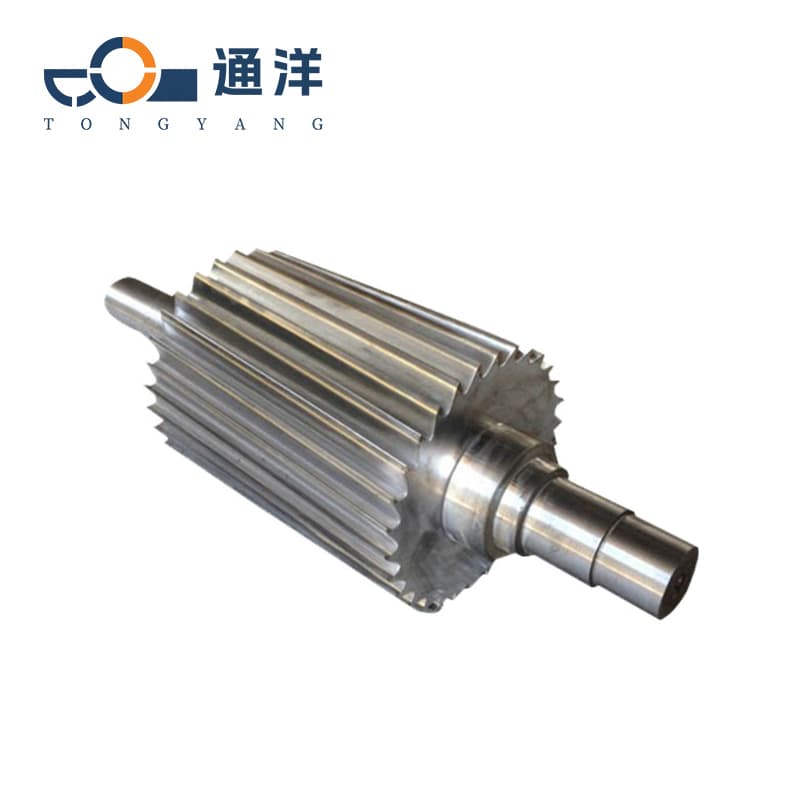
If a granulator rotor-knife RFQ starts with only the loose moving-blade dimensions, the buyer is often describing the visible wear part while hiding the real commercial complaint. Official granulator sources keep pointing back to the same rule: the rotating knives, the fixed-side knife position, and the screen belong to one cutting result. When dust, noise, oversize output, or poor bite show up, the RFQ should say more than "same rotor knife again."
Buyer conclusion first: the lower-risk quotation for rotor knives or bed knives is usually the one that names the machine platform, the moving-side evidence, the fixed-side evidence, the screen context if relevant, and the actual production symptom together. Rapid's FAQ says the rotating knives cut against a fixed knife position and that the screen controls output size. Rapid's RMD launch note describes protecting the critical interface between fixed and rotating knives. That is the cutting system the buyer is really quoting.
Machine-stage fit: on rigid-plastic, pipe, profile, and direct-recycling lines, the bed side is not a background part. Rapid's 400 Open-Hearted page frames direct recycling around rotating knives, fixed knives, and screen-determined output. Rapid's spare-parts page ties the right spare parts to stable regrind, fewer fines, lower noise, and lower energy use. Those official signals explain why rotor-knife RFQs should begin with the cutting-pair complaint, not end there.
RFQ criteria: send the machine brand and model, one measured photo of the rotor knife, installed chamber photos, the fixed-side evidence, the current screen note if it affects output, and the actual symptom. Add whether the line is rigid-plastic crushing, bottle regrind, pipe and profile granulation, wet grinding, or another duty. Before sending the inquiry, compare our new PVC pipe and conduit application guide, our new long pipe and profile solution page, the granulator knife-gap checklist, and the contact page.

Why rotor knives and bed knives are one commercial buying problem
Buyers often separate rotor knives and bed knives because one part is more visible or more obviously moving. Official granulator guidance says otherwise. Rapid defines the granulator around rotating knives cutting against a fixed knife position, and it states that the screen controls output size. That means the buyer is not really buying one knife. The buyer is buying the cutting pair inside a specific chamber behavior.
In procurement terms, a rotor-knife RFQ is usually incomplete when it ignores the fixed-side condition, chamber support, and output complaint. A same-outline blade can still be the wrong commercial answer if the chamber already shows one-sided wear, changed bite behavior, poor seat support, noisy running, or a screen-related output problem. The part may fit the holder and still fail the job.
This is especially true on pipe, profile, and rigid-plastic lines where feed shape and chamber stability matter as much as edge sharpness. The buyer does not need to write a machine manual. The buyer does need to say what the line is no longer doing well.
What the official OEM pages actually signal to buyers
Rapid's 400 Open-Hearted page is useful because it ties direct recycling of bottles, sheet, pipes, and profiles to specific cutterhouse logic, including rotating knives, fixed knives, and screen-controlled output. Rapid's spare-parts page is useful because it links the right spare parts to quality regrind, fewer rejects, less dust and fines, lower energy consumption, and lower noise. That is operational buying language, not just catalog language.
Rapid's RMD launch note adds another practical clue by focusing on protecting the critical interface between fixed and rotating knives. For buyers, that is an RFQ instruction: if the complaint belongs to the interface, the inquiry should not be written as if the moving side alone explains the failure.
The same logic matters on heavier rigid-plastic work. Genox's GXC heavy-duty granulator page positions heavy-duty granulation around thick-walled, rigid-plastic duties. A buyer should translate that into RFQ language: what is the feed form, what does the chamber have to bite, and what does the output now look like? If those answers changed, a rotor-knife reorder may need more than a direct outline match.
What usually belongs to the rotor side, the bed side, or the wider chamber review
Buyers often want a simple decision tree: "Is this a rotor-knife problem or a bed-knife problem?" Commercially, the answer is often "both," because the real complaint belongs to the interface. Still, there are useful signals. If the obvious issue is chipped moving edges, poor cutting consistency after maintenance, or a worn moving sample, the inquiry may begin at the rotor side. If the obvious issue is rubbing noise, poor bite against the fixed side, unstable particle window, or a chamber that keeps needing reset, the bed side and screen belong in the first message.
But that split only helps if the buyer also names the downstream symptom. If the plant is seeing more fines, more oversize, dirtier regrind, or a harder handoff into the next stage, that downstream signal often explains whether the real issue is rotor wear, fixed-side support, screen condition, or the wrong stage being quoted.
This is why the practical rule is simple: use the visible part to anchor the quote, then use the installed photos and downstream complaint to make the quote safer. That combination is stronger than either one alone.
What buyers should send before asking for price only
The fastest low-risk granulator RFQs combine geometry with chamber context. Send these items in the first message where possible:
- Machine brand and model, plus the actual duty: bottle regrind, rigid container prep, wet grinding, pipe and profile granulation, or another named stage.
- One front photo with a ruler, one side-profile photo, and one installed photo of the rotor knife or moving side.
- Photos of the bed side, fixed knife, stator side, and holder or seat area that show how the pair currently works together.
- Screen information or target output size if the line complaint includes fines, dust, oversize, or unstable regrind size.
- Feed description: bottle flakes, rigid containers, pipe pieces, long profile scrap, fittings, thick-wall sections, or another named duty.
- Current symptom: poor bite, fines, noisy running, one-sided wear, higher amps, oversize output, or repeated chamber-reset problems.
- Whether the request is direct replacement, a validation batch, or a wider chamber review.
That is the minimum evidence that keeps an aftermarket quote tied to the real production complaint. A loose blade photo without the chamber context may still produce a budget number, but it often does not produce the safest production answer.

Common buyer mistakes on rotor-knife and bed-knife RFQs
The first common mistake is sending only the moving-blade dimensions while hiding the actual production symptom. The supplier can copy the shape and still miss that the real complaint is noisy running, fines, poor bite, or a changed screen condition.
The second common mistake is trying to force the complaint into either "rotor" or "bed" language without any chamber evidence. The interface matters more than the label. If the chamber is unstable, the inquiry should show the whole pair.
The third common mistake is ignoring the downstream quality complaint. If the line is making dirtier regrind, more visible fines, or more oversize pieces, that downstream symptom should appear in the RFQ because it usually explains whether the real issue is the visible wear part or a broader chamber fit problem.
Practical selection notes for buyers, dealers, and service teams
For direct end users, the safest quote structure is to separate the request into three levels. Level one is direct replacement because the chamber is healthy and the line duty is unchanged. Level two is cutting-pair review because the complaint now includes fines, noise, poor bite, or unstable output. Level three is stage-fit review because the feed, the upstream prep, or the downstream target changed enough that the visible wear part may no longer explain the problem alone.
Dealers should also say whether the request is an emergency restart, a trial lot, or a planned spare program. Those are different commercial situations. A supplier should know whether to match quickly, validate geometry carefully, or review the chamber more deeply before production.
If you are not sure where to start, compare the granulator insert knife, the granulator bed knife, the granulator fixed knife, the OEM-compatible bed-knife page, the PVC pipe and conduit application guide, and the long pipe and profile solution page. Then route the inquiry through the RFQ form with installed evidence.
FAQ
Do buyers need to mention the screen and fixed side when the visible wear is on the rotor knife?
Yes. Official granulator references treat rotating knives, fixed knife position, and screen-controlled output as one cutting system, especially when the complaint includes dust, noise, or oversize output.
Can a supplier review rotor and bed-knife jobs from worn samples and installed photos?
In many cases, yes. Measured photos, chamber photos, the machine brand, the feed description, and the real symptom are usually enough to begin review.
What changes a rotor-knife quote from direct replacement into a wider chamber review?
A wider review is usually safer when the line now shows poor bite, one-sided wear, fines, noisy running, screen changes, or a feed change that affects the fixed side and output window.
Should buyers name the downstream complaint in a granulator RFQ?
Yes. The downstream complaint often explains whether the real issue is rotor wear, fixed-side fit, screen behavior, or a broader stage-fit problem.
Which internal pages should buyers compare next?
Compare the PVC pipe and conduit application guide, the long pipe and profile solution page, the granulator gap checklist, and the contact page.
Primary sources
This article is an original buyer-side synthesis built from official granulator, pipe-profile, and spare-parts material. The labels below stay neutral while the attribution remains in the URL.