
Typical PVC pipe and conduit RFQ problems behind the inquiry
- •The buyer asks for PVC pipe knives, but the real complaint is unstable side feed, long pieces that do not bite cleanly, or a chamber that no longer handles the feed geometry it now sees.
- •The line needs fixed-side or bed-knife review, yet the request only includes the moving knife and ignores the screen, the output window, and the actual granulation complaint.
- •Operations has shifted from cut pieces to longer sections, bundles, profiles, or mixed rigid feed, but purchasing has not written that change into the quote request.
- •The plant is comparing shredder, crusher, and granulator spare routes, but the RFQ still reads like a generic rigid-plastic reorder without stage evidence.
Buyer conclusion first: quote the real pipe-and-profile stage and the real output target together
If a PVC pipe or conduit line is now harder to feed, harder to cut consistently, or more likely to make dust, oversize pieces, or unstable regrind, the lower-risk RFQ is usually not a moving-knife-only reorder. The safer route is to quote the pre-shredder stage, the crusher or profile-blade stage, the granulator-knife family, and the fixed-side or bed-knife family only after naming the real complaint.
Rapid's pipe and profile page separates conveyor-fed pieces from side-fed pipe and profile duties. Rapid's 400 Open-Hearted page describes rotating knives, fixed knives, and screen-controlled output on direct-recycling rigid-plastic work. Genox's J Series pipe shredder keeps long and large-diameter pipe in a dedicated preparation conversation. Those are direct buyer signals that machine stage belongs in the first paragraph of the RFQ.
Use this page together with our new long pipe and profile stage-fit solution, the PVC window profile guide, the HDPE pipe and purge-lump guide, the new granulator rotor-vs-bed-knife article, and the contact page when the inquiry needs to move from "same knife again" to a safer pipe-and-profile quote.
Why PVC pipe and conduit is its own application, not a generic rigid-plastic shortcut
Buyers often use broad language such as "PVC recycling knives" even when the real RFQ belongs to a narrower pipe, conduit, fitting, or profile stage. That distinction matters. The Vinyl Institute's water-delivery page frames PVC pipe as a major end-use family, while its electrical page does the same for vinyl electrical systems and conduit-related use. That means the application is commercially real before the knife discussion even starts.
The Vinyl Institute recycling page then points to active PVC recycling work and infrastructure support, which matters because buyers are not trying to route one-off scrap experiments. They are trying to restore a repeatable cutting stage inside a real rigid-PVC reclaim workflow.
This is also why a PVC pipe and conduit inquiry differs from the nearby PVC window profile guide. The profile page focuses more tightly on profile-specific dust and stage-fit logic. This page is wider and more commercial: long pipe, cut pieces, conduit-related scrap, fittings, and the machine stages that decide how the RFQ should be written.
Where Leader Blades fits on the pipe, conduit, and profile side of the line
On this application, Leader Blades mainly fits the cutting positions that prepare rigid PVC or adjacent profile scrap before later reclaim or reuse steps:
- Single-shaft shredder knives where long or awkward pipe and profile feed must be accepted, stabilized, or pre-reduced before a finer stage can behave.
- Crusher profile blades and fixed crusher knives where rigid sections, fittings, conduit pieces, or shorter cut pipe are already at the crusher stage and the complaint belongs to bite, chamber balance, or output consistency.
- Granulator moving knives where pipe and profile scrap is already reaching the granulator and the buyer is trying to restore consistent granule or regrind quality.
- Bed knives, stator knives, and fixed-side parts where the complaint includes dust, oversize output, noisy running, or poor bite against the fixed side.
Start from the nearest product families: hard-plastic single-shaft shredder knife, plastic crusher profile blade, plastic crusher profile knife, fixed plastic crusher knife, granulator insert knife, granulator bed knife, granulator stator knife, and stationary granulator bed knife.
The practical point is to keep the quotation focused on the positions Leader Blades actually supplies while still naming the stage and output complaint that make those positions commercially important.
How long sticks, cut pieces, bundles, fittings, conduit, and profile scrap change the RFQ
Rapid's pipe and profile page is useful because it directly separates conveyor-fed pipe pieces from side-fed pipe and profile work. Genox's J Series pipe shredder is useful because it treats large-diameter and up-to-six-meter pipe as a distinct preparation duty. Together, they tell buyers that feed form is not a side note. It is often the first RFQ decision.
That matters because cut PVC pipe pieces, conduit scraps, and rigid profile offcuts do not all load the chamber in the same way. The same outer knife dimensions may fit the holder, but the safer buying decision can still change if the line has moved toward longer sections, more fittings, denser bundles, or a different mix of rigid materials.
For buyers and dealers, this means the first email should say what changed. Did the line move from short pieces to longer feed? Did more awkward conduit-related scrap enter the mix? Did more fittings or thicker-wall sections appear? Those are not background details. They are the shortest route to a safer quotation because they explain whether the issue belongs to feed acceptance, the cutting pair, or both.
Why the fixed side, screen, and granule target belong in the same message
Rapid's FAQ directly links the cutting result to the rotating knives, the fixed knife position, and the screen that controls output size. Rapid's spare-parts page adds that the right spare parts support stable regrind, fewer fines, lower noise, and lower energy use. Those official signals are exactly why rigid pipe and profile RFQs should rarely be written as if the moving knife were independent.
The buyer should therefore send fixed-side photos and any screen note that affects output. If the complaint is dusty regrind, poor bite, noisy cutting, or an unstable particle window, the supplier needs to see whether the bed side, stator side, or screen condition already belongs to the failure pattern.
If the complaint began only after maintenance, a screen change, or a change in feed length or wall thickness, say that too. Commercially, that often matters more than another decimal place on the dimensions sheet.
Expert selection notes, stage-fit logic, and what to send for a safer quote
The safest RFQ structure separates three buying situations. The first is direct replacement because the machine, feed form, and output target are unchanged. The second is cutting-pair review because dust, oversize, poor bite, or noisy running now suggest that the fixed side or screen belongs in the quote. The third is stage-fit review because the feed has changed enough that the complaint may no longer be knife-only.
For stage-fit reviews, state the machine brand and model, whether the line is taking long sticks or cut pieces, and whether the request is for a validation batch or a direct production reorder. If the line already uses a known compatible chamber family, say that as well. It helps the supplier decide whether the safest quote is a simple replacement or a more careful chamber review.
When you are ready to send the inquiry, include the material form, the current output complaint, moving-knife photos, fixed-side photos, and the screen details if known. Then compare this page with our long pipe and profile solution, the rotor-vs-bed-knife article, the granulator gap checklist, and the contact page.
RFQ checklist for PVC pipe, conduit, and profile knife inquiries
The fastest low-risk RFQs combine knife geometry with the actual stage complaint. Send these items in the first message where possible:
- Machine brand and model, plus whether the request belongs to pipe preparation, crushing, granulation, or a fixed-side and bed-knife review.
- Feed description: long pipe, cut pieces, conduit-related scrap, profile offcuts, fittings, bundles, or mixed rigid feed.
- Whether the material is PVC-only or part of a broader rigid-plastic stream, plus any known wall-thickness or geometry challenge.
- One measured front photo of the moving knife, one side-profile photo, and installed photos of the chamber and fixed side.
- Screen information if known, plus any note about when the complaint began.
- Current symptom: poor bite, difficult side feed, dust, oversize pieces, noisy running, unstable granule size, or shorter life.
- Whether the request is a direct replacement, a small validation batch, or a wider stage-fit review.
That checklist is short enough for a plant or dealer to send quickly, but detailed enough to stop the most common pipe-and-profile mistake: quoting the moving knife alone while the real complaint sits on the fixed side, the screen, or the stage choice itself.
Representative parts for this line
Use the closest shape below as your RFQ reference, then send dimensions or old-blade photos for fit review.
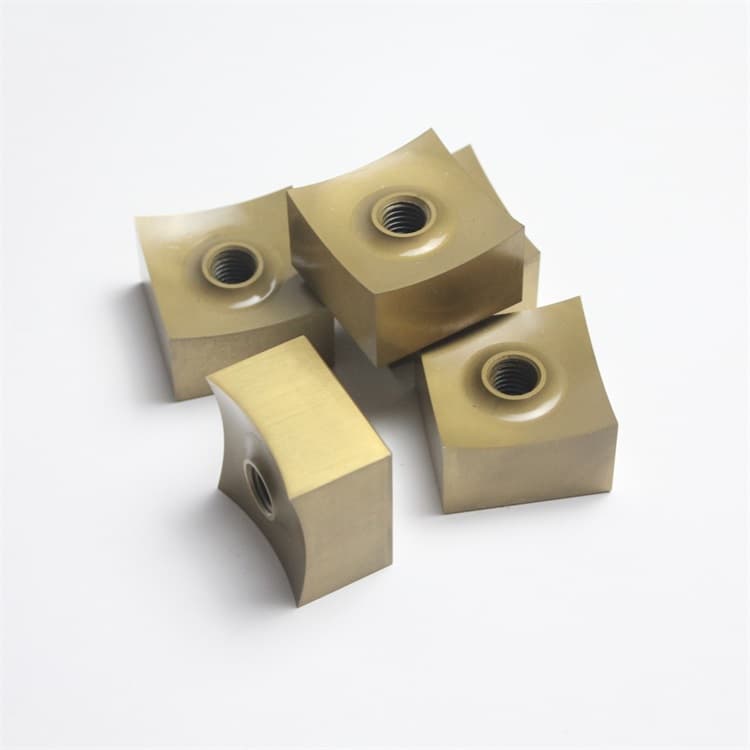
SSK-006
Hard Plastic Single-Shaft Shredder Knife
Hard Plastic Single-Shaft Shredder Knife is built for single-shaft shredders and film and woven bag shredding. Available in D2 / SKD11 / carbide-tipped alloy steel for wear resistance and repeated indexing in shredder rotors. The cutter geometry suits stacked shredder rotors and indexable cutter assemblies.
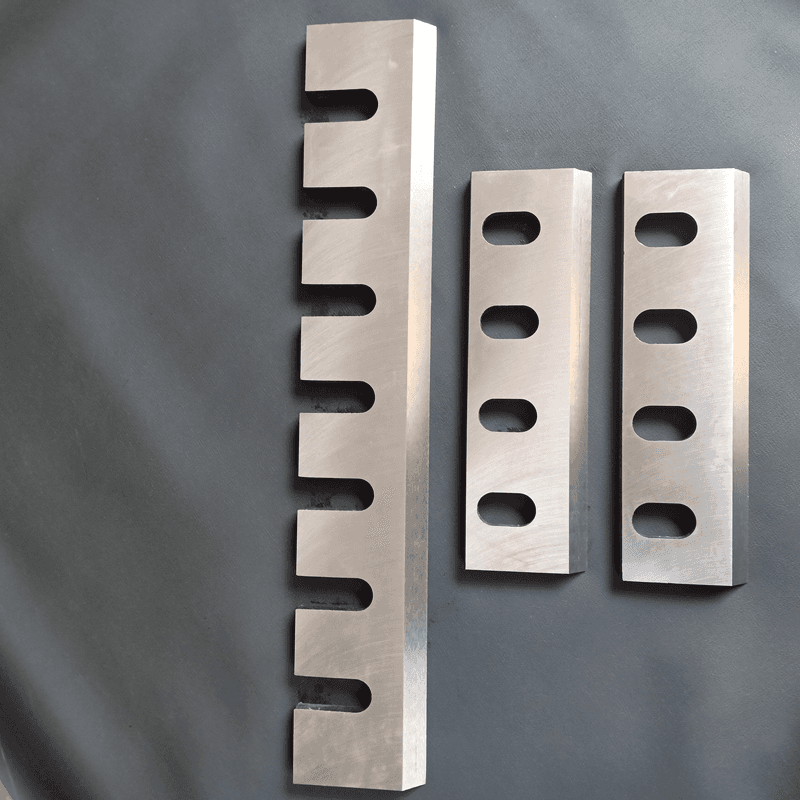
PCB-001
Plastic Crusher Profile Blade
Plastic Crusher Profile Blade is built for pet bottle crushing lines and rigid plastic size reduction. Available in D2 / HSS / 9CrSi / H13 for wear resistance, stable knife clearance, and repeatable sharpening. The profiled body suits fixed or rotary stations where alignment and edge exposure matter.
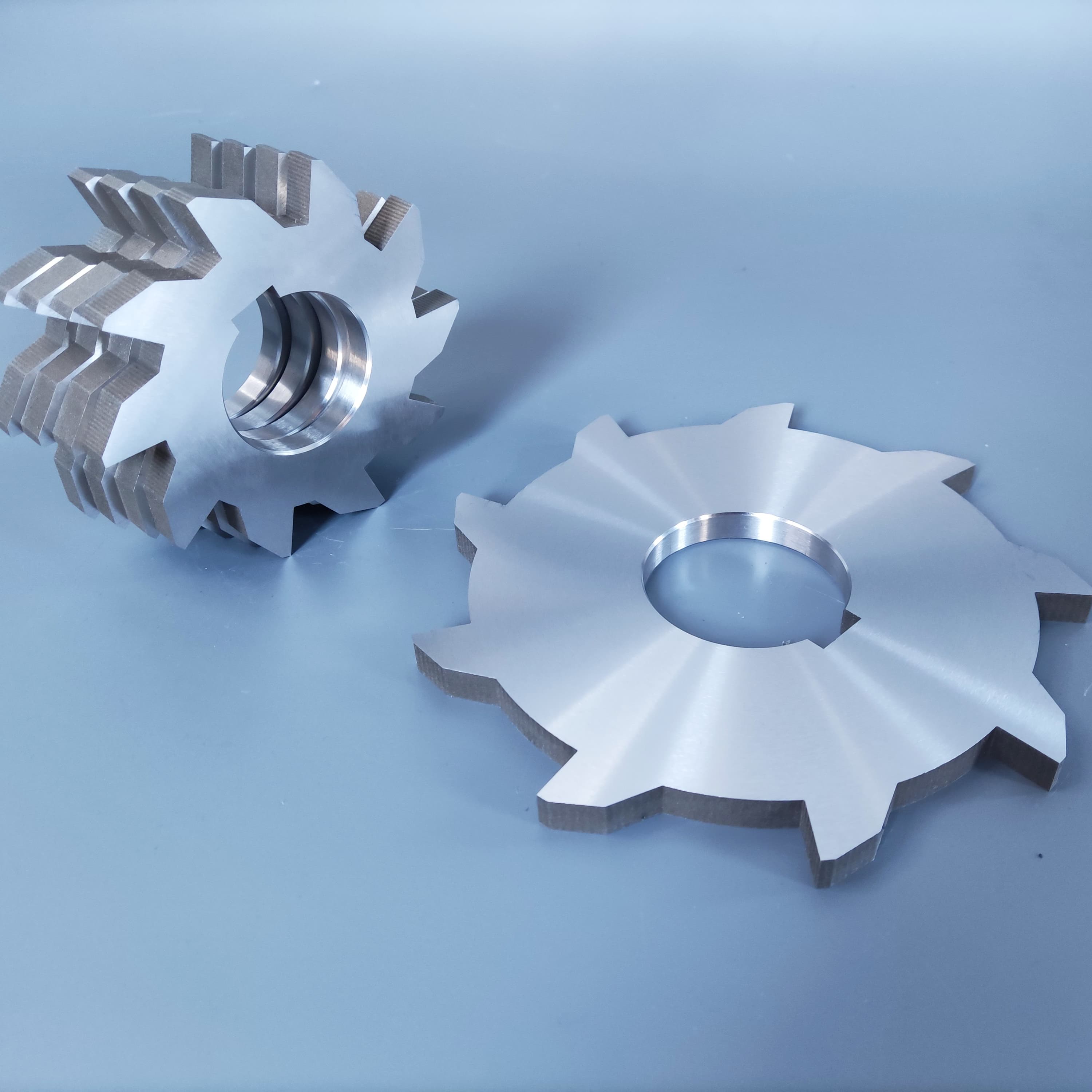
PCB-008
Plastic Crusher Profile Knife
Plastic Crusher Profile Knife is built for pet bottle crushing lines and rigid plastic size reduction. Available in SKD11 / D2 / HSS / M2 for wear resistance, stable knife clearance, and repeatable sharpening. The profiled body suits fixed or rotary stations where alignment and edge exposure matter.
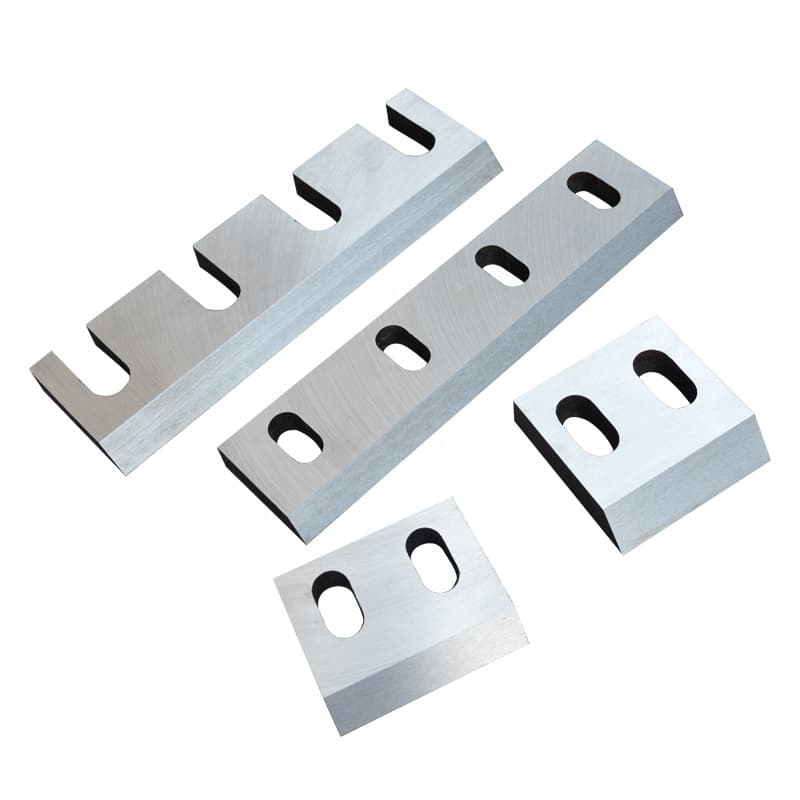
PCB-010
Fixed Plastic Crusher Knife
Fixed Plastic Crusher Knife is built for pet bottle crushing lines and rigid plastic size reduction. Available in D2 / SKD11 / Cr12MoV / HSS for wear resistance, stable knife clearance, and repeatable sharpening. The insert-style format fits compact cutter seats and short replacement positions.
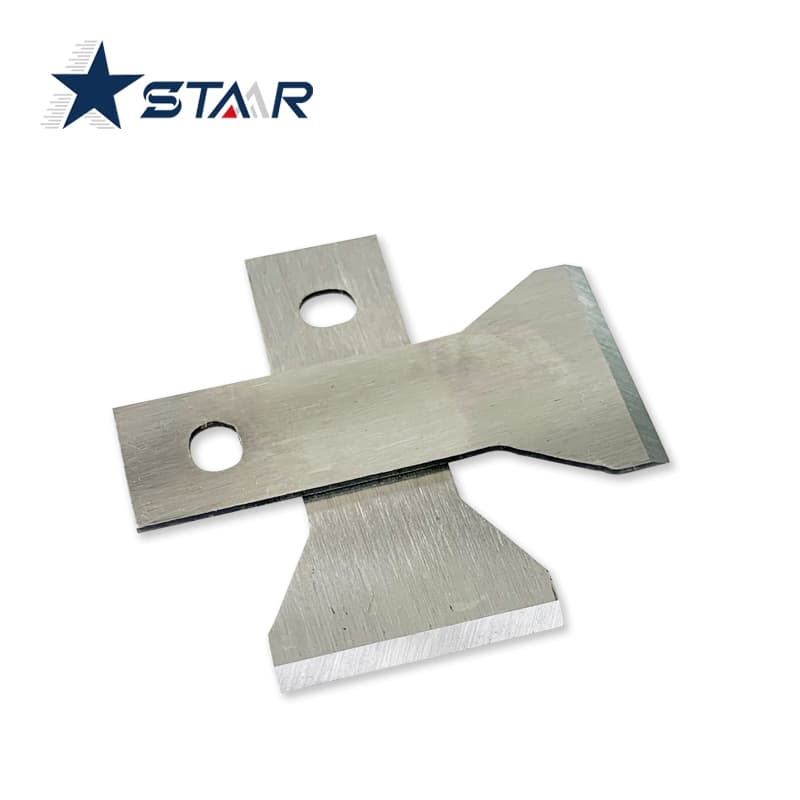
PGK-002
Granulator Insert Knife
Granulator Insert Knife is built for plastic granulation lines and rigid and film regrind. Available in SKD11 / D2 / HSS / 9CrSi for clean regrind, stable clearance, and practical resharpening cycles. The insert-style format fits compact cutter seats and short replacement positions.
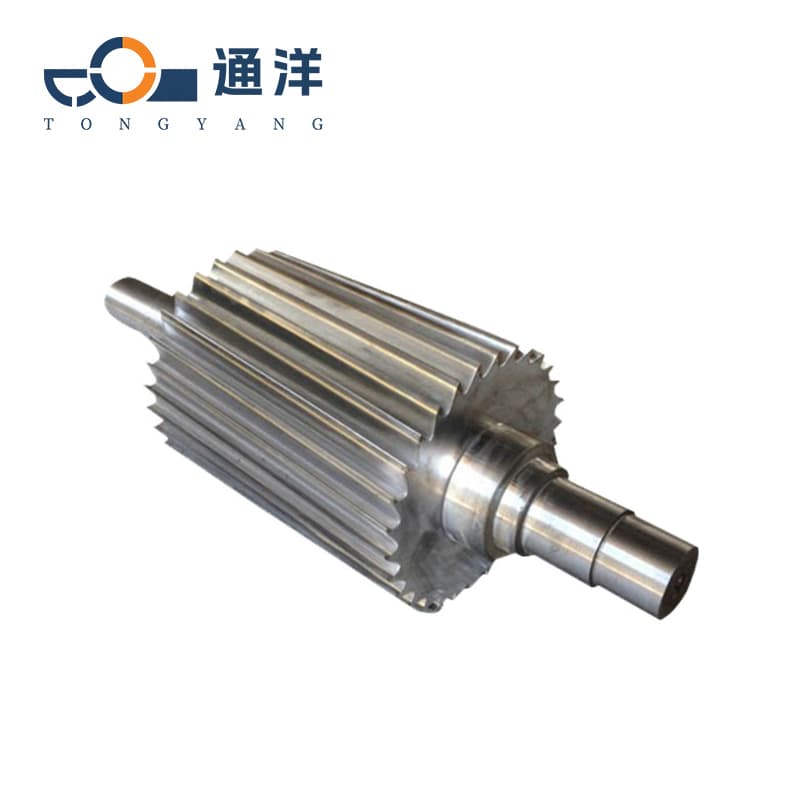
GBK-001
Granulator Bed Knife
Granulator Bed Knife is built for granulator bed knife replacement and pet bottle and rigid plastic grinding. Available in SKD11 / D2 / HSS / tungsten carbide for stable rotor clearance and consistent granulation quality. The insert-style format fits compact cutter seats and short replacement positions.
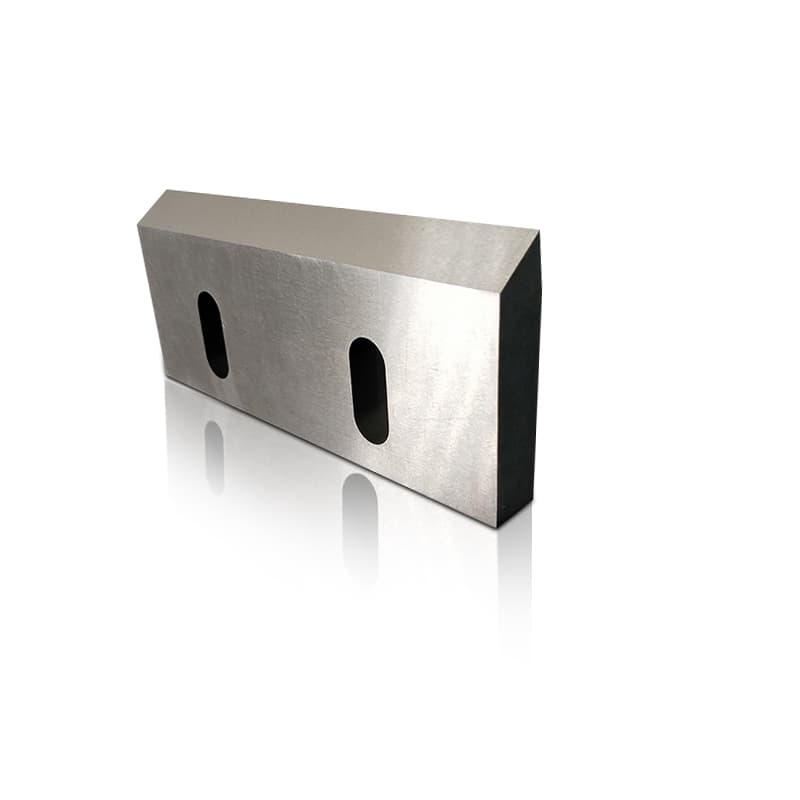
GBK-004
Granulator Stator Knife
Granulator Stator Knife is built for granulator bed knife replacement and pet bottle and rigid plastic grinding. Available in SKD11 / D2 for stable rotor clearance and consistent granulation quality. The insert-style format fits compact cutter seats and short replacement positions.
GBK-002
Stationary Granulator Bed Knife
Stationary Granulator Bed Knife is built for granulator bed knife replacement and pet bottle and rigid plastic grinding. Available in Alloy Steel for stable rotor clearance and consistent granulation quality. The straight edge format suits long bolt-on knife bars and clamp-mounted holders.
Related knife categories
Related articles
Granulator rotor knife vs bed knife RFQ guide: what buyers should confirm before ordering replacements
A source-backed buyer guide for granulator rotor knives, bed knives, screen context, and the RFQ evidence that lowers repeat failures on rigid-plastic and pipe-profile lines.
Read articleGranulator Knife Gap Checklist: Reduce Dust, Fines, and Noise
A practical rotor-to-bed-knife inspection flow for recyclers seeing dusty regrind, noisy cutting, or repeated knife damage after a blade change.
Read articleSingle-Shaft Shredder Knife Indexing: Buyer RFQ Guide
An original buyer guide built from official machine documentation: when indexing helps, when chamber wear matters more, and what to send before requesting a quote.
Read articlePVC window-profile knife RFQ guide: what buyers should send before ordering shredder, crusher, or granulator knives
A source-backed buyer guide for post-use PVC window profiles, reinforced frame scrap, and profile regrind lines ordering replacement knives by machine stage instead of by loose dimensions alone.
Read articleFAQ for PVC pipe and conduit recycling knives
Should a PVC pipe and conduit RFQ say whether the line is handling long sticks, cut pieces, or profile offcuts?+
When do buyers need a shredder-stage review instead of a granulator-only replacement quote?+
Do fixed-side photos and screen notes belong in a PVC pipe granulator inquiry?+
Can a supplier review this application from worn knives, measured photos, and chamber photos?+
Which internal pages should buyers compare next?+
Primary sources behind this PVC pipe and conduit guide
These official sources were used to map PVC pipe, conduit, and profile feed forms to the machine stages Leader Blades actually supports, including side-feed granulation, large-pipe preparation, fixed-side logic, and rigid-PVC recycling context.
Rapid Granulator
Pipe and profile recycling
Separates conveyor-fed pipe pieces from side-fed pipe and profile duties and helps buyers route the RFQ by infeed style and machine stage.
View sourceRapid Granulator
400 Open-Hearted
Ties direct recycling of pipes and profiles to rotating knives, fixed knives, and screen-controlled output, which supports granulator and fixed-side RFQ logic.
View sourceRapid Granulator
Rapid FAQ
Defines the granulator cutting pair around rotating knives, fixed knife position, and screen-controlled output size.
View sourceRapid Granulator
Rapid spare parts and service
Links the right spare parts to stable regrind, fewer fines, lower noise, and lower energy use, which supports fixed-side and screen-side RFQ language.
View sourceGenox
J Series Pipe Shredder
Positions large-diameter and long-pipe work as a dedicated shredder-preparation duty instead of a generic granulator reorder.
View sourceGenox
GXC Series Heavy Duty Granulators
Links heavy-duty granulation to thick-walled and rigid-plastic duties that matter when buyers describe rigid pipe and profile regrind complaints.
View sourceThe Vinyl Institute
Vinyl recycling
Provides official PVC recycling context and confirms that post-consumer and post-industrial vinyl recycling remains an active industry topic.
View sourceThe Vinyl Institute
PVC water pipes for water delivery
Anchors PVC pipe as a real end-use family behind the recycling and replacement-part inquiry.
View sourceThe Vinyl Institute
Electrical
Supports conduit-related vinyl use context when buyers describe electrical-system and conduit scrap inside pipe-and-profile programs.
View sourceNeed PVC pipe, conduit, or profile knives matched to the real machine-stage complaint?
Send the machine stage, feed form, output target, moving-knife photos, fixed-side photos, and the current symptom. We can review direct replacement versus a wider stage-fit or fixed-side quote.