
Typical PET wet-grinder RFQ problems behind the inquiry
- •The buyer asks for PET bottle knives, but the real complaint is too many fines, unstable flake size, noisy running, or poor bite in the wet-grinding chamber.
- •The line needs OEM-compatible bed-knife replacements, yet the request only includes the moving knife and ignores the fixed side, the screen, and the actual flake-quality problem.
- •PET bottle preparation is now feeding a stricter wash-line or bottle-to-bottle route, but the RFQ still reads like a generic plastic-granulator reorder.
- •The line has changed feed mix, contamination level, or upstream crushing behavior, but purchasing has not written that process change into the quote request.
Buyer conclusion first: quote the wet-grinder stage and the flake-quality target together
If a PET bottle line is now making more fines, noisier cuts, unstable flake size, or visible fixed-side wear, the lower-risk RFQ is usually not a moving-knife-only reorder. The safer route is to quote the rotor knife family, the bed-knife and fixed-side family, and the real flake-quality target together. Official PET recycling sources keep describing grinding, washing, contamination release, and output quality as a connected system.
Krones' HydroCut page says wet grinding combines precise cutting with initial cleaning and is designed to avoid over-grinding while preserving material integrity. Rapid's FAQ explains that a granulator cuts with rotating knives against a fixed knife position and that the screen controls output size. Those are direct buyer signals: the fixed side and screen belong in the same conversation as the moving knife when flake quality is drifting.
Use this page together with our new OEM-compatible granulator bed-knife RFQ article, the general PET bottle recycling guide, the rigid bottle and container wash-line guide, and the contact page when the inquiry needs to move from "same knife again" to a lower-risk wet-grinder quote.
Why wet grinding is a distinct PET bottle machine stage, not a generic crusher reorder
PET bottle buyers often use broad language such as "bottle recycling knives" even when the real RFQ belongs to a narrower wet-grinding stage. That distinction matters. Krones' MetaPure washing-module page frames bottle recycling as a route from bales to flakes and highlights grinding inside a broader wash-line system. EREMA's PET bottle recycling page pushes the target even further toward clean, visually controlled output when the reclaim route is more demanding.
For buyers, that means wet grinding is not just another rigid-plastic stage. It sits between bottle preparation and later washing, sorting, or decontamination steps that may already judge the flake on cleanliness, fines level, or appearance. If the line complaint already includes wash performance or higher-value reclaim goals, write that into the RFQ before the supplier prices the knife family.
This is also why a wet-grinder inquiry can differ from the broader PET bottle recycling page. The broader page covers overall bottle reduction logic. This page is narrower and more commercial: the cutting pair, the wet-grinding chamber, the flake target, and the evidence that makes an aftermarket bed-knife quote safer.
Where Leader Blades fits on the PET bottle wet-grinder side of the line
On this application, Leader Blades mainly fits the cutting positions that shape flake before later washing or reclaim steps:
- Rotor or moving granulator knives where bottles or pre-crushed bottle pieces are cut into wet-ground flakes.
- Bed knives and stator-side parts where fixed-side geometry and chamber setting decide whether the cut stays stable, quiet, and repeatable.
- Brand-compatible bed knives where buyers need OEM-compatible replacements for existing granulator platforms and want a lower-risk RFQ than a generic same-outline order.
- Upstream rigid-plastic crusher blades when the real complaint started before wet grinding and the feed now arrives less evenly prepared.
Start from the nearest product families: bottle granulator insert knife, granulator bed knife, brand-compatible granulator bed knife, granulator stator knife, and fixed plastic crusher knife when upstream size reduction is part of the complaint.
The practical point is to keep the quotation focused on the positions Leader Blades actually supplies while still naming the downstream wash or reclaim target that makes those positions commercially important.
How fines, black-speck complaints, over-grinding, and wash-line targets change the RFQ
Krones' materials page identifies challenges such as yellowing, discolouration, and black specks in PET bottle recycling and places grinding inside a broader route toward flakes, preforms, films, or pellets. HydroCut adds the buyer-side signal that wet grinding aims to prevent over-grinding and support consistent high-quality flakes. Put together, those official references tell buyers something simple: if the complaint is really fines, over-grinding, black-speck risk, or unstable flake preparation, say so directly.
The RFQ should therefore name the commercial target. Is the plant only preparing wash-line feed? Is it chasing cleaner bottle flakes? Is the route now more quality sensitive than before? EREMA describes PET bottle recycling in terms of high cleanliness and decontamination performance, which is a reminder that a stricter reclaim target changes what the cutting stage needs to deliver.
That does not mean the knife supplier promises the whole wash line. It means the supplier should be told whether the line is now being judged on lower fines, more stable flake, or more controlled downstream behavior. A same-shape reorder without that context may be mechanically correct and commercially weak.
Why the fixed side, screen, and OEM-compatible bed-knife evidence belong in the same message
Rapid's FAQ directly links the cutting result to the rotating knives, the fixed knife position, and the screen that controls output size. Rapid's spare-parts page adds that the right spare parts support stable regrind, less dust and fines, lower energy use, and lower noise. Those official signals are exactly why bed-knife RFQs should rarely be written as if the moving knife were independent.
The buyer should therefore send installed fixed-side photos, not just loose samples. If the complaint is noisy running, poor bite, more fines, or unstable flake size, the supplier needs to see whether the bed side, stator side, or screen condition already belongs to the failure pattern. That is especially true when the inquiry is for an OEM-compatible replacement such as a brand-compatible granulator bed knife.
If the complaint began only after a maintenance change, screen change, or new feed mix, say that too. Commercially, that often matters more than another decimal place on the dimensions sheet.
Expert selection notes, OEM-compatible replacement logic, and what to send for a safer quote
The safest RFQ structure separates three buying situations. The first is direct replacement because the machine, bottle mix, and flake target are unchanged. The second is cutting-pair review because fines, black-speck complaints, noisy running, or unstable flake now suggest that the bed side or screen belongs in the quote. The third is stage-fit review because the upstream bottle prep, contamination level, or wash-line target changed enough that the wet-grinder complaint may not be knife-only anymore.
For OEM-compatible replacements, state the machine brand and platform, send measured photos of the bed knife and installed fixed side, and say whether the request is for a validation batch or a direct production reorder. If the line is already running a known compatible family, say that as well. It helps the supplier decide whether the safest quote is a simple replacement or a more careful chamber review.
When you are ready to send the inquiry, include the bottle mix, whether labels or contamination became more difficult, the current flake complaint, the moving-knife photos, the fixed-side photos, and the screen details if known. Then compare this page with our OEM-compatible bed-knife RFQ article, the granulator gap checklist, and the contact page.
RFQ checklist for PET bottle wet-grinder knives and bed-knife replacements
The fastest low-risk RFQs combine knife geometry with the actual flake-quality complaint. Send these items in the first message where possible:
- Machine brand and model, plus whether the request is for wet grinding, upstream bottle crushing, or a broader bottle-preparation stage.
- Feed description: whole bottles, de-baled bottles, label-heavy bottles, more contaminated bottle mix, or pre-crushed rigid PET feed.
- The output target: wash-line feed, cleaner flakes, lower fines, or another quality-sensitive reclaim route.
- One measured front photo of the moving knife, one side-profile photo, and installed photos of the bed side or fixed side.
- Screen information if known, plus any note about when the complaint began.
- Current symptom: fines, noisy running, poor bite, unstable flake size, black-speck concern, over-grinding, or shorter life.
- Whether the request is a direct replacement, a small validation batch, or a wider OEM-compatible bed-knife review.
That checklist is short enough for a plant or dealer to send quickly, but detailed enough to stop the most common PET wet-grinder mistake: quoting the moving knife alone while the real complaint sits on the fixed side or in the flake-quality target.
Representative parts for this line
Use the closest shape below as your RFQ reference, then send dimensions or old-blade photos for fit review.
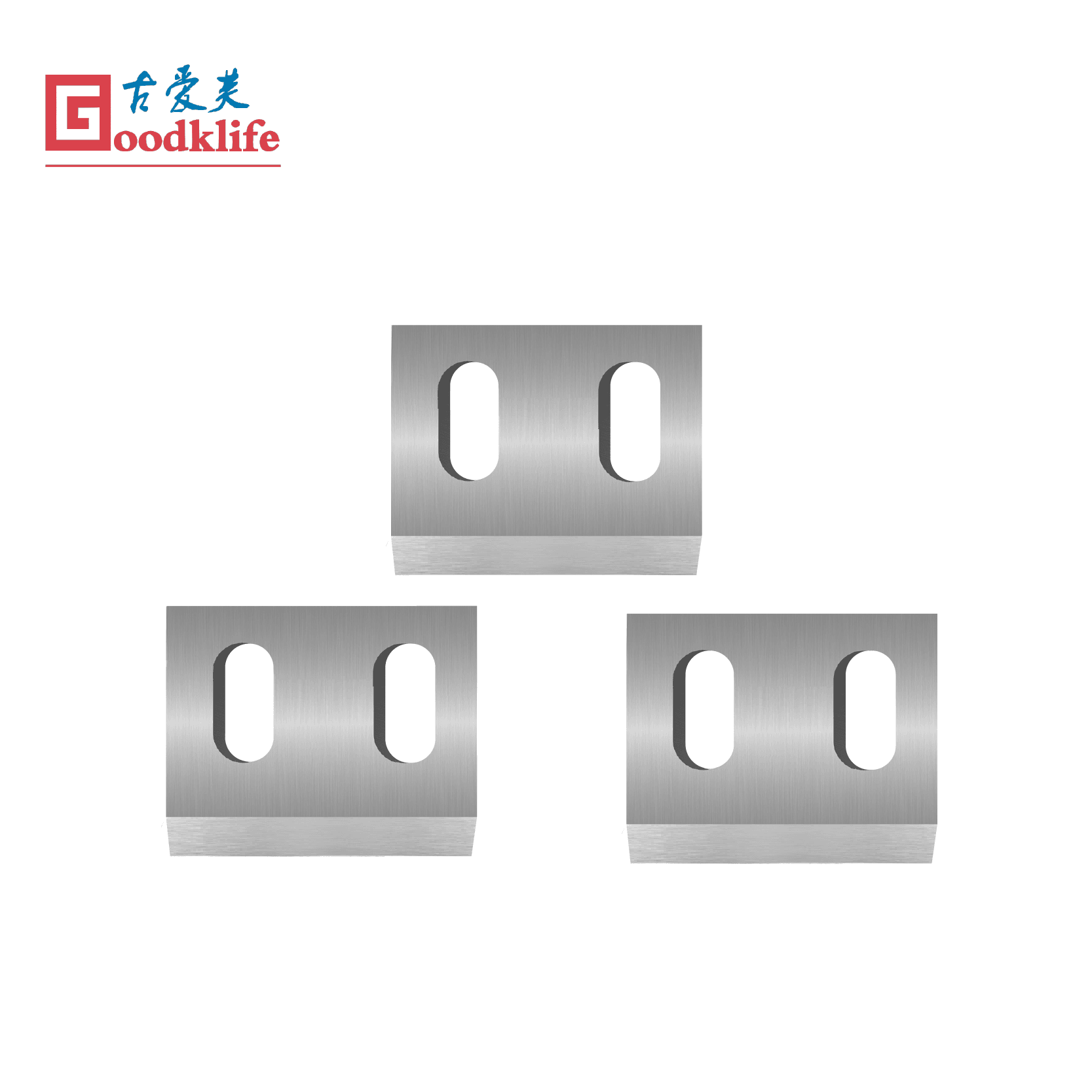
PGK-003
Bottle Granulator Insert Knife
Bottle Granulator Insert Knife is built for pet bottle granulation and bottle flake size reduction. Available in SKD11 / D2 / HSS / 9CrSi for clean regrind, stable clearance, and practical resharpening cycles. The insert-style format fits compact cutter seats and short replacement positions.
GBK-001
Granulator Bed Knife
Granulator Bed Knife is built for granulator bed knife replacement and pet bottle and rigid plastic grinding. Available in SKD11 / D2 / HSS / tungsten carbide for stable rotor clearance and consistent granulation quality. The insert-style format fits compact cutter seats and short replacement positions.
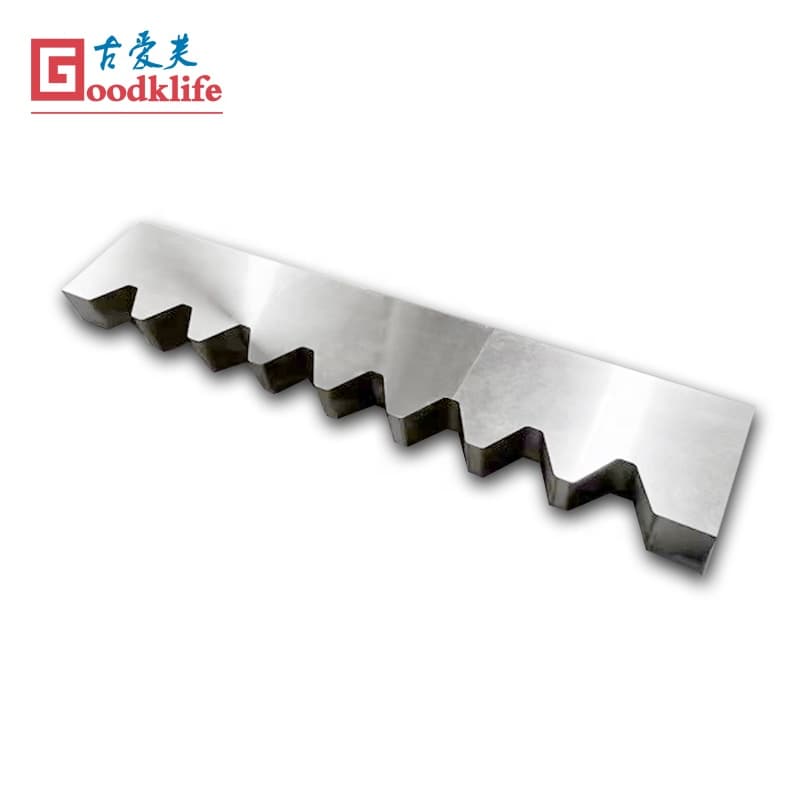
GBK-003
Rapid and Tria-Compatible Granulator Bed Knife
Rapid and Tria-Compatible Granulator Bed Knife is built for granulator bed knife replacement and pet bottle and rigid plastic grinding. Available in SKD11 / D2 / HSS / tungsten carbide for stable rotor clearance and consistent granulation quality. The insert-style format fits compact cutter seats and short replacement positions.
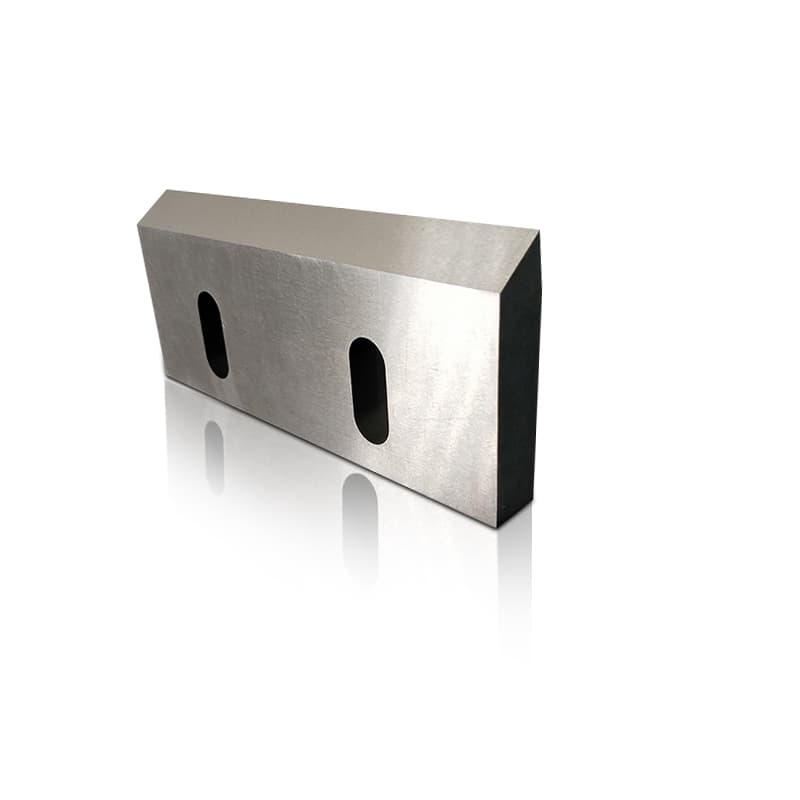
GBK-004
Granulator Stator Knife
Granulator Stator Knife is built for granulator bed knife replacement and pet bottle and rigid plastic grinding. Available in SKD11 / D2 for stable rotor clearance and consistent granulation quality. The insert-style format fits compact cutter seats and short replacement positions.
GBK-005
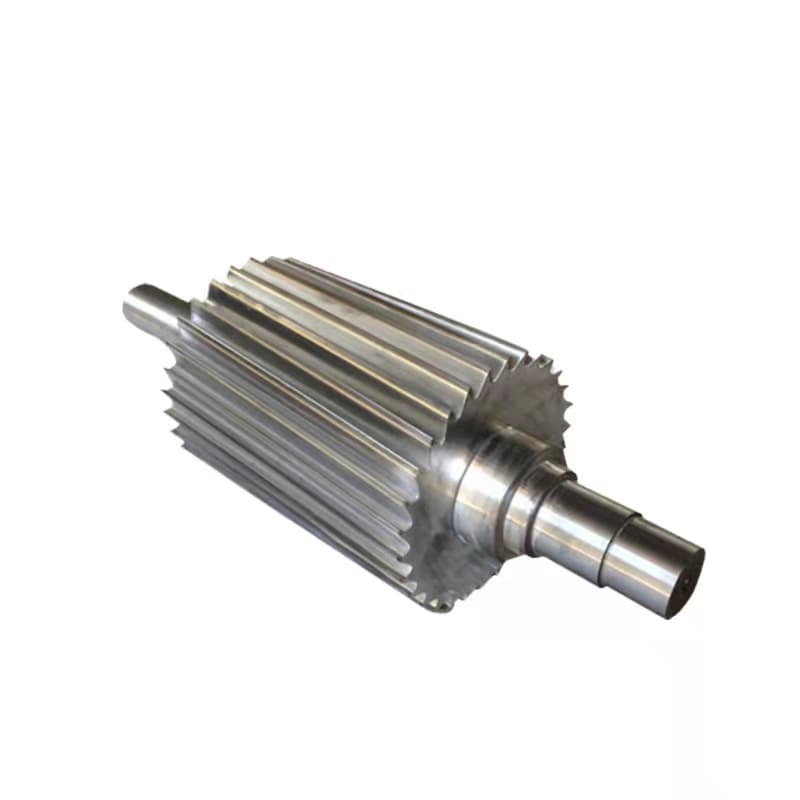
Granulator Fixed Knife
Granulator Fixed Knife is built for granulator bed knife replacement and pet bottle and rigid plastic grinding. Available in SKD11 / D2 / HSS / tungsten carbide for stable rotor clearance and consistent granulation quality. The profiled body suits fixed or rotary stations where alignment and edge exposure matter.
GBK-002
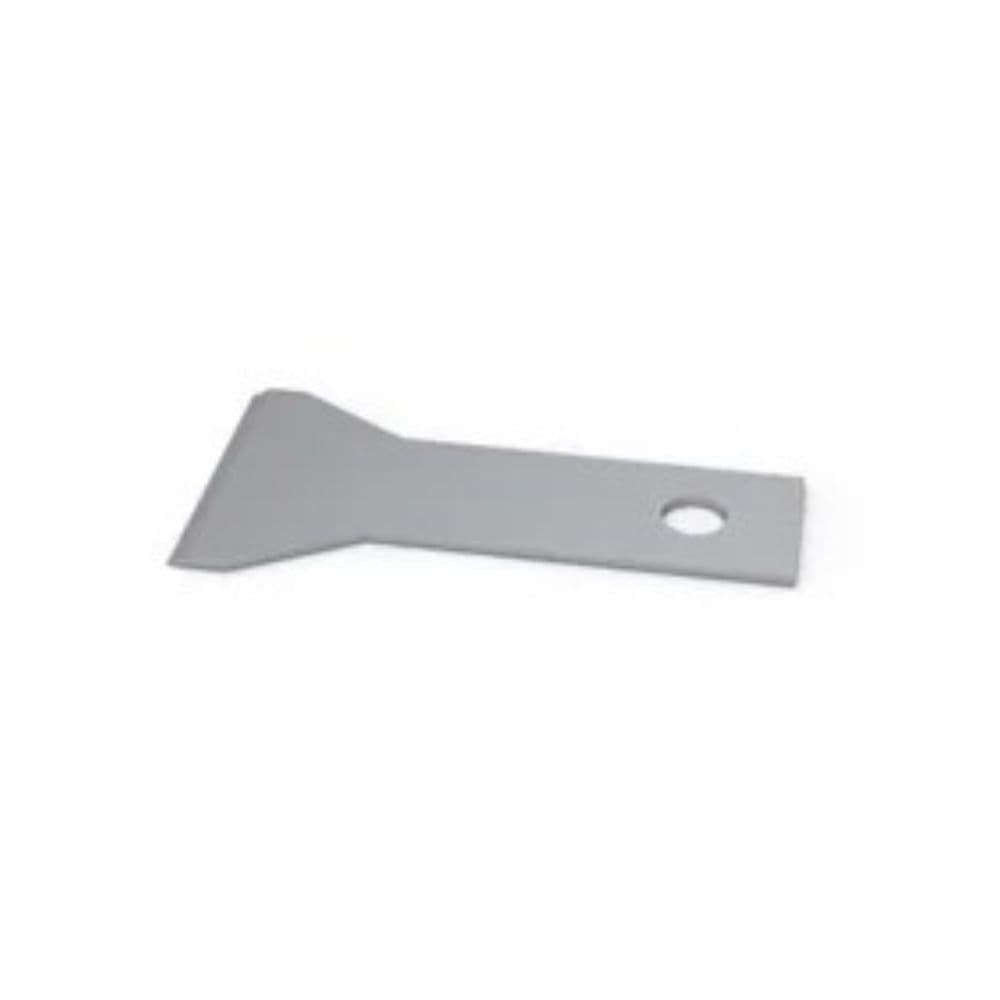
Stationary Granulator Bed Knife
Stationary Granulator Bed Knife is built for granulator bed knife replacement and pet bottle and rigid plastic grinding. Available in Alloy Steel for stable rotor clearance and consistent granulation quality. The straight edge format suits long bolt-on knife bars and clamp-mounted holders.
PCB-010
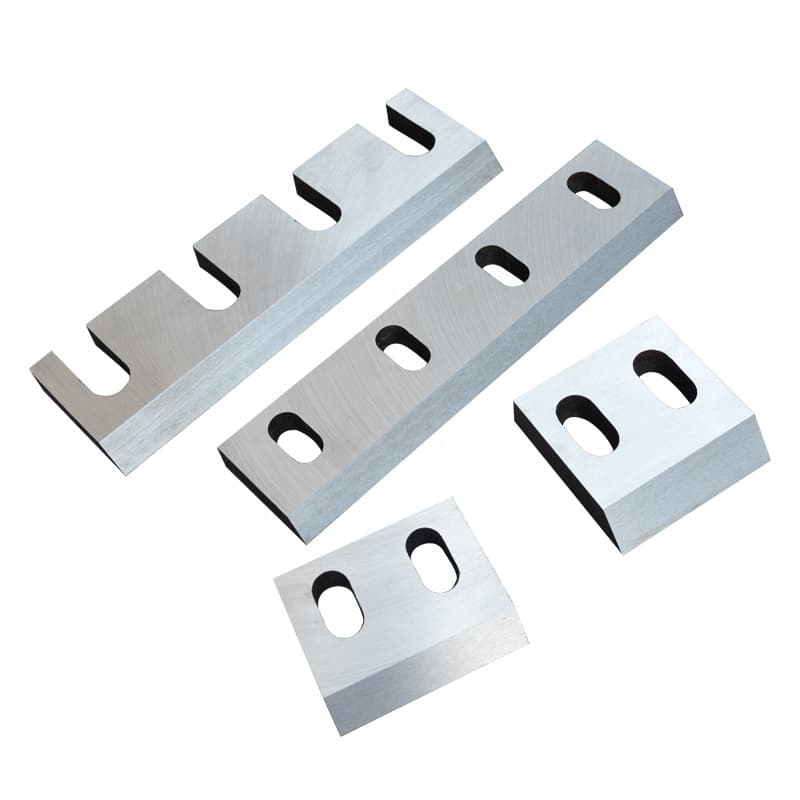
Fixed Plastic Crusher Knife
Fixed Plastic Crusher Knife is built for pet bottle crushing lines and rigid plastic size reduction. Available in D2 / SKD11 / Cr12MoV / HSS for wear resistance, stable knife clearance, and repeatable sharpening. The insert-style format fits compact cutter seats and short replacement positions.
Related knife categories
Related articles
OEM-compatible granulator bed knife RFQ guide: what buyers should confirm before ordering replacements
A source-backed buyer guide for OEM-compatible granulator bed knives, fixed-side checks, screen context, and the RFQ evidence that lowers repeat failures.
Read articleGranulator Knife Gap Checklist: Reduce Dust, Fines, and Noise
A practical rotor-to-bed-knife inspection flow for recyclers seeing dusty regrind, noisy cutting, or repeated knife damage after a blade change.
Read articleBlow Molding Granulator Knife RFQ Guide: What Bottle and Canister Processors Should Send Before Ordering
A source-backed buyer guide for blow-molding granulator knives, fixed knives, screens, and stage-fit decisions when bottle or canister rejects no longer recycle cleanly back into the process.
Read articleFAQ for PET bottle wet-grinder knives and bed-knife RFQs
Should a PET bottle wash-line RFQ say whether the complaint is wet-grinding, wash-line feed, or bottle-to-bottle quality?+
Do bed knives and fixed-side parts belong in the same RFQ as the moving rotor knife?+
Can OEM-compatible bed-knife requests be quoted from worn samples and installed photos?+
When does a PET bottle line need an upstream crushing review instead of a wet-grinder-only quote?+
Which internal pages should buyers compare next?+
Primary sources behind this PET wet-grinder guide
These official sources were used to map wet grinding, wash-line preparation, fixed-side logic, flake-quality complaints, and OEM-compatible bed-knife quoting to the machine stage Leader Blades actually supports.
EREMA
PET bottle recycling
Frames PET bottle recycling around cleanliness, decontamination, and high-standard recycled output, which helps buyers state the real reclaim target behind the knife inquiry.
View sourceKrones
Recyclable materials: PET bottles
Connects PET bottle recycling to challenges such as yellowing, discolouration, and black specks and places grinding inside a wider bottle-to-flake route.
View sourceKrones
MetaPure washing module for plastics recycling
Describes bottle-to-flake processing and highlights low fines and bottle-washing preparation signals that matter when buyers describe flake-quality complaints.
View sourceKrones
Wet grinder HydroCut
States that wet grinding combines precise cutting with initial cleaning and is designed to avoid over-grinding while preserving material integrity.
View sourceKrones
Plastics recycling solutions
Frames plastics recycling from bales toward food-grade flakes and helps buyers place wet grinding inside the broader bottle-preparation route.
View sourceRapid Granulator
Rapid FAQ
Defines the granulator cutting pair around rotating knives, fixed knife position, and screen-controlled output size.
View sourceRapid Granulator
Rapid spare parts and service
Links the right spare parts to stable regrind, less dust and fines, lower noise, and lower energy use, which supports fixed-side and bed-knife RFQ logic.
View sourceNeed PET bottle wet-grinder knives or OEM-compatible bed knives matched to the real chamber complaint?
Send the machine stage, bottle mix, flake-quality target, moving-knife photos, fixed-side photos, and the current symptom. We can review direct replacement versus a wider bed-side or stage-fit quote.