
Cutter-compactor knife RFQ guide: what film recyclers should send before ordering replacement knives
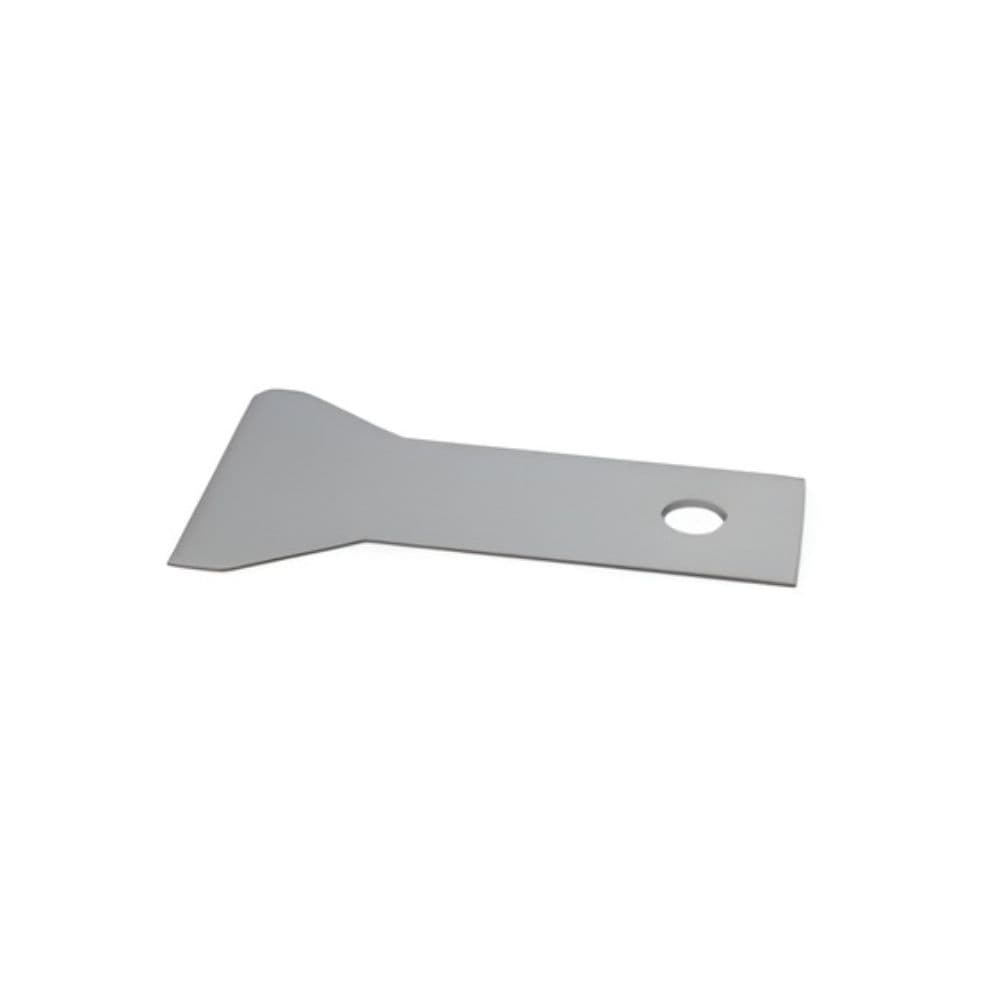
If a film recycling or repelletizing line starts running hotter in the cutter-compactor, the agglomerate becomes less stable, or pellets suddenly show more tails, dust, or startup scrap, the first RFQ question is not which steel is hardest. The first RFQ question is which machine stage is now unstable and whether the quotation is describing a knife-only replacement or a stage-to-stage process problem.
EREMA’s Counter Current article says the cutter-compactor performs cutting, homogenizing, heating, drying, compacting, buffering, and dosing in a single preparatory stage before extrusion. Herbold explains that friction at and between the compactor discs warms, dries, and compacts the material. Starlinger positions its recoSTAR dynamic line for film, fibres, and washed post-consumer waste where automation stabilizes changing feed. That combination makes the buyer conclusion clear: the cutter-compactor is not a generic knife holder. It is part of the line’s process stability.
NGR’s C:GRAN brochure adds a buyer-side warning that film or flake with up to 25% moisture can be repelletized directly after a wash line when the cutter-compactor and extrusion controls are matched to the duty. That means the RFQ should name the feed state, moisture situation, and downstream pellet complaint early. A same-geometry reorder can be mechanically correct and commercially wrong if the line’s real duty changed.
So the RFQ should start with the real context: what film the line is processing, whether the material is washed or dry, whether the compactor symptom is heat, odor, smoke, unstable intake, or rising amps, and whether the pellet stage changed at the same time. That information does more to reduce repeat failures than a bare dimensions table.
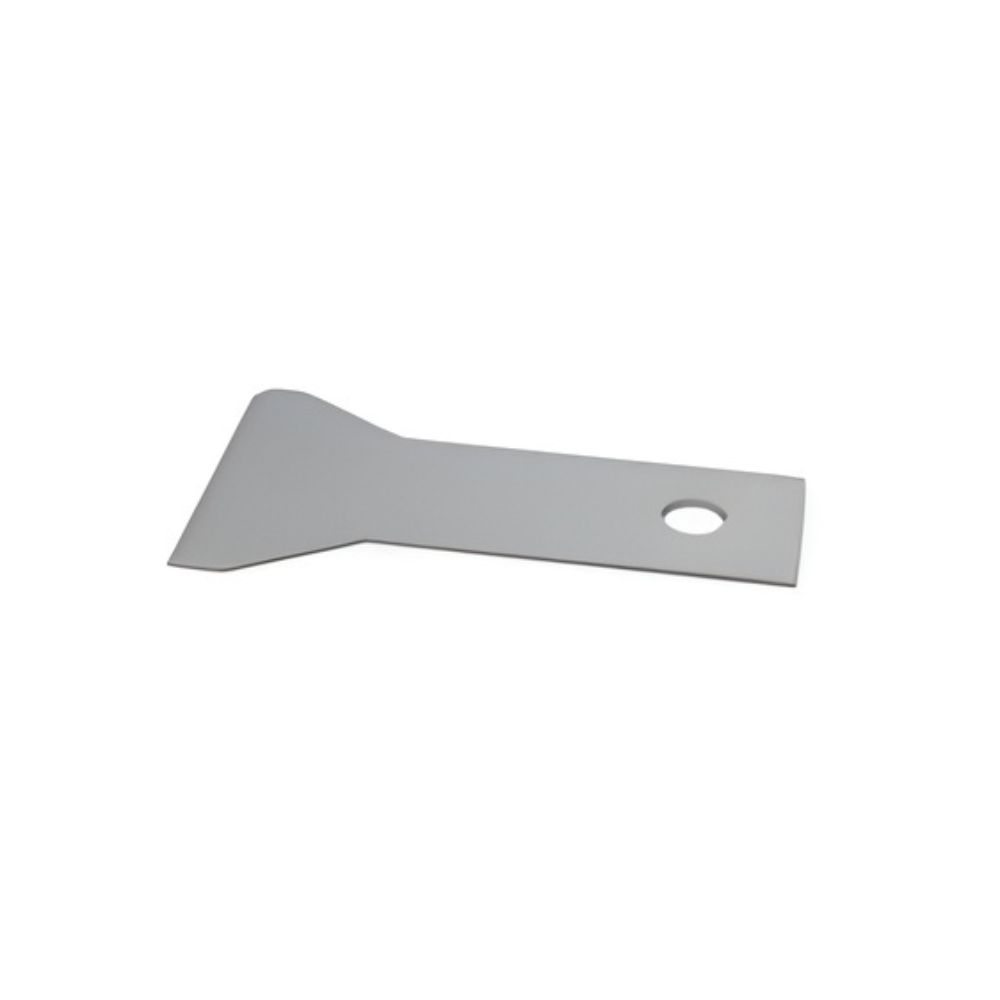
What the official machine sources say the cutter-compactor is actually doing
Official OEM sources do not describe the cutter-compactor as a narrow spare-part position. They describe it as a stage that conditions the material for the extruder. EREMA says the cutter-compactor cuts, homogenizes, heats, dries, compacts, buffers, and doses the material in a single preparatory step. Herbold says friction at and between the discs warms, dries, and compacts difficult material and improves bulk weight and flow characteristics. Those are not side notes. They explain why the RFQ has to name the real feed state and the real process complaint.
For buyers, the practical meaning is direct. If the compactor is now running hot, the intake is unstable, or the downstream pellets are no longer consistent, the supplier has to know whether the problem began with wetter flakes, dirtier post-consumer film, lower bulk density, different print or contamination, or a change in throughput. Without that context, a quotation can still reproduce the part number and still miss the line condition that changed.
This is why a cutter-compactor article should not read like a loose product label. The stage itself is doing enough process work that its RFQ has to sound more like a machine-stage review than a simple knife reorder.
Why film condition, moisture, and contamination belong in the first RFQ message
Film recycling lines often drift commercially when buyers describe the feed too loosely. “PE film” can mean dry in-house trim, washed post-consumer flakes, printed film, stretch film, raffia scrap, agricultural film, or mixed flexible material with unstable moisture. Those are not the same cutter-compactor duties. The safe quotation path changes with them.
NGR’s C:GRAN literature is especially useful here because it frames the cutter-compactor and extruder combination around low bulk density and high input moisture, and it says film or flake with up to 25% moisture can be repelletized directly downstream of a wash line when the controls are matched. Starlinger’s recoSTAR dynamic page likewise ties film and washed post-consumer waste to automation and controlled feeding. The buyer lesson is straightforward: if the material is wetter, dirtier, or less uniform than before, say so in the first email. That is not weak RFQ data. It is the most commercially useful data in the message.
Feed honesty also helps the supplier decide whether the quotation should stay at the cutter-compactor stage, widen to the pelletizer stage, or route the buyer back to the upstream film-preparation step. That decision is impossible when the RFQ hides the real feed state behind one broad polymer label.
When the cutter-compactor and pelletizer should be quoted together
If the plant sees compactor heat plus pellet tails, startup scrap, noisy cutting, or inconsistent pellet length, the safer commercial move is usually to quote the cutter-compactor and pelletizer stages together. The compactor may be the first place crews notice trouble, but the downstream pellet quality is often the signal that tells you whether the stage-to-stage handoff is still healthy.
EREMA’s Counter Current guidance and Starlinger’s automation framing both support that logic because they treat preconditioning and feeding stability as direct contributors to the final recycling result. Once the pellets change at the same time as the compactor behavior, the RFQ should stop pretending it is only a loose knife problem. That is when the buyer should compare the cutter-compactor knife, the rotary counterpart, the pelletizer cutter, and the pelletizer-blade category together.
This does not mean every compactor inquiry must become a pelletizer project. It means buyers should add the pellet-stage complaint whenever it exists, because that is usually the cheapest way to avoid a repeat shipment that solves only the visible first symptom.
Common RFQ mistakes on film-compaction and repelletizing lines
The first common mistake is to ask for “the same cutter-compactor knife again” while ignoring that the material has changed from clean in-house film to washed or post-consumer feed. The second is to quote the moving knife without showing the fixed or mating side. The third is to describe only the compactor symptom while leaving out the pellet symptom that appeared at the same time.
Another frequent mistake is to treat heat, odor, or smoke as a metallurgy problem first. Sometimes it is. But official OEM guidance shows that these lines depend on intake stability, friction behavior, drying effect, material buffering, and matched downstream feeding. If the buyer does not name what changed in the line, the supplier is forced to guess which part of that process is actually under strain.
A better RFQ habit is simple: name the real feed condition, name the machine stage under review, name the first visible symptom, and name the downstream consequence if there is one. That is how a stage-fit quotation starts instead of a repeat failure cycle.
RFQ checklist: what buyers should send before asking for price only
The fastest low-risk RFQs in this cluster combine part geometry with process evidence. Send these items in the first message where possible:
- Machine brand and model, plus whether the line is handling washed flakes, dry scrap, printed film, agricultural film, raffia, or another named feed.
- Whether the material is washed or dry, and whether unusual moisture, dirt, or contamination is now part of the duty.
- One face photo, one side-profile photo, and one installed photo of the cutter-compactor knife.
- One photo of the mating or fixed side, holder, or chamber area where that surface affects the cut.
- The current symptom: rising amps, heat, odor, smoke, unstable intake, poor densifying behavior, pellet tails, startup scrap, or noisy cutting.
- Whether the pellet stage changed at the same time and whether the buyer wants the quotation to stay at the compactor stage or widen into the pelletizer stage.
- Any old sample, current part reference, or note explaining whether the worn sample came from a stable period or from a line that was already drifting.
That checklist does more for RFQ quality than a bare knife drawing without process notes. The stage is too sensitive to feed condition for geometry alone to carry the whole decision.
Practical internal routes for buyers and service teams
If the line question is broader than one loose knife, compare this article with the film cutter-compactor solution page, the PE film recycling application guide, the agricultural film application guide, the pelletizer wear solution, and the contact page.
Then move to representative product routes such as the EREMA-compatible cutter-compactor knife, the rotary knife counterpart, the agglomerator straight knife, and the fluted pelletizer cutter. Those pages keep the RFQ tied to actual site inventory and actual machine-stage logic instead of generic film-recycling vocabulary.
FAQ for cutter-compactor knife RFQs
Do I need to mention moisture or washing status if I only want replacement knives?
Yes. Official OEM references treat moisture and feed condition as core process variables, so the supplier needs that context before recommending a knife strategy.
When should I include the pelletizer stage in the same RFQ?
Include it when pellet tails, startup scrap, noisy cutting, or unstable pellet length changed at the same time as the cutter-compactor behavior.
Can you quote from worn parts and installed photos?
In many cases, yes. Installed photos, one measured knife photo, the feed description, and the real symptom are usually enough to begin a technical review.
Is a same-shape reorder always the lowest-risk option?
No. It can be the wrong commercial choice when the feed changed from clean trim to washed or post-consumer material, when moisture changed, or when the pellet stage is already signaling instability.
Which internal pages should I compare before sending the inquiry?
Compare the film cutter-compactor solution, the PE film and agricultural-film application guides, the pelletizer wear solution, the cutter-compactor category, and the contact page.
Primary sources
This article is an original buyer-side synthesis built only from official machine-builder sources tied directly to cutter-compactor work, film preparation, and downstream repelletizing stability.
- Counter Current Principle Improves Productivity (EREMA): Says the cutter-compactor performs cutting, homogenizing, heating, drying, compacting, buffering, and dosing in a single preparatory stage before the extruder.
- Agglomeration with compactors (Herbold Meckesheim): Explains that friction at and between the compactor discs warms, dries, and compacts difficult material while improving bulk weight and flow characteristics.
- recoSTAR dynamic (Starlinger): Positions the line for film, fibres, and washed post-consumer waste and highlights automation intended to stabilize changing feed conditions.
- C:GRAN cutter-compactor-extruder combination (NGR): Says film or flake with up to 25% moisture can be repelletized directly downstream of a wash line when the cutter-compactor and extrusion system are matched to the duty.