
HDPE waste-bin and wheelie-bin recycling lines: stage-fit knives, wash-line handoff, and lower-risk RFQs
When whole HDPE waste bins or wheelie bins stop breaking down cleanly, or the second stage starts running hot or unevenly, the safer commercial move is usually to quote the shredder, crusher, granulator, and fixed-side stages together instead of reordering one knife family in isolation.
Typical field problems
- •The line still asks for a simple waste-bin shredder knife reorder even though the real complaint is already poor first-stage bite, unstable second-stage loading, or hotter granulator behavior before washing.
- •The buyer has old knives, installed photos, and a production complaint, but the RFQ still does not say whether the line handles whole post-consumer wheelie bins, bodies-only feed, or cleaner in-house reject bins.
- •The plant is now being judged by downstream flake stability, wash-line handoff, or reuse preparation, yet purchasing still describes the job like a generic rigid-plastic blade replacement.
Buyer conclusion first: if a wheelie-bin or HDPE waste-bin line now struggles to open whole bins, sends irregular pieces into the next machine, or forces the last granulation stage to run hotter and dirtier, the lower-risk RFQ is usually not a single-part reorder. The safer route is to quote the first-stage shredder family, the secondary crusher family, and the granulator fixed-side family together when the downstream complaint already crosses machine stages.
Machine-stage fit: WEIMA's trash-bin and drum page describes shredding as the first step for out-of-use HDPE drums and trash bins. WEIMA's VEOLIA success story shows a PowerLine 2500 shredding used HDPE waste bins ahead of a downstream wash line. ZERMA's ZIS datasheet positions the machine family for voluminous parts such as wheelie bins, pallets, and large drums. ZERMA's GSH granulator brochure then describes the 350/500 and 600/700 families as second-step granulators after a shredder. Those are direct buyer signals: whole-bin opening and flake control are not the same buying problem.
RFQ criteria and commercial decision logic: send the machine brand and model, the exact stage under review, whether the feed is whole wheelie bins, bodies only, or cleaner in-house reject bins, the current downstream complaint, one measured photo of the worn part, one installed-pocket or fixed-side photo, and the note on whether the next stage feeds washing, separation, or direct internal reuse. Before you ask for price only, compare this page with our new HDPE wheelie-bin application guide, our new wheelie-bin shredder-versus-granulator RFQ article, the general rigid-plastic guide, the IBC and HDPE drum guide, the granulator knife-gap checklist, and the contact page.
Why this keyword cluster is a real buyer problem, not just another broad rigid-plastic page
Wheelie bins and municipal-style HDPE waste bins sit in an awkward commercial position. They are usually larger and more hollow than many bottle or tray jobs, but they are also different from caged IBCs or thick solid purgings. That means buyers often land in the gap between a broad rigid-plastic guide and a very specific IBC guide. The search intent is not abstract. It is usually tied to one question: should the RFQ begin with the first-stage shredder family or with the downstream cutter family that is now showing the pain?
WEIMA's rigid-plastics page says the first step toward sustainable processing is shredding to produce high-quality recyclate. Its trash-bin page narrows that logic to drums and bins. Vecoplan's hollow-body-container page then shows process steps that include shredding, conveying, storing and dosing, separating, and cleaning. Put together, those official sources tell buyers that this cluster belongs on a stage-fit solution page rather than inside generic rigid-plastic copy.
That is why one page can serve multiple close search phrases at once. Buyers typing HDPE waste-bin recycling knives, wheelie-bin shredder knives, wheelie-bin granulator fixed knife, or waste-bin wash-line flake RFQ are usually working through the same commercial issue: how to restore stable stage handoff without quoting the wrong knife family first.
What the official machine-maker pages actually point buyers toward
WEIMA describes large trash bins and drums as bulky rigid items that should be shredded as the first step before later handling. Its VEOLIA case adds a highly practical buyer signal: used HDPE waste bins are being shredded with a defined downstream wash line, which means the handoff into the next stage is commercially important, not a background detail.
ZERMA's ZIS datasheet matters because it ties the wheelie-bin duty to concave-ground square cutters, machined pockets, and a chamber suited to voluminous parts. That tells buyers to talk about chamber support, indexing behavior, and large hollow-body intake when the first stage is failing. ZERMA's GSH brochure matters for the next stage because it explicitly says the 350/500 and 600/700 families can serve as second-step granulators after a shredder. That tells buyers to widen the RFQ when the first stage is already opening the bin but the later cut quality is now unstable.
Conair's 17-Series Viper sheet reinforces the second-stage logic from another OEM angle. It describes central or machine-side recycling of tough injected parts and bulky blow-molded containers, along with fixed-bed-knife pre-adjustment, a tangential chamber for pre-shredded material, and design choices aimed at higher throughput and uniform regrind. Buyers do not need to claim their wheelie-bin line is identical to every Viper application. They do need to recognize the official pattern: bulky hollow feed and pre-shredded feed change what the safer granulator RFQ should say.
Why whole wheelie bins, bodies-only feed, and cleaner in-house reject bins change the route
Whole post-consumer waste bins often behave differently from cleaner in-house reject bins or already separated bin bodies. A whole wheelie bin can bring different chamber loading, different first-contact behavior, and different stage-handoff risk than a body-only feed that is already partially opened or cleaner. That is why the first buyer note should say what the line is really feeding today instead of relying on a broad label such as "HDPE bins."
This is not a small wording issue. It changes which stage belongs first in the quote. If whole bins no longer enter or bite predictably, the first-stage shredder review is usually the right start. If the line already opens the bins but the next stage now produces hotter, dirtier, or less stable flakes, the first conversation may need to start with the crusher, granulator, or fixed side instead.
Commercially, that distinction often saves the buyer from ordering a technically plausible part for the wrong stage. A machine can still run, and still be the wrong buying starting point.
Where Leader Blades fits on the wheelie-bin and waste-bin line
Leader Blades mainly fits the cutting positions that shape stage behavior on this line:
- Single-shaft shredder knives and square cutters when whole bins or bulky hollow parts still need first-stage opening and controlled first reduction.
- Crusher blades and fixed crusher positions when the first stage already opens the bin but the second stage is now the unstable step.
- Granulator bed, fixed, and stator-side parts when the commercial complaint has moved into flake control, lower heat, fewer fines, or better wash-line handoff.
- Adjacent stage-fit review when the plant is trying to hold both bulky intake and tighter downstream particle behavior at the same time.
Start from the nearest product routes: hard-plastic single-shaft shredder knife, square single-shaft shredder knife, plastic crusher plate knife, fixed plastic crusher knife, granulator bed knife, granulator fixed knife, and granulator stator knife when the later-stage complaint already includes the fixed side.
The practical rule is to keep the quotation attached to the knife positions Leader Blades actually supplies while still stating the downstream wash-line or reuse complaint that makes those positions commercially important.
How first-stage complaints and downstream flake complaints separate the right RFQ
If the line is struggling with poor bite, bridging, erratic first reduction, or whole-bin opening, the buyer should write the RFQ around the shredder stage. That usually means chamber evidence, pocket evidence, and a clear description of how the whole bin enters the machine matter more than one extra decimal place on the loose-part sketch.
If the line already opens the bins but the second stage now sees awkward pieces, heat, more fines, or unstable flakes before washing, the complaint has moved. At that point the safer RFQ must say where the first stage stops and where the second or third stage becomes unstable. Buyers often miss that handoff, then order the right-looking part for the wrong machine stage.
The same logic matters when the complaint sounds downstream rather than mechanical. If the wash line or reuse route is already judging the line by flake consistency, not just by volume reduction, the buyer should say so directly. That tells the supplier the quote is about stage control, not about rough size reduction alone.
Why wash-line and reuse targets change the commercial answer
WEIMA's VEOLIA example and Vecoplan's process overview both point buyers toward downstream consequence. Once the line is feeding washing, separating, or cleaner reuse preparation, the plant is no longer buying only for rough breakdown. It is buying for handoff quality into the next step.
That changes the safer RFQ from "copy the old cutter" to "review the stage that is now losing control of the handoff." The buyer does not need to promise a magical service-life result. The buyer does need to describe the real downstream complaint in plain language: oversize flakes, unstable feed into washing, hotter final granulation, extra fines, or repeated shutdowns for chamber cleanup.
When the downstream target tightens, the wrong stage-fit quote becomes more expensive even if the part price looks cheaper on paper.
Expert selection notes for buyers, dealers, and service teams
The safest buying structure separates three cases. Level one is direct replacement because the line, the feed, and the downstream target are unchanged. Level two is stage review because the complaint now includes unstable handoff, hotter downstream cutting, or a changed bin mix that suggests the current knife family may no longer fit the work. Level three is line review because the complaint now links the shredder, the second reduction stage, and the final flake stage together.
Dealers should also say whether the request is emergency restart stock, a validation batch, or a planned spare program. End users should say whether the real complaint is first bite, second-stage loading, wash-line handoff, fixed-side instability, or fines. Those are different commercial situations, and clear stage language usually saves more time than a longer dimensions table.
If you are not sure where to start, compare the bulky-rigid pre-shredding solution, the general rigid-plastic guide, the IBC and drum guide, the new wheelie-bin application page, and the RFQ form. The goal is to keep the next order tied to the stage where the line is actually losing commercial control.
RFQ checklist for HDPE waste-bin and wheelie-bin jobs
The fastest low-risk RFQs combine geometry with stage evidence. Send these items in the first message where possible:
- Machine brand and model, plus the exact stage under review if known.
- Feed description: whole post-consumer wheelie bins, bodies only, cleaner in-house reject bins, or mixed bulky HDPE waste-bin feed.
- Whether the complaint begins at first bite, second reduction, or final flake control before washing or reuse.
- One measured front photo of the worn part, one side-profile photo, and one installed-pocket or fixed-side photo.
- Current symptom: poor bite, bridging, oversize first-stage output, one-sided wear, hotter granulator, more fines, or unstable wash-line feed.
- Downstream target: coarse reduction only, wash-line feed, cleaner reuse preparation, or another named internal process.
- Whether the request is direct replacement, trial batch, emergency shutdown stock, or a wider stage-fit review.
If you only have worn parts and phone photos, say that directly. In aftermarket rigid-plastic work, that is normal. Clear photos, the real feed description, and the real stage complaint are usually enough to start technical review.
Common buyer mistakes on wheelie-bin RFQs
The first common mistake is hiding the downstream complaint. A supplier can copy the old shape and still miss that the real problem is the handoff into the next stage or the fixed-side condition at the final cut.
The second common mistake is calling the whole line a generic rigid-plastic job. Official machine-maker pages do not do that. They keep separating large hollow-body intake, second-step granulation, and downstream cleaning or reuse for a reason.
The third common mistake is quoting whole-bin duty and later-stage flake control as if they belonged to one identical replacement part. That is the fastest way to turn one bad reorder into a second one.
Primary sources
This solution page is an original buyer-side synthesis built only from official machine-maker pages and datasheets relevant to HDPE waste bins, wheelie bins, rigid hollow containers, and second-stage granulation.
Example parts from our catalog
Close shapes for quoting—send ruler photos or drawings so the factory confirms fit before you lock in quantity.
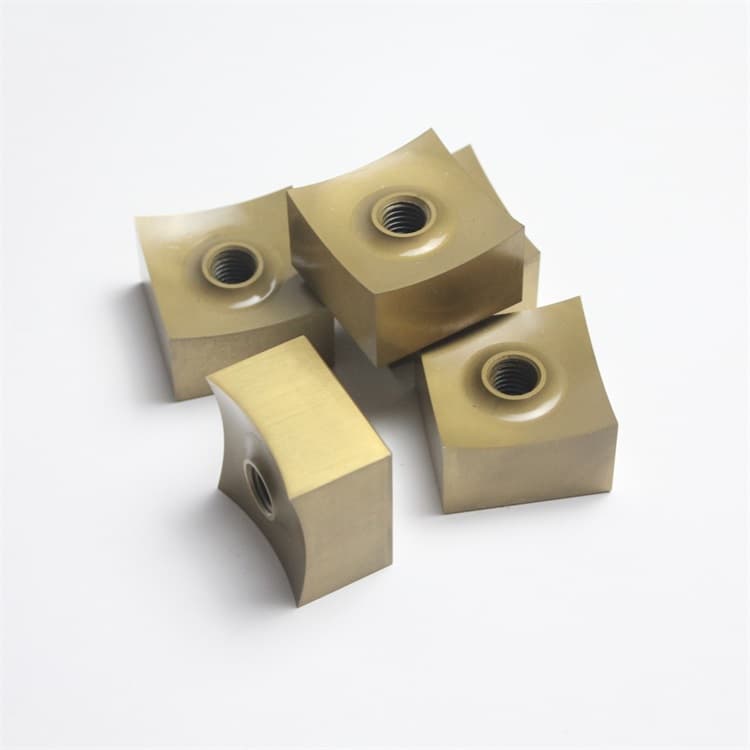
SSK-006
Hard Plastic Single-Shaft Shredder Knife
Hard Plastic Single-Shaft Shredder Knife is built for single-shaft shredders and film and woven bag shredding. Available in D2 / SKD11 / carbide-tipped alloy steel for wear resistance and repeated indexing in shredder rotors. The cutter geometry suits stacked shredder rotors and indexable cutter assemblies.
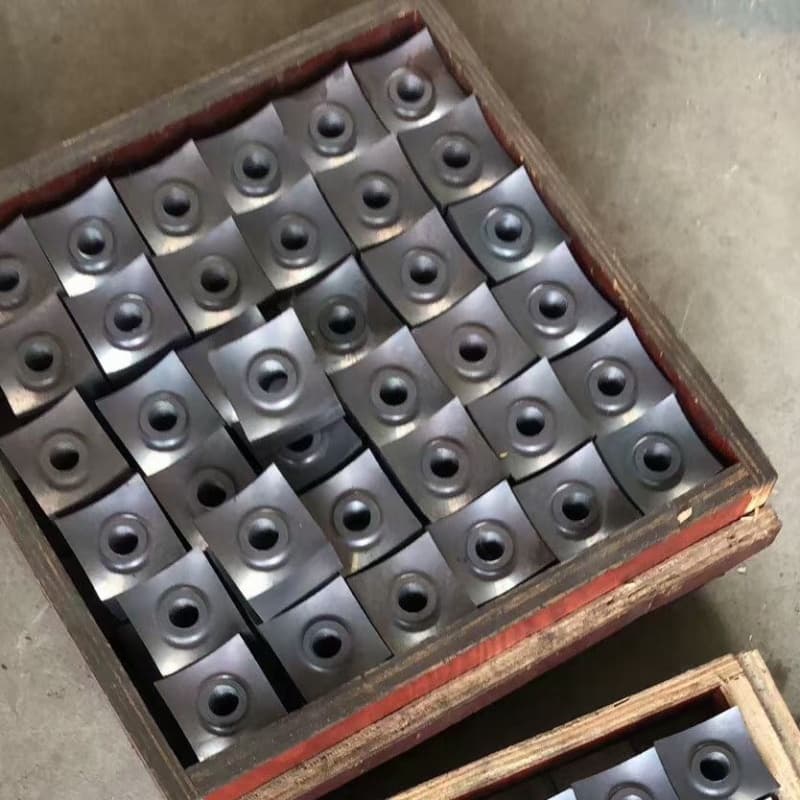
SSK-005
Square Single-Shaft Shredder Knife
Square Single-Shaft Shredder Knife is built for single-shaft shredders and film and woven bag shredding. Available in D2 / SKD11 / carbide-tipped alloy steel for wear resistance and repeated indexing in shredder rotors. The square insert format supports multi-edge indexing on rotor assemblies.
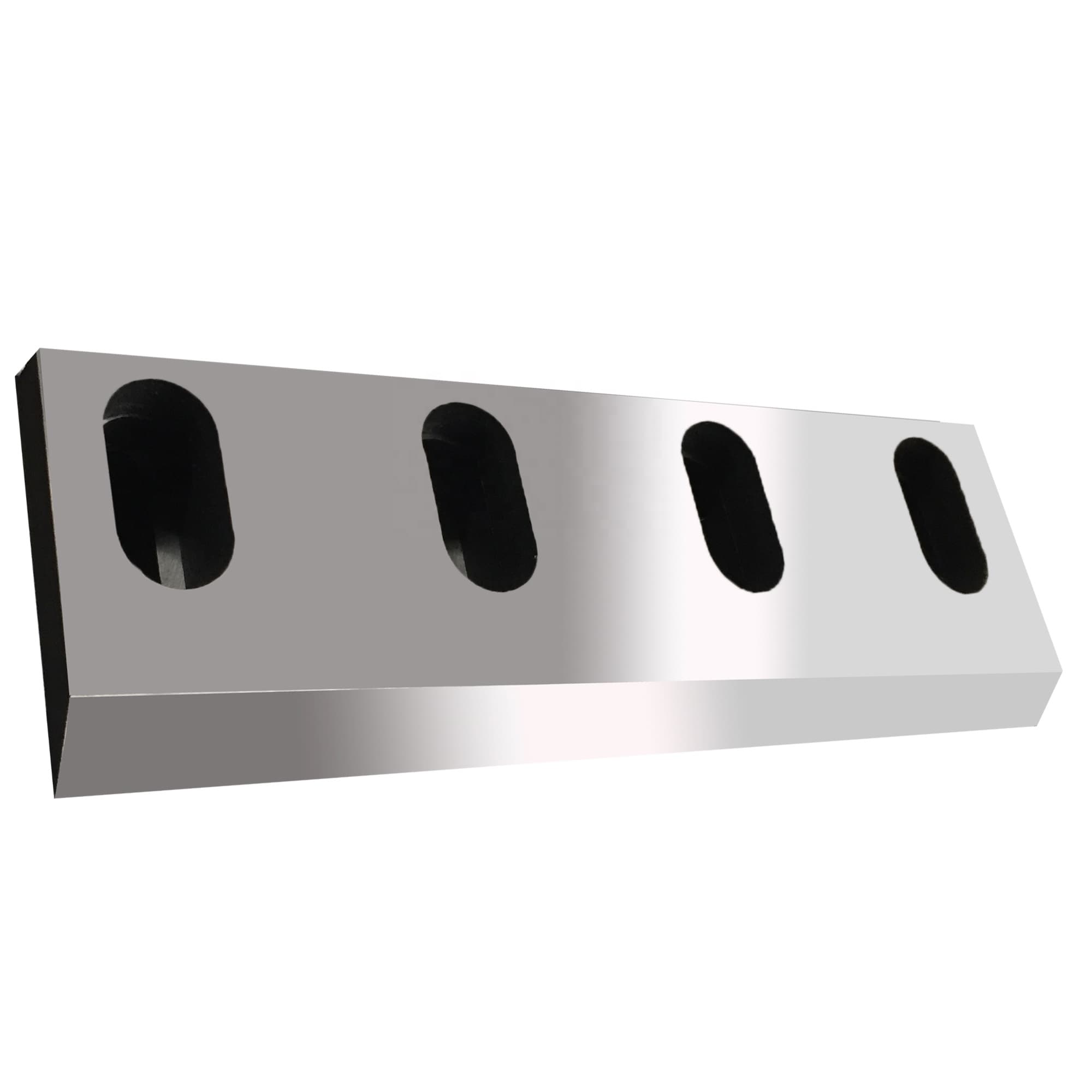
PCB-002
Plastic Crusher Plate Knife
Plastic Crusher Plate Knife is built for pet bottle crushing lines and rigid plastic size reduction. Available in SKD11 / 9CrSi for wear resistance, stable knife clearance, and repeatable sharpening. The straight edge format suits long bolt-on knife bars and clamp-mounted holders.
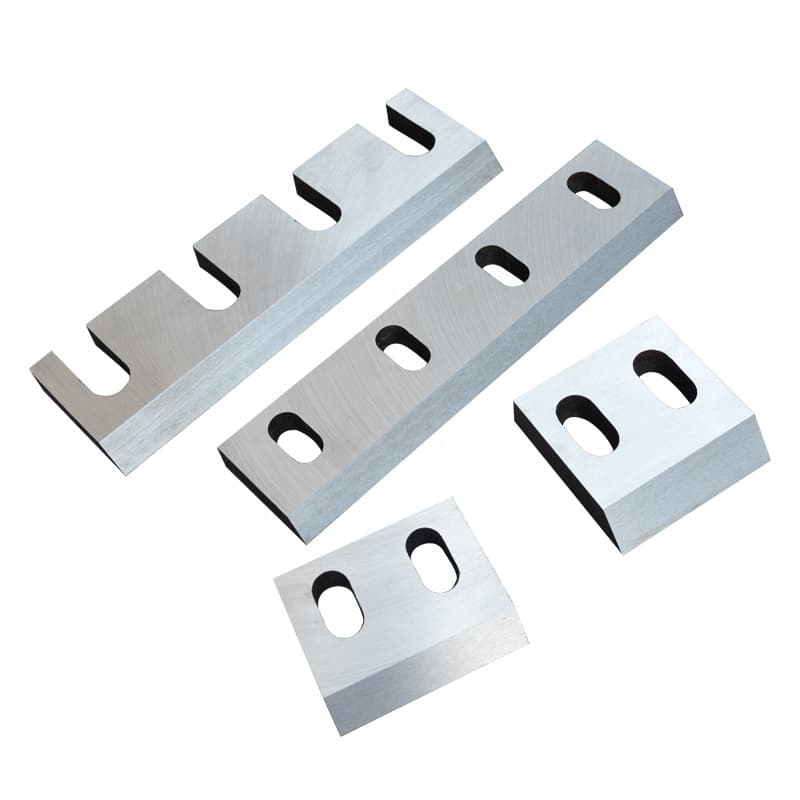
PCB-010
Fixed Plastic Crusher Knife
Fixed Plastic Crusher Knife is built for pet bottle crushing lines and rigid plastic size reduction. Available in D2 / SKD11 / Cr12MoV / HSS for wear resistance, stable knife clearance, and repeatable sharpening. The insert-style format fits compact cutter seats and short replacement positions.
GBK-001
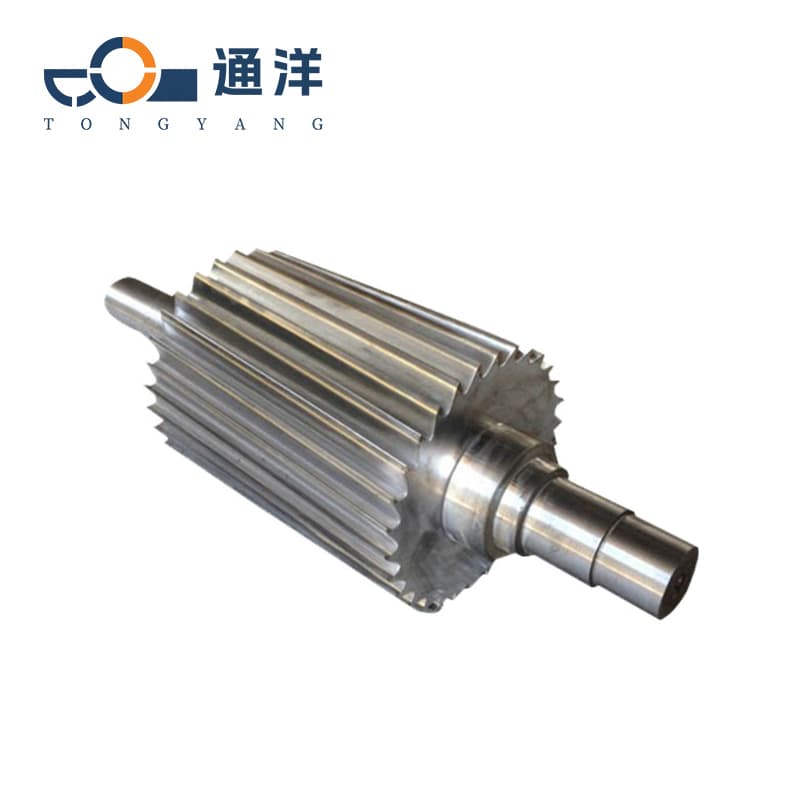
Granulator Bed Knife
Granulator Bed Knife is built for granulator bed knife replacement and pet bottle and rigid plastic grinding. Available in SKD11 / D2 / HSS / tungsten carbide for stable rotor clearance and consistent granulation quality. The insert-style format fits compact cutter seats and short replacement positions.
GBK-005
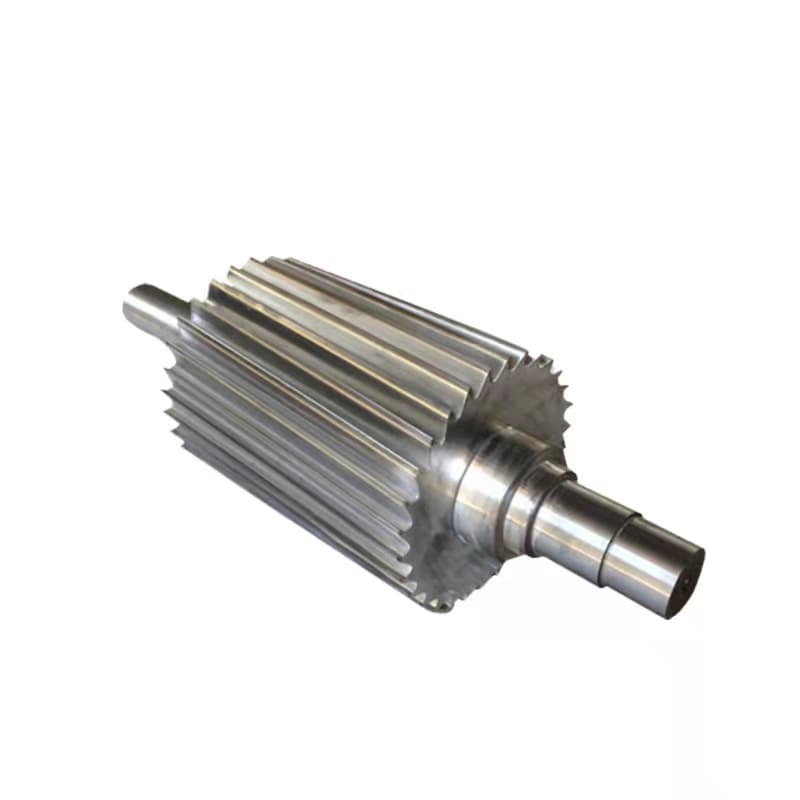
Granulator Fixed Knife
Granulator Fixed Knife is built for granulator bed knife replacement and pet bottle and rigid plastic grinding. Available in SKD11 / D2 / HSS / tungsten carbide for stable rotor clearance and consistent granulation quality. The profiled body suits fixed or rotary stations where alignment and edge exposure matter.
GBK-004
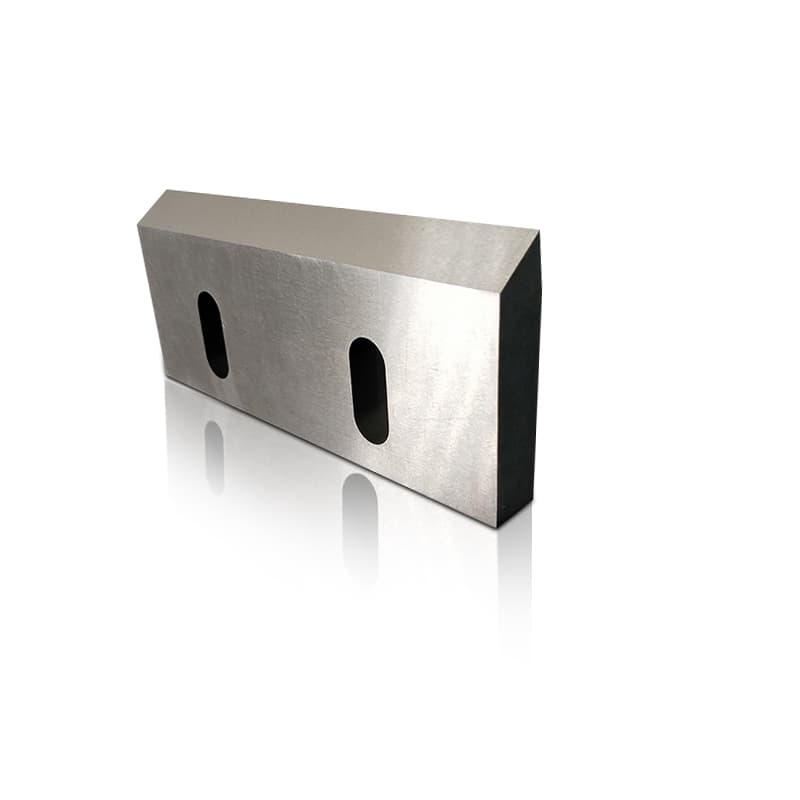
Granulator Stator Knife
Granulator Stator Knife is built for granulator bed knife replacement and pet bottle and rigid plastic grinding. Available in SKD11 / D2 for stable rotor clearance and consistent granulation quality. The insert-style format fits compact cutter seats and short replacement positions.
Related catalog categories
Deep reading
Wheelie-bin shredder vs granulator RFQ guide: what HDPE waste-bin buyers should confirm before ordering knives
A source-backed buyer guide for deciding whether a wheelie-bin knife RFQ belongs with the first-stage shredder family or with the later crusher and granulator stages first.
Read articleGranulator Knife Gap Checklist: Reduce Dust, Fines, and Noise
A practical rotor-to-bed-knife inspection flow for recyclers seeing dusty regrind, noisy cutting, or repeated knife damage after a blade change.
Read articleSingle-Shaft Shredder Knife Indexing: Buyer RFQ Guide
An original buyer guide built from official machine documentation: when indexing helps, when chamber wear matters more, and what to send before requesting a quote.
Read article
Need this applied to your line?
Mention this solution hub in your message so sales engineering opens the thread with the right checklist.