
PET bottle wet grinding and flake quality: stage-fit knives, bed-side checks, and lower-risk RFQs
When a PET bottle line starts making more fines, noisier cuts, or less stable flakes, the safer commercial move is usually to quote the wet-grinding stage, fixed-side condition, and flake target together instead of repeating a generic bottle-knife reorder.
Typical field problems
- •The plant still asks for PET bottle recycling knives in broad terms even though the real complaint is already wet-grinding fines, unstable flake, black-speck risk, noisy cutting, or poor bite at the chamber.
- •The buyer has rotor-knife dimensions and an old bed-knife sample, but the RFQ still ignores the fixed side, screen context, and downstream flake-quality target that now decides whether the reorder is commercially safe.
- •The line is feeding a stricter wash route, bottle-to-bottle route, or cleaner-flake program than before, yet purchasing is still describing the job like a generic granulator replacement.
Buyer conclusion first: if a PET bottle wet-grinding line now makes more fines, more heat, noisier cutting, unstable flakes, or more visible fixed-side wear, the lower-risk RFQ is usually not a moving-knife-only reorder. The safer route is to quote the rotor-knife family, the bed-knife and fixed-side family, and the actual flake-quality complaint together. Official PET recycling and granulator sources keep describing wet grinding, fixed-side control, and output quality as a connected machine stage.
Machine-stage fit: Krones' HydroCut page says wet grinding combines precise cutting with initial cleaning and is designed to avoid over-grinding while preserving material integrity. Rapid's FAQ explains that a granulator cuts with rotating knives against a fixed knife position and that the screen controls output size. Those are direct buyer signals: in wet grinding, the fixed side and the output target belong in the same quote as the moving knife.
RFQ criteria and commercial decision logic: send the machine brand and model, the exact wet-grinding stage under review, the bottle-feed condition, the flake-quality complaint, one measured moving-knife photo, one bed-side or fixed-side photo, and the note on whether the route is standard wash-line prep or a stricter reclaim target. Before sending the inquiry, compare this page with our PET bottle wet-grinder application guide, the OEM-compatible bed-knife RFQ article, the general PET bottle recycling guide, the granulator knife-gap checklist, and the contact page.
Why this keyword cluster is a real buying problem, not a broad PET recycling topic
Buyers searching around PET wet grinding and flake quality are rarely looking for a generic recycling overview. They are usually trying to work out whether the line has become too fine, too dusty, too noisy, or too unstable at the exact stage where bottle pieces are reduced into wash-line-ready or reclaim-ready flakes. That is why this cluster belongs on a commercial solution page instead of being diluted across general bottle recycling copy.
Krones' MetaPure washing-module page frames bottle recycling as a bottle-to-flake route where grinding, washing, and contamination release are part of one preparation system. EREMA's PET bottle recycling page pushes the output logic further by framing the route around cleanliness and demanding recycled output. Put together, those official sources tell buyers something simple: if the line is being judged by flake quality, then the wet-grinding RFQ should be written around the quality target, not around a loose blade outline alone.
This is why one strong page can serve several close search phrases at once. Buyers typing PET wet-grinder knives, PET flake-quality knife RFQ, PET bed knife for wet grinding, or bottle wash-line granulator fixed knife are usually describing the same commercial problem: how to restore stable wet grinding without quoting the wrong knife family or ignoring the fixed side.
What the official machine-maker pages actually point buyers toward
Krones' materials page identifies yellowing, discolouration, and black specks as real PET bottle recycling challenges. HydroCut adds the specific buyer signal that wet grinding is built around precise cutting while avoiding over-grinding. Krones' plastics-recycling overview places grinding inside a broader bottle-preparation route. Those references do not say that the knife supplier controls the entire line. They do say that the grinding stage is commercially judged by the downstream condition of the flakes.
Rapid's spare-parts page is just as important from the replacement-parts side because it ties the right spare parts to stable regrind, fewer rejects, less dust and fines, lower noise, and lower energy consumption. That language matters in procurement. It means a bed-knife or fixed-side RFQ should not hide the current symptom. Dust, fines, heat, and unstable flake are buyer-side selection signals, not maintenance trivia.
The practical conclusion is that PET wet grinding is not only about matching a blade shape. It is about matching a blade family, a fixed-side condition, and a downstream flake expectation to the exact machine stage that is now underperforming.
Why wet grinding is its own machine stage, not just another rigid-plastic reorder
Wet grinding sits at a narrower point in the line than many buyers first describe. A general PET bottle page can cover bottle reduction, rigid-plastic preparation, or broad regrind routing. Wet grinding is more specific. It sits where the chamber, the cutting pair, and the output target are already being judged by flake behavior before later washing, decontamination, or bottle-to-bottle stages take over.
That stage distinction becomes more important when the plant changes bottle mix, contamination level, label load, or the downstream quality standard. The line might still be called "PET recycling" in a purchasing email, but the RFQ now belongs to a more quality-sensitive machine stage. If the reclaim target changed, the knife request should say so directly.
For buyers, that is the difference between an RFQ that gets a mechanically plausible answer and an RFQ that gets a commercially safer answer. If the line is already under pressure on fines, flake appearance, or stable preparation, the wet-grinding stage should be named first and the geometry second.
Where Leader Blades fits on the wet-grinding side of the PET bottle line
On this stage, Leader Blades mainly fits the cutting positions that shape bottle flakes before later wash or reclaim steps:
- Rotor or moving granulator knives where bottle pieces or prepared rigid PET feed are reduced into wet-ground flakes.
- Bed knives, stator-side parts, and fixed-side positions where chamber stability, bite, and output consistency depend on the fixed edge just as much as on the moving edge.
- OEM-compatible bed knives where buyers need a lower-risk aftermarket route for existing machine platforms and want to anchor the RFQ in installed evidence.
- Adjacent upstream crusher blades when the real complaint began before wet grinding and the feed now arrives less evenly prepared than it used to.
For the closest product routes, compare the bottle granulator insert knife, the granulator bed knife, the Rapid and Tria-compatible bed knife, the granulator stator knife, and the fixed plastic crusher knife when upstream preparation belongs in the complaint.
The commercial rule is to keep the quotation attached to the exact positions Leader Blades actually supplies while still stating the wash-line or reclaim target that makes those positions important.
How fines, over-grinding, black-speck complaints, and wash-line targets change the RFQ
If the visible complaint is really fines, black-speck risk, over-grinding, unstable flake size, or a noisier chamber after maintenance, the RFQ should say that in plain language. Krones already frames black specks and discolouration as real PET recycling problems, while HydroCut explicitly frames wet grinding around controlled cutting and avoidance of over-grinding. That means the buyer does not gain anything by hiding the symptom behind a broad "replacement knives" request.
The output target matters too. Some lines are preparing general wash-line feed. Others are trying to support cleaner flakes, stricter contamination control, or a higher-value reclaim route. EREMA is useful here because it frames PET bottle recycling around high-standard recycled output and cleanliness. The knife supplier does not claim the whole bottle-to-bottle process, but the RFQ should still state whether the cutting stage is now being judged more strictly than before.
Commercially, that often changes the safer quote from "copy the old blade" to "review the cutting pair and fixed side with the new quality target in mind." The line may still use the same machine, but the standard for acceptable flake has changed.
Why the fixed side, screen context, and OEM-compatible evidence belong in the same message
Rapid's FAQ ties the cutting result to the moving knife, the fixed knife position, and the screen that controls output size. Rapid's spare-parts page ties the right spare parts to lower fines, lower noise, and more stable output. Those official signals explain why bed-side RFQs should rarely be written as if the moving knife were independent.
For buyers, that means installed fixed-side photos and chamber notes are often more valuable than one more decimal place on the loose-part sketch. If the complaint is fines, poor bite, noisy cutting, unstable flakes, or shorter life after a maintenance change, the supplier needs to see whether the fixed side, the bed side, or the output-control condition already belongs to the failure pattern.
This is especially true on OEM-compatible jobs. A compatible part family is useful as a starting point, but the installed chamber evidence is what tells the supplier whether the safer quote is direct replacement or a broader chamber review. That is why this page should be read together with the OEM-compatible bed-knife RFQ article before the order is placed.
Expert selection notes for buyers, dealers, and service teams
The safest buying structure separates three situations. Level one is direct replacement because the machine, bottle mix, and flake target are unchanged. Level two is cutting-pair review because the complaint now includes fines, black-speck concern, poor bite, noise, or shorter life that suggests the fixed side belongs in the quote. Level three is stage-fit review because the upstream preparation, contamination level, or downstream quality target changed enough that the wet-grinding complaint may no longer be knife-only.
Dealers should also say whether the request is for emergency restart stock, a validation batch, or a planned spare program. End users should say whether the line is losing stability on bite, on fines, on flake consistency, or on downstream wash-line performance. Those are different commercial situations, and clear stage language usually saves more time than a longer dimensions table.
If you are not sure where to begin, compare the granulator-knife category, the bed-knife category, the granulator rotor and hob cutter solution, the PET wet-grinder application guide, and the RFQ form. The goal is to keep the next order tied to the real stage where the line is losing control.
RFQ checklist for PET wet-grinding and flake-quality jobs
The fastest low-risk RFQs combine geometry with the real flake complaint. Send these items in the first message where possible:
- Machine brand and model, plus whether the request is strictly wet grinding or part of a wider bottle-preparation review.
- Feed description: whole bottles, de-baled bottles, more label-heavy bottles, more contaminated bottle mix, or pre-crushed rigid PET feed.
- The downstream target: wash-line feed, cleaner flakes, lower fines, bottle-to-bottle preparation, or another named reclaim route.
- One measured front photo of the moving knife, one side-profile photo, and installed photos of the bed side or fixed side.
- Screen note or output-control note if known, plus any comment on when the complaint began.
- Current symptom: fines, noise, poor bite, unstable flake size, black-speck concern, over-grinding, or shorter life.
- Whether the request is direct replacement, a validation batch, or a wider OEM-compatible bed-side review.
If you only have worn parts and phone photos, say that directly. In aftermarket PET wet-grinding work, that is normal. Clear installed photos, the machine stage, and the plain production complaint are usually enough to begin technical review.
Common buyer mistakes on PET wet-grinding RFQs
The first common mistake is sending only the moving-knife dimensions while hiding the actual production complaint. The supplier can copy the shape and still miss that the line is really losing control on the fixed side or on the downstream flake target.
The second common mistake is treating all PET bottle knife jobs as one broad recycling category. Official machine-maker material does not do that. It keeps separating wet grinding, washing, and high-quality reclaim routing for a reason.
The third common mistake is using OEM-compatible language without chamber evidence. Compatibility is a useful routing signal, but installed photos and the real symptom are what make the quote safer when the line is already unstable.
Primary sources
This solution page is an original buyer-side synthesis built from official PET bottle recycling and granulator references. The source labels stay neutral while the attribution remains in the URL.
Example parts from our catalog
Close shapes for quoting—send ruler photos or drawings so the factory confirms fit before you lock in quantity.
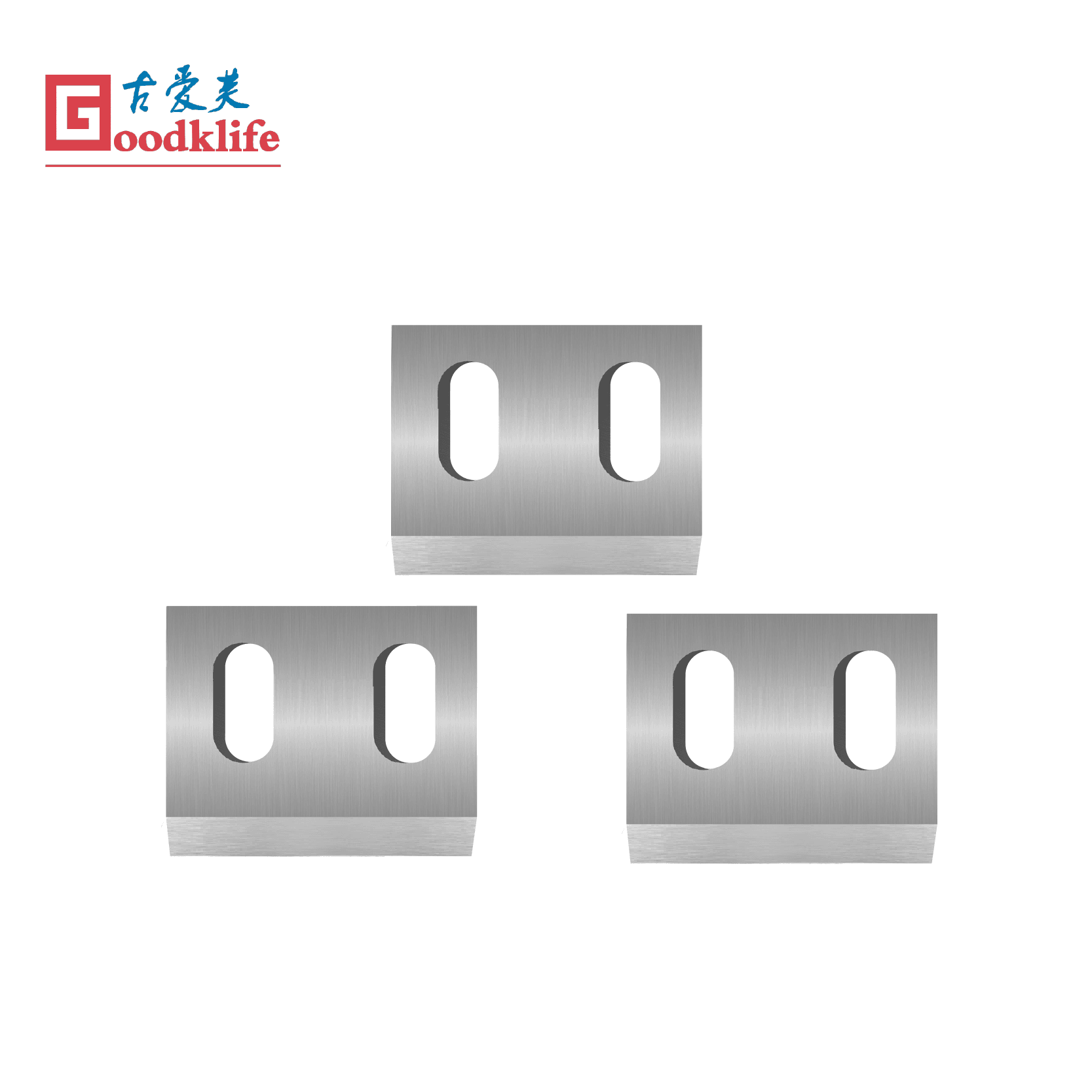
PGK-003
Bottle Granulator Insert Knife
Bottle Granulator Insert Knife is built for pet bottle granulation and bottle flake size reduction. Available in SKD11 / D2 / HSS / 9CrSi for clean regrind, stable clearance, and practical resharpening cycles. The insert-style format fits compact cutter seats and short replacement positions.
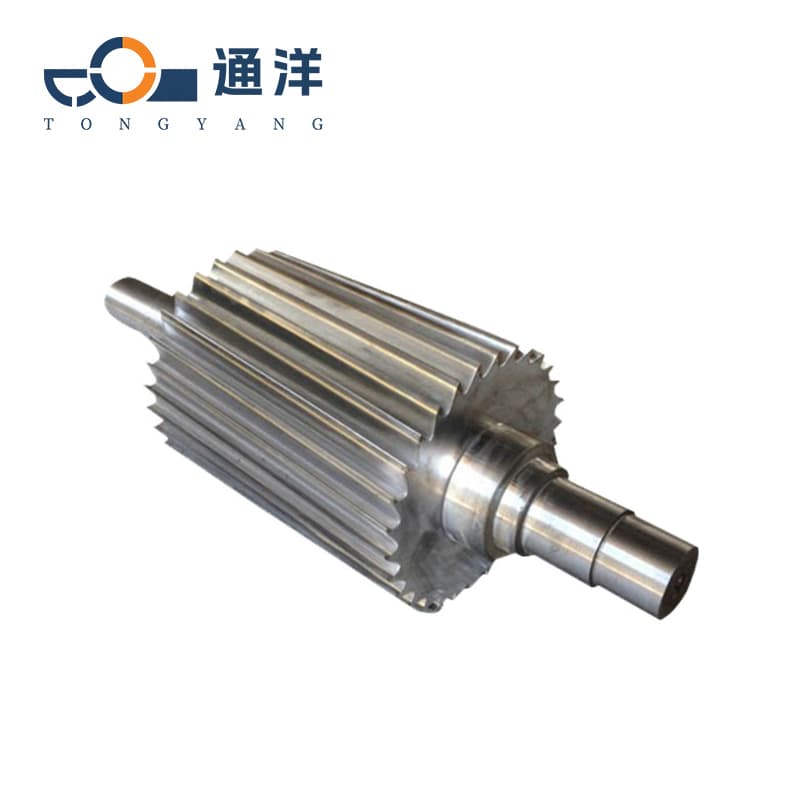
GBK-001
Granulator Bed Knife
Granulator Bed Knife is built for granulator bed knife replacement and pet bottle and rigid plastic grinding. Available in SKD11 / D2 / HSS / tungsten carbide for stable rotor clearance and consistent granulation quality. The insert-style format fits compact cutter seats and short replacement positions.
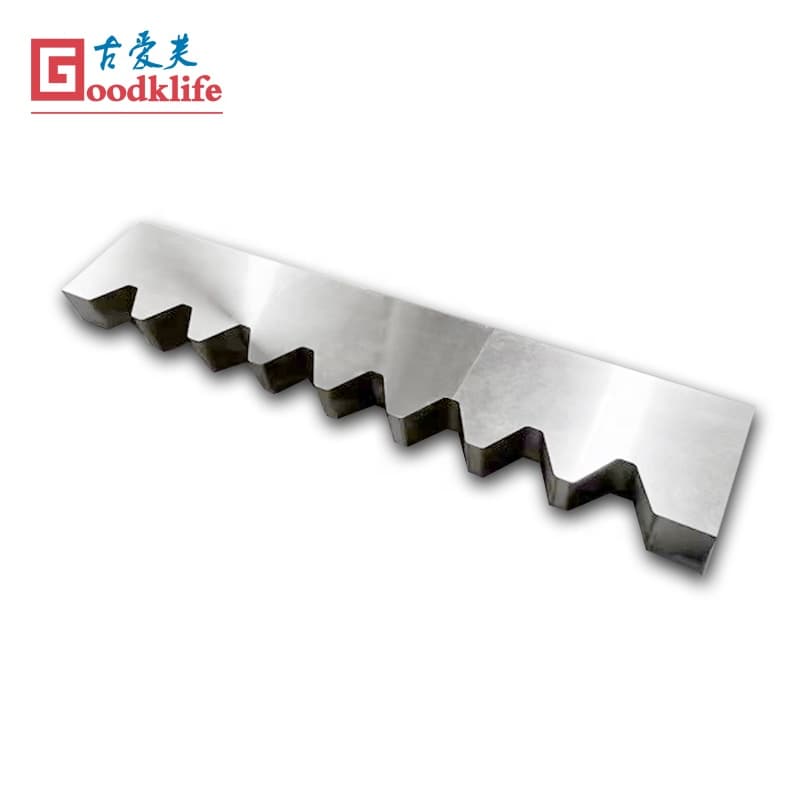
GBK-003
Rapid and Tria-Compatible Granulator Bed Knife
Rapid and Tria-Compatible Granulator Bed Knife is built for granulator bed knife replacement and pet bottle and rigid plastic grinding. Available in SKD11 / D2 / HSS / tungsten carbide for stable rotor clearance and consistent granulation quality. The insert-style format fits compact cutter seats and short replacement positions.
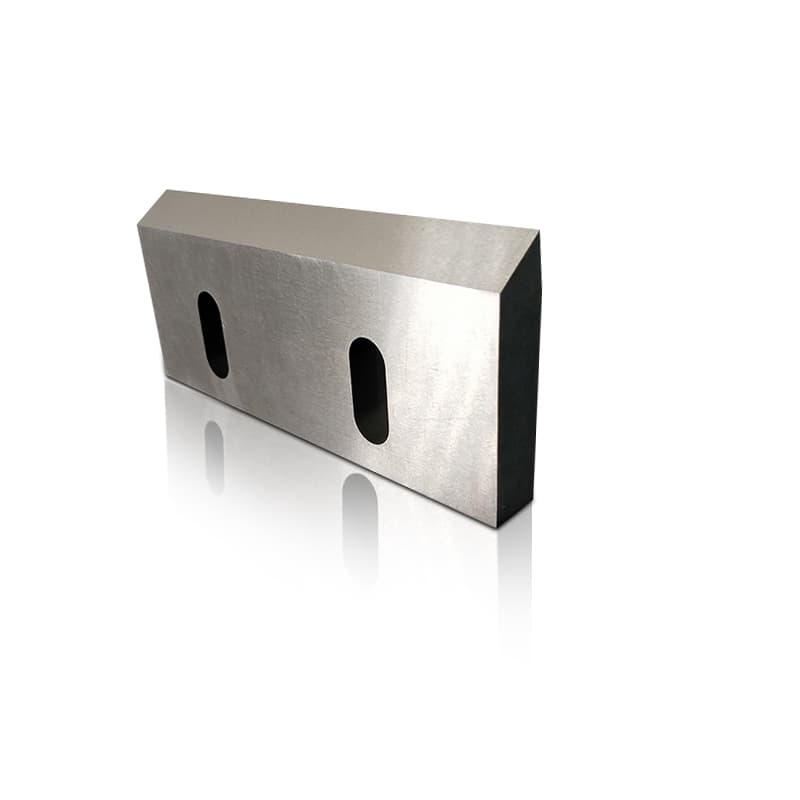
GBK-004
Granulator Stator Knife
Granulator Stator Knife is built for granulator bed knife replacement and pet bottle and rigid plastic grinding. Available in SKD11 / D2 for stable rotor clearance and consistent granulation quality. The insert-style format fits compact cutter seats and short replacement positions.
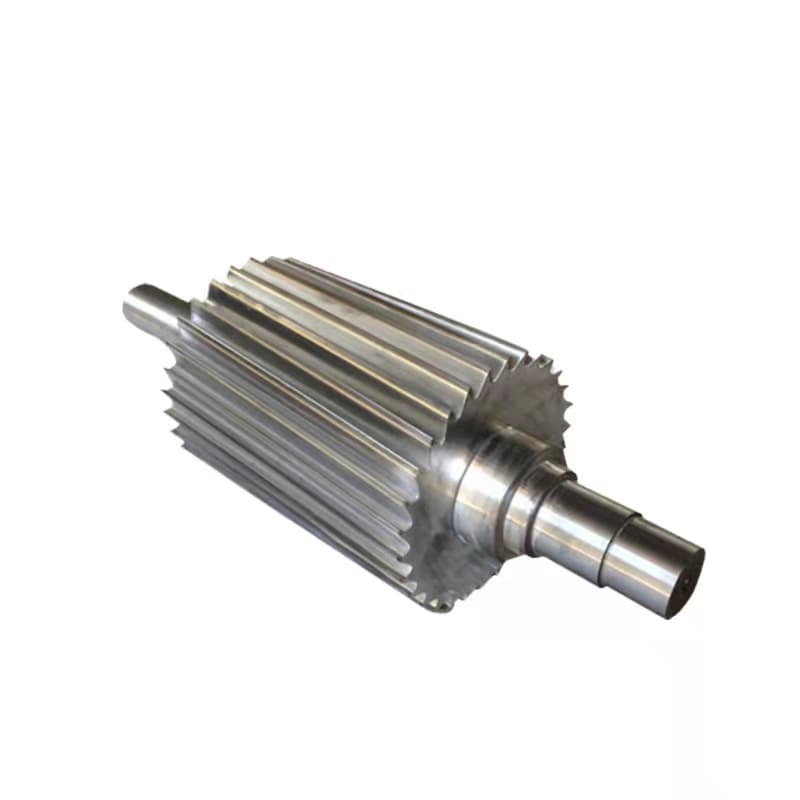
GBK-005
Granulator Fixed Knife
Granulator Fixed Knife is built for granulator bed knife replacement and pet bottle and rigid plastic grinding. Available in SKD11 / D2 / HSS / tungsten carbide for stable rotor clearance and consistent granulation quality. The profiled body suits fixed or rotary stations where alignment and edge exposure matter.
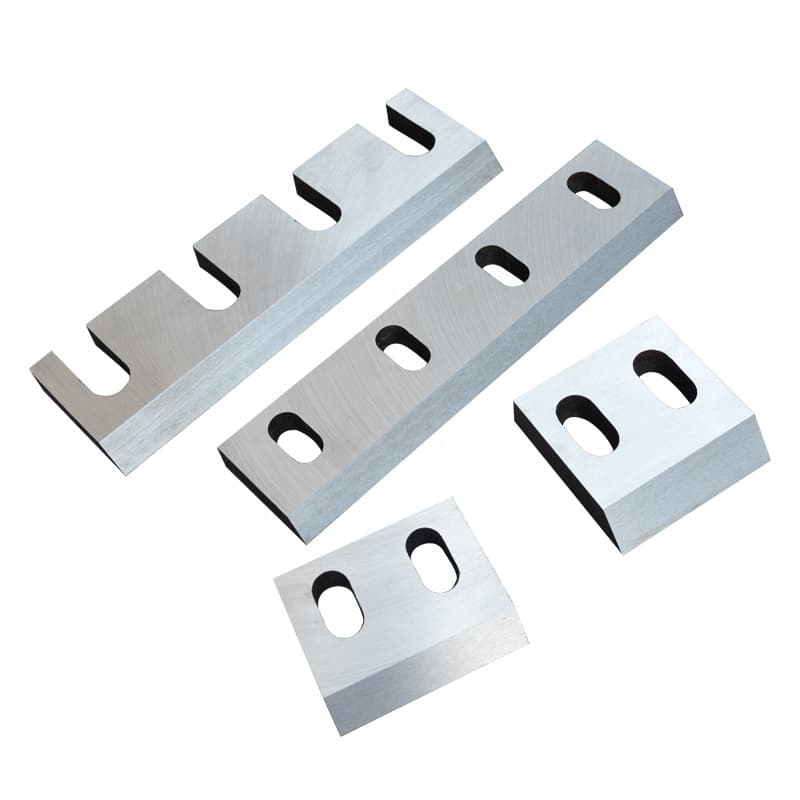
PCB-010
Fixed Plastic Crusher Knife
Fixed Plastic Crusher Knife is built for pet bottle crushing lines and rigid plastic size reduction. Available in D2 / SKD11 / Cr12MoV / HSS for wear resistance, stable knife clearance, and repeatable sharpening. The insert-style format fits compact cutter seats and short replacement positions.
Related catalog categories
Deep reading
OEM-compatible granulator bed knife RFQ guide: what buyers should confirm before ordering replacements
A source-backed buyer guide for OEM-compatible granulator bed knives, fixed-side checks, screen context, and the RFQ evidence that lowers repeat failures.
Read articleGranulator Knife Gap Checklist: Reduce Dust, Fines, and Noise
A practical rotor-to-bed-knife inspection flow for recyclers seeing dusty regrind, noisy cutting, or repeated knife damage after a blade change.
Read article
Need this applied to your line?
Mention this solution hub in your message so sales engineering opens the thread with the right checklist.