
Drum chipper vs disc chipper RFQ guide: what sawmill buyers should confirm before ordering knives
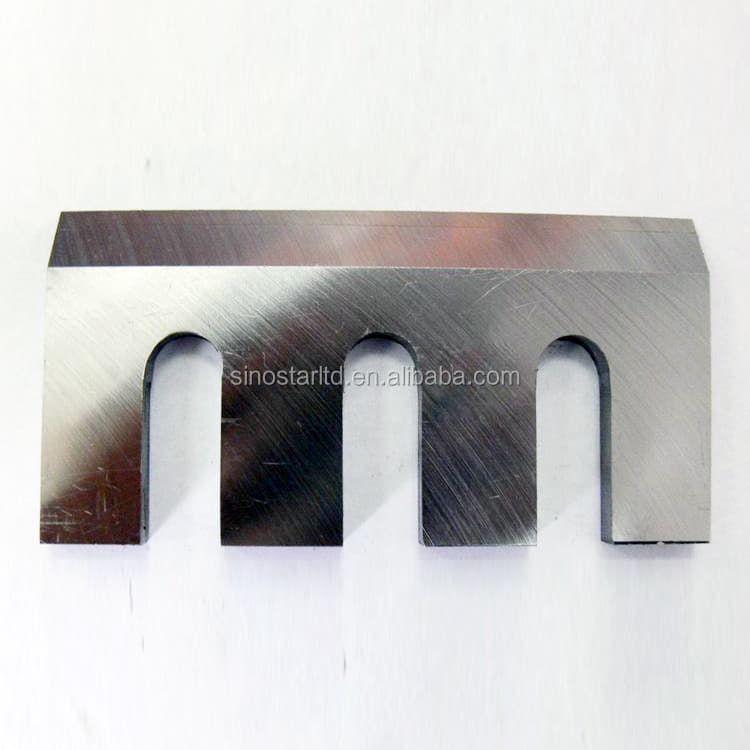
If a sawmill knife inquiry starts with only the old pattern dimensions, the buyer is often describing the worn part while hiding the real commercial question. Official chipper pages keep separating disc duties from drum duties because feed shape, machine behavior, and chip-quality control are not the same buying problem. The safer RFQ usually starts by naming the route first.
Buyer conclusion first: when the line mainly handles long slabs, cutoffs, or organized sawmill residues and the complaint is tied to disc-side knife-to-anvil behavior, the safer quote usually begins with the disc route. When the line is built around trim blocks, mixed offcuts, broader sawmill waste, or wider infeed behavior, the safer quote usually begins with the drum route. When the complaint already includes one-sided wear, more fines, oversize chips, or unstable restarts after sharpening, the safer quote may need to include the counter side and chamber package as well. Bruks Siwertell, Morbark, Valmet, and Bandit all point buyers toward that route separation in different ways.
Machine-stage fit: if the buyer names the wrong route, the supplier can still match a visible knife and still miss the real complaint. That is why this article stays commercial. It is not a machine manual. It is an RFQ-routing guide for sawmill residual lines that need a safer next purchase.
RFQ criteria: send the machine brand and model, state whether the unit is drum or disc, describe the real feed stream, include one measured knife photo, one installed seat or clamp photo, one counter-side photo when available, and the chip complaint the sawmill is trying to remove. Before sending the inquiry, compare our new sawmill drum-and-disc application guide, the new stage-fit solution page, the wood pallet and biomass application guide, the chip-quality solution, the rotating-side RFQ article, the counter-side RFQ article, and the contact page.
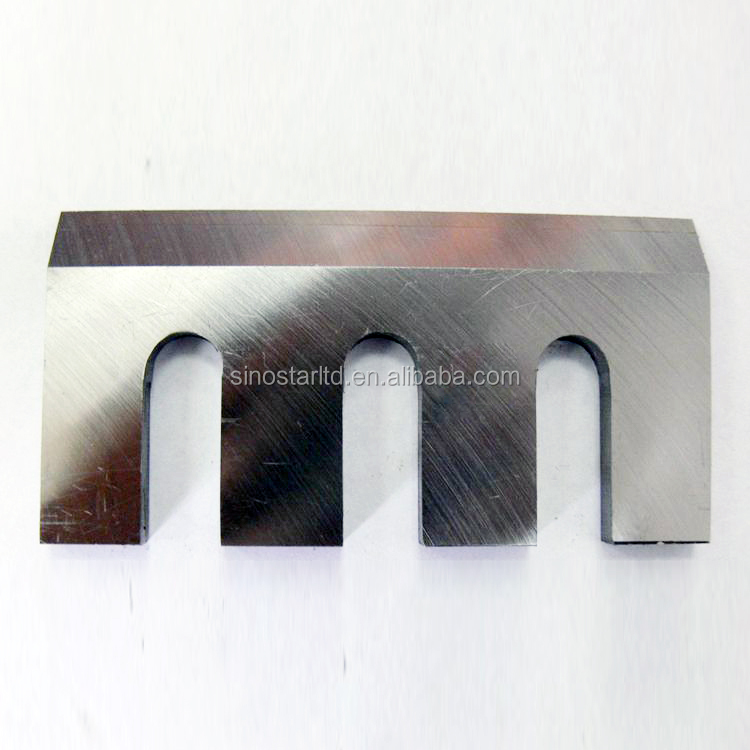
Why "drum versus disc" is one real commercial buying problem on sawmill residual lines
Buyers often treat a residual-wood line as if the same request can cover slabs, edgings, trim blocks, short offcuts, and any chip complaint that follows. Official machine-maker pages say otherwise. They repeatedly separate disc duties from drum duties because feed shape, infeed behavior, knife support, and chip-quality control differ across those routes.
Bruks Siwertell's disc page ties disc work to long logs, cutoffs, slabs, and sawmill residues. Its drum page and its Sierra Pacific note tie drum work to broader residual wood and sawmill byproducts such as trim blocks and offcuts. Morbark then places slabs, edgings, roundwood, and sawmill waste inside stationary chipper decision-making. Those are different RFQ starting points.
That is why the safer buyer workflow is to name the route first. The line is not only asking for "wood chipper knives." It is asking for the knife and chamber package that matches a specific chipper route and a specific chip complaint.
What the official OEM and service pages actually signal to buyers
Valmet's chipper-technology page is useful because it connects chip quality to mill economics instead of treating it as a small maintenance detail. Its field-service material and its workshop-service material are useful because they bring bedknife pocket condition, knife runout, and clearance setting directly into the buyer conversation.
Bandit adds the practical buyer language around maintenance-friendly knife systems versus tighter chip-size control, while its paper-mill chip article adds feed synchronization and chip-size setup into the logic. Taken together, those official pages point buyers toward one conclusion: the route, the chamber, and the chip target should be visible before the supplier is asked to price the replacement part.
When the first email should start with the disc route
The first email should start with the disc route when the line is clearly organized around disc-side duties such as long slabs, cutoffs, longer residual pieces, or a feed stream where knife-to-anvil behavior is central to the complaint. This is also the safer route when the buyer already knows the line is a disc chipper and the problem sounds like chip-thickness drift, sharpening-related inconsistency, or a counter-side condition that is specific to disc-side support.
This does not mean the buyer needs a perfect machine manual in the RFQ. It means the buyer should state that the line is disc-based, describe the real feed, and send the counter-side evidence early. A dimensions-only email can still receive a quote. It just may not receive the safest quote.
When the first email should start with the drum route
The first email should start with the drum route when the sawmill is handling trim blocks, mixed offcuts, wider residual mix, or other feed behavior that fits a broader infeed and drum-style residual-wood duty. This is also the safer route when the complaint sounds like route-loading instability, restart trouble, or a wider chamber-package problem rather than only a knife-edge problem.
Bruks Siwertell and Morbark both support that buyer logic in different ways. Once the complaint belongs to broader residual handling and the line no longer behaves like a narrow disc-side job, the RFQ should say so instead of collapsing back into a generic knife request.
What buyers should send before asking for price only
The fastest low-risk RFQs combine visible geometry with route evidence. Send these items in the first message where possible:
- Machine brand and model, plus confirmation of drum or disc route.
- Feed description: slabs, edgings, trim blocks, short offcuts, roundwood residuals, or mixed sawmill waste.
- One measured front photo, one side-profile photo, and one installed seat, clamp, cassette, or holder photo of the visible part.
- One counter-side or anvil photo if the complaint already includes chip quality drift, one-sided wear, or restart instability.
- Current symptom: oversize chips, more fines, chip-thickness drift, shortened life after sharpening, hard restarts, or visible seat damage.
- Downstream target: pulp, board, biomass fuel, boiler feed, or another wood-residual use.
- Whether the request is direct replacement, a sample-approval batch, or a wider chamber-package review.
That is the minimum evidence that keeps an aftermarket quote tied to the real sawmill production problem. A loose knife photo without route context can still produce a budget number, but it often does not produce the safest purchasing answer.
Common buyer mistakes on drum-versus-disc sawmill RFQs
The first common mistake is sending only the old pattern dimensions while hiding whether the line is really a disc-side slab job or a drum-side residual-wood job. The supplier can match the part and still miss the route problem.
The second common mistake is ignoring what changed in the feed. More trim blocks, shorter offcuts, different moisture, or a different downstream chip target can move the job away from the old safe starting point even if the machine model is the same.
The third common mistake is quoting the visible knife only when the actual complaint already involves the counter side, pocket condition, or chip-thickness control. Official service pages point buyers away from that shortcut.
Practical selection notes for buyers, dealers, and service teams
The safest quote structure separates the request into three levels. Level one is direct replacement because the route, feed, and chip target are unchanged. Level two is route-specific knife-package review because the complaint now includes more fines, unstable chips, or sharpening-related drift. Level three is stage-fit review because the current duty may no longer belong with the route the plant has been using as its buying starting point.
Dealers should also say whether the request is an emergency restart, a trial lot, or a planned spare program. End users should say whether the complaint is mainly route loading, chip consistency, counter-side stability, or restart risk. Those are different buying situations, and clear route language usually saves more time than a longer part table.
Reference-only disclaimer: brand names, machine models, and part numbers are used for reference and compatibility identification only. Leader Blades supplies compatible replacement industrial knives unless otherwise stated. Final suitability should be confirmed by drawings, samples, measured photos, machine information, and buyer approval.
If you are not sure where to start, compare the new sawmill application guide, the new stage-fit solution page, the wood pallet and biomass guide, and the contact page. That keeps the next RFQ tied to the real route and the real complaint.
FAQ
Should buyers decide drum versus disc before they ask for a replacement-knife quote?
Yes. Official OEM pages describe different duties for disc and drum chippers, so the route decision belongs in the first RFQ message.
What if the visible wear is on the knife set, but the real complaint is unstable chips after sharpening?
That usually means the buyer should include counter-side, seat, or route evidence together with the knife geometry instead of quoting the loose knife pattern alone.
When should a buyer move from a rotating-knife quote into a wider chamber-package review?
When the line now shows one-sided wear, fines, chip-thickness drift, oversize pieces, or repeated restart problems after part-only replacement.
Can a supplier help route the RFQ correctly from worn parts and installed photos only?
In many cases, yes. Installed photos, the route, the feed description, and the chip complaint are often enough to begin routing the RFQ correctly.
Which internal pages should buyers compare next?
Compare the new sawmill application guide, the new stage-fit solution page, the wood pallet and biomass application guide, the chip-quality solution, the rotor-side RFQ article, the counter-side RFQ article, and the contact page.
Primary sources
This article is an original buyer-side synthesis built only from official machine-maker and service pages relevant to sawmill residual chipping, chip quality, and chipper maintenance.
- Official Bruks Siwertell horizontal-fed disc chipper page
- Official Bruks Siwertell drop-fed disc chipper page
- Official Bruks Siwertell horizontal drum chipper page
- Official Bruks Siwertell Sierra Pacific news page
- Official Morbark stationary chipper page
- Official Valmet chipper technology page
- Official Valmet field services page for wood handling
- Official Valmet workshop services page for wood handling
- Official Bandit whole-tree chipper page
- Official Bandit paper-mill chip article