
Typical RFQ problems on sawmill drum and disc chipper lines
- •The buyer has a worn knife set, but the RFQ still does not say whether the machine is a disc chipper for slabs and cutoffs or a drum chipper for broader residual wood.
- •The line is now being judged by chip-thickness stability, fines, or downstream pulp or biomass performance, yet purchasing still describes the job as a knife-only reorder.
- •Operations reports trim blocks, mixed edgings, or short offcuts changing the load, but the quote request still assumes the previous route and counter-side condition are unchanged.
- •The plant needs a fast export quote, but no one has attached counter-side photos, clamp-seat photos, or the sample-approval logic needed before the bulk order.
Buyer conclusion first: route the RFQ by machine family, feed shape, and downstream chip target
If your sawmill line is handling slabs, edgings, trim blocks, roundwood residuals, or short offcuts, the safest buying decision is usually to identify the machine route first and the knife package second. That means confirming whether the line is a disc chipper or a drum chipper before asking only for the outside dimensions of the last knife set.
Bruks Siwertell places long logs, cutoffs, slabs, and sawmill residues inside a horizontal-fed disc route. Its horizontal drum page, its Sierra Pacific case, and Morbark's sawmill page place broader sawmill waste, trim blocks, offcuts, slabs, edgings, and roundwood inside drum-oriented or stationary residual-wood chipping discussions. That is why a serious RFQ should say what the line is actually feeding now.
Before price-only discussion, compare the new stage-fit solution page, the new drum-versus-disc RFQ article, the wood pallet and biomass guide, and the RFQ page. That keeps the order attached to the real route and the real chip complaint.
Where these knives fit on the line: rotating side, counter side, and chamber-package review
Leader Blades fits the knife positions that buyers most often review on sawmill residual lines:
- Rotating wood chipper knives for disc and drum chipper duties on slabs, edgings, trim blocks, and mixed wood residuals.
- Counter knives and anvils when chip quality, seat support, or fixed-edge wear already affects the restart or chip target.
- Reference-based aftermarket replacements when buyers work from worn knives, installed photos, or sample approval rather than a complete OEM drawing package.
Start from the closest internal routes: wood chipper knives, counter knives and anvils, industrial wood chipper knife, wood chipper replacement knife, reversible drum chipper knife, Bandit-compatible drum chipper knife, counter knife and anvil set, and drum chipper counter knife set.
Reference-only disclaimer: brand names, machine models, and part numbers are used for reference and compatibility identification only. Leader Blades supplies compatible replacement industrial knives unless otherwise stated. Final suitability should be confirmed by drawings, samples, measured photos, machine information, and buyer approval.
Machine-stage fit: when a disc-chip route fits the job better, and when a drum-chip route fits better
The fastest buyer decision on this application is usually not metallurgy first. It is route first.
| Feed and complaint signal | Likely lower-risk route | What the buyer should highlight |
|---|---|---|
| Longer slabs, cutoffs, organized residuals, tighter chip target, knife-to-anvil behavior under review | Disc chipper route | Disc family, knife count, counter-side evidence, chip-thickness complaint, and whether the issue appeared after sharpening or seat work |
| Trim blocks, mixed offcuts, broader residual mix, harder restarting, infeed variability | Drum chipper route | Drum family, rotating-knife evidence, clamp-seat photos, counter-side wear, and the downstream chip-use target |
| More fines, oversize chips, one-sided wear, or repeat complaints after part-only replacement | Package review across route and chamber | Loose parts, installed seats, sharpening notes, sample-approval plan, and the exact stage where the line stopped meeting its chip target |
This route-first table is not an engineering shortcut. It is a procurement shortcut. It helps buyers avoid asking for a technically possible knife pattern inside the wrong commercial route.
What the official OEM and service pages signal to buyers before the quote
Valmet places chip quality at the center of pulp quality and total mill economics. Its field-service page discusses bedknife pocket reconditioning, and its workshop-service page discusses knife runout, knife-clearance setting, and disc reconditioning. Those are not casual service notes. They are procurement signals that tell the buyer when the safer RFQ includes more than the loose knife dimensions.
Bandit adds another useful signal by separating easier-maintenance knife systems from more exact chip-size control routes. Its paper-mill chip article adds buyer language around feed synchronization, chip-size setup, and bolt-in wear parts. Put together, those pages tell buyers that the safer quote should mention both the visible knife and the machine behavior around it.
For sawmill procurement teams, the translation is simple: do not hide the route, the chip target, or the chamber complaint when you send the first RFQ message.
Practical selection notes for sample approval, export packing, and reorder control
The safest buying structure separates direct replacement, sample validation, and bulk reorder management. Direct replacement makes sense when the line is stable, the route is confirmed, and the chamber has not changed. Sample validation makes sense when the buyer has a worn sample, installed photos, or a changed residual mix. Bulk reorder management makes sense only after the buyer has recorded the approved route, knife package, counter-side condition, and any chamber cautions from the last shutdown.
Distributors and import buyers should also say whether the request is an emergency restart, a scheduled shutdown batch, or a planned spare program. These are different commercial situations, even when the part geometry looks similar on paper. A good export order is usually the one that packages route evidence, photo approval, and reorder notes together before the final purchase order is cut.
If you need a practical benchmark, compare the chip-quality solution, the rotating-side RFQ article, the counter-side RFQ article, and the contact page. That cluster gives buyers a complete route from pattern identification to final RFQ submission.
RFQ checklist for sawmill drum and disc chipper knives
The strongest RFQs in this application combine geometry with route evidence and a clear approval path:
- Machine brand, model, and whether the route is drum or disc.
- Feed description: slabs, edgings, trim blocks, short offcuts, roundwood residuals, or mixed sawmill waste.
- One measured front photo of the knife, one side-profile photo, and one installed pocket, clamp, cassette, or holder photo.
- One counter knife, anvil, or fixed-seat photo when chip quality, one-sided wear, or restart instability is already part of the complaint.
- Current symptom: oversize chips, more fines, stringers, chip-thickness drift, seat damage, unstable restart, or shortened life after sharpening.
- Downstream chip target: pulp, board, biomass fuel, boiler feed, or other residual-wood use.
- Whether you need direct replacement, a sample-approval batch, or a wider chamber review before the bulk order.
If you only have worn samples and field photos, say that directly. That is normal in aftermarket sawmill work. When you are ready, move from the catalog to the RFQ page with those items in one message.
Representative parts for this line
Use the closest shape below as your RFQ reference, then send dimensions or old-blade photos for fit review.
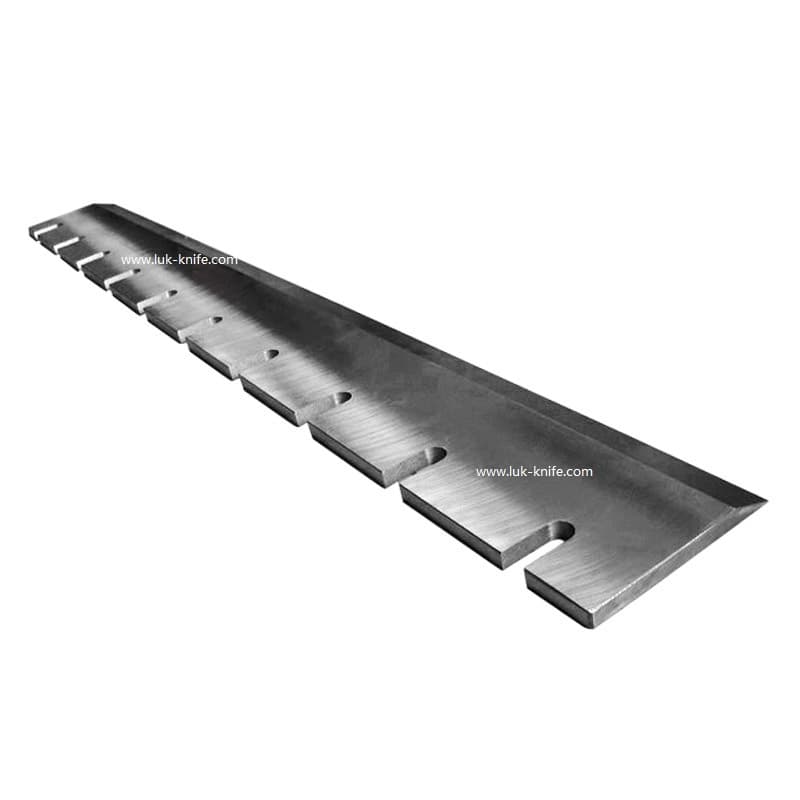
WCK-001
Industrial Wood Chipper Knife
Industrial Wood Chipper Knife is built for drum wood chipper lines and disc chipper systems. Available in A8 / SKD11 / D2 / HSS for edge retention, impact tolerance, and repeatable regrinding. The profiled body suits fixed or rotary stations where alignment and edge exposure matter.
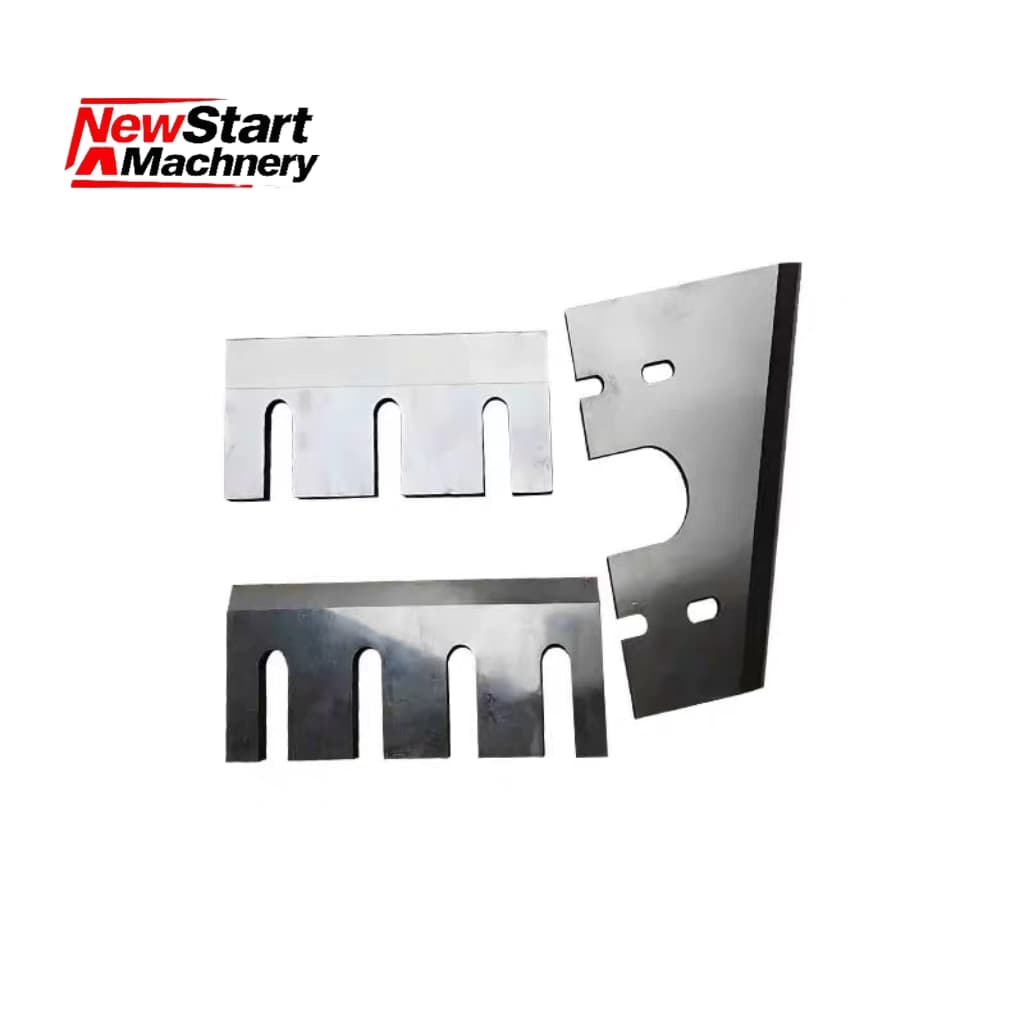
WCK-004
Wood Chipper Replacement Knife
Wood Chipper Replacement Knife is built for drum wood chipper lines and disc chipper systems. Available in HSS / 9CrSi / SKD11 / carbide-tipped alloy steel for edge retention, impact tolerance, and repeatable regrinding. The insert-style format fits compact cutter seats and short replacement positions.
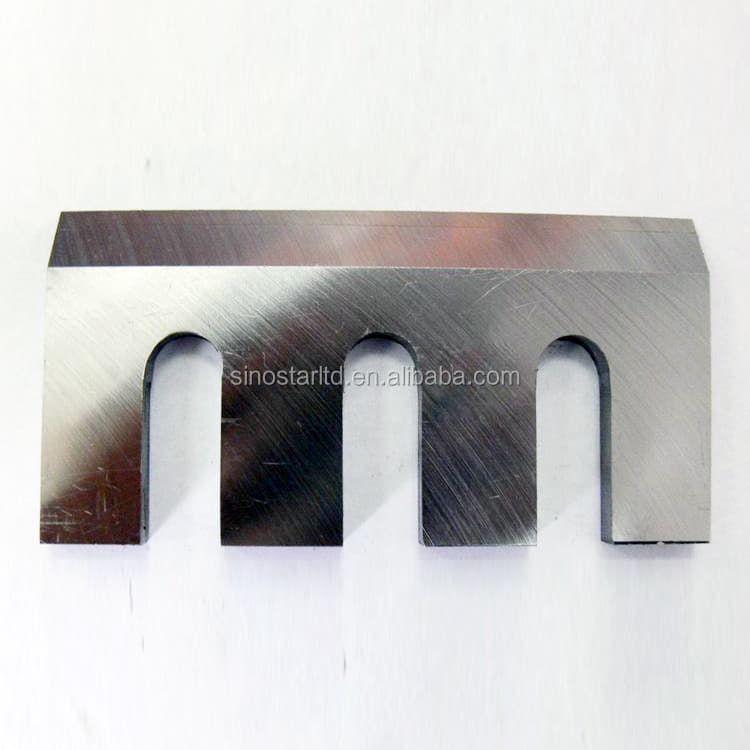
WCK-009
Bandit-Compatible Drum Chipper Knife
Bandit-Compatible Drum Chipper Knife is built for bandit-style drum chipper maintenance and forestry and biomass chipping. Available in SKD11 / D2 / HSS for edge retention, impact tolerance, and repeatable regrinding. The profiled body suits fixed or rotary stations where alignment and edge exposure matter.
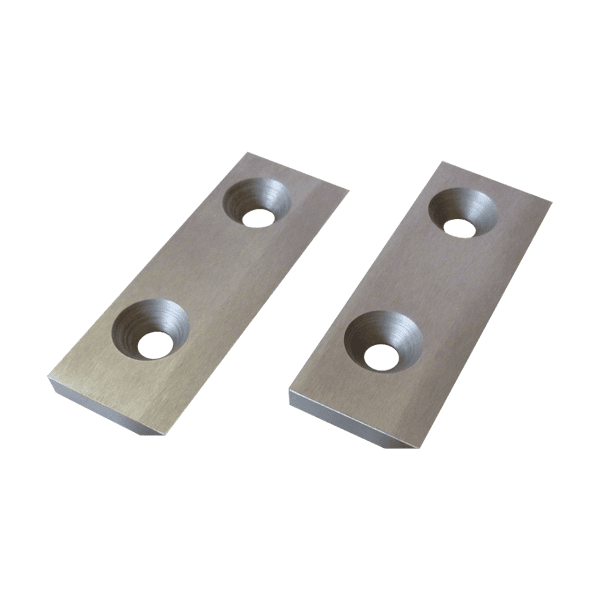
CCA-001
Chipper Counter Knife and Anvil Set
Chipper Counter Knife and Anvil Set is built for counter knife replacement and anvil and bed knife maintenance. Available in SKD11 for stable counter edges and controlled chip sizing. The profiled body suits fixed or rotary stations where alignment and edge exposure matter.
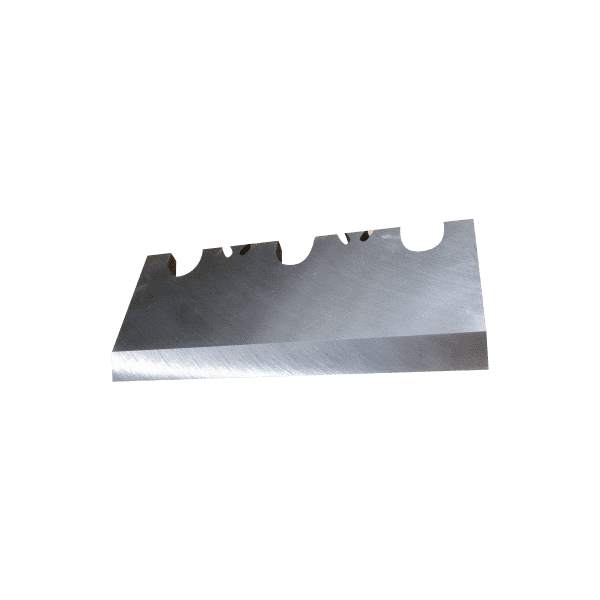
CCA-007
Drum Chipper Counter Knife Set
Drum Chipper Counter Knife Set is built for drum chipper counter knife replacement and anvil and bed knife maintenance. Available in Tungsten Carbide / Carbide for stable counter edges and controlled chip sizing. The straight edge format suits long bolt-on knife bars and clamp-mounted holders.
Related knife categories
Related articles
Drum chipper vs disc chipper RFQ guide: what sawmill buyers should confirm before ordering knives
A source-backed buyer guide for deciding whether a sawmill residual-wood knife RFQ belongs with the drum route, the disc route, or a wider chamber-package review first.
Read articleWood Chipper Knife RFQ Guide: What Buyers Should Confirm Before Ordering Rotor Knife Sets
A source-backed buyer guide for drum, disc, and brush chipper rotor knives: machine-family fit, wood-stream clues, hardware questions, and the RFQ details that reduce wrong-fit reorders.
Read articleWood Chipper Counter Knife and Anvil RFQ Guide: What Buyers Should Confirm Before Ordering
A source-backed buyer guide for wood chipper counter knives and anvils: chip quality, knife pairing, field photos, and the RFQ details that prevent wrong-fit reorders.
Read articleFAQ for sawmill drum and disc chipper knives
Which knife family usually belongs first on a sawmill residual RFQ: rotating knives only or rotating plus counter-side parts?+
Should buyers say whether the line is a drum chipper or a disc chipper before asking for price?+
Can aftermarket buyers start with a worn sample, installed photos, and a chip complaint if they do not have a current drawing?+
Do chip targets such as pulp, board, or biomass fuel change the buying decision?+
Which internal pages should buyers compare next?+
Primary sources behind this sawmill chipper guide
These official sources were used to map disc and drum chipper duties, sawmill residual feed signals, chip-quality logic, and buyer-side RFQ criteria.
Bruks Siwertell
Disc chipper (horizontal fed)
Links disc chipping to long logs, cutoffs, slabs, and sawmill residues, and gives buyer-side clues around knife systems and maintenance.
View sourceBruks Siwertell
Disc chipper (drop fed)
Supports buyer language around short-log duties, application-dependent knife arrangements, and knife-to-anvil control.
View sourceBruks Siwertell
Drum chipper (horizontal)
Frames drum chipping around broader infeed duties, residual wood handling, and replaceable wear components.
View sourceBruks Siwertell
New drum chipper for Sierra Pacific
Useful for sawmill byproduct language such as trim blocks and offcuts in a real residual-wood procurement context.
View sourceMorbark
Stationary chippers for sawmills
Directly ties stationary chippers to sawmill waste, slabs, edgings, and roundwood while reinforcing machine-specific knife setups and replaceable wear parts.
View sourceValmet
Chipper technology
Positions chip quality as central to mill economics and supports buyer-side route logic for different chipper families.
View sourceValmet
EasyTurn article
Useful for safe knife-change framing on large chipper-disc maintenance and procurement planning.
View sourceValmet
Field services for wood handling
Supports RFQ language around bedknife pocket condition, alignment, and field-stage chamber review.
View sourceValmet
Workshop services for wood handling
Supports buyer language around knife runout, knife-clearance setting, and disc reconditioning.
View sourceBandit
Why buy a whole-tree chipper?
Useful for buyer-side distinctions between maintenance-friendly knife systems and tighter chip-size-control routes.
View sourceBandit
Paper mill quality chips article
Adds procurement signals around feed synchronization, chip-size setup, and bolt-in wear parts in quality-chip applications.
View sourceNeed sawmill chipper knives matched to the real drum-or-disc route?
Send the machine route, feed description, installed photos, current chip complaint, and the downstream chip target. We can review direct replacement, sample approval, or a wider chamber-package RFQ.